
Build a podcast player without running your own feed crawler. Import subscriptions by RSS URL, show complete episode lists, and pick up new episodes from 4.3+ million podcasts through one JSON API.
A podcast app needs every show its listeners follow, kept current. That means fetching millions of RSS feeds, handling redirects and broken XML, and merging the same show published under several URLs. PodcastDataAPI does that work and gives your app clean podcast and episode records with ids that stay the same.
Turn the RSS URLs in a listener's OPML file into podcast ids, 25 feeds per request.
Title, artwork, description, categories and every episode back to the first one.
The newest episodes across up to 100 followed shows in a single request.
Let listeners find a podcast by name, host or topic, with spelling correction and filters for language and category.
Read the feed URLs from an OPML export and match them to podcasts, even when a feed has moved or redirects.
Page through a show's whole back catalog, newest or oldest first. A show with 2,900 episodes lists all 2,900.
Check every followed show on a schedule and notify listeners when something new is published.
Build browse pages from the category list and the newest episodes in each category.
Show chapters, transcripts and people where the publisher provides them in their feed.
This example matches a listener's feed URLs to podcast ids, then asks for everything those shows have published since the last check.
published_at for the next checkconst API = "https://api.podcastdataapi.com";
const headers = {
"X-API-KEY": process.env.PODCAST_API_KEY,
"Content-Type": "application/json"
};
const imported = await fetch(`${API}/v1/podcasts/batch`, {
method: "POST",
headers,
body: JSON.stringify({ feed_urls: feedUrlsFromOpml.slice(0, 25) })
}).then((response) => response.json());
const podcastIds = imported.data
.filter((item) => item.status === "found")
.map((item) => item.podcast.id);
const url = new URL(`${API}/v1/episodes`);
url.search = new URLSearchParams({
podcast_id: podcastIds.join(","),
published_after: lastCheckedAt,
limit: "100"
});
const latest = await fetch(url, { headers }).then((response) => response.json());
for (const episode of latest.data) {
notify(episode.podcast.title, episode.title, episode.media.url);
}| Screen | Endpoint | Use it for |
|---|---|---|
| Search | /v1/search | Finding shows and episodes by name, host or topic |
| Import | /v1/podcasts/batch | Matching up to 25 feed URLs to podcasts |
| Show page | /v1/podcasts/{id} | Title, artwork, categories and feed status |
| Episode list | /v1/podcasts/{id}/episodes | The full back catalog, page by page |
| Player | /v1/episodes/{id} | Audio URL, duration, chapters and transcript |
| Inbox | /v1/episodes | New episodes across up to 100 followed shows |
Audio plays from the publisher's own URL; we don't host audio. There are no charts or listener counts. Batch requests need a paid plan. See the API documentation for every field and limit.
Open a catalog page to inspect the data and copy the API request that returns it.
Yes. The Free plan includes 500 requests a month for non-commercial projects with attribution. Paid plans start at $29 a month for 25,000 requests, allow commercial use and add batch requests. See pricing.
Call /v1/episodes with up to 100 podcast ids and published_after set to 7 days before the newest published_at you have, then skip episodes you already stored. The overlap catches episodes that reach us late. Results come newest first, with a cursor for the next page.
Yes. Read the feed URLs from their OPML file and send them to /v1/podcasts/batch, 25 per call, or look them up one at a time with /v1/podcasts/lookup on the Free plan. Feeds match exactly, through redirects, and across http/https and www variants.
No. Each episode includes the publisher's own media URL, type and size, and your player streams from there.
The podcast keeps its id. When we merge two copies of the same show, requests for the old id return 308 resource_moved with the new location, so saved subscriptions keep working.
Feeds are refreshed continuously, and shows that publish often are checked more often. Episodes dated more than an hour in the future are held back until they are published.
Give agents and retrieval pipelines podcast search, episode metadata and publisher transcripts with timings and speakers.

Find any episode, get its audio file, duration and chapters, and start from the publisher's transcript when one exists.
Build topic pages, directories and weekly roundups from search, categories and the latest episodes.
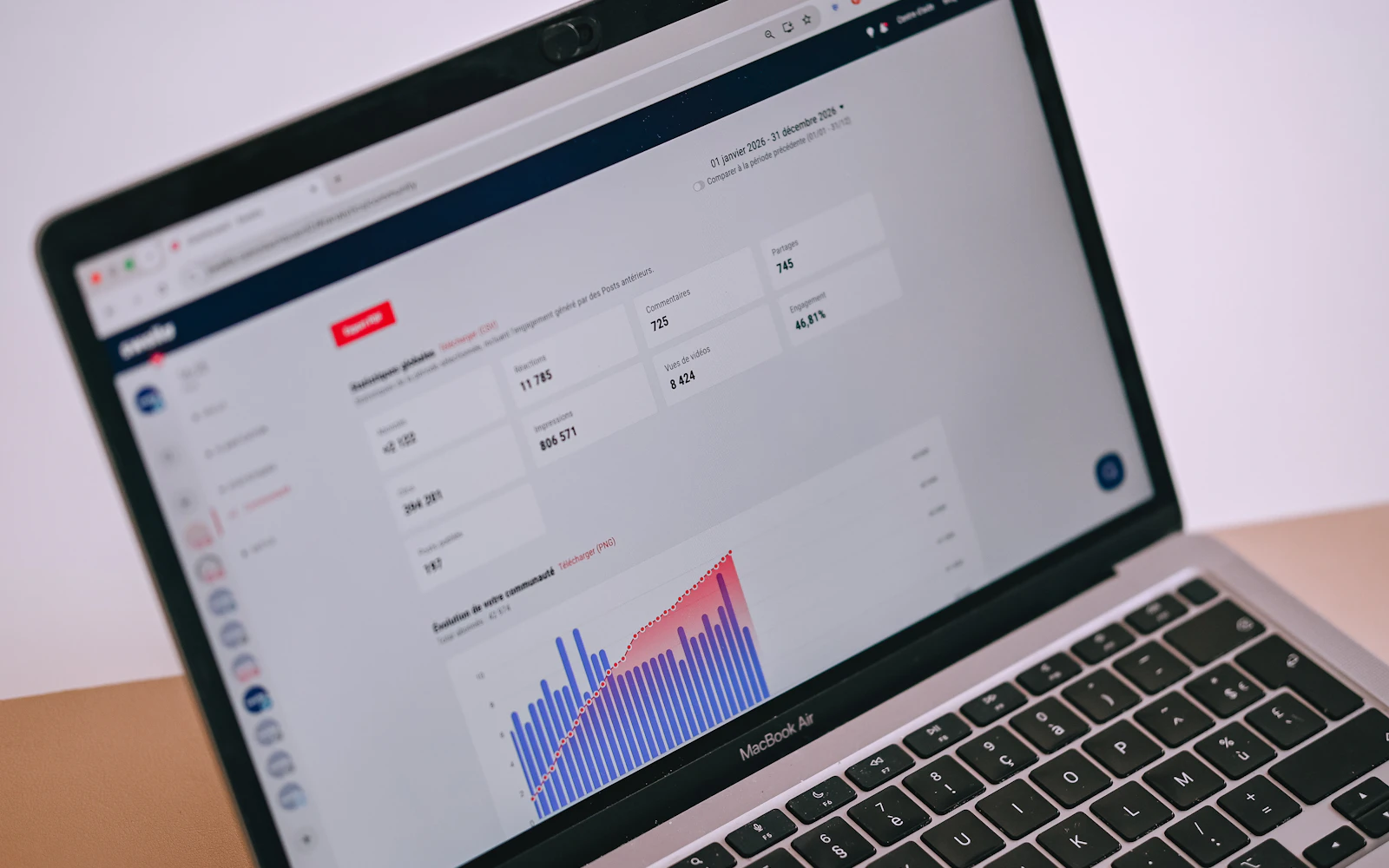
Watch new episodes by topic, category or show, and research what was said in titles, show notes and publisher transcripts.
Find active shows that cover your topic, see who hosts them and how often they publish, and reach the publisher's listed contact.
Create a free API key and import your first feeds in a few minutes.
Get a free API key Read the documentation