
Write or Die Show · Randi-Lee Bowslaugh
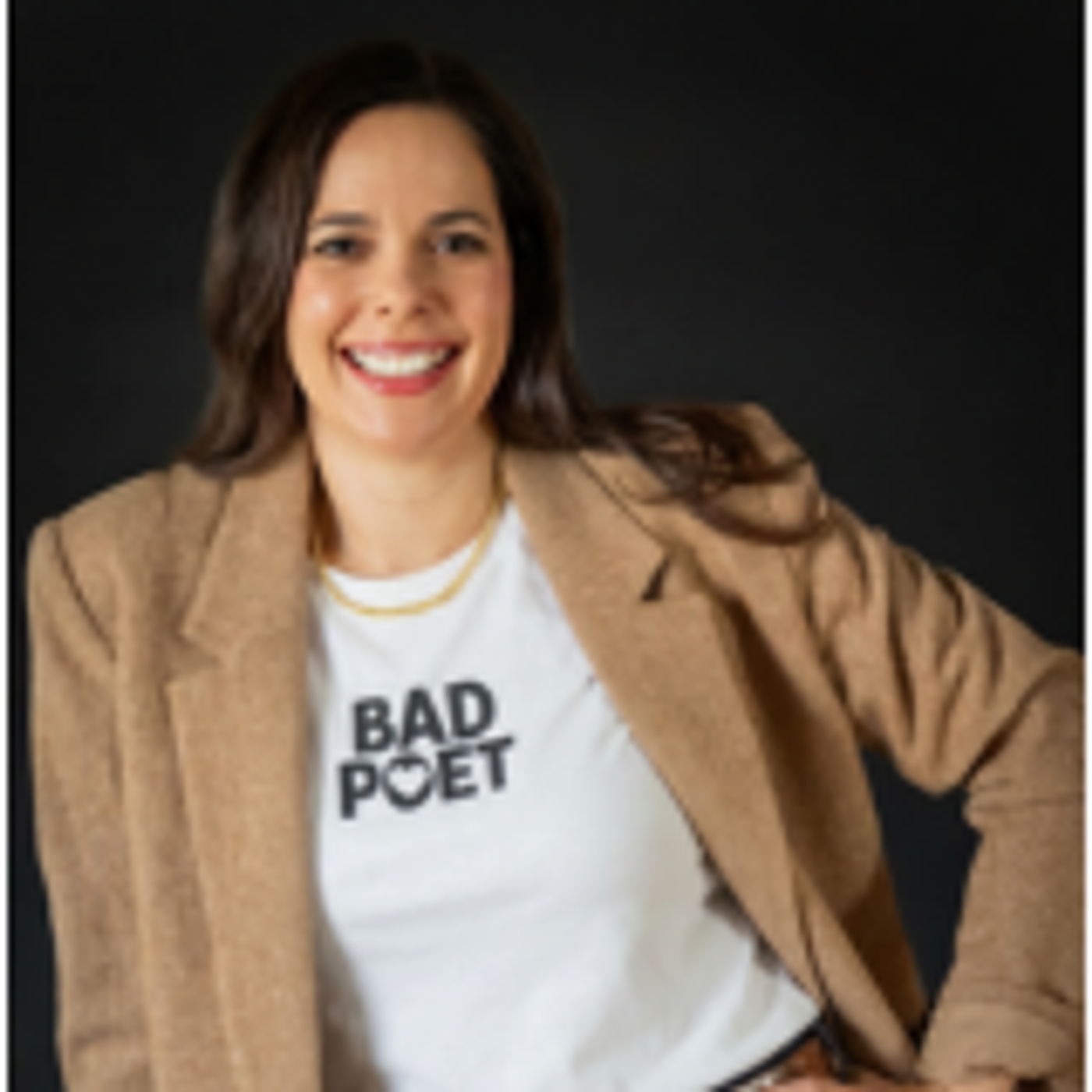
About Margaret Bryden is a licensed Clinical Mental Health Counselor, author, and the founder of Sage Insight Therapy, a private therapy practice based in Salt Lake City, UT, USA. Margaret's work is centered on one core belief: meaningful mental health care should be accessible, and that means using all of the best tools for mental health at our disposal, including poetry. A central part of Margaret's approach is the integration of poetry into the therapeutic process. Poetry, in this context, is not about being an award winning writer. It is a tool for expression. It allows people to engage with their thoughts and emotions in a way that is less structured, less filtered, and more aligned with how we actually experience life. Human experience is rarely linear. It is often fragmented, contradictory, and difficult to put into clear, logical language. Poetry creates space for that complexity. Follow www.sageinsighttherapy.com @Sage_Insight_Therapy on Instagram Get the book https://link.amazon/B002KAcGQ (affiliate link) Want to be a guest on Write or Die Show? Send Randi-Lee Bowslaugh a message on PodMatch, here: https://www.podmatch.com/hostdetailpreview/1625705973680x271582554008346080
Randi-Lee Bowslaugh: Go, everything's going. Hello everybody, welcome to the Rider Die Show. I am your host, Randy Lee Boozlaw. How is everyone on this beautiful Tuesday? I was gonna say Monday, even though I know it's not Monday, it feels like Monday, but it's not. It's Tuesday. ⁓ cause if you were where I am, yesterday was a holiday. Woo woo. Yep, it was great. Just meant today at work really sucked because then you had to do all of Monday and Tuesday's work. But that's it's fine. It's totally fine. It's totally fine. ⁓ Margaret Bryden: What was the holiday that you were celebrating yesterday? Randi-Lee Bowslaugh: It's just the Civic holiday. I have no idea what it's for. It n nobody knows what it's for. It just it just is. And it's not a stat holiday. It's a pretend holiday. So like some businesses are open and some aren't. Luckily I was in the category of closed. ⁓ a bit I don't I don't know what it is. If anyone actually knows what a civic holiday is about, throw it down in the the comment section because like I'd like to know. But I have no idea. And I'm sure I could Google it, but like, just tell me. Right? And if you don't know, but you want to make up something cool, like it's the day we celebrate elephants, because I have an elephant stuffy over there. cool. Let's do it. Let's see how many crazy ⁓ things we have that is about the Civic holiday. I I would enjoy that. That would that sounds like fun. ⁓ so update on the movie. Update on the movie. it is very exciting. Margaret Bryden: Where's the fun in that? Randi-Lee Bowslaugh: So, for those who don't know what the movie is, it's called Goodbye Too Soon. It is based on the book Goodbye Too Soon, which is based on the true events of my brother's death by drug overdose. We are turning it into a feature feature-length film. ⁓ Script is done. Thank you. The casting call went out yesterday. So exciting. So if you are in the Niagara region and you're like, hey, I want to be in a movie, well. Margaret Bryden: It's so cool. Randi-Lee Bowslaugh: Casting call is August 22nd. Will be auditions. There is a form to fill out on the website. No, it's not on the website because I'm updating the website. I'm lying. ⁓ on the Facebook or on the Instagram. There is a link to a Google form you can fill out for your interest in it. ⁓ and then the other super cool, very exciting thing. ⁓ I gotta make myself a list of all the announcements I need to do at the beginning of the show. I keep forgetting. ⁓ so the auditions, they are taking place, and thank you so much to our sponsor, ⁓ Genga Moon. Yoga. And so she has offered us her space to use. So we are we love you. Thank you. Thank you, Andrea. ⁓ and then the other super cool thing, I'm not I'm gonna share my screen, I'm gonna show y'all because it's great. The Kickstarter, it just launched today. It's very exciting. ⁓ yes, that is an AI poster, and only because we haven't done any type of filming or photos or anything for it yet. Once we do though, it it'll be real ones. We're not going to continue using the AI generated posters once we have the actual cast. We'll have a picture of the actual cast. So take a look, go on over there, check it out. It tells you all about it. It's beautiful. It's long. I'm not gonna read it all, but it's great. ⁓ lots of different reward levels and and such. So look at that. It's beautiful. so beautiful. That one I made myself. I know, it's gorgeous. ⁓ so Take a look, hop on over, check it out. ⁓ how do I stop? Share, there it is. And now, now that I've rambled on for three minutes, but I have to give you all that exciting news because I'm so excited. ⁓ welcome to our guest. He she's a little bit nervous. I mean, I do have that effect on people when I'm like, ⁓ actually we're live. We're not recording. I don't edit. Ha! Margaret Bryden, how are you? Margaret Bryden: Hi I'm great. I'm happy to be here today on this Tuesday. I did not have a holiday yesterday, so I've just been working all week nonstop. Randi-Lee Bowslaugh: Yay. I'm sorry, I can't help you with that. Just come move to Ontario. Then then you get a random a random maybe holiday. So, you know. Margaret Bryden: Love to go to Canada. Canada's sounding really good right now. Randi-Lee Bowslaugh: It it does in the summer. It sounds great in the summer and then it becomes winter and it's not so great. I love the color of your walls. I love dark green. I have an accent wall in my living room that is that color. And I love it. Margaret Bryden: ⁓ yeah, it's a forest green Randi-Lee Bowslaugh: I love it so much. I was trying, so I have that accent while in the living room. I was trying so hard to find curtains to match it. I could not. So Margaret Bryden: ⁓ you know what? I went with terracotta. I don't know if you can see my Randi-Lee Bowslaugh: ⁓ okay. ⁓ yeah, that's a good like yeah, yeah, yeah, okay, okay. Margaret Bryden: Yeah, terracotta with forest green, it goes really well. Yeah. Randi-Lee Bowslaugh: It does. All right. Well I'll have to I'll have to keep that in mind. ⁓ so tell us a little bit about who Margaret Bryden is. Margaret Bryden: Well, I'm a therapist and I work at a psychiatric hospital and I also have my own private practice called Sage Insight Therapy where I work individually with clients. So I'm pretty well versed in individual therapy and group therapy. And I wasn't always a therapist though. Before I became a therapist I actually was working in HR. I was one of those HR ladies. But that was never my true calling. I know. Randi-Lee Bowslaugh: One of those. Margaret Bryden: I know. And it sort of ate away at my soul. So after over a decade in HR, I took the plunge and went back to grad school for a second master's degree. My first one was a master's in business administration. I went back to grad school and I got a master's of science and mental health counseling and I've been working as a counselor ever since and I love it. I love being a therapist. It's so much more rewarding. Randi-Lee Bowslaugh: Ha ha ha. ⁓ my god. Yeah, I was in social services. That's what I went to school for originally. And I I did it for ⁓ too many years and yeah, it ate of way at my soul too. So then I quit, obviously. and now I feel like I'm actually helping more people by just having conversations than I was when my job was to help people. Because when something is when something's a governmental oversight and they just want what looks good on paper, ⁓ There's so much red tape and when they want it to look good on paper, it doesn't actually work in reality. And yeah, couldn't do that no more. So we like to talk about it. Yes, talking works. Actually I was talking to somebody ⁓ just before like somebody at work just before I came here. We're talking about how yes, talking works 'cause my mom. My mom I keep telling her she needs to go to therapy. She's like, Why? T She does, she does. And she keeps going, Why? Talking about stuff doesn't help. I go, there's a literally Margaret Bryden: Ha ha Randi-Lee Bowslaugh: an entire industry around that. And I go and you've met me, right? Like and you've met me, right? Your your daughter, who I'm literally alive because of therapy. But it it doesn't it doesn't work. Margaret Bryden: Talk therapy. Randi-Lee Bowslaugh: Yeah, that's that's old school mentality thinking right there. Margaret Bryden: There's something really magical that happens when people talk that just happens naturally in conversation. You don't have to force it. This ability to connect with people I think is really healing. Just connecting, just talking. Randi-Lee Bowslaugh: See you get it. Well you should since you live it. Margaret Bryden: I would hope so. I'm a therapist. Randi-Lee Bowslaugh: So I mean you s you told us what you do, but like who are you in your soul? In your soul. Margaret Bryden: In my soul? ⁓ I'm probably one thousand years old in my soul. And I don't know, I probably have done a lot of different things. I feel like I've lived many lives. Randi-Lee Bowslaugh: It's actually fun. Right? No, it is 'cause I that's how I think about it too. I when I go and interview on other people's shows and they just they're talking, I'm like, ⁓ yeah, and I've done this and this and this. They're like, Really? You've done all those things? I'm like, Yeah, it's yeah. Like it's just normal to me. So it's fun to meet somebody else who's like, I've done a million things. I just you know, it's life. It's fun. Margaret Bryden: Ha ha Mm. Yep. Randi-Lee Bowslaugh: Okay, so the eating away at your soul. I wanna talk about that, 'cause that's a very ⁓ very pointed statement, and because I can quite relate to that statement, having been in social work, Margaret Bryden: Hm. Randi-Lee Bowslaugh: And obviously there's gonna be things you can say and things you can't say, but as it relates to your feelings and your how you were feeling in your soul, what are some things like some triggers, not necessarily that might not be the right word. Anyways, what are some things that really stood out to you that was like, It is time I need a change? Margaret Bryden: ⁓ so many things. I think it was a confluence of factors that really led me to life kind of funneled me into becoming a therapist and it was like a hundred different things all at once. ⁓ I think I come from a family background that wasn't the most functional and that created some instability and insecurities in me, and I think over time I really wanted to understand myself better and understand my family better and understand my relationships better and understand how to do do it in a healthy kind of a way. And that that was one of the things. Another thing was I I really did well. I'm not trying to toot my own horn here, but I really did well academically. I've always been kind of goal oriented and academically inclined and I did really well in school and I could have done a variety of things and I just ended up working in HR and I was okay at it. Like I actually did quite well and I went up to director level and I just didn't find it Randi-Lee Bowslaugh: Mm. Margaret Bryden: as fulfilling as I thought like a a well rounded career should be. I just didn't feel like it was truly my calling or where I needed to be spending my time and then on top of that, when you're working in corporate America, it certain things come to light about human interactions that are really difficult to palette and I was working in a position, I was always working in HR in a position where I was sort of the intermediary between corporate agenda and individual agenda and it just became unattainable for me long term. It really wasn't fulfilling or making me happy and I try to do other things. Like I I tried to, for example, take art classes. I took a lot of art classes while I was working and I would after work I would go to like the community local community college and I would take live drawing classes and stuff. And I think one of the times where it really hit home that I needed to change careers was ⁓ I was driving to my art class one day after work and I just sat in my car and I was cry I was sobbing and I didn't know why. There's no particular reason. Everything in my life was like more or less okay. And I was just like, I'm so unhappy and I don't know what this is about. I'm doing okay and academically, I'm doing okay in my career. I'm d I'm actually killing it at this art class. Like what is going on? And things were just not quite right. Something fell off. And I think maybe I felt that in my soul. I don't know. but I started looking for what might be my next move after that point. Randi-Lee Bowslaugh: Yeah, that's again, can totally relate. It's just like at some point it's some random thing will just break the camel's back, right? The straw that breaks the camel's back. And you don't necessarily know what it is, but yeah, then you have that moment of I'm just so unhappy. Like what I I'm doing well. I'm like you said, I'm doing okay, but I also hate it. Right? And b and that's the weird thing. Both things can be true. You can be doing great at something and hate it. Margaret Bryden: Yeah. Mm-hmm. Yeah. I think hate might have been a strong word for me in that moment. I've never really hated anything that I've done, but but something was definitely missing. There was a puzzle piece that I couldn't quite put my finger on that wasn't there, that needed to be there. And I think searching for that has been very fulfilling. Even though objectively speaking I think my life is a bit more complicated now and I left a very lucrative career to become a therapist, which was maybe not the most financially savvy move I've ever made. But Randi-Lee Bowslaugh: ⁓ yeah. Margaret Bryden: Honestly, I'm just so much happier. I love what I do now and I do feel very fulfilled every day when I go to work and I get to meet with clients and connect with them over what's what the issues that really matter in life. Randi-Lee Bowslaugh: Right. And I think that's what's so important is work shouldn't be that thing where you're like, I am gonna go to work. It should be like, Okay, I'm going to work now. I mean, obviously nobody wants to work. We all just want to be millionaires and do our own thing. However, ⁓ paperwork. It's the worst. But it's like every day when I when I leave for my day job, ⁓ and I say to my kid, I'm like, All right, I'm gonna go to that thing I call work. And she's like, You like your job. I'm like Margaret Bryden: Nobody wants to do paperwork. Randi-Lee Bowslaugh: I do. But still I would rather just not. Right? It's not that I don't like it. I like it. And I love all the ladies I work with. My office is actually just females at the moment. ⁓ I love all the ladies I work with. We get along so fantastically. There's only like five of us. ⁓ so it's a pretty tight knit group. But yeah, sh I mean my kid is right. I do enjoy it. However, it wasn't my first choice, right? Like I said, I was in social work. I did ⁓ fitness training and now I'm just I work in an office. So it's a big difference and I'm okay with that. But there is that piece that, you know, you gotta figure it out. And the journey to figuring that out, isn't it fun? Ooh, harrowing. That's a great word for it. Margaret Bryden: one word for it. Harrowing would be another. Yeah, ⁓ it's definitely been a roller coaster I think of ups and downs. Randi-Lee Bowslaugh: Yeah. What has been some of the the biggest moments where you're like, ⁓ my gosh, maybe this was a bad idea? And it might not have been that particular thought, but like the ⁓ my gosh, what did I do? Or is this the right choice or you know, those ones 'cause whenever you make a big change there's always there tends to be that, Ooh, did I do the right thing? Margaret Bryden: Mm mm. Mm-hmm. I think second guessing yourself is probably second nature and I I I tend to have a very curious and inquisitive mind and I second guess myself a lot constantly. So I don't know that that changing careers made me question myself more than if I hadn't. And I think that thought gives me comfort. Randi-Lee Bowslaugh: Well, that's kind of good. But when you do so the follow-up to that, there's a reason I asked. ⁓ when you do second guess yourself in anything, because I mean I do that with I do that just going and buying like fast food. I'm like, ⁓ but I want this, but I want that. And then you get one, I'm like, ⁓ but what if the other one was better? ⁓ stupid because I can just go back another day if I really want to. ⁓ but what are some of the things that you use when you're having those? ⁓ no, did I do the right whatever? Margaret Bryden: Hmm. One of the things that I keep coming back back to that I've learned through learning therapy and becoming a therapist is acceptance and commitment therapy has this really great set of I don't know, parameters, coordinators, instructions, if you will, act instructions, but it it basically is about our values and having behaviors that are in alignment with our values. And if if you're able to do that and if you're able to make meaning of your behaviors in a way that is congruent with your identity and who you see yourself as and your your values long term, that brings a peace of mind that is really incomparable. And so when when things are difficult, even if things are difficult, ⁓ knowing that you are acting in accordance with your values, I think brings me a lot of comfort and it gives me peace of mind of knowing, Yeah, you know what, I can't do everything and I probably won't do it perfectly no matter what I do. ⁓ but I'm trying my best and I'm doing things that I believe in and if I believe in them the things that you believe in are worth doing even if you do them imperfectly. Randi-Lee Bowslaugh: statement. you have to keep talking 'cause that's that's the quote I'm stealing from you and I like it so I'm just gonna give me a minute. You probably did, but say since I don't know it, I'm going to steal it from you. So you just keep talking or repeat it because it's amazing. Margaret Bryden: You know, I wanna say I stole that quote from somewhere else. The things that are worth doing are worth doing even imperfectly. Randi-Lee Bowslaugh: I'm trying to write fast, I am. ⁓ There we go. See, I wrote sort of fast. I can even read it. That's how fast I wrote. It's like it's still legible. well, it's funny. So, I mean, not funny. Everything's funny to me, because that's my life. ⁓ when you're talking about, you know, making sure that things are in chords with your values, whenever I was looking for whatever my next project was gonna be, or like say starting this podcast, or if I went for a job interview, I would take a hot second and write down what was important to me. What are the reasons that this th that or not even this, what are the things I want in life? So a big thing for me was having the time to take care of my kid because as much as she's nineteen now, she has autism and she's not always making those nineteen year old decisions. And I mean even nineteen year olds don't make good nineteen year old decisions. but right, having the time to do that, having the freedom or the Margaret Bryden: Mm-hmm. Randi-Lee Bowslaugh: ⁓ ability to do my podcast was very important to me and you know other things. And so whenever I would make some kind of big decision, that's what I would do. I'd go back to my values. What is important? And does this thing that I'm looking to do or start does that match these values? Because as much as it might sound great, because I used to be bad at this. I used to be like, yes, that's good. Yes I'll do that. Sure I can do that. No. ⁓ there's only so much any one person can do. So you know Margaret Bryden: Mm-hmm. Yeah. Randi-Lee Bowslaugh: writing down those values and seeing does this opportunity or this thing match these values? And if it does, awesome. That's the word I'm looking for. Yes, see I knew you'd get there for me. ⁓ and if they match, perfect. Go for it. And if they don't match, well find something else maybe. Margaret Bryden: Yeah, it helps her prioritize. Randi-Lee Bowslaugh: ⁓ awesome. So how was it? Were you were you single at the time? Like was it was it a big interruption to a whole family system or was it like, ⁓ I'm just gonna I I'm good. So how was that like being like, ⁓ 'cause I tell my husband all the time, Hey, I'm gonna go do this, hey I'm gonna go through that and he like, ⁓ huh, sure, honey, you go do that. ⁓ like when I started my podcast, because I am a little I'm a little tistic in ADHD myself, I tend to start things and not finish them. Margaret Bryden: I was married, yeah. Randi-Lee Bowslaugh: So when I started the podcast and I'm like, I need a camera and I need a microphone and I need all these things and he's like, Mm-hmm, okay, how about you try it first and then if you're doing good, then we'll upgrade And so after I had done it for the first year, he's the one that bought me the super fancy cam the camera, super fancy microphone, right? He's like, I I love you, but I did not think that you'd stick with it. Because that was that that's who I am. I I try so many different things and they just but this was something that obviously is very important to me, so I kept doing it and that's Margaret Bryden: That's nice, so supportive. Randi-Lee Bowslaugh: You know, how how was that when it's like, ⁓ I gotta go do something else? I know for me and my husband just was like, You go try. Mm-hmm. I'm I'm here when mm-hmm Margaret Bryden: Well, I'm not currently married. Randi-Lee Bowslaugh: No, but at the time we're looking backwards. Margaret Bryden: Yeah, I I wonder if this had something to do with with growing apart and taking separate paths. Randi-Lee Bowslaugh: Yeah. And that's not always a bad thing. Margaret Bryden: No. I think we're in much better places now and I think we're in in a good place with each other now. So I think it all kinda worked out. Randi-Lee Bowslaugh: ⁓ that's good. And that's ⁓ what I love to hear because it can be really hard when you're going through a big transition from whatever life throws at you Margaret Bryden: Yeah. Well, I I got married very young. I was still my early twenties when I got married and we were together for eighteen years. It was a long time. I was married for a long time. Yeah, so it's okay, we've moved on. Randi-Lee Bowslaugh: Wow, that is, yeah. Yeah. That's that's awesome 'cause what there's that saying, you know, some people are here for a long time, some people are here for the now I don't know what it is, but it's like that person is good for you in that moment, but it's okay that you're not with them anymore. There's there's some saying it makes it sound really much fancier than what I'm babbling on about. But i I like it. I like the saying. ⁓ I say that to my kid all the time 'cause like not in spouse ways or or relationships, but like f friendships, which are Margaret Bryden: Yeah. Mm-hmm. Randi-Lee Bowslaugh: types of relationships. But she'll be like, ⁓ my gosh, we're not friends anymore with this person. She has like this group of friends. Because they did whatever the teenage drama is, I'm like, okay, but that's not necessarily a bad thing, right? Sometimes you grow apart, sometimes you need to move on. Things change. Your priorities change and that's not necessarily a bad thing. Margaret Bryden: Yeah. Yeah. I was actually this is interesting that we're having this conversation because this morning I did a group on like a psyched on friendships and I was literally explaining that same concept that that people have a lot of idealized understandings about friendships and I think movies and American movies have played a big role in that and you know, this this idea that you you're born in one place and you die in one place and meanwhile you have the same group of five friends for your whole life and And they're gonna be your loyal friends who will be with you for thick and thin for forever and they'll save you and they'll have your back and they'll save you from the aliens that are coming to invade us and like your friends are just gonna be there for anything and I think it's created a lot of unrealistic expectations for for friendships and for really what how friendships look like in the real world, which is that they're messy and they come and they go and they weave together and sometimes friendships fizzle out because people are doing different things now and they're hanging out in different places and they have different jobs and they had to move and they have kids now and all this stuff has happened and it doesn't mean that anything has happened that was wrong or that somebody did something wrong. ⁓ people just kind of grow and they grow in different ways. Randi-Lee Bowslaugh: Yeah, exactly. I love that. That's how I'm gonna explain it next time she's telling me about her teenage drama. And some side note, she'll tell me all this drama and I'm like, mm-hmm, okay. I could never remember it all because she I mean when she gets go you think I'm bad with the with the rambling and the and the side stories? ⁓ I ain't got nothing on her. Like honestly, people, I ain't got nothing on her. So she'll start rambling and I just I tr I try to figure out and follow her train of thought, but when it falls off the rails, I don't know how to get back on. So I mean that that description of, you know, sometimes they fizzle out and sometimes you just grow apart. I like that growing apart thing. She be she'll probably understand that one. So I'm a I'ma steal it from you. Yeah. Right? Margaret Bryden: Alright, steal away. I don't think I came up with that either. You're just I'm just regurgitating stuff from other places too. Randi-Lee Bowslaugh: But to be fair, after two thousand plus years of people talking, there's only so much out there, right? We we're all stealing other people's stuff at some point, even when we don't realize it. So it's it's fine, I sp Margaret Bryden: It's so honestly so unusual to have an original thought. Randi-Lee Bowslaugh: Right, exactly. Yeah. That's why I just go with nonfiction writing because then I mean it's my story anyways, which I mean is regurgitation, but it's better than regurgitating a story that's already be writ been written and then people are like, You just stole this story from such and such ⁓ author I'm like, ⁓ now I just stole it from my own life. Margaret Bryden: Yeah. Mm-hmm. Randi-Lee Bowslaugh: okay, so now ⁓ you went to school, obviously, it lots of hards hard nights, lots of studying, lots of all that fun stuff. When you finally made it all the way through, how did you feel? Margaret Bryden: When I like finally started working as a therapist, completely overwhelmed. You know, grad school is a lot of one thing. And then when you get into at the actual practice of therapy, it's a lot of another. And it's all good. It all kind of complemented each other. You need a lot of theory in order to be able to go in and do the practice. But the doing of the practice is very different than maybe what you learned in grad school. Randi-Lee Bowslaugh: Yeah. When are you finally Yes. Margaret Bryden: And it's it's a learning curve and every ⁓ position that you might go to and every location that you might go to to work as a therapist might be a little different. Randi-Lee Bowslaugh: And I think that's true of a lot of jobs, right? Like just because so in in my instance, office ⁓ administration and and coordinating and such, ⁓ what I did as a social worker a lot of it was easily transferred over. So you look at the office environment, still the v environments themselves so very different because I did not like everyone I worked with then. ⁓ especially management. ⁓ however, there's so many transferable skills, which I think is really cool because at the time I was social working I was an employment counselor. And people would come to me who are double my age. I was in my twenties when I did this, all right? I was just a baby. and so people would come and I'd say, because they had lost their job, you know, from for whatever purpose, whether it was ⁓ an injury so they couldn't do it anymore, where I live, there is a lot of seasonal work. So you know, the season changes and now they're unsure if the business is going to make it through or if they'll be open next season, whatever it was. So I would always say to them, Well, what do you want to grow be when you grow up? And they're like, I'm already grown. Especially men. Men men always were like looked at me like, You're just a little girl. How are you gonna help me? I I remember this one this one person, he really he was like, he actually said, he goes, I don't mean any offense by this at all. But you're a baby. I don't know how you're going to be able to help me. And I go, Just give me a chance. And he goes, I I will. He's like, 'cause I I'm open to it. He goes, But you g I I d I don't know how this is gonna go. And Margaret Bryden: Yeah. Yeah, I've definitely experienced that from clients as well. Randi-Lee Bowslaugh: Right. And I found it was more from the men than the women. ⁓ yep. Yeah. Mine was more the men, but again, I think it's because they saw me as like a daughter as opposed to, you know, somebody who could show them. But by the end of it, he was in a completely different career that he had never thought of before and he couldn't have been happier. And I'm like, this is what Margaret Bryden: I got it from everyone. Mm-hmm. ⁓ that's wonderful. What a success story. Randi-Lee Bowslaugh: Right. It was amazing because I would I always pose that question to people when they were like I would say, What do you want to be when you grow up? Well, I guess I've always been whatever it was, I've always been a a laborer. I guess I need a laborer job. But just 'cause you've always done it, why does that mean that's what you need to continue to do? Margaret Bryden: Yeah. That idea applies to so much in therapy. Randi-Lee Bowslaugh: Exactly. Well that's why I think it's so relevant to say here, right? And it would really it would blow people's minds. They're like, I honestly never thought of it because it's I've done it for twenty years and I know that's what I know. I go, Okay, but there's so many other jobs that things can transfer over to. And that's that goes through life. The things we learn in one place help us in another, no matter what it is. Margaret Bryden: Yeah. Yeah. I've definitely felt like even though my life has taken ⁓ in a career wise many varied courses, somehow it it actually has always built one thing on top of the other. You wouldn't think that HR and therapy have a lot in common, but they do. And my one of my undergrads in yeah Randi-Lee Bowslaugh: All right. I'm I mean HR. HR is dealing with people, therapy's dealing with people. Margaret Bryden: Yeah. And one of my undergraduate degrees in UC Berkeley was linguistics. And you wouldn't think that that applies to anything, but it applies to everything. Everything in linguistics is about pattern recognition and communication. And that just applies to everything. Randi-Lee Bowslaugh: Yeah, I wouldn't have put that together had you not finished that thought. I would have been like linguistics. Okay, yeah, cool. Huh? Sure. Whatever you say. ⁓ I think though, so yeah, i in the HR you're dealing with people obviously in a very different way, but that interpersonal connections that you do have to manage, 'cause you still have to manage the boundaries. That I think is one of the hardest things for some people to go from Margaret Bryden: Ha ha Randi-Lee Bowslaugh: say staff to manager. That's that's what happened when I was a social worker. Or there there was a staff member there who ⁓ she was just a coworker and then our manager left and they ended up putting her in the management role and it did not go well. There was it was a disaster. so, you know, being able to yes, use what you've learned from job to job, but making sure that you understand the boundaries and the differences in each job, right? You go from HR to therapy. Therapists have to have very Very firm boundaries, I feel like, 'cause like I've told my therapist a lot of personal things. And she was very, very kind. Like I I love her actually. She was great. But, you know, sometimes you'll see on T V shows and the therapist kinda steps over that boundary and you're like, ⁓ what are you doing? And it's all for TV, you know. But I'm like, What are you doing? You can't do that Margaret Bryden: Therapist bad. Randi-Lee Bowslaugh: Right? You're fired. Yeah. Margaret Bryden: ⁓ yeah, therapists do have to hold a lot of boundaries, but it's very different. It's it's very different when you're working with vulnerable a vulnerable population or vulnerable people who are there to get help and your job is to help them ⁓ see a different way, see a different perspective and keep them safe. Randi-Lee Bowslaugh: ⁓ I like that you say that and keep them safe. So and obviously you can't give specifics for anybody. ⁓ but what what are some things that you can do where you're keeping a boundary but also keeping somebody safe? Margaret Bryden: I mean, I do a lot of safety planning with people because I work at a hospital. So I I work with very acute populations with intense depression and suicidality all the time. So I feel like ⁓ providing a therapeutic presence, being calm, helping them work through issues slowly and putting together safety plans is just all part of a day's work. Randi-Lee Bowslaugh: Yeah, so you said a few really good things there. Staying calm. Number one, when it and this can go for I'm talking about general, you know, you meet your f you're having a friend or your kid, and the first thing some people say is calm down. That has never worked. Exactly. So staying calm yourself keeps the other person in a much more calm state. Don't say the word out loud. Margaret Bryden: And ironically, that does not work. Yeah, one hundred percent. The best thing you can do for somebody who's really kind of out of control, losing it, emotionally dysregulated, as they would say in therapy speak, is maintain your center yourself, main stay grounded and be calm yourself and be a calming presence. Randi-Lee Bowslaugh: So funny side story here, because we love them. ⁓ I'm working at my day job and I I got a customer on the phone. They are very outrageous, very angry, yelling at me, hollering. And I just stayed as calm as I possibly could. By the end of the conversation, everything was resolved. And one of my coworkers was there and he's he looks at me and goes, Holy shit, how did you do that? Margaret Bryden: Mm-hmm. Randi-Lee Bowslaugh: And I mean t we we got into it between him and I were joking, whatever. But like that's the thing. When you stay calm, the other person tends to f I love your word of fizzle out, so I'm gonna use that again. They fizzle out of their anger because they're not receiving that same thing back. But our first reaction of s humans and I I used to be horrible for this, ⁓ is to you go up here, I go up here, you go higher, I go higher, and now you're just you're both at it and no nothing's gonna be resolved. Margaret Bryden: Yeah. No, you're both really high. Randi-Lee Bowslaugh: Right? Nothing will be resolved. So when you said that, that's so important I to highlight is yourself staying calm, not saying the word be calm. Margaret Bryden: And it works. It works in a lot of not just in therapy, just in life situations or d or dealing with upset children too. It works in a variety of situations. A lot of what we do as adults, especially to children, is we we model behavior. What it means like to deal with difficulty and stay calm. Randi-Lee Bowslaugh: Exactly. ⁓ I have another side story for for that one because you talk about children. So, ⁓ for for those out there who have behavioral children like my own. ⁓ so I mean autism takes on many forms, yada yada yada, but mine has violent meltdowns. Not as many now as when she was little. It is very difficult. We're in a good place now though. ⁓ yes. Margaret Bryden: Hm. I'm sorry, that's really difficult. God. Randi-Lee Bowslaugh: So now though, now that we have worked through a lot of things or whatever, ⁓ when she starts to get that way, I'll look at her and stay as calm as possible. I go, Why are you yelling at me? I'm not yelling at you. And instantly she's like, I'm not meaning to yell. I'm just so upset. And I'm like, I get that. Margaret Bryden: Kind helps her get out of it. Randi-Lee Bowslaugh: Exactly. So I mean, steal it guys. I'm throwing it out there. If it if it works for for your kid, right? Just yeah, you know, and the thing the main cue to that is you have to stay very calm with your voice, not be upset and just go, Why are you yelling at me? I'm not yelling at you. And you have to be open, not can't be aggressive or anything. It has to be like I'm I'm here for you, but let's let's talk. Margaret Bryden: Mm-hmm. Yeah, it's it's gently bringing attention to the behavior in a way that's non confrontational. And it works. Randi-Lee Bowslaugh: Yeah. So there's there's my my tip I've learned over the years of dealing with the very violent meltdowns. I know when you're talking about safety plans, I'm like, ⁓ I got a few of those in my file cabinet over the years. Some worked, some not so much. okay, so now you've been doing it ⁓ for quite some time now. Margaret Bryden: Hmm. Few years, yeah. Randi-Lee Bowslaugh: Coup a couple, a couple years. what made you open your own? 'Cause you you do both in a hospital and you have your own practice. Margaret Bryden: I do. ⁓ I couldn't wait to open my own private practice. That was always the goal. Randi-Lee Bowslaugh: And it and it works I'm I'm guessing it works flexibly with your other job. Margaret Bryden: Yes, absolutely. And that and that was part of the intention too, to have more flexibility with my scheduling and day to day life and be able to do what I loved and really explore that further and still maintain a a better work life balance that would work for me. Randi-Lee Bowslaugh: Going back to those values, you know. Margaret Bryden: Mm-hmm. Randi-Lee Bowslaugh: See, everything comes full circle. ⁓ okay, so you're working, it's you said the psychiatric hospital. So a lot of very I mean, we've had our fair share of attending our local psychiatric hospital ⁓ over the years. So I can only imagine what you might experience there. How different is it for you to do your own personal clients? Because I'm assuming they're coming to you not in the complete ⁓ emotional upset that you tend to be when you're in the hospital. Margaret Bryden: Right. ⁓ patients who come to the hospital tend to be in really acute situations and have been dysregulated for some time and maybe are not on their medications and they're trying to figure that out. So it's a very different vibe to say the least. ⁓ but people in private practice, I tend to work with a lot of high functioning working professionals and couples who are just going through life transitions or difficulties or kind of rediscovering who they are and their identity, going through identity transitions or working through past trauma. I do a lot of EMDR as well. so I do a Randi-Lee Bowslaugh: That's one haven't tried, but my friend did it, and ⁓ when she was explaining it to him, I'm like, I kind of want to try that one. But I haven't yet. Margaret Bryden: Yeah, I have movement rapid desensitization, it works and it works in a way that complements talk therapy really well. So I I found it to be very powerful. Randi-Lee Bowslaugh: ⁓ okay, that's good to know. ⁓ that's good. For those who don't know, just because I I don't know very much about it, can you explain a little bit more what what that is? Margaret Bryden: So it's a technique that ⁓ doesn't actually involve that much talking. You sit down with a therapist, you work on figuring out what your priorities are for what you want to work through in therapy, and maybe ⁓ it tends to be some sort of traumatic or difficult experience in the past. It's kind of contained, pinpointed. And then you you should work with your therapist on How to contain if you become dysregulated. So they do certain techniques like let's work on what your safe place is and let's work on how to contain this. If if we open up something and we don't have time to finish it within a session. So that's really important. Make sure you're that if you are doing it, you're doing that with a therapist. And then you move towards actually doing EMDR. And it it actually is I think it's a little bit woo woo and the science is a a little unclear about exactly how it works, but there's something to do with the eye rapid movement that maybe simulates REM sleep eye movements that helps your brain kind of recategorize things and you do a lot of bilateral stimulation with your body. that just kind of helps your brain kind of refocus and recategorize as you're working through difficult memories. And it it can help get a memory or an experience unstuck and it can help you categorize it a little bit differently so that you can move from it or move forward it or process it differently. So It it really helps. And basically you're you're gonna be with a therapist and who those who are looking at us live, you the your therapist is gonna kinda move their fingers back and forth in front of your face like that. And your eyes will move along with it. Some people have like a light beam, some people do clapping if they're more sensory. But the idea is to kind of do a bilateral stimulation of some kind and you're moving your eyes and ⁓ no. No, no, unless they have ⁓ actual visual problems. I've never had that. Randi-Lee Bowslaugh: That's how it works. Okay. Does anyone get dizzy? I feel like I'd get dizzy. Margaret Bryden: happen. and then people are guided through a series of questions based off of what comes up doing the eye rapid movement to help you process through it really quickly. Randi-Lee Bowslaugh: Cool, yeah, because like I said, my friend did it, so she just sort of told me like her experience of it, but I didn't know that a little more in in depth. And again, I could Google, but no, I don't want to. Somebody else tell me. Just like how civic holidays for elephants. I love it. ⁓ we're getting close to the end. So something really cool about Margaret that we haven't gotten into yet because I was saving it for the end of the show, of course. ⁓ she writes bad poetry. I love that. Margaret Bryden: It's really fun. I love doing it. Yes, I do. Randi-Lee Bowslaugh: I love that. ⁓ because if anybody knows me, which unless you're new to the channel, you know I write I w don't wanna say good poetry per se. I write rhyming poetry. It could be good, it could be bad, but my I just make sure it rhymes. That's my big thing. ⁓ so I love poetry. I have two books out that are poetry books, and I just love it. Yeah, love it. So ⁓ and I know you said that you have a whole bunch there, and I totally did not prepare her for this because I literally said actu actually at the beginning of the show, it's like there's no way to prepare for this because we're gonna have a conversation. I have no idea where we're gonna go with it. ⁓ it's been a blast though, I've loved it. Margaret Bryden: Wow. Mm-hmm. Randi-Lee Bowslaugh: ⁓ but I would love to hear a bad poetry, whatever one you f you feel like you wanna share. I know. Margaret Bryden: My gosh. Okay, so ⁓ maybe a little bit of context about my book and what bad poetry means. So I call it bad poetry and I consider myself a bad poet because I use poetry a lot in therapy. And what I realize when using poetry with other people and for myself is that the idea of poetry is a bit intimidating. And in my own personal journey with poetry, I think I kind of ignored it for many years because I thought it was a little too like I didn't quite get it. I didn't quite get the practical value of it and it felt very intimidating and sometimes I would try to read a poem and I just kinda wouldn't get it and then it would make me feel a little stupid and I was like, I don't know why I need to spend time doing this. And so and so I kind of was almost against it. And it was through be the process of becoming a therapy and ⁓ mainly kind of writing my own poetry that I really started to understand the value of it. And Lowering barriers for people to be able to express themselves is I think so therapeutic and ⁓ lowering the inner critic, lowering shame, ⁓ allowing people to really embody their voice and give narration to their experience is so empowering. And again, the things that are worth doing are worth doing even if you do them imperfectly. And that's part of the motivation behind just sitting out to write bad poetry. Try it. It might change your life. ⁓ I guess there's something really magical that happens with poetry. ⁓ I think from a therapeutic perspective, poetry helps us slow down. So when you're having a million thoughts at once and you're trying to think about one thing and you're thinking about 15 things at the same time, writing things down, doing creative writing is a way, kind of like a mindfulness practice, to help slow you down. You cannot write as fast as you think. And Writing down really helps you create a little bit of psychological distance to see what's there and allows you to start seeing things a little bit more objectively, which engages your metacognition, which is your ability to think and manage your thoughts. So these are all very powerful things that are happening. And even if you're not really thinking about that, they're still happening when you're writing bad poetry. And the ability to do that, engage your psychological flexibility and really embody your narrative authority, which is Assigning meaning to the events in your life can be something that can help people get unstuck and move forward from really difficult situations. And just starting to put language and words around your experiences, using metaphors, being creative, it's a way that helps us understand ourselves and helps create more self awareness. So there are all these wonderful things that are happening when you're doing creative writing and especially when you're writing ⁓ poetry. So I really love poetry. I've really come to embrace poetry over the last ⁓ few years and I've really seen it be like a really powerful tool in therapy. I use it a lot in individual therapy. I use it a lot in group therapy. And there's something magical that happens. When people take something from their experience, something that was maybe very personal, very vulnerable, and they start writing about it, it lowers the barriers to start understanding your own experiences. Sometimes people feel bit intimidated and scared of saying things out loud, somehow writing them down is easier. And so you start that process of understanding your experience and then if you feel up to it you share it with other people and that creates so much validation and connection. And my book is about that. It's about exploring, it's about understanding yourself a little bit better. It's about writing even if you are doing it poorly and it's about connecting and embodying your narav narrative authority, really giving voice and meaning to your experiences. So, ⁓ that's what it means to be a bad poet. Randi-Lee Bowslaugh: I love it. Okay, I am now a bad poet. But my poems are good, guys. Go read them. ⁓ but I'm a bad poet. Right from Margaret Bryden: Ha ha ha. Randi-Lee Bowslaugh: Right from a young age, I didn't realize what I was doing. ⁓ I was doing exactly what we were saying though, but l poetry, writing poetry literally saved my life. So I'm a teenager, super depressed, thinking everybody else is also super depressed, 'cause I don't know. ⁓ and I would write poetry to do exactly what he said, express the feelings out, all that fun stuff. ⁓ and I wrote about killing myself on more than one occasion so that I didn't do it. I was expressing it through words to not express it through actions. ⁓ and that was Margaret Bryden: Mm. Mm-hmm. Randi-Lee Bowslaugh: all shared in in the first poetry with book, which actually was the first book I ever published all way back then. and so it's it is so cathartic and just refreshing and Margaret Bryden: And it creates containment. So there's this there's this idea in psychodynamic therapy about containment, which is when you when you take a really difficult, unprocessed experience or feeling that you're having that's quite overwhelming, and you write it down and you're putting structure around it, you're putting language and then you you're putting it on a piece of paper which is a tangible thing outside of you, outside of your body, outside of your emotional turmoil, it's outside of you. there's something that that happens that helps create containment for that issue and then it becomes less charged. It becomes less lethal. It I I almost equate it to kind of like when you when you're having a big overwhelming emotional experience, it's like you have a wild animal unleashed inside of you. And you feel like at any moment it's gonna lash out and hurt you. It's just feral in there. And when you write it down and make something with it, make a poem with it, do some creative writing with it, make a story out of it. Although I'm I'm partial to poetry. There's something that happens that that cages it. It cages that wild animal. And now it's outside of you and you can do whatever you want with it. Randi-Lee Bowslaugh: I I want my kid to draw a picture of like a person with a crazy wild animal inside of them. She's an artist. ⁓ I think she would do so well with that because she really loves drawing creepy stuff. And so I just I'm gonna throw that at her and be like, do this at some point. It'll be like five years cause she takes forever. ⁓ but it'll it'll look very cool. And then I can throw it in the merch store. That'd be fun. okay, so number one, what is your book actually called? And number two, we want to hear one. Margaret Bryden: Hard ass. Mm-hmm. Yeah, so my book is called I'll hold it up here, How I Understand It, A Bad Poet's Guide for Mental Health and Resilience. And I think Yeah, it is, like unveiling this package and seeing what's there and ⁓ there's a little bird. I love birds. ⁓ but this particular bird is a sparrow, which is a symbol of resilience. And so a lot of the most of them, all of them Randi-Lee Bowslaugh: Yeah. ⁓ I like that cover. It's like ripping it open. I like that. Yeah. Margaret Bryden: The poetry in this book has to do with ⁓ building up your mental health, fortitude, and building up your resilience and it covers a variety of life experiences. So everything like ⁓ divorce, which I've been through, parenting, even having losses and grief, ⁓ all kinds of life experiences. This is been meant to be sort of a resourceful therapeutic tool that you can use, whether you're going to therapy or not. ⁓ and it's poetry, but it's written for people who Maybe don't care too much about poetry or have never really done poetry or appreciated poetry. So it's very accessible. and I wonder if there is a particular poem. I'll choose a short one since I know we might be running short on time, but I'll choose one from the chapters which is chapter three, The Paradoxes We Embody. There's a whole chapter on how We embody so many contradictions and naming them and owning them can be such a powerful experience. So there's a chapter about a bunch of paradoxes and one of them is a bird's eye view, which is on page forty seven. Randi-Lee Bowslaugh: I love that. Margaret Bryden: So this is just a really short poem called A Bird's Eye View. From a bird's eye view, I'm hilarious. I can hold that perspective and laugh through my personal tragedies. It is perhaps even more tragic and more hilarious when I choose not to. Randi-Lee Bowslaugh: I love it. I love it a lot actually. I'm a visual person, so I like I closed my eyes and I'm picturing myself as well specifically as a sparrow since you had just mentioned sparrows. Normally I go with blue jays though, just because they're so pretty. ⁓ and they're so elusive. Like at least where I am, as soon as one lands and I'm like, ⁓ get my camera. And I'm not I'm not slow. Like I do it fast. They're already psh gone. And I'm like, dude, I just want a picture. Margaret Bryden: Mm, mm-hmm. Randi-Lee Bowslaugh: They're they're very rude that way way. Robins, robins are easy to get pictures of, but blue jays anyways. Anyways. I like that. That was so pretty. And yeah, short, sweet, but like so to the point of this is how you could perceive yourself, but like do we perceive ourselves? Margaret Bryden: And why or why not if it would be to our benefit? Randi-Lee Bowslaugh: Yeah. ⁓ I love that. ⁓ so where are people going to get this book? Margaret Bryden: So this book is available now for pre-order on Amazon and Barnes and Noble and ⁓ local bookstores in Salt Lake City, which is where I'm located out of. ⁓ it's available for pre-order now and the official launch date is September first. Randi-Lee Bowslaugh: ⁓ my gosh, that is so soon. Can you believe? That is very exciting. Then this is perfect timing. Everybody go and get it. Get ready to get it. And like pre-order and then you'll get it. And then you'll just have it and then you've got it. Can I say that in any more ways? Margaret Bryden: I know I'm so excited. And it it's a book for especially for people who might maybe be interested in writing their own poetry. There are over a hundred different reflection journaling prompts and poetry prompts in the book that you can use to start creating your own ⁓ poetry of resilience as well. And there's lots of instructions in the book on how to do it. Randi-Lee Bowslaugh: So it's more than a poetry book. It's a guide. I mean, you did you did say that before. You said it's a useful tool. ⁓ so I just wanna reiterate that for everyone. ⁓ Margaret Bryden: Yes, it is more. Yeah, I'm so excited. It's been really a labor of love. It's taken over two and a half years to get to this point, and I'm just so excited that we're at the point where I'm actually launching it into the world. And I'm hoping that people really, really connect to it. There's a lot of me in this book. Randi-Lee Bowslaugh: that. I think they will. ⁓ just based on that one poem. I really like that. But again, I love poetry to begin with. So I might be jaded. Where are people gonna follow you? Margaret Bryden: Well, you can ⁓ keep up on me at my website, Sage Insight Therapy dot com. And you can also see me on Instagram. My handle is at Sage underscore insight underscore therapy. I should probably have a shorter handle, but I find I really love that name, Sage Insight Therapy. And I'm also on Facebook. And I publish articles on LinkedIn as well. You can find me on LinkedIn by my name Margaret Bryden. And I post articles on there about Randi-Lee Bowslaugh: It's a great name. Margaret Bryden: creative writing and about therapy and about poetry and I just posted an article the other day about h how and why the science behind why ⁓ creative writing is healing. Randi-Lee Bowslaugh: that's not you. I was trying to find you. Hold on. Sage underscore. I need I need to spell things right. Okay. Sage underscore insight. There, that one's you. ⁓ underscore therapy, right? I forgot the word insight because I was trying to do it too quickly. Margaret Bryden: Insight. Yes. Randi-Lee Bowslaugh: Yay. Here we go. Yeah, the the first one I put in there, I was like, ⁓ that's that's a much older lady. ⁓ that is not you. and look, you got pictures of the little sparrow doing different stuff. ⁓ it's so cute. I'm a sucker for nature, actually. My last poetry book that I came out, it was a poem and then a photo of nature for every single one. Margaret Bryden: ⁓ yeah. Ha Thank you. I love Randi-Lee Bowslaugh: I'm a sucker for it. It's called Thoughts of a Warrior. Wow. That took me a minute. Thoughts of a warrior, if anyone cares, but we're not here for my book, so I'm just gonna throw it out there nonchalantly. ⁓ you can find me whenever. Margaret Bryden: I love it. What do you think it kind of is a impulse that have has kept you writing, even though obviously you're not a teenager anymore? Randi-Lee Bowslaugh: So it really it helps me. So even when my brother died, the very first thing I did to process was write three poems. Before anything else. So poetry is really where I write to get out my emotions. And then the other stuff that I've written, pretty much all nonfiction, but the actual full novel type ones like Embracing Me, I wrote those again very cathartically, but with the a certain purpose. So Embracing Me was the purpose of sharing my story with depression because I had this moment where my kid she was so upset, she was much younger. Anyways, long story short, I realized some Somebody somewhere needs to talk about these things. And why the hell not me? It is basically what it came down to. And so ever since that sort of moment I've been very, very obnoxious about it. Margaret Bryden: Mm-hmm. say you're obnoxious. I feel like you're a cheerleader for poetry, and so am I. Randi-Lee Bowslaugh: ⁓ thank you, thank you. Exactly. So it's good. So yeah, that that's pretty much it. It was like I kept writing because it's it's cathartic and people need to hear these stories. So why not me? Margaret Bryden: Nobody can tell your story like you can. Randi-Lee Bowslaugh: That's what I'm saying. And it's quite the story. I had I've had to do multiple books. One book just can't contain it all. I don't know if that's a good thing or a bad thing, 'cause it's usually related to some kind of trauma. ⁓ so maybe it's not such a good thing, but it is what it is. Maybe that's the reason I have all of these issues. It's to share them with the world. Margaret Bryden: Yeah. Mm-hmm. Randi-Lee Bowslaugh: So thank you so much for joining us. This was a blast. You feel better now because you were a little worried at the beginning. You're like, ⁓ no, I can't prepare. Margaret Bryden: always nervous. I don't know if people are gonna be weird. You were not weird though, so that was good. You were weird in a good way. Randi-Lee Bowslaugh: Yes I am Thank you, yes. I I'm weird but it it's more in that curious and spunky way. Margaret Bryden: Mm, yes. Well I've I've really appreciated this and getting to know you and thank you for having me on your podcast. This has been awesome. Randi-Lee Bowslaugh: You're very welcome. Everybody, be sure to go and follow Margaret. I already did on Instagram, so haha I win. ⁓ go and follow her. Pre-order that book. Say the title of the book one more time for us. Margaret Bryden: How I understand it A Bad Poet's Guide to Mental Health and Resilience. Randi-Lee Bowslaugh: and again, share these episodes out because we talk about such important things and we need to share them out. Because if we don't share them out, who the heck will? The le we gotta talk about these things. Because the only way to end the stigma of mental health is to speak openly and honestly. Bye.