
Write or Die Show · Randi-Lee Bowslaugh
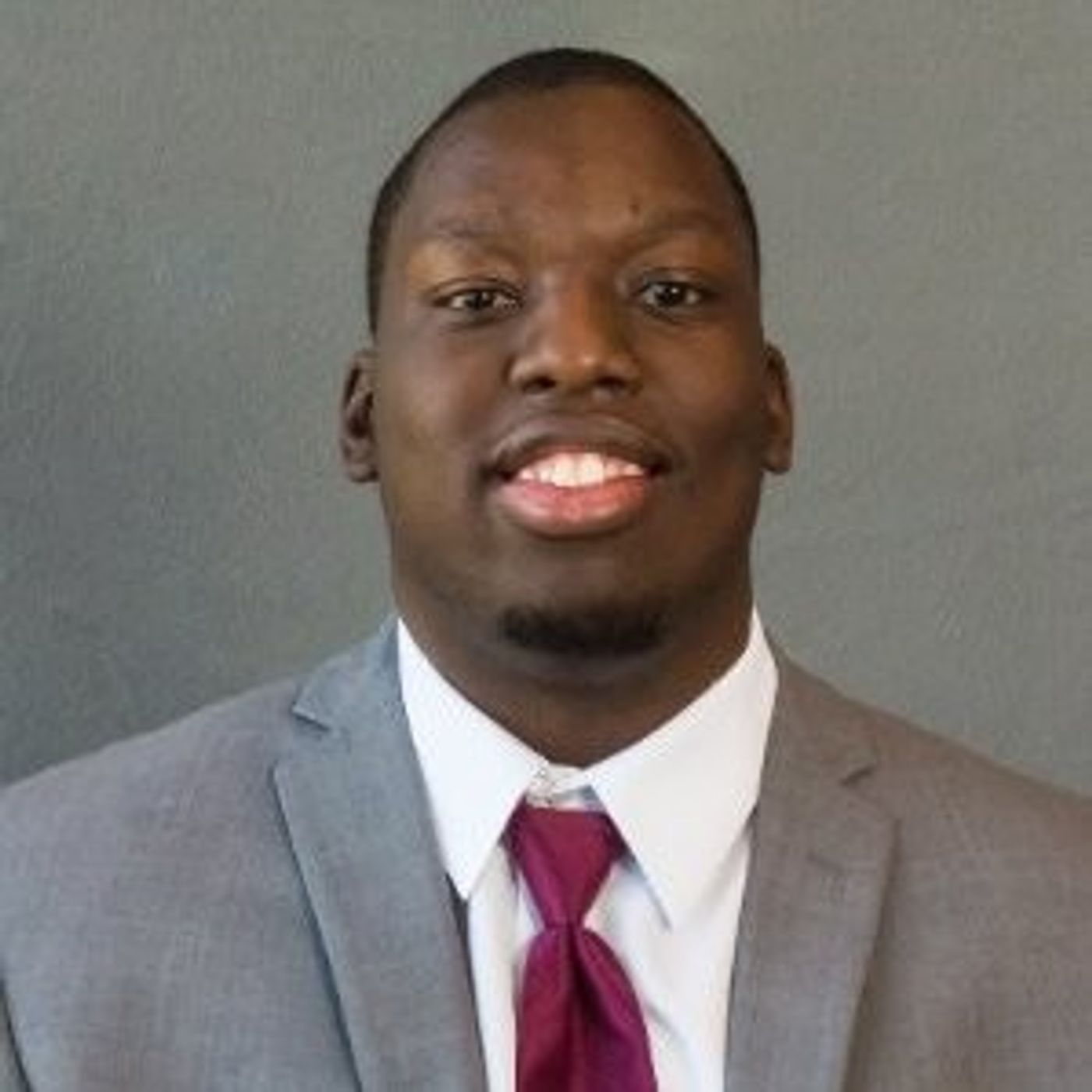
About Justin Anderson writes dark fantasy folklore as J. Vaelorin. He is a network engineer by day and the solo founder of VaelorinVerse LLC, a transmedia universe and clinical-adjacent infrastructure built for people carrying what they cannot say out loud. His work has reached first responders, bereaved parents, caregivers, veterans, and people in addiction recovery. He developed the I/E Door framework, which names that grief and trauma processing has two doors and that externalization through story, ritual, or made object is the available door for many carriers when internalization is locked. Licensed clinicians including Kelly Sheets LPC-MHSP have engaged with the work as clinically aligned with narrative therapy. Justin is based in Muncie, Indiana, and is preparing to become a father of twins in late August 2026. Follow "https://substack.com/@jvaelorin https://vaelorinverse.com (main site) https://vaelorinverse.com/folklore (folklore catalog) https://vaelorinverse.com/safe-thread (the framework page) https://shop.vaelorinverse.com https://www.youtube.com/@JVaelorin @JVaelorin for all social media" Want to be a guest on Write or Die Show? Send Randi-Lee Bowslaugh a message on PodMatch, here: https://www.podmatch.com/hostdetailpreview/1625705973680x271582554008346080
Randi-Lee Bowslaugh: Hi everybody, welcome to the Right or Die Show. I'm your host, Randy Lee Boslaw. I don't know, it's bright and sunny here for me today. It was kind of bleh yesterday, so it's it's nice to have a bright and sunny, although it is like melty death hot out, which I'm actually still also okay with. So let's get all the boring stuff out of the way. What's boring in my life right now? Actually, you know what? I've got a complaint for for the world. ⁓ if you see somebody that has a ⁓ Don't tell them that they don't look disabled and they shouldn't have it, cause it's none of your damn business. That is my complaint for the world. Leave people in peace. You have no idea what they're doing. Some disabilities are every day, some are sometimes, and when they flare up they suck. ⁓ so just mind your own business, because that's yeah, it's it's not your problem. That that that's my that's my complaint for the world. So do better, people. Do better. ⁓ hit the like and subscribe button if you haven't already, because we always have so much fun here. And make sure that you are following on all the social medias and stuff because we have the movie in progress. ⁓ I'm gonna be talking about it every single week. So goodbye too soon. The movie is coming along. In fact, look at this gorgeous script over here. It's gorgeous and ginormous. Yeah, yeah, that's happening. ⁓ so the script, we have locked it in, we're good to go. We are working on storyboarding and of course looking for sponsors still. That's where all of you fabulous lovely people come in. Yay! ⁓ so on the website there are ways that you can support, and of course, we'll give shout-outs to everybody because we love you. ⁓ so go on over rbwriting.ca. There's a little thing that says movie. Really easy to find, right? Movie click. ⁓ and you can stay up to date with what's happening and of course help us out because it's coming along and I'm so excited. Anyways, enough rambling, because I do do that, especially to I'm like super wired today. almost like I've had a bajillion coffees, which I haven't because coffee is gross. Although I did have one like little bit of energy drink. Not like one of those those sugary ones, like a not sugary one. Anyways, I'm a little hyper today. I also had 12 hours of sleep last night because I was so tired and you can tell. Alright, let's welcome Justin Anderson or by his pen name, Jay ⁓ I'm gonna say it wrong. Vil ⁓ he just told me too. Valerin. ⁓ I said it wrong. Justin Anderson (J. Vaelorin): The law. Randi-Lee Bowslaugh: Valorin! I knew I was gonna say it wrong. ⁓ welcome. How are you? I am pretty good. Clearly I'm very hyper. I should have just went with your normal name because I knew I was gonna mess it up. Because he's like, ⁓ I don't care which one you use, and I'm like, cool, just use both. Ha ha ha. Shouldn't have. ⁓ so where are you visiting us from? Justin Anderson (J. Vaelorin): I'm doing well in you. visiting you from Muncie, Indiana. Randi-Lee Bowslaugh: How's the weather out that way? Justin Anderson (J. Vaelorin): ⁓ today ain't too bad. then like the day before we had like a r pretty bad storm and then before that, like you said, it's just been horribly hot. Randi-Lee Bowslaugh: Yeah, gr gross and sticky and at least here the humidity is horrible and it like slaps you in the face as soon as you walk outside. Yeah, yeah. You kinda like chew yeah, you like chew the air. Yeah, yeah. But you know what? I would take it over winter any day of the week. Justin Anderson (J. Vaelorin): Exactly. And then you get in your car. I'm right there with you. Randi-Lee Bowslaugh: So tell us a little bit about who Justin is. Justin Anderson (J. Vaelorin): Well, I am a network engineer, ⁓ by day, a father of two with twins on the way and a husband. yeah, the the twins was not Randi-Lee Bowslaugh: ⁓ my gosh, you're gonna have four? I feel I I feel like that's normally the case with twins, right? Are there twins running either side of y'all family? Justin Anderson (J. Vaelorin): Expecting one but not two. Well, apparently on her side, not mine. 'Cause I I wanted to know who had the twins when I found out we were having twins 'cause the the doctor kinda shocked me and he said it so casually. ⁓ yeah, y you're having twins. I'm like, wait a minute, what? pretty much Eddie was looking for a third. I was like, ⁓ no. Uhuh Randi-Lee Bowslaugh: Hold up, back it up. That's funny. Yeah, we t D no triblets, no triplets. ⁓ my gosh. That I couldn't even imagine. I singles for me, I'm good. ⁓ just babies are a lot of work. ⁓ we tease my sister in law that she will have twins if she ever has kids. ⁓ 'cause both of my in laws are twins. So she's got a real high probability there. Yeah. Justin Anderson (J. Vaelorin): ⁓ man. It it's exciting. Randi-Lee Bowslaugh: She can keep ⁓ though. We're done having kids over here. We got we got two, they're grown, we're done. Justin Anderson (J. Vaelorin): It's exciting but at the same time it's a whole different thought process 'cause you know, when you have the first one and then you have the second one, you like, I've been through this, I know what to do. I already got baby stuff that I may be able to reuse and you you go down that route and then I heard twins and I was like we don't ha yep, we don't have two of that. Randi-Lee Bowslaugh: Yeah. Now you need more baby stuff. Justin Anderson (J. Vaelorin): If we would need a double stroller because two strollers trying to push you just start doing the math and it's like, ⁓ my God, this is gonna be different. Randi-Lee Bowslaugh: Yeah. Mm-hmm. So everybody go to my baby the the baby shower registry thing and stirp my end. Justin Anderson (J. Vaelorin): Pretty much is what it feels like. Randi-Lee Bowslaugh: ⁓ my goodness. When are they due? Justin Anderson (J. Vaelorin): at the end of next month. So close. Yes. Randi-Lee Bowslaugh: ⁓ my gosh, that's soon Wow. You know what from 'cause I was pregnant through the summer way back when and it sucked. So yeah, at least she'll be not pregnant the whole summer. Justin Anderson (J. Vaelorin): Yeah, she's been pretty miserable. ⁓ she's been super hot. And she just like this is not what I wanted as far as to be pregnant 'cause ⁓ our first child together she was pregnant during it was during COVID but it was over the winter, so Randi-Lee Bowslaugh: Yeah. Yeah. Yeah. Yeah. ⁓ not so bad. Justin Anderson (J. Vaelorin): Exactly. Now it was horrible for me still because she froze me out. Like I don't and and I dealt I deal well with the cold 'cause I'm typically hot but ⁓ my gosh. I was shivering, had like three blankets. Randi-Lee Bowslaugh: Well you can always add more clothes on and w once you get down to the final layer you can't take your skin off. Justin Anderson (J. Vaelorin): Valid point, so yes. Randi-Lee Bowslaugh: ⁓ dear. Well, good for her. She's she'll be done soon enough. And then just gets the running around after them part. Justin Anderson (J. Vaelorin): Yes. Correct and the shift in more than likely vehicles 'cause we we've been looking and yeah, we talked about it and originally she was like, Yeah, I'm not a minivan mom and now we're looking like, Yep, minivan look good. Randi-Lee Bowslaugh: Yeah. Yeah, because there's gonna be way too many baby suits up in there now. And children. Yeah, yeah. I loved we bought a Ford Flex. ten years ago, went when they were out there. It is the best, like not minivan minivan, but they don't make them anymore. They're so hard to find now because they stopped making them. But everyone I've ever known who bought one loves them. Like they need to bring it back. It's so good. Justin Anderson (J. Vaelorin): Yep. That's why they're not gonna bring it back 'cause it's like, ⁓ well then you would wanna buy that and not buy anything else the rest of your life. Randi-Lee Bowslaugh: I know. Right? I t ours is still going. It's got over three hundred thousand kilometers on it. And it's still still trucking. Yeah, it's a lot. But Justin Anderson (J. Vaelorin): ⁓ man. Yeah, you don't find vehicles like that anymore. Randi-Lee Bowslaugh: My husband's a mechanic though, so sometimes he just makes stuff do and he's like, I wouldn't do this for a customer, but that's all right. We're just gonna we're just gonna get this doing. Everything is safe, but yeah, yeah. Justin Anderson (J. Vaelorin): that's the best way to be when you can you you can do that to your own stuff but other people's stuff. It's like, ⁓ I wouldn't do this for you but yeah, I would have just made that work. Randi-Lee Bowslaugh: Yeah. Exactly. alright. Well I guess we should actually get to the topics at hand here. ⁓ so you know on the show we like to talk about mental health and all that fun stuff that goes along with it. ⁓ I always like to say you start your story wherever is gonna make the most sense for you, and I'm just gonna randomly interrupt you when I have a question. Justin Anderson (J. Vaelorin): All right. That sounds pretty simple. well my story kinda starts with I decided I needed a side hustle as most people do nowadays. And Exactly. I was like, yeah, I probably could use extra money and Randi-Lee Bowslaugh: Yeah. Well, especially with twins on the way. Yeah. Justin Anderson (J. Vaelorin): I've been riding for twenty plus years. I've never did like the writing classes or courses or anything, but I've just always been riding and I was like, Well, I'm pretty good at writing and I seen the tru you know, pretty much a trend that was going on and that was like the systems trend where they have the system and it gives them some kind of superpower and everybody else. I was like, I could do this. And I sat down, started writing, was like, okay, four friends, four swords, go kill the demon king, simple story, simple turnout. And as I started writing, I noticed that, huh, my characters are not action type characters. This isn't like the, you know, cool, non speaking character. My character Randi-Lee Bowslaugh: Yeah. Justin Anderson (J. Vaelorin): seems to be troubled and they're not dealing with grief or dealing with their own mental health in a very healthy manner. And the more that I wrote, the more that I realized this this is me internally. This is what I'm feeling Randi-Lee Bowslaugh: ⁓ no. Your character is what? What? Isn't that shocking how that happens? You don't think a character is you, and you're like, ⁓ no, this character is me. Damn it. Justin Anderson (J. Vaelorin): It is. And it was eye opening because as I continue to write the characters, I realize a lot of this were things that I thought I've dealt with over my life over the last eighteen years. ⁓ when I was in high school, tenth grade, I lost my grand well, my grandmother was diagnosed with stage four colon cancer. And that was my first real experience with Randi-Lee Bowslaugh: What kind of things? Ooh. Justin Anderson (J. Vaelorin): death or anyone in the process of dying. I've had family members pass, but no one that I seen on a daily basis that I knew and really, really was close to on that level. So it really impacted me over the next couple of years 'cause she passed away my twelfth grade year, first semester. And yeah, she was the first person to hold me in the world. Randi-Lee Bowslaugh: Yeah. ⁓ my. Were you guys really close? Justin Anderson (J. Vaelorin): And it's it was definitely impactful for me in a way of I didn't know how to be how to grieve. ⁓ during the time, you know, the stereotype for males, you don't cry, men aren't vulnerable, you know, toughen up and Randi-Lee Bowslaugh: So sweet. Mm-hmm. Yeah. Mm-hmm. Justin Anderson (J. Vaelorin): that was the society and environment I grew up in. So for me it was I didn't know how to handle those emotions. I'm very I'm a very emotionally deep person and empathetic, like my mother. So those two things are very polar opposite of what I should be and how I am. So Randi-Lee Bowslaugh: Mm. Okay. Okay. Justin Anderson (J. Vaelorin): Yep, I felt myself just extremely angry because anger's allowed, you know, as a male. Randi-Lee Bowslaugh: Yeah, men can be angry, yep. Justin Anderson (J. Vaelorin): But you're not allowed to cry. So I was just so angry all the time because of the fact I wasn't able to really deal with those emotions and that led to me kind of blocking any type of ability to express those emotions. I wasn't at the point of talking about it in you know first person, so in I ⁓ Randi-Lee Bowslaugh: Okay, yeah. Justin Anderson (J. Vaelorin): I I use the i normally to make it simple for people, I use the phrasing, you know, grief has two doors. It has a I door and a E door, so internal and externalization. And I wasn't able to go through the I door. I wasn't able to say I'm sad, I'm hurting, I've lost someone I loved. And I was trying to go through that door And that made it where I experienced writer block during that time. I couldn't write poetry. I couldn't do anything because that just how I I couldn't process it that way. ⁓ so fast forward I appreciate it. ⁓ so fast forward eighteen years later and when I'm writing this story and everything started to come out and I'm realizing this is tying back to Randi-Lee Bowslaugh: Mm. I like that, the two doors. Justin Anderson (J. Vaelorin): my grandmother's loss, I realized that why it was flowing out like you know, almost like a dam breaking was I felt my way through I stumbled through another door which is externalization. I was externalizing what I was feeling internally onto my characters. And that made me be able to process that. My characters Randi-Lee Bowslaugh: Mm-hmm. Justin Anderson (J. Vaelorin): Finchin, which is similar to me, he feels very deeply. He feels other people's emotions. He doesn't deal with his own personal emotions well. And my character started to become these really deep characters where I can see my environment and my life affect and build them. They started taking on mental illnesses and Randi-Lee Bowslaugh: Yeah. Justin Anderson (J. Vaelorin): mental illness became well mental health became the core magic system of the world in when you handle your mental health in a proper way, your thread, which is your soul in my world, will will heal and you can basically kind of repair yourself. So mental your magic in your mental health is a balancing act. If you are doing things, suppressing things, not Randi-Lee Bowslaugh: Yeah. Okay. Yeah. Justin Anderson (J. Vaelorin): handling, you know, stress, you're dealing with maybe survivor skill and things and you're blaming yourself, your thread against the fray. And it makes it harder to deal with your magic. It makes you more susceptible to ⁓ the hollow born in my world, which are the closest things to monsters. They're a manifestation of grief and trauma that bleeds back into the world because the cycle of life and death. Randi-Lee Bowslaugh: Hmm. Okay. Mm. Kinda sounds like they don't have a soul. Like hollow born, right? Like you're hollow, so you don't have a soul. Justin Anderson (J. Vaelorin): It would yeah, it would be similar. Exactly. And the I I wanted my world to be to function kind of a as a representation of how mental health really works, not just the way that we see it on T V and media, where it's like, there's this mental health piece here and then all of a sudden Randi-Lee Bowslaugh: Mm. Mm-hmm. Justin Anderson (J. Vaelorin): now that the plot moved forward and it did what it needed to do, you forget about it. So Randi-Lee Bowslaugh: What do you mean that's not how real life works? We totally just have a plot move forward and then we're no longer depressed or grieving or anxious or whatever. Justin Anderson (J. Vaelorin): Yeah. Exactly. It's amazing how that just disappears. And that became kind of the soul of the writing, which also that I found tied into my mother's 'cause she spent thirty plus years working as a case manager for, you know, ⁓ mental health ⁓ facility in Randi-Lee Bowslaugh: Oops. Okay, so it was always sort of in your home but I mean even even still back in back in the day, men still weren't allowed to cry. So even then even though it was in your home it was still stereotypical in a sense. Okay. Justin Anderson (J. Vaelorin): Exactly. And while my mom may have understood, you know, what was going on the males around me and I didn't really have male role models, so I I mean just the males out in society, I do have a brother and but no father figure. Randi-Lee Bowslaugh: Okay. Okay. Justin Anderson (J. Vaelorin): But all of them still it was that same perpetuation of that stereotype of you don't cry, you're not vulnerable and you embody that and you don't realize it sometimes and I didn't realize that I embodied my mother's philosophies on mental health where she taught me you don't really know Randi-Lee Bowslaugh: Yeah. Justin Anderson (J. Vaelorin): you wouldn't know this person necessarily had a mental illness unless they're not able to during that time they're having, you know, a bad time. If they're managing it, they're just like another person. And Randi-Lee Bowslaugh: Yes. You'd never know. Yes. I I feel like I'd get along with ya mum. Justin Anderson (J. Vaelorin): ⁓ I'm sure you would. My mother she taught me so much ⁓ in my first lesson, which you know, is it's one of those where it's embarrassing when you get older and you think back on it, but but it really did shape me. ⁓ I had a friend, and his cousin was mildly autistic. And if you Randi-Lee Bowslaugh: Mm-hmm. Ooh, I wanna hear it now. Justin Anderson (J. Vaelorin): Grew up in the nineties and before you know that when they showed mental health, it was always depicted in a very, very horrible stereotype way. Normally like drooling, straight jackets, like non functional. And I was extremely a competitive child. So when I found that out, I was like, Well, I don't want him on my kickball team. I don't want to lose. And not Randi-Lee Bowslaugh: Yeah. Yeah. Justin Anderson (J. Vaelorin): understanding, you know, what it was because I'm going by what I seen on s ⁓ the media, T V, not not the internet, but T V because ⁓ maybe dating myself but we wasn't you know, there wasn't TikTok. Randi-Lee Bowslaugh: Of course, yeah. Right. Us nineteen hundreds babies. We didn't have the internet so accessibly ready. Justin Anderson (J. Vaelorin): So I didn't want him on my team and this made me and my friend fall out, rightfully so. And my mother pulled me to the side and she asked me what happened when I explained. She was like, So what difference does that make? I'm like, Well well, I don't wanna lose. He's gonna be like she's like, You don't you wouldn't even probably know and that doesn't mean that he can't play kickball. That doesn't mean that he can't function. That just means that you may have to interact with him slightly differently because what stimulates him and how he may react to the things may be different from you, but that doesn't mean he's he's any less human or anything or he's any less valuable than you are. And she talked to me and made me apologize. Exactly. Which helped to repair that relationship and Randi-Lee Bowslaugh: I s rightfully so. Justin Anderson (J. Vaelorin): It taught me a lot. Now it also taught me a very valuable lesson. He was not on my kickball team even after we replaced it. 'Cause you know there's still that moment of well, I accept your apology, but this still burnt, you know, somewhat. Randi-Lee Bowslaugh: Right. Yeah. It's like when people go, No offense, but mm, but you know it's gonna offend. That's why you're saying no offense. So maybe just psh Justin Anderson (J. Vaelorin): Yes. Exactly. And I wanna note the fact, ⁓ he kicked my tail. He he was a amazing kickball player. So Randi-Lee Bowslaugh: I was kinda like not not that I wanted you to to not do well, but like you kinda deserved it. Justin Anderson (J. Vaelorin): I I did. And he did. He was a amazing kickball player. So I learned that lesson early on and that shaped how I started interacting later on and what I believed and it made me that you know, when people pass judgment I'm like, Yeah, let's not do that because you you don't really know. and that shows a lot in my story because Randi-Lee Bowslaugh: Yeah. Justin Anderson (J. Vaelorin): All my characters, so one of my characters they have abandonment issues, one has survivor's guilt, one has PTSD, and they're all dealing with different mental health. Now when I bring this up because a lot of times when people think of mental health, they always pull to the extreme and they go to okay, PTSD, you know, cowering, hiding under the table, streaming. Randi-Lee Bowslaugh: Yes. Justin Anderson (J. Vaelorin): And they always skip the real little subtle things like whatever triggered that or caused it, maybe he doesn't touch something with his left hand. Randi-Lee Bowslaugh: Where'd you go? Okay, go back a little bit 'cause you cut out ⁓ the real little subtle things. Justin Anderson (J. Vaelorin): Yeah, the real little subtle thing, so maybe he doesn't touch something with his left hand at all. Maybe whenever he reach for you, he he switches, he'll pause and then touch you with his right hand because there's some guilt under there for whatever happened in his past that's related to his left hand. Maybe when he goes to say certain words, he finds himself stumbling depending on what it is. or what it involves with and he has to learn to route his language around it. Different little things really bring out the realness of mental illness and the realness of your characters in Randi-Lee Bowslaugh: Yes. And we can rent like As readers, I feel like anyways, and maybe that's just because I live with mental illness, ⁓ we relate to them and I feel like it makes the story better when the characters are real. Like I'm all for I mean, I'm reading some vampire smut right now, and I'm all for you know, characters that are wild, but it brings the reality when the backstory is something that has left them with some kind of mark of trauma or anxiety or something, and that plays through the book. I I really like that with characters. Justin Anderson (J. Vaelorin): And I think it's important when you're doing that to do it correctly. And my goal is I look at it like this and this is the way I try to explain my writing process when I look at it. I want my story to be like a person. So if you're looking at it like a person, the world building would be the body. And Randi-Lee Bowslaugh: Yes. Okay. Justin Anderson (J. Vaelorin): You can look at the body and it's like there's all this amazing world to look at and explore and then the underclothes would be mental health, where it's there, it's something that you can see, but only once you strip past the outer layer, which is the dark fantasy. And my hope is for people to read it and someone like me, you or therapist or who knows about mental health may read this character and be like ⁓ this character has ⁓ man, this character has survival skill. This character has this mental illness and you can see it. And those who aren't familiar with it, it reads like a dark fantasy. But it opens a door for this conversation for people to be able to utilize these characters to now explain what they're feeling internally, externally, instead of having to say Randi-Lee Bowslaugh: Okay. Yes. Justin Anderson (J. Vaelorin): Well, I I feel this way in trying to get someone to understand your mental illness and how you function, you can say, Hey, did you read that story? You know this character? Yeah, they went through this, this and this. Well, that's how depression works. That's how I work. This is how I think and you can Randi-Lee Bowslaugh: Mm. I think it really helps open up the conversation, for sure. Cause like not that it wasn't always existing, but we weren't as as prone to to talk about it and obviously then add it into our text of books, right? So opening up that conversation is huge. And especially I find when we have the Justin Anderson (J. Vaelorin): Exactly. Randi-Lee Bowslaugh: the background as in we've lived it in some regard, it it makes it more real. And then even if we're reading Sierra Dark Fantasy, ⁓ or Vampire's Mott, you can not only relate to the character, but Justin Anderson (J. Vaelorin): Yeah. Randi-Lee Bowslaugh: then if you like the book, you follow the author and you're like, ⁓ the author has personal experience and then to me it just you connect with it more and of course then you wanna keep staying with whatever that author's writing. Justin Anderson (J. Vaelorin): And then you learn more and by the end of it you've learnt so much about others and can maybe explain yourself better because it's a process and what you know, I talk to people and I've I'm in therapy and I've had therapists I didn't like and I have a therapist I do like right now. Randi-Lee Bowslaugh: Ja. Doch ja. Mm-hmm. So that's that's a big topic. I mean, we've we've definitely talked about it a ton on the show. There's gonna be ones that you don't connect with, and there's gonna be ones that are fantastic. No one therapist is good across the board for every single person out there. So don't give up. If you find a bad one, that's okay. Go find a good one. Don't give up on them. They're good. So ⁓ yeah. Justin Anderson (J. Vaelorin): Yes. And the bigger thing I found out is when people think of therapy, they think of therapy as this one term that incorporates all therapists. So all therapists practice therapy. And the truth is there's many different frameworks. There's C B T, ACT, IFS, narrative therapy. ⁓ Randi-Lee Bowslaugh: Yes. A C T, I don't know that one. Justin Anderson (J. Vaelorin): Action cognitive therapy, I think it is, if I re in all of these handle and puts you at a different starting point. ⁓ CBT was the original one I started with and that didn't work for me, but it also starts with a lot of being able to talk about yourself in I Randi-Lee Bowslaugh: Mm. Justin Anderson (J. Vaelorin): you know, how I feel, I feel this way. I found myself ⁓ leaning more towards narrative therapy and internal family systems, IFS, which does a lot of externalization, starting out reauthoring your own story, taking your story and looking at it from a distance. So removing yourself from the story and then looking at that, you know, issue that you're having. And Randi-Lee Bowslaugh: Yeah. Okay. Justin Anderson (J. Vaelorin): that's that works for me. and this is why I think it's important to let people know when looking at therapy, you are looking at a therapist you can get along with, which is one aspect, but also you may you need to look at what framework and maybe do a little bit of asking or Randi-Lee Bowslaugh: that one. Justin Anderson (J. Vaelorin): research into that because you may not like one thing but this other framework combined with a therapist may be perfect for you like what I found. And that that's a really, really big thing, I believe for people. Randi-Lee Bowslaugh: Yeah. Yeah, no, that's fantastic. Like I I always talk about different ones, but that's great because these you said ones I'd never even heard of. So Yes. Love it. ⁓ yeah. No, no, the floor is yours. Justin Anderson (J. Vaelorin): And Yep, go ahead. ⁓ What I've also try to help people understand 'cause I've I've listened to a lot of people talk about their dislike of therapy and I understand kinda in some cases where the uncomfortableness comes from and ⁓ I look at it as number one, a lot of people don't know that you can just choose different therapists, that you don't have to just stick with that one. Randi-Lee Bowslaugh: Well, well, well. ⁓ Justin Anderson (J. Vaelorin): then there's they don't understand that there's frameworks, which means that the way the TEP therapist teaches you and interacts with you to help you understand yourself, there's different types that may be for you or not for you. But the other two things I've learnt and I understand why therapy can kinda turn people off is when you you look at it, there's a language barrier there. And when I talk to you, I can sit here and say, Hey, I'm sad. I feel down. I'm not happy. I'm hurting. And you will understand that and be like, Okay, well, you know, maybe things will get better, ask me what happened. You will interact with that. I go to a therapist and I have this same conversation. I come out with labels and stigma attached Randi-Lee Bowslaugh: Yeah. Mm. Justin Anderson (J. Vaelorin): now I have depression. I have, you know, I may manic. Randi-Lee Bowslaugh: Yeah, before I went in I wasn't sick. Now I'm sick. Okay. Justin Anderson (J. Vaelorin): Exactly. It it and it's that mindset. And now if I come to you and I say, Well, hey, you know, I have seasonal depression with a side of psychosis and schizoaffective man manic Randi-Lee Bowslaugh: A sign up. Yeah. Justin Anderson (J. Vaelorin): It's a completely different feeling. If you know about it, you're like, ⁓ and you may be like, Wow, but you still understand what that means for some people saying that it's like, ⁓ you're crazy. ⁓ now they're judging you, they're looking at you differently and who who wants to feel judged or looked at in that manner. Randi-Lee Bowslaugh: Right? Exactly. Yeah. Well, I know when you said language barriers, like, okay, hold on. Hold on, I gotta follow this, but that makes sense, right? It's the same it's the same kind of thing sometimes you don't go to the doctor because I feel fine right now. As soon as I go to the doctor and they tell me my blood sugar is high or my cholesterol something, then there's a problem. It's it's the s same thing. Except h here's the thing. The problem already exists. They're just giving it a term. Justin Anderson (J. Vaelorin): Yeah. Exactly. And Correct. And then the other portion that makes people I feel dislike it is I call it the sanitized room concept when I explain it. So out in the world the world's dirty. Think of it like a dirty room. So right now if I was to tell you something crazy like ⁓ before our show I went down the street and kicked four dogs. I may not feel that bad telling you that because if I went and Googled I can find people who did worse things to dogs or worse things. So it's like my dirt compared to the other dirt is still Randi-Lee Bowslaugh: ⁓ Where'd you go? Okay, hold on, hold on. You cut out right after you said I might kick some dogs, so I feel like we gotta go back a little bit. Justin Anderson (J. Vaelorin): is a sanitized room. So I look at the outside world like a dirty room. And again, if I was to say that I kicked some dogs before our show started, it's horrible sounding, but if we were to Google something, we can find someone who did the same or worse. So Randi-Lee Bowslaugh: ⁓ I see what you're saying. Okay. Justin Anderson (J. Vaelorin): it it kinda makes you not feel as bad ex saying something negative or saying something bad about yourself. And this allows people to sit there and you may tell your friends all the dirty secrets and everything. Exactly. Randi-Lee Bowslaugh: Gotta spill the tea. Justin Anderson (J. Vaelorin): But now you go into a therapist's office, they can't make that room dirty. It's like clean. You don't know anything negative about them and you feel like all your dirt, you're just looking behind like, I'm tracking mud and all this filth of myself into this room. Randi-Lee Bowslaugh: Yeah. The one day in therapy I asked my therapist, How many boxes of tissues do you go through a week? 'Cause like I always in there bawlin' eyes out, using half a box on my own. She goes, ⁓ not even a whole one. I'm like Then what is everyone else doing? Or she would s or the other thing she would say is always, Thank you for being so honest. I'm like, Well, I'm paying you a lot of money. I really don't wanna lie But I guess I guess some people are still hiding stuff even when you're you're paying lots of money. I'm like, the the faster I can talk to you honestly, the faster I can keep my money. Justin Anderson (J. Vaelorin): Interactive. Exactly. And that what you just said talking to that person being honest is where this concept really pulls together because you go in and you're looking at all the dirt you're tracking in. Well, you become subcont ⁓ self conscious about that. So now I may came in and been like, Ooh, I'm not gonna tell her I kicked four dogs 'cause that sounds really horrible now. Maybe I'll t maybe I'll lie and I'll say two. Ooh, two still sounds bad. Now I want to clean it up a little more. I tripped over the dog. I tripped over the dog. I didn't kick it. I tripped over it. And it and it yelled. Okay, that sounds okay enough to where they won't judge me. Randi-Lee Bowslaugh: Stop kicking the dogs. Justin Anderson (J. Vaelorin): But I can also talk about my problem somewhat. But the issue is you're not working on the actual issue you came there for. Now you move the goalposts and now you're working through a completely different issue that really isn't your issue, you know, in You need to work on what you truly need to work on and make any progress. So you leave the therapist's office now and you're like, Well, the therapist didn't do nothing for me. Well no, because you were working on a completely different issue than what you really have. ⁓ me going around kicking dogs means I probably need to be locked up. And I need to be locked up. That's it, Randi-Lee Bowslaugh: Yeah. Okay, I get it. Stop kicking the damn dog. Yeah ⁓ my goodness. Yep. I I like that. I've never heard it said like the clean room thing, but that makes total sense to me. Justin Anderson (J. Vaelorin): But And and that's where I I've looked for language because as I listen and I talk to people in some of my writing I write small folklores and I I witness what other people are feeling and then I turn that into a story in some cases and This is where acknowledging and seeing how they interact, how they feel about therapy, how they feel about certain things has made me re think about how do I look at this? Why is this different for me or is this the same for me? ⁓ and one of the things that I did kind of as an experiment but also because my world I ended up finding out ties in almost a one for one in certain cases with narrative therapy. I created like a journal to see could this work this way. So using the lore for my world, I can explain how I feel And then I made I coded it to where you can export it out in those different frameworks for your therapists. and what I'm hoping to do is to get the actual frameworks checked by legit therapists. So it's n it's something you can use, but it's not it's not a therapy approved yet. I'm working on building those partnerships, but Randi-Lee Bowslaugh: ⁓ that's so neat. Yeah. Which is so cool. Justin Anderson (J. Vaelorin): That's where I'm hoping it could reduce that friction because for some people the other friction is if I go to a therapist and I tell you my trauma and we don't work out, I have to go to a new one and relive that trauma again in a new one. And you gotta keep doing that until you finally find one to where you can work through that and with Randi-Lee Bowslaugh: yeah. Which sucks. Justin Anderson (J. Vaelorin): if I can get enough behind it and find the right therapist to validate it, well, the journal would work in a way of you build the journal in, okay, well, let's say CBT didn't work for you. Well, you just export that journal out into IFS or narrative therapy and it rewrites it into the frame that they use so they still understand it because this is what they do. and you tell your story once and just add to it, it's almost like giving a resume to therapists as a Randi-Lee Bowslaugh: Mm. Which is so nice. I mean, w when it comes to like autism, 'cause I did Something sort of similar. ⁓ it was a nonfiction book though. ⁓ about getting my kid diagnosed. At the end I did resources where it was like, Yeah, you're gonna have to tell five different doctors the same thing. And so, you know, write it all down here so that you have, yeah, basically like a resume. Here you go, here you go. And you don't have to keep repeating yourself. That's that's a good idea for mental illness too, for therapists. Justin Anderson (J. Vaelorin): You pause for a moment. I heard write it all down here and then Randi-Lee Bowslaugh: ⁓ yeah, write it all down and then it's na it's easy to give to the doctor or the therapist. I love that idea. Justin Anderson (J. Vaelorin): And did that was that something that people really like liked about your book and liked about the advice? Randi-Lee Bowslaugh: I did get some good comments because when you're new to the world of a child with a disability, you have no idea what you're doing. You don't know what facts are important. Like they would ask things like, What was the first time she held a spoon? I'm like, I don't know Right? So then having it all written down, easily accessible to be able to give out when the next doctor asked and the next doctor asked, it was yeah, it it got some good feedback on that. Justin Anderson (J. Vaelorin): the thought because it it does, it makes it easier on you as well in the part that I look at where I wanted to make sure since my like I said, my lore aligns with therapeutic terms in some ways, is that it also the wording can reduce the stigma feel. So instead of saying I have depression, you know Randi-Lee Bowslaugh: Yes. Justin Anderson (J. Vaelorin): As you were saying earlier, you know, I feel hollow. Now you understand what that means, but it still feels different and if I you were to tell just someone out in the world, they'd be like, ⁓ you feel hollow? ⁓ well, you feel sad. They can understand that as opposed to depression and there's a different kind of judge that that comes with the concept of either Randi-Lee Bowslaugh: Mm. I like that. Justin Anderson (J. Vaelorin): people don't understand how depression really works. Some of ⁓ think it means you're just really sad versus a mental illness or some think you have a mental illness and it's a different Randi-Lee Bowslaugh: Well and even hollow describes it differently and it ex it the describes it better because just saying you're sad you might be sad, but that is not what depression is. Like I mean obviously I'm talking from personal experience, but like the hollow word describes it much better than saying sad. Yeah. Justin Anderson (J. Vaelorin): Correct. And that also has helped me be able to explain it to my family and my wife better because for people who don't have it, it they have a hard time understanding how much depression can affect your mind. and I was talking with my wife and I was like, While I'm sitting here and I'm managed Randi-Lee Bowslaugh: No. Mm-hmm. Justin Anderson (J. Vaelorin): I understand you love me. I understand the children love me. I very much know that. But when I'm really depressed and I don't know about others, but I've kinda gotten to the point where I I I can feel where how bad I am by how my thoughts work because when I'm sad, I'm sad. When I'm starting not to want to get out of bed and I'm losing interest, that's getting pretty bad. Randi-Lee Bowslaugh: Yeah. Mm-hmm. Justin Anderson (J. Vaelorin): And then I hit this point where I call like passive, unaliving thoughts. It's not that I wanna act on it, but I'm okay if it happens. Like if you're driving and someone was a hit you, it's like, ⁓ if they just ran me off the road, I'd be fine with it. Randi-Lee Bowslaugh: Okay, yeah. I like that terminology. Cause I had a lot of those. I've had a lot of straight up ones. ⁓ but the passive ones happen more frequently than the than the direct ones. Mm-hmm. I like that passive. Justin Anderson (J. Vaelorin): Yeah. Correct. And then the next state for me are the direct ones where I'm now actively thinking, what can I do to act this out, which means that I'm at the worst as I can be. And it it kinda helps me understand I need you wanna reach out before you ever get to that acting point. So once I start looking and I'm not reacting the same way where a semi kinda swerves toward me and I would normally be like, ⁓ whoa I'm just like, Well, I'd have been okay with it. I'm like, okay, I need to something needs to be done And explaining to her, you know, she was like, But you know we love you. Why would you want to be out of our lives? And I was like, Well Randi-Lee Bowslaugh: Yeah. Yeah. Yeah. Justin Anderson (J. Vaelorin): As a male, a lot of times we're told our value is in what we provide in the protection. So for me, the equivalent exchange there was my life insurance take care of them, it protects them. So why do why am I needed? And she couldn't understand how could I know she loves me and the children love me, but also think at the same time na'say good. Randi-Lee Bowslaugh: No, no. Huh. Okay. Yep, that makes sense. Justin Anderson (J. Vaelorin): replacement. It's not, but in that moment it feels like it is in Randi-Lee Bowslaugh: We have this really cool piece of merch on our merch store. ⁓ yeah, I'm just saying, go buy it. and my kid drew the picture. It's very cute. It's it's a dinosaur with a train coming out of its head, and it's don't believe everything you think. Justin Anderson (J. Vaelorin): Yes. And that is completely correct. It is. And explaining people that you understand your brain is lying, but you still are acting on that lie is really hard. And this is where my folklore has kind of helped being able to write because it's not Randi-Lee Bowslaugh: Yeah. Yeah. Your brain's a liar. It's hard. Yeah. Justin Anderson (J. Vaelorin): you know, since it's fantasy, you can do a lot of playing around with the words and allowing people to read it and they're like, I understand what this character is feeling. This is how I feel internally. This you know, you can kind of make that correlation to help bridge that gap of understanding and Randi-Lee Bowslaugh: Yes. Justin Anderson (J. Vaelorin): So that's where a lot of my work has kind of focused. ⁓ I've written pieces. I'm actually writing a piece for a podcast that I went on that was about ⁓ infertility and loss of, you know, children. using the terminology of a tapestry and a missing thread from it. And Randi-Lee Bowslaugh: Yeah. Okay. Justin Anderson (J. Vaelorin): you know, it kinda talks about the woman working on this tapestry for nine months and how beautiful it was going to be and how she decorates the room around it and everything until that thread in the tapestry is missing. And one of the things that really stuck with me about that podcast was on another podcast she talked about how the thing that hurt the most is the people who interacted with her, not because they were saying necessarily anything mean, but they would ask, Well, is this your first child? Well, how do I answer that? I I had a Randi-Lee Bowslaugh: ⁓ I have I've heard that before. Yeah. Justin Anderson (J. Vaelorin): Yes. So and then they don't understand and then for some of ⁓ it's like, well, well that really you didn't have that child, so you can have another one, right? And it's not that they're meaning to be mean, but understanding that words they do carry a lot of weight and a lot of impact. And a lot of time what people are wanting is to be seen or I say witness not I don't want you to fix me but just listen. Randi-Lee Bowslaugh: Yeah, I like to say you just kind of sit in the shit with me. I don't need you to fix it. I don't need your advice. Just just sit right here and acknowledge the fact that this sucks. Yeah. Justin Anderson (J. Vaelorin): Yes. Exactly. And that is what people have the most trouble doing because it's uncomfortable. It's uncomfortable to sit with someone and see the pain and be like, I'm not going to try to fix it. I'm not going to try to give you this toxic positivity or this dark humor or none of this. I'm just going to sit here with you Randi-Lee Bowslaugh: Very. Mm. Justin Anderson (J. Vaelorin): And when you cry or when you are speaking to me about very vulnerably, sit there with you in it and not rush you to get fixed, not rush you to feel better, but just sit and witness it. Randi-Lee Bowslaugh: Yeah. Yeah. Yeah, I love that. we are getting close to the end. I like that. Sit and witness it. I've I take quotes from everybody. Excellent, excellent. I love it. so we're getting close to the end now, and you've said tons of good things, obviously. so what would be a piece of wisdom that you would go to that bled that you would tell someone Justin Anderson (J. Vaelorin): Yeah. Randi-Lee Bowslaugh: Who is having passive thoughts? Justin Anderson (J. Vaelorin): First thing I would tell someone who's having passive thoughts is, number one, you're forged, you're not broken and I say that in the context because it's easy to feel like you're a problem or there's something wrong with you when you get that low. ⁓ the next thing I would say it Randi-Lee Bowslaugh: Hold on, hold on. You cut out so in the context because it's ease Justin Anderson (J. Vaelorin): It's easy to say I'm broken or I'm the problem when you're that depressed. And feeling like you're the problem or you're broken is where I feel it becomes dangerous because you feel the fix is remove the problem a lot of times or remove the broken piece. And so I would say you're forged, not broken. And if you are having those thoughts, I feel Randi-Lee Bowslaugh: Okay. Yep. Justin Anderson (J. Vaelorin): Find someone or something that can help you get those thoughts out and either externalize it or if you work internally, work internally, but have someone that you can trust and have something and for some people it may be animal, it may be music, writing, therapist, loved one. There's a lot of different options. for me Randi-Lee Bowslaugh: Yeah. Justin Anderson (J. Vaelorin): I even got on my website I call it Whispers of the Veil and if you're having dark thoughts, you can go there and release them into the veil and see that you're not the only one with these negative thoughts on there because there's other people negative thoughts floating. So you're not by yourself even in your darkest of times. ⁓ Randi-Lee Bowslaugh: That is good. Justin Anderson (J. Vaelorin): And the last thing I would leave you with is ⁓ kind of a quote from my mentor, Natasha. ⁓ she helped me learn about my business and things from Nar Creative. She says that we are normally walking in parallel with someone, which means while you feel like you're just walking in this shit storm by yourself. If you were to ever look over to your left or your right, there's someone walking that same shit storm with you and you you don't see it because you're looking forward and you're focused on yourself. But you're not alone. You are in parallel with someone and sometimes that may be what it takes just to realize that you aren't alone in something and that could really change your view. Randi-Lee Bowslaugh: ⁓ I like that. Yeah. Mm, I like that. Alright. Well, goodbye. No. ⁓ now is the time to promote. I mean you ha we've mentioned your book a few times. ⁓ we know that it's dark fantasy, but what is the what is the title? Where are people gonna buy it? Justin Anderson (J. Vaelorin): Well, I like to talk about all of this just because my book is currently a work in progress. It is called Shadow Sword. It is a work in progress, but I do have folklore for people who are carrying invisible weight. So whether you are looking at a occupation of firefighters, I have a burning guilt that are that's for a firefighter. I have the lost thread coming for mothers who may have lost children. I have the weight beneath the ice coming. So there's Randi-Lee Bowslaugh: Where do people read that? Is that just like on your website or? Okay. Justin Anderson (J. Vaelorin): Yes. It's all free. It's on my website. ⁓ I'm on Valoranverse dot com. So V A E L O O R I N V E R S E dot com. They're all free. I pay to get them voiced by voice actors, which is ⁓ Randi-Lee Bowslaugh: ⁓ cool. Justin Anderson (J. Vaelorin): You know, it's a little bit slower but the folk were up to read, but then there are some that are voice and it does make a very powerful difference for ⁓ the pieces. Again, there's a memorial wall if you've lost someone, child, loved one, animal, service member, whisperer the veil, again for those who have negative thoughts they wanna release. And then Randi-Lee Bowslaugh: That's all right. I believe it. That's so sweet. Justin Anderson (J. Vaelorin): There's the thread journal, which is what we were talking about earlier where so I try to make products just for you know, just for people to make people lives better as I'm writing this book. Randi-Lee Bowslaugh: Yes. I love that. That is I mean, that is so kind. ⁓ so yeah, everybody go check out the website 'cause that's where all the good stuff's gonna be. And are you on some social media so we can follow along? Justin Anderson (J. Vaelorin): Yes, I am on pretty much every social media at J Valoran. Yeah, I was trying ⁓ all out, but I'm I'm most active right now on YouTube, TikTok, ⁓ Substack are the three that I'm most active on. I'm picking up some presents on Instagram and ⁓ Blue Sky again and Facebook. Randi-Lee Bowslaugh: Ha ha ha. We heard we heard up to substack. Justin Anderson (J. Vaelorin): So yeah, I'm pretty much on every social media, but I'm most active on TikTok, YouTube and Substack right now at J Velore. Randi-Lee Bowslaugh: ⁓ okay, okay. Alright, perfect. So everybody go follow because it sounds like not only is this book coming along and gonna be fabulous, but there's good stuff already. Justin Anderson (J. Vaelorin): Yes, and I've had actually a couple of therapists that have backed the concepts of what I'm doing that it can be used in a therapeutic manner. So again I'm hoping to get more endorsements and more, you know, testing to make sure it's safe. But overall I'm hoping that this will be something where It's not replacing therapy, but it could be a bridge for those who need help and don't want or aren't quite ready for therapy where it can be that middle ground before they step into therapy maybe. Randi-Lee Bowslaugh: Yeah. Yeah. I love that. I feel like that's that's a piece that's missing. That that little piece, right? ⁓ that's fantastic. Well, thank you so much for joining us. everybody share these episodes out. We talk about some really cool stuff. And I mean, even though we've had five years, can you believe all this fun we've had together? We've had five years worth of episodes. There's still so much that can be discussed. Like Justin said so many things that I I've never heard before, so I'm sure y'all haven't heard everything before. For either. So share these episodes out with the big wide world. We want to make sure that we're spreading the message. and make sure that you go follow Justin on all of the things and check out some of those those folk that I can't talk about folklore. There we go. And other things he's got going on. That's the joy of a live episode: is when I mess up and get tongue-tied, well, y'all get to hear it anyways. Justin Anderson (J. Vaelorin): Ha ha. Randi-Lee Bowslaugh: And remember, the only way to end the stigma of mental health is to speak openly and honestly. Bye!