
Working Class History · Working Class History
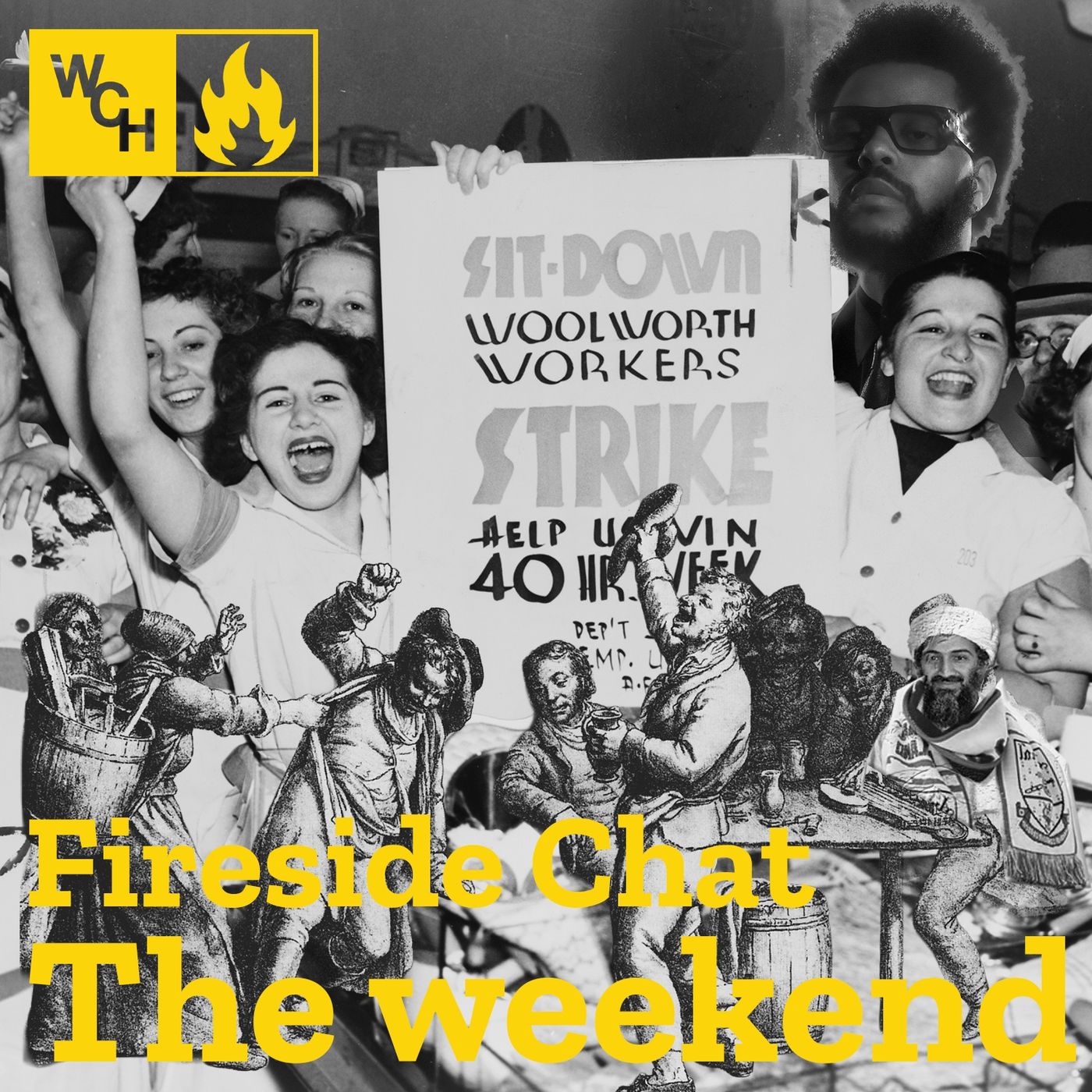
New Fireside Chat available exclusively for our Patreon supporters about the true history of the weekend, struggles over time off from work, and what is missing from mainstream accounts. Our podcast is brought to you by our Patreon supporters. Our supporters fund our work, and in return get exclusive early access to podcast episodes, ad-free episodes, bonus episodes, free and discounted merchandise and other content. Join us or find out more at patreon.com/workingclasshistory Listen to the full episode here on Patreon: https://www.patreon.com/workingclasshistory/posts/e126-fireside-we-169049458 While mainstream narratives credit antisemitic capitalist, Henry Ford, with the creation of the modern two-day weekend, the reality is that it was something which millions of workers around the world organised and fought for. Time, like wage labour, and many other facets of modern life, seems like a natural phenomenon. But the way we experience time has been shaped almost entirely by human societies. From ancient Mesopotamia, and major world religions including Judaism, Christianity and Islam, we trace the history weekend to mediaeval Europe, Iran, China, revolutionary France up to the present day in the US, UK and elsewhere. From drunkards in Austria, to oil workers in Azerbaijan, anarchists in Chicago, and women in Detroit, in this episode we look at the people who, together, created the weekend. The majority of workers in the West today don’t realise that the modern two-day weekend that most of us enjoy only really became widespread in the last 80 years. And while today we take it for granted, employers and governments everywhere are making moves to erode it. At the same time, as automation continues, and large language models promise ever-higher productivity, a new generation of workers is calling for its extension – to a three-day weekend without loss in pay. Who will ultimately prevail, depends on us. E125: Fireside Chat – How We Won the Weekend – Available exclusively for our supporters on Patreon Full episode webpage: https://workingclasshistory.com/podcast/e126-the-radical-history-of-the-weekend/ WCH commemorative merch about the weekend: https://shop.workingclasshistory.com/collections/all/weekend Acknowledgements Thanks to our Patreon supporters for making this podcast possible. Special thanks to Jazz Hands. Edited by Jesse French Our theme tune is Montaigne’s version of the classic labour movement anthem, ‘Bread and Roses’, performed by Montaigne and Nick Harriott, and mixed by Wave Racer. Download the song here, with all proceeds going to Medical Aid for Palestinians. More from Montaigne: website, Instagram, YouTube.
0:00Speaker 1Hi, and welcome back to the Working Class History Podcast.
0:04Speaker 1As you may know, we.
0:05Speaker 2Don't get any sort of funding from any wealthy benefactors, corporations, governments,
0:10Speaker 2or political pies. Our work is funded by you, our
0:14Speaker 2listeners and readers on Patreon. In return, our supporters on
0:18Speaker 2Patreon get access to exclusive content and benefits, like ad-free episodes,
0:23Speaker 2bonus podcast episodes, and a couple of exclusive discussion podcast series.
0:28Speaker 2fireside chats, and radical reads. So here is a little
0:32Speaker 2preview of our latest episode for our patrons. You can
0:36Speaker 2join us, help support our work, and listen to the
0:38Speaker 2whole thing today at patreon.com slash working class history.
0:43Speaker 1Link in the show notes.
0:46Speaker 3But so in terms of like informal resistance around like
0:49Speaker 3the working week, what did that look like?
0:51Speaker 2This is one of my kind of favorite examples of