
Working Class History · Working Class History
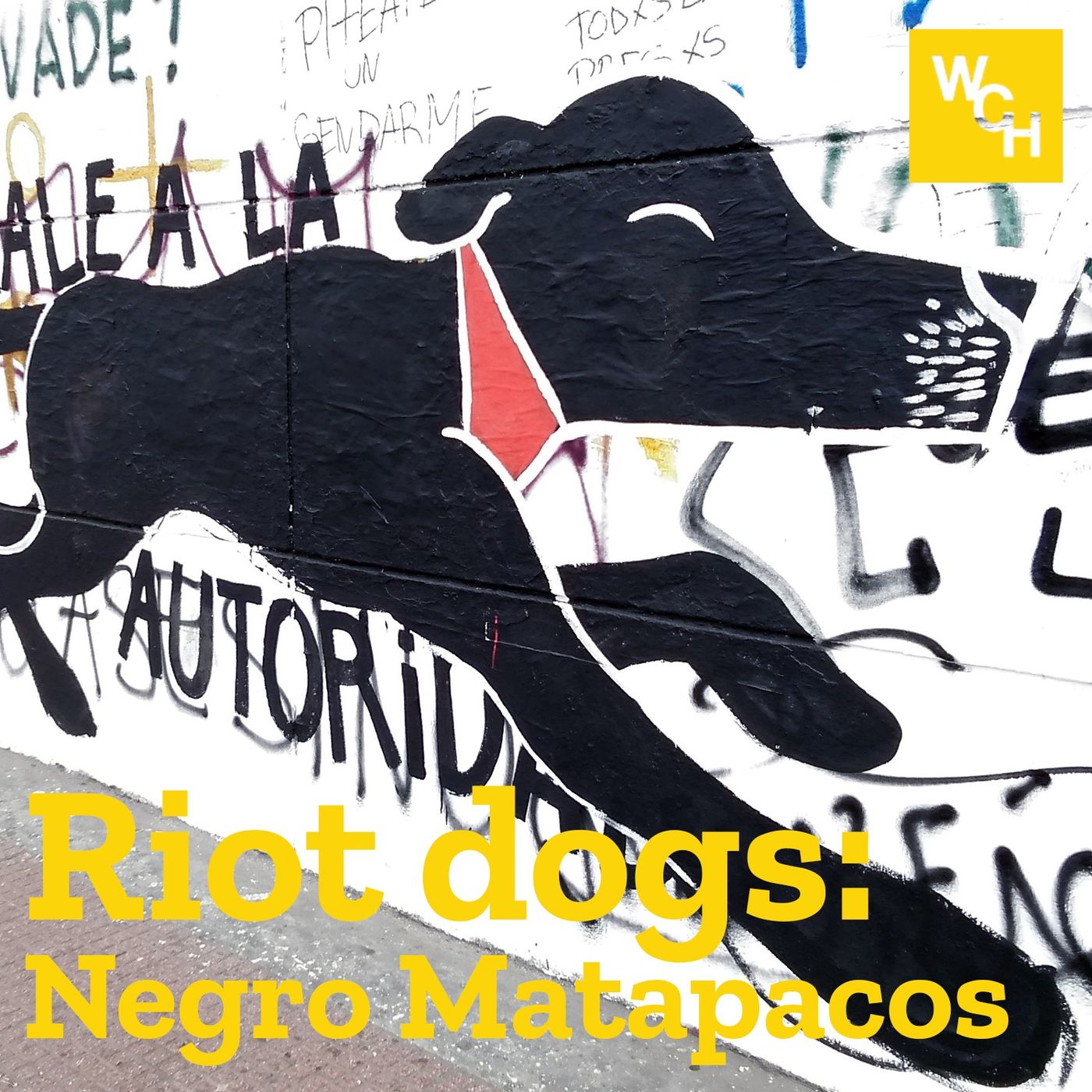
In various countries around the world, as movements against exploitation and inequality exploded, protesters found some unlikely allies – street dogs. In these episodes, we look at movements and riot dogs in two countries: Chile and Greece, and Negro Matapacos and Loukanikos, respectively.Our podcast is brought to you by our Patreon supporters. Our supporters fund our work, and in return get exclusive early access to podcast episodes without ads, bonus episodes, free and discounted merchandise and other content. Supporters also get access to two exclusive podcast series: Fireside Chats and Radical Reads. Join us or find out more at patreon.com/workingclasshistory You can listen to our podcast on the links below, or on any major podcast app. Links to a few below.Episodes E125: Chile – In this episode, we head to Chile, where a central figure of the 2019 uprising against the country’s dictatorship-era legacy, was a street dog called Negro Matapacos. Available without ads on Patreon. E125.1: Greece – In this bonus episode, we look at a street dog named Loukanikos, and protests against police violence in 2009, and against austerity in 2011. Available exclusively for our supporters on Patreon. More info Check out the Riot dog merch in our online shop. Check out sources, more information, and eventually a transcript on the webpage for this episode: https://workingclasshistory.com/podcast/e125-riot-dogs/ Acknowledgements Thanks to our Patreon supporters for making this podcast possible. Special thanks to Jazz Hands. Episode graphic: Negro Matapacos mural, courtesy Sfs90/Wikimedia Commons Our theme tune is Loukanikos, by Ricardo Araya, as The Sunfall. Get it here on Bandcamp. Written by Audrey Kemp and Tyler Hill. Produced by Tyler Hill.
0:00Speaker 1Before every protest, there was a ritual a woman named
0:03Speaker 1Senora Maria with nil down in front of a black
0:06Speaker 1street dog in Santiago. His name was Negro Mata Pacos.
0:11Speaker 1She touched his head and bless him, not as a pet,
0:14Speaker 1but as if she were sending her son into battle.
0:17Speaker 2The most beautiful thing we film was ull Senora Maria
0:24Speaker 2stan in La.
0:26Speaker 3The most beautiful thing we filmed was that Missus Maria
0:28Speaker 3was in the house. Missus Maria was the person who
0:31Speaker 3took care of Negro Matapacos, and before Negro Matapacos went
0:34Speaker 3out into the street because he was a stray dog,
0:37Speaker 3Missus Maria gave him a blessing as a symbol of
0:39Speaker 3protection for Negro Matapacos to go out into the street.
0:42Speaker 1This is Francisco Millan, a Chilean filmmaker within Marchha Films,
0:47Speaker 1who documented Negro Mata Pacos in his twenty thirteen film