
Wise Divine Women Podcast: Menopause • Libido • Breast Care • Oh MY! The unfiltered truth for Women · Dana Irvine FDNP - Menopause Support • Functional Nutrition • Thermography
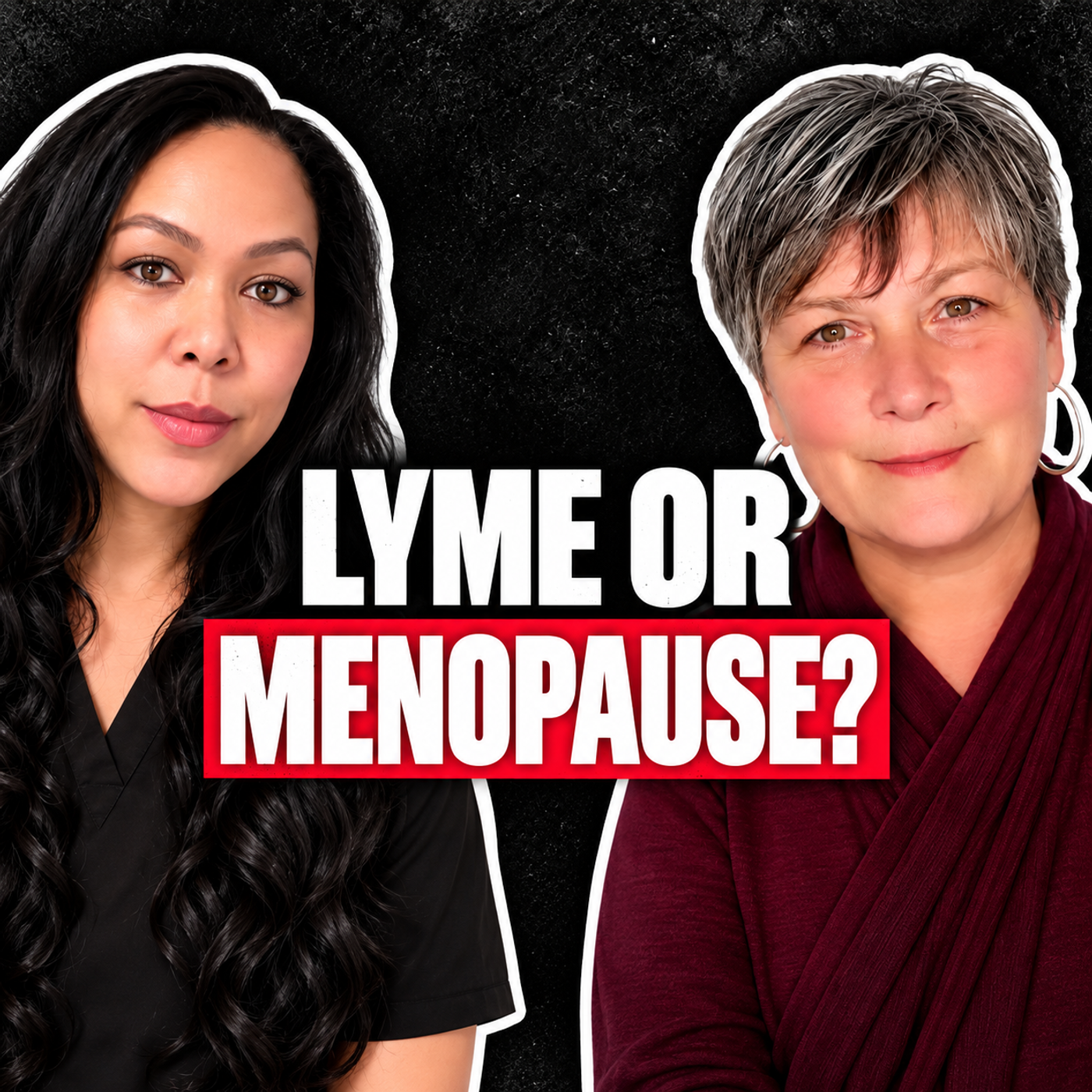
Is it menopause, Lyme disease, chronic stress, or something else entirely? For women navigating perimenopause and menopause, symptoms such as brain fog, fatigue, joint pain, anxiety, inflammation, and disrupted sleep can be confusing. But what happens when these symptoms may be connected to an underlying tick-borne infection? In this episode of the Wise Divine Women Podcast, Dana Irvine welcomes Dr. Jaquel Patterson, ND, MBA, a nationally recognized leader in naturopathic and functional medicine, educator, and author of Women and Lyme. Together, they explore the complex relationship between Lyme disease, hormonal changes, immune dysregulation, and women's brain health. Dr. Patterson shares her clinical experience working with chronic illness, explaining why Lyme disease is sometimes called the great imitator, how testing challenges can delay appropriate care, and why a personalized, integrative approach matters. This conversation also explores neuroinflammation, mental health, gut health, stress resilience, and the importance of being heard throughout your healthcare journey. In This Episode, You'll DiscoverWhy Lyme disease symptoms may overlap with menopause, fibromyalgia, chronic fatigue, and autoimmune conditions. Why Lyme disease can be difficult to diagnose and how false-negative tests complicate the journey. How estrogen, progesterone, immune function, and inflammation interact. The role of antibiotics, herbal approaches, and individualized integrative care. How chronic inflammation and infections may influence mood, memory, and cognitive function. Why gut health, stress management, and foundational nutrition support overall wellness. How to advocate for comprehensive testing and meaningful healthcare conversations. Why small, consistent steps can make a difference in rebuilding health. Episode Chapters00:00 – Is It Lyme Disease or Menopause? 02:01 – Recognizing Lyme Symptoms and Testing Challenges 05:56 – Immune Regulation and Functional Medicine 14:11 – Herbal Remedies and Treatment Options 16:36 – Lyme Vaccines and Prevention Research 18:05 – Women's Hormones, Lyme Disease and Brain Health 21:52 – Rebuilding Health and Addressing Root Causes 25:32 – Integrative Healthcare and Being Heard 29:51 – Empowering Women to Advocate for Their Health 33:07 – Small Wins, Hope and Final Words of Wisdom Connect With Dr. Jaquel PattersonBook: Women and Lyme Practice:Fairfield Family Health Dr. Jaquel Patterson is a nationally recognized leader in naturopathic and functional medicine, an educator for integrative healthcare providers, a sought-after speaker, three-time Amazon bestselling author, and Forbes contributor. Connect With Dana IrvineDana Irvine, FDNP Functional Diagnostic Nutrition Practitioner | Breast Health Educator | Host of Wise Divine Women Podcast Are you struggling with hormonal changes, brain fog, inflammation, fatigue, or unexplained symptoms? Discover how a personalized functional nutrition approach can help you better understand...
speaker-0: Welcome back to the Wise Divine Women podcast where we help you go from fed up to faith fueled, helping you to become the wise divine women that you've been called to be. Today I have naturopath, Jekyll Patterson, and she is a functional medicine practitioner, naturopath, and amongst many other notarade accomplishments. I think our talk today will be very fascinating because I want to sort of dive into that correlation. of menopause and Lyme disease because in this journey, it's hard to tell. Is it a menopausal symptom? Is it tick or Lyme? Is it just life? Like it's chaos out there. So welcome to the show. speaker-1: Thank so excited to be here. Really important talk and just, you know, I thank you for all the work you're doing with putting out all the content you are in terms of your podcast. speaker-0: Yeah, I love it. think it's because I just want to give people tools to understand disease or understand how they're feeling. And there is answers out there. Truly. I think there's an answer for everything. It may take some digging, but there are people like yourself that are dedicated to understanding your brain health, Lyme and autoimmune and hormones and teaching other practitioners like medical doctors that weren't taught in the first place. Right. And that's just part and parcel. speaker-1: And that's what I love I think in practicing and in the space of functional medicine. I'm a naturopathic doctor. mean the same concept of one of the biggest philosophies is like is that we're teachers. It's called it's a docer. So it's basically one of the pieces is actually that we that we're able to teach and because if we teach we're going to empower people you know whether I do it with patients or doctors we're going to empower them to to be able to know more about their health because if they're really understanding it fully there's a different level of like of concern, of compliance, of interest, of passion, when you really understand how to interpret your labs, how to read your labs, or why you're actually taking what you are taking. speaker-0: Right, right. So we had first started about, currently have a client that is in this sort of cycle of questioning if it's Lyme. She doesn't remember being bit. Some of the tests have come back positive, some have come back negative. And this is the sort of roller coaster a lot of people face when they are suspecting Lyme disease, right? speaker-1: And one of the tricky things is if you look at the testing it's somewhere the numbers are like 58 % false negative So that's another piece to about 300 about they're saying about 400,000 people in throughout the year are Diagnosed with Lyme disease, but they estimate that number to be seeing even higher because many people do not know the symptoms They call it the great imitator. It can imitate autoimmune conditions It can imitate chronic fatigue syndrome fibromyalgia a lot of different disease conditions So some people don't even know to test especially if you're across the country, even though most states, think without, I think almost maybe only one state has not had like a diagnosed. tick-borne infection. So every single state's affected. So that's another thing is a lot of people think of it as a Northeast. I'm based out of Connecticut issue, but you see it throughout the country. And so the challenge with that is their doctor may or may not know to even look to test it. So we have a lot of people that aren't tested. And then the other tricky thing is the testing itself. There's a lot of false negatives. So unless you're doing the proper, working with the proper lab vendor, or hopefully you're showing through the conventional, typical labs people are doing, but there are a lot of people that are potentially positive that actually showing up as negative. speaker-0: What seems to be the biggest driver in like, is it that you get a bite or a contamination and your body just doesn't know how to protect itself? Or do you feel that there is a root cause issue in allowing the body to protect itself from it? speaker-1: Well, it's a good question, Dana, because I have some patients that come and they've had chronic Lyme disease, meaning where they call post-treatment Lyme disease, where they've been treated for Lyme and they still are having symptoms 10 years later. And if you look at Lyme in general, it's at least around like 10 or more between 10 to 20%. actually will still have the symptoms even post treatment and that's per like any of the research that you see and most common symptom is like arthritic pain or arthritis. So the interesting thing with that is what your question about is like in terms of the symptoms I have some people where the wife and the husband will have it the husband's numbers are actually worse. then the wife get the, the wife has all of the symptoms, you know, the wife has chronic pain, headaches, know, mental symptoms, all these other things. And the husband feels completely fine. And the only reason we found out about the husband was because the wife was like, Hey, I want to get him checked too. And so it's to your question. It's like, how, why is it presenting differently for different people? And in my opinion, definitely it's an infection and your body reacts to infection. But what I think is when a chronic and persistent and some people are affecting in a much significant way, there's definitely several different things. There's immune dysregulation because if it's hyper... dysregulation by way of like autoimmune conditions, those patients tend to be impacted more. Or people who just have an ablunted immune system and that could be from so many reasons like mold exposure or there could be changes in life hormones where they're impacted a lot more like my women that are perimenopausal or my women that have estrogen dominant conditions like endometriosis and fibroids and things like that, they are affected more. And there's many different reasons hormones help to support our inflammation. So every single person that goes to really our approach to care in doing functional medicine is that everyone is individualistic and it really takes a personalization and approach and care because that person can present completely different with that disease condition in front of them. speaker-0: Mm-hmm. And so that's, think, the importance of functional approach is because once even you have the sort of disease or the viral component infection subdued, it's that gut health, hormone balance, stress management key that doesn't, you know, that becomes the most important aspect to not allow the other symptoms to sort of rise back up again, right? speaker-1: 100 % and I have some people that they'll get really well, they're well and then I always tell them it's like these are the few triggers to look out for. So I'll tell them sometimes change in season, like if people have allergies or histamine issues or MCAS, they might get affected with that change in season. The other big thing is they get sick. I'll have a patient they do well, they come back, I've had patients I hadn't seen for a year and a half and then they got COVID or they got the flu and they're like, my gosh, all my Lyme symptoms are back. And many times it's because these infections can get what's called reactivated, meaning not necessarily a new infection. But that gets turned on so you still present with those same symptoms or a person will get mono and so it just reactivates everything and then the other change I'll see is like hormonal changes shifts or a big life stress like hey I just moved or I went through a divorce or like a big big life adjustment or change because of the increase in cortisol, increases or cortisol is actually protective in certain ways, but when it's dysregulated, you have an issue with the body's ability to managing and temper and control inflammation. so those infections could start, basically the symptoms or a reactivation can actually occur too as a result of that. speaker-0: So the big question I always ask or in my mind, ask myself, I don't ever ask the clients, the, you know, in that, or discuss it in that perspective, because I always want to leave hope and, and, and possibility in that. Do we speaker-1: 100%. speaker-0: ever get rid of Lyme or does it just always sort of go away, burrow itself? And then when that stressor happens, it all presents itself. speaker-1: That's a good point in terms of hope because I always say that with everything. In that, it's actually a little bit different for... It's interesting because it's different for everybody. I have some patients, I myself had Lyme disease. I had it more than once. I would say for me, I'm very well controlled unless... Except the time I actually got aggravated was when I got COVID. A lot of those symptoms came back. I do have some people I've seen and I haven't seen for seven years. They have no symptoms or testing negative, but I will say your antibodies for Lyme when you do testing can show for a while because you had that infection before. as, you know, you got a vaccine or you got chickenpox nowadays. The kids don't get chickenpox because of vaccine, but let's say you had that, you still might test positive for those antibodies for a while, though you're not showing any symptoms. So it's really the biggest thing when you look per CDC, it is a clinical diagnosis. So you want to go by the symptoms and you don't want to base it purely only on labs. It should be the labs. plus the clinical symptoms. So it really is case dependent. have tons of patients that haven't seen in years because they're doing well and or their numbers completely clear. We're not showing any positive Lyme antibodies. We're not seeing it for any of the co-infections. But then I do have some people that it just takes longer. And those are usually the people that have had it for years. I've had it for decades. And so we're basically managing it. And what we're doing is preventing like the recurrence. And then over time, you'll see that happens less and less often. speaker-0: Right, right, exactly. So is it just when we approach antibiotics or therapies or supplementation and the tools that we can use or that you get advised to use, is it that you always approach with the antibiotics to support that? that seem to be? speaker-1: Good question. Yeah, that's another piece. So a lot of the patients I've seen have done antibiotics at some point, but most people say with Lyme disease have seen seven to nine doctors actually before they get even diagnosed correctly. So that's the first thing. in that being, in saying that many didn't even get antibiotics in the beginning. So they missed that mark. I personally think, I think most would say antibiotics work the best when you first get the infection. The challenge with that is did they give the antibiotics long enough? If you go to, let's say urgent care, they might only give you one or two days, which is really not the of time. typically are going to need the typical treatment will be at least two 10 days but usually you want it around. three weeks because of the replication, can still be in your system. So I say, you're going to get on antipodics, make sure it's least long enough time so it could really do what it was supposed to do. So I definitely think acutely when it first happens, that's the best time to treat when you're IgM positive because it's active and you have something to go after it. But I will say that the antimicrobials, natural antimicrobials, like we look at things like artemisia, cryptolepsis, asquitillaria, bicholensis, there's many different ones, Japanese knotweed. astragalus angiographus and many of these have been studied and you can see find plenty of the research on it in PubMed that have shown to be as effective if not more effective especially for what they call latent or stationary phase. So these are ones that are more resistant like that's those are perfect for somebody that's like I've been dealing with this for years because it's going to work better in terms of for that resistance and actually one of the things people don't know is when you're in antibiotics long a long time most antibiotics are yeast forming. So you you end up getting candida and yeast issues. But the other thing is they also can they can actually make it where they produce a lot more, your body produces a lot more biofilm or it goes into what you call stationary phase. So it's more, it's basically more resistant, right? And so this is what herbs are great for because they actually are very effective in the studies towards those types that are a little bit more resistant. So there's, but typically in terms of treatment, it's antibiotics if you get it in time, but many of my patients might have IgG. And so look, what they're going to look at is IgM and IgG that's if you do a Western blot. So if you can't get through regular general testing, conventional labs, it's usually just what they call the ELISA test. The challenge with the ELISA is it's basically will say yes or no, but they don't necessarily reflex to what's called the Western blot. The great thing with the Western blot is it shows all the bands. So it gives you a lot more information. So with IgG, they're looking for five bands. and then IgM, which is more acute, they're looking for two bands. But I have many patients that it's like they have four bands, like they just missed the cutoff, right? But they're also just testing for Borrelia burgdorferi. And also they're looking at what's called like specific strains, not including a couple of them like 31, like 34, some of the ones that got excluded due to the vaccination they had for Lyme a while ago. So that's one big factor. it's like you have four of the five and you have all the symptoms, I'm still gonna look at you as a person that has Lyme disease. Also the other interesting thing in studies, 83 and I wrote a book called Women and Lyme for this reason about how it's also different for women is that women like 83 % of Lyme sufferers in the data shown to be women. That's one thing. Oftentimes in medical care, women are often dismissed. So that's one of the reasons they might not get treated right away. The other thing is that women don't show as many bands. So on average, women were showing like four bands as compared to males at six. So that's another thing that there's a component even by way of gender, even by way of culture, what's showing ethnicity in terms of how it presents on the skin, what it looks like, bullseye rashes, only about 40 % have the bullseye rash. yeah, I've had patients where they're like, the doctors will say they didn't have it because they didn't have the bullseye rash. So it's really, there's such a science and niche to just this alone that a lot are just not even aware of, even down to. Borrelia burgdorferi not knowing that there's Borrelia afzale, Borrelia mimete, there's ones in different countries, there's ones that present different in different states and unfortunately the conventional labs don't test for those different subspecies. So it might look like you're negative but you're actually positive and you need a treatment and unfortunately a lot of the people come to me so many years down the line that yes the antibiotics can... be still be helpful I definitely will still recommend it sometimes but it's not as effective as it would have been before. speaker-0: Right, right. And that's the beauty with herbal remedies and the herbs that are available because that's what they're here for. the body adapts to them a little better and they're a little more useful and not so harmful to the side effects. speaker-1: And the gut, the gut's more, yep, the gut, there's less GI issues. A lot of the herbs have, you can be on for a longer time without having those symptoms. Also, the other great thing I love about herbs is some of those ones that I mentioned, like Cryptolepsis, they also help with immune modulation or cat's claw. Helps with immune modulation, even though it is an antimicrobial. So you're getting several things, which is great because as I said, people that have Lyme disease that have suffered from it for a long time often have immune dysregulation. regulation that needs to be supported as well. So you're getting more than one thing supported and that gets more to where Lyme will get resolved in terms of the resolution to not having symptoms or to clear the infection completely. speaker-0: Mm hmm. So just to step back to something it said about a Lyme vaccine. Has there been a vaccine that has there was? speaker-1: Yeah, it was like several decades ago and it wasn't effective. People were getting a lot of symptoms and bad side effects from it. And so they discontinued it. So the interesting thing was because of that, there's two bands. When you look at the Western blot, they're testing for many bands that would show positive if you had the vaccine. So because of that, they removed it from the conventional labs. But it's kind of silly because you think how many people even know that there was a Lyme vaccine and how many people actually did it. So you're basically losing two bands that are commonly positive for other people. And so when you look at some of the specialty lab vendors like IGENX or when you look at like Vibrant, which we do a lot for tick-borne panel, they're testing for all of the different bands, but they're also going to test for some of those subspecies I discussed. that you're not going to get through the conventional apps. speaker-0: Through the conventional, Yeah, it's so fascinating. I really hope that they are looking at some sort of, I mean, we don't like, I mean, there's always good and bad to vaccines as we've seen in the past, but, and how people respond to them. But Lyme is that thing that is so underdiagnosed and everybody has the potential of getting it. I mean, they treat animals for it. So it's interesting. speaker-1: Yeah, because the animals have the land vaccine. they do. speaker-0: So it's interesting and I hope that they can move because it seems logical to look into and continue researching that because it is a burden to health care in trying to always mitigate symptomology and mitigate how to propose to treat many people that are either acute or that have a chronic underdiagnosed Lyme issues, right? speaker-1: And it's so true because when you look at a lot of the patients I've seen with Lyme disease, they spent thousands. I mean, I've had some people spend like a hundred thousand dollars of money on trying to figure out what's wrong with them before they even come to see me. So they come to see me like I've already spent $50,000. What can you do? And that's always tricky because it's like, you already spent this and now, I'm exhausted also resources and the care might take some time to get better. So that's why it's like fortunate that there are some groups and not-for-profits out there to help to support people, but the challenge is there's just so many more people that need to be supported in general and also people dealing with it that don't even know that they have it. speaker-0: Right, exactly. So do you think that the role of this, let's say, undiagnosed or this, when you get exposed to Lyme in, especially for women, because we have this greater turn into dementia and Alzheimer's and that and these functions with our brain health and things, is there a parallel to exposure and the risk of those aging diseases. speaker-1: Yeah, so there's been tons of studies and I actually present a lot on this with the docs because one of my other areas of focus so it's Lyme disease autoimmune and integrative psychiatry and Honestly, I started getting into that probably based on my own personal experience But a lot of the and also the patients I have with Lyme disease and Bartonella were coming in with like a lot of mood temperamental issues also women with hormonal changes and when you look at them all the hormone receptors actually impact several different neurotransmitters so estrogen with serotonin progesterone with GABA. That's why women sleep better when they're on progesterone. Testosterone with dopamine. If the dopamine is low, you're going to have less of mood and motivation. But what happens is you have this blood brain barrier. And what happens if you have lot of infections over time and inflammation, same as other chronic disease conditions like type 2 diabetes, this barrier, we say like it's the same leaky brain, leaky gut gets weak. And so when it gets weak, these microglia, they get constantly activated and they cause what's called neuroinflammation. And so these inflammatory cytokines, ones like IL-1, IL-6, tumor necrosis factor, these all go up and they basically damage areas in the brain that are connected to mental health, that are connected with cognition. So areas like prefrontal cortex, a lot of people know that's like growing up until the age of 26 where it's like decision-making. So you'll see someone that has a lot of infections, they can't make basic decisions anymore or forgetfulness. Amygdala gets affected, which is related to anxiety. anterior cingulate cortex and then one of the key ones which is also which is a big one affected with dementia is the hippocampus. The hippocampus is connected with our memory function and so you'll see people that have infections over time it's almost like or somebody with like severe depression will almost present like someone with dementia because they just are like there's a lot of cognitive issues with focus and they have shown when you look at, since I do a lot too around like pans and pandas, kids that have this, it's called pediatric acute neuropsychiatric syndrome related to infections like strep, et cetera, it affects basal ganglia, but it affects those areas. that can affect mood and you'll see in those and any infections people will get what's called like anti-dopamine antibodies and that and also and so all of these things they're showing with dementia and Alzheimer's it's also from like what they call chronic inflammation just chronic inflammation over time, chronic disruption like dopamine helps to support these that those areas of the brain like hippocampus being impacted so there's definitely a big connection with that as we know when are affected more hormonally and a lot of it's because we have those neuro hormone immune those immune receptors and but there's a lot of things too with dementia they show with women is like the gut microbiome is different and there's there's so many different factors and that's why you know as naturopathic doctors or people in the functional medicine space this is where we have to connect all those dots because like you said, inflammation can affect the brain and cause issues with dementia and mood. The gut, different even gut microbiota, have shown like lactobacillus plantarum, reminiscence, certain ones have shown it affect mood and also memory and cognition like acrimentsia. They've done, talking about GLP receptors in the gut and the brain. So there's so many different factors and that's what we really do is we're looking, I always say we're like the detectives. Like we're every single thing, but not just finding, because some people find a lot, but it's like, what does it actually mean now? Like pulling it together and making a plan is the hard part. know, finding things can sometimes like, that's awesome. But it's like, how is all this connected is the hard part. speaker-0: And then it's the patience to rebuild it back up again. speaker-1: Exactly. speaker-0: Right? It's not just a throw everything into it and hope for the best. It's a slow and steady process. speaker-1: That's my trickiest part when I work with it. It's like, okay, I'm gonna put it in buckets because I'm gonna test, but I might test this later because if I test these five tests, you're going to be so overwhelmed because you're gonna find out, hey, I have something wrong with my hormones. Hey, I have Lyme disease. Hey, I also need basic tests. Like my iron needs to go up, which happens to a lot of my patients. my gut's disturbed. So it's like, I always look to say like, is unfortunately the biggest red flag? What's the biggest issue? Typically it's like fatigue. brain fog or pain. Those are usually the top three things. So what is the one big thing I can make an effect for impact in the first four to six weeks so you're getting to feeling better and then it's like I always say it's like taking off pieces of onion. It's like you're taking it off layers but you're trying to hit people with the big whammy that's affecting their quality of life. speaker-0: first. You have to start the snowball rolling like something has got to Yeah, something's got to shift so that they're like, okay, I can see this is making a big difference. Okay, what can we do next? And then I'm going to eat better and then I'm going to move better and I'm going to, you know, chew my food and I'm going to pause and I'm going to self care a little bit, right? speaker-1: Yeah. speaker-0: Yeah. So that all just starts the momentum because when it comes to using the microbials or antibiotics and things like that, we have to prepare ourselves because you may not have a good effect from it. speaker-1: Exactly. And then some people aren't ready. Like some people aren't like if I talk about diet and lifestyle, some patients that are like so excited about that and they might actually be sometimes too prescriptive. Right. And then it's like, OK, is that causing stress? And then I have some that are it's just so overwhelming. It's like, OK, what are the few things that you can commit to and what is that one thing that's going to make you like happier in a few weeks? That's where I'm going to put my energy for it. So everybody again, it goes back to everybody's different. And one of the biggest things to I think we provide in this space of integrative medicine, which I think is equally healing is being listened to and heard. always say it's like half the time, you know, when I come in, the people are like, I've seen, like I said, seven to nine doctors. I've said this story. I'm just told I'm anxious or it's because I'm busy mom, or it's because I have a lot of stress and they're not listened to. And then I think part of it is like, finally I can, I can relax. can let down because I know somebody is actually going to piece it together. and I feel heard and people don't realize unfortunately conventional medicine, the way the healthcare model is not even because of the clinicians, the way the model of care is, we just don't even have time to be able to slow down to have that like heart to heart, you know, kind of conversation with people too. speaker-0: Right, right. And I think that's important. And I think that's the function of integrative medicine, because the doctors are precisely doing what they're supposed to do and providing excellent service and what their core value is and what they do. They don't have time. That's just the way their model is. speaker-1: Yeah, and that's not what I think any of us signed up for when we went into the space of healthcare. You know, we wanted to heal, like that's in the word. So unfortunately, the model doesn't lend itself to be able to do that. speaker-0: No, no, which is unfortunate. I do have to remind people a lot when talking with clients, just from my simple perspective, from a thermography approach, there's a lot of dissing that's happening with their with their medical doctors. And I have to be like a cheerleader and say, you have to there. That's just the way they are. They're in a box, no matter what their heart's desire is. They can't move outside of the box. So you have to encourage them to do the best that they can. And and that's where people and I say that's where people like functional practitioners and natural paths and these beautiful people who have the time and expertise to listen and to dig deeper and to ask different questions. it's, it's a, have to learn and teach people how to balance and take proactive approaches and advocate for themselves and find. speaker-1: and they don't know you don't know what you don't know. So there's so many times I have even me seeing conventionally trained as patients and they're like, what the heck? why didn't we talk about this, this and this or oh my gosh, this is so much better lab work. this is, you so it's like, you don't know what you don't know either. it's a lack of sometimes experience, ignorance, know, unknown, but also I always tell patients you should feel empowered though to write those questions down and ask. I'm like, even with me, you know, feel like you're being heard, we're still providing a service, right? The end the day, I'm providing a service. So you need to feel like whoever you're seeing is hearing, listening to you, and you feel confident in what they do. So I think we forget because of this kind of hierarchical thing that this is still at the end of the day. There's options to be able to work with somebody that you feel that you can really connect with. speaker-0: I think so, yeah. So the, if people are really experiencing this roller coaster journey of trying to wade through their symptoms and being proactive, what is the approach to really just digging in deep? speaker-1: Yeah, so I've stated people, if you have one of the flags is like, hey, I've had these symptoms for years and I still feel the same or let's say you have hypothyroid, you've been put on medication, you still have the same symptoms. Those are always flags to me that something else is going on. Like if you shouldn't be on a medication or treatment and feel exactly the same or now you're on five medications. and you still feel the same, keep adding onto the list. Yeah. That's what I'm like, that's a red flag. Something's going on. Or all of sudden, yeah, that shifts. Like all of a sudden I was on, patients on psychiatric meds. There's a connection with actually inflammation, as I said, in mental health that they show people that are more resistant, have higher levels of inflammation. So now all of sudden that's not working anymore. I got to do another one. I got to go up higher. Something's going on. And that's where you want the first step is like, get really complete blood working, blood work. And what does that look like? That looks like hormones. a full hormone panel that looks like a thyroid, not just a TSH. It's free T3, free T4. And if you guys check out my site, actually, womeninlime.com, I do have a free download on what kinds of lab tests you want to do that are more functional-based labs. You want to look at cortisol, which is your stress response. So the first step, would say, you're not assigned is like, hey, I'm in the same place. I need to look at something else, even with your conventional doctor asking for robust labs looking at all organ systems. speaker-0: Right. It's important. And don't be afraid to ask. Right. They can say no, no, I'll pay for it. And then you can negotiate from there. Right. And it is being, you know, not afraid. It's the knowledge that we're trying to present and the knowledge that you that you give specifically that you're trying to advocate, allow, teach people to advocate for themselves and understanding the journey and then the steps that are available for the healing process. Right. speaker-1: Exactly. And that realized that their... They're the ones that are driving it. Yes, we have our doctors. We have people like me that are going to help partner in. I always say partner in that journey to educate and understand it fully. But remembering to that it's not OK. A lot of people settle. have people in their 20s like, I've been tired for a while. Yeah, this is like my normal. I've never been and being OK with that, like not accepting, not feeling optimal and health and that it shouldn't be that hard to be that way. to feel like okay, that shouldn't be a hard process. speaker-0: Yeah, no, it's so true. it's, we do have to step back and take an inventory of the things and realize where things that we can do for ourselves, even though our world is topsy turvy, and then understanding the tools that are out there for us to then be a little more thoughtful and proactive. And it is about, you know, knowing that there is hope in looking ahead, and that there is solutions to different things, right? speaker-1: Exactly, yeah. speaker-0: Women in Lime is your book that you wrote specifically about this and helping women mitigate this journey of this disease and infection and then how to get through that. then womeninlimewebsite.com. speaker-1: Womeninlime.com and my practice, I practice at Fairfield Family Health. So I own a multidisciplinary integrated medical practice. There's nine of us. We all have different areas of focus and it's great because it's a wellness center. So we have all kinds of like, you know, sauna, laser, acupuncture. We do IV therapy. So my practice is Fairfield Family Health. We're based out of Connecticut, but I have licenses in many states. A lot of us have licenses in different states and almost half of my practice is telemedicine too, is remote. speaker-0: I was going to think so. Yeah. Yeah. Because speaker-1: I'm Drew too. speaker-0: it's, it's, you can't find good. Well, you can find lots of practitioners, but that may not be having the same success as, as yourself. speaker-1: And also in this niche area. Even in Connecticut, it's crazy where Lyme was found. There's very limited, there's like a handful of people in my kind of space that do this, which is always like, know, blows my mind. so yeah, so yeah, we do that. So fairfieldfamilyhealth.com and then women in Lyme for sure. Check that out.com, but also for that resource. speaker-0: That's amazing. Thank you. What is a word of wisdom that you seem to hold yourself to or that you may share often in helping people around the world? speaker-1: I always say I'm looking I'm like health wise or personal. feel like for personal I always say it's like I'm always going to give my full effort for where that lands. don't know. You know what I Because that's one of the reasons why I don't think I have like that fear sense because I'm giving every effort for it and having grace. if it doesn't always land where I want to because I know I'm making those baby steps forward. So I guess it's like the compounding effect. That's actually a book I like, like a business book, but it's like all those little steps over time will add up. But unfortunately we're in a world where we want, it's like for weight. You took a long time to gain weight, but you want to lose all of it in one month, right? So it's the same with it. We all want to, right? From the vanity standpoint, but you're like, that didn't happen overnight. So the same with their health, but also in... every effort you do in life, it's like all those pieces are all those wins. And so every day I have write down, it's like, what is the win? What are those three things I'm getting done today? And that's a win, even if it's... even if it's one of my challenges, I make the list too long. I now have a six month old, almost six month old. And so, I have three things I went and done in the year. It's like, okay, she has to be top of the list of what is that one thing for that? So sometimes I think we make these goals that are way too high instead of like, what is my small win? And this is great progress. So there's a good book called, I think from, wait. Like basically it's about living in the gap versus gain. I think it's called gap versus gain. And then we live a lot of times in the gap, like what didn't I do today instead of the gain of like, I did do this and how much that can change your perspective by doing that. speaker-0: I love that. No, that's perfect. Like we do have to understand our wins and it's the wins that are going to accumulate and show that progress. And I thank you so much for sharing your precious time and that your little one on your lap was. speaker-1: You might have seen a foot slip through occasionally, but I'm hiding her in a lap speaker-0: I think it's so amazing. Thank you so much for being part of the show. I know we can talk for hours. Lime is a big discussion, never mind hormones and or mental health. They're all really big topics. So if any of this touched your heart, please reach out to her practice. that's Patterson. speaker-1: Fairfield Family Health, yep. Fairfieldfamilyhealth.com. speaker-0: And I thank you so much. And I hope this really helped someone out there. Thank you so much for being part of the show.