
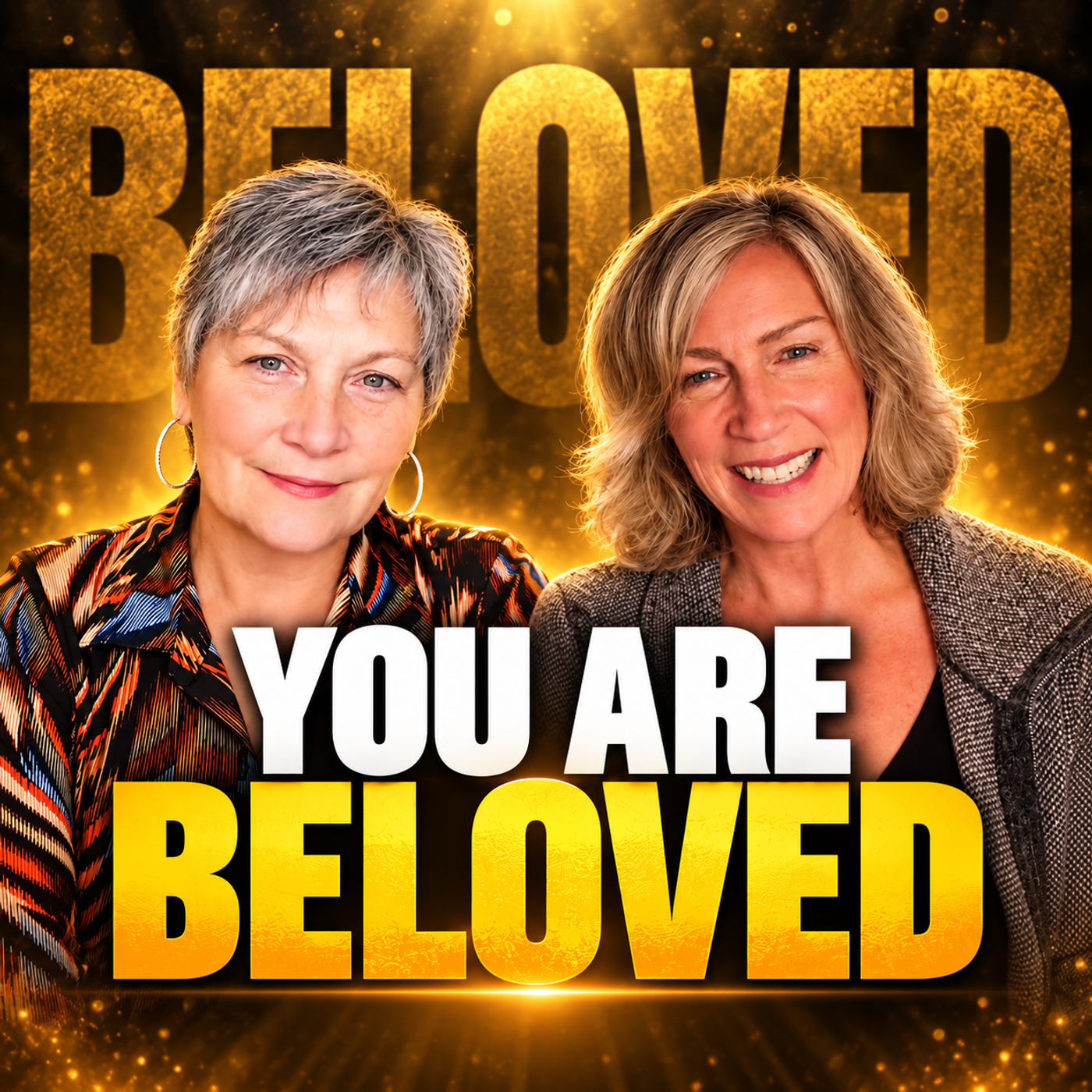
Wise Divine Women Podcast: Menopause • Libido • Breast Care • Oh MY! The unfiltered truth for Women · Dana Irvine FDNP - Menopause Support • Functional Nutrition • Thermography
What if healing sexual shame was the first step toward rediscovering your confidence, joy, intimacy, and connection with yourself? In this empowering episode of the Wise Divine Women Podcast, Dana Irvine welcomes Dr. Tina Schermer Sellers, sexual and relational health expert, author, and educator, for an honest conversation about sexuality, spirituality, cultural conditioning, and breaking free from shame. Dr. Tina shares her upbringing in a Swedish immigrant family where conversations about bodies, sexuality, and pleasure were natural and shame-free. This experience inspired her life's work helping individuals recognize how religious teachings, family beliefs, and societal expectations can shape their relationship with sexuality. Because pleasure, love, and authentic living aren't things we need to earn. In This Episode, You'll Discover How cultural and religious messages influence sexual confidence and self-worth. Why sexual shame can follow women into adulthood and intimate relationships. How midlife offers an opportunity to rediscover authenticity, pleasure, and connection. Ways parents and grandparents can raise children without passing down shame. What it means to create sacred, intentional intimacy. Why self-compassion, communication, and personal responsibility matter in healthy relationships. How choosing joy can become a radical act of self-love. Episode Timeline 00:00 – Meet Dr. Tina Schermer Sellers 01:07 – Growing up with shame-free conversations about sexuality 03:14 – How religious and cultural shame develops 06:30 – Honouring our bodies and responsible pleasure 08:40 – Why humans are wired for connection 10:02 – Midlife, menopause, and rediscovering authenticity 12:13 – Challenging inherited beliefs about sexuality 14:43 – The history of sexual education and cultural change 19:21 – Healing shame and rebuilding trust 22:46 – Parenting without passing down sexual shame 24:35 – Healing your inner child while raising children 27:26 – Creating sacred and intentional intimacy 29:58 – Exploring desire and communicating with partners 32:21 – Reclaiming joy, pleasure, and self-love 35:28 – Dr. Tina's books, resources, and how to connect Words of Wisdom "Trust is built on truth and transparency." "Radical rebellion is living your joy and happiness." Connect With Dr. Tina Instagram: @drtinashameless Website Books: Sex, God, and the Conservative Church: Erasing Shame from Sexual Intimacy Shameless Parenting: Everything You Need to Raise Shame-Free, Confident Kids and Heal Your Shame Too Connect With Dana Dana Irvine, FDNP Functional Nutrition Practitioner | Breast Health Educator | Host of Wise Divine Women Explore personalized support for women's hormone health, menopause, breast health, and whole-body wellness. 🌐DanaIrvine.com 🌐 WiseDivineWomen.com Listen, subscribe, and share this episode with a woman who needs permission to embrace her authentic self. Sexual shame healing, women's sexual health, menopause and intimacy, sexual...
Dana Irvine FDNP: Welcome back to the Wise Divine Women podcast, where we help you go from fed up to faith fueled, helping you to become the wise divine women that you've been called to be. Today I have Dr. Tina Schirmer Sellers, and she is a sex and relational health expert, author, and educator. I'm really excited to speak to her today. Our conversation can go anywhere, as most of them do, but she really Helps people along this can be healing sexual shame, it can be trauma, it can be cultivating sacred space when it comes to sexuality. And it's sort of understanding many different aspects of sexual health for women in any stage or any faith that they may have. Welcome to the show, Tina. How are you doing today? Dr. Tina Schermer Sellers: doing great. Thanks so much, Dana. I'm so glad to be here with you. Dana Irvine FDNP: Thank you. Thank you. Yes, the sexual health and women is a large topic. One that doesn't get talked about enough, that is for sure. How what brought you on this road? Dr. Tina Schermer Sellers: Always a fun question. Well, it's kind of circuitous actually. I happened to grow up in a lovely Swedish immigrant home and didn't really realize until I was well into my 30s that it was very different than many American homes. In my family, we talked about bodies and sexuality and curiosities, like you talk about recipes. I heard grandparents talking about it and aunts and uncles and parents and I could interject and ask questions at any point. And it was very loving and age appropriate and kind of delightful. And I thought that that's the way families were. And so I was at the point I started to wake up, I was teaching in a graduate marriage and family therapy program. I was teaching their graduate level human sexuality class, which I just thought would be delightful to teach. I was sort of surprised that the rest of the faculty didn't want to teach that, you know? And it was really in that process of teaching that class and helping my students get clear about the stories in their life. And so in the sexuality class, it was clear about their sexual and gender story, what had been passed down to them, what has their experiences been, childhood, adolescence, adulthood, reflecting on that story, looking at it and and asking themselves, is this the story I want to pass forward or I want a different legacy to go forward? And so really sort of getting clear, because in the program that I taught in, we had a strong belief that you were only ever as good a therapist as you know where your stories began and ended and your client's stories began and ended so you didn't confuse them, right? Didn't end Dana Irvine FDNP: Right, right. Dr. Tina Schermer Sellers: up projecting on your clients or whatever. So so it was really in that class and I'm in my 30s. And I start to recognize that as my students and my clients reflected on their sexual story and their gender story and identity story that they had so much Self-hatred and a sense that they were wrong and something was bad about them or they were perverted, or why did they do this, or why didn't they do this? And why did they think this or didn't think this or want this or didn't want this? And and I just didn't understand what I was seeing at first. Like, where did all this angst come from? And so this w at this point, it's about the year 2000. I started teaching the class in the early 1990s. And I started to realize I was hitting the first wave of students, that these students are anywhere from 25 to 35, usually, that hit abstinence-only education in the United States, which we now know was 80% medically inaccurate. It was religious education paid for by public tax dollars. And for many of those students, they had an added layer of having gotten involved in some church youth group. As the evangelical religious right movement was growing in the United States. And so they thought that all of their natural desires and wants and all of that was bad. They had no real education, sexual health education. And all they did have was what was on the media and what friends were seeing. They didn't really have and what they saw at home. And they didn't really have anything else. And so they were left to think of themselves as really. in many ways, fundamentally unworthy of love and belonging because Dana Irvine FDNP: Right, right. Dr. Tina Schermer Sellers: they were so bad. And I it took a while for me to dig through what was I seeing and where did it come from and all of that, and realized that as these kids were developing and doing all the normal things that kids do, there was somebody there to get angry with them. So as they found their genitals at 11 months pre-verbally, somebody was there to slap their hand away and yell at them and tell them that it was dirty. Right? And every little thing that they developmentally, you know, evolved into out of their natural curiosity and development, some if it had to do with their bodies or pleasure or connection, somebody was there to yell at them, shame them. And this became fundamentally woven into their self-esteem, their self-identity. And they really believed that they were fundamentally bad and had no idea that their story was common. You know, that now that I've spoken all around the world around this, there's in the United States, I would say 90 to 95% of people grow up in homes that are silent around bodies and sexuality and curiosities. Or silent and shaming on top of it, right? And so it was incredibly prevalent. And for me, having grown up in such a different environment, it was heartbreaking because I thought of bodies and pleasure and fun as a wonderful part of being human. I Dana Irvine FDNP: Right. Dr. Tina Schermer Sellers: had to learn as my parents and grandparents taught, you know, you are responsible, you're responsible to yourself and to other people. irresponsible to not use your body in ways that are hurtful to you or others. You having a body that has five senses is a wonderful, glorious thing. And we take care of it. And we are mindful of other people. We care for other people too. And that was just the way it was rolled out and talked about. And so it really had a lot to do with why life had connection and friendships and pleasure and and things that really fundamentally have a lot to do with your happiness. Dana Irvine FDNP: Yeah. Dr. Tina Schermer Sellers: So anyway, so that's how I got involved in it and I went deep. I went deep. Dana Irvine FDNP: I love it. I think it's great. Yeah, that that European sort of Swedish or Finn sort of background, nakedness is normal. And, you know, even talking about it being open about things like that is certainly part of that European culture, which is not what you see here in North America at all. And I know for myself coming from, you know, di a variety of different backgrounds in in church, hist my journey of church, I I can see where I was okay and then got on the crazy train of of the sort of the right and and then pulled back as they grew into teenagers and kind of like, I am so sorry for doing that to you. Yes, like this is this is what it's supposed to be and talk and and do and say and I'm not sure what my kids would say, but they're all in their twenties now. So they certainly remind me of the crazy times in their youth groups and yeah. Dr. Tina Schermer Sellers: Sure. Yeah. Dana Irvine FDNP: But it's it's just creating this this for parents and even grandpar like as grandparents are ourselves or even ourselves learning learning about ourselves again during this season of life, this peri menopause, menopause, postmenopause area where we actually can stop for a second and think and care about ourselves. A lot of us are just getting to know sexual health again, which is strange, but just kind of seems to happen to everybody at this age, whether it's, you know, because of hormonal or whether it's because of heart attack or loss, widow, that type of thing. It's it's it's always it's always there, front and center, whether you know it or not. Dr. Tina Schermer Sellers: Right, exactly. Well, I believe in part it's because we are hardwired for connection as and pleasure as humans. You know, Dana Irvine FDNP: Mm-hmm. Dr. Tina Schermer Sellers: when an infant is born, they're rooting for the breast, but there's not milk there. But what there is there is warmth, a smell that feels comforting, a feeling that feels comforting, a sucking that feels comforting, you know, it's connection and pleasure. We know toddlers, if they don't get enough really good loving and touch, they'll suffer neurological damage, right? Walk through the halls of an Alzheimer's unit. People don't have memory and they're still seeking connection and pleasure. You know, human connection and shared pleasure. This is really so core to the human. And and like you're saying, life begins to open up. For many women in particular, it's difficult to pay attention when there's so much Coming at you and so much wanted from you during you know several decades right in the beginning, you know, 20 to 50 can be really an overwhelming time of being of an onslaught of information. You don't even know where you are in all of that and what of that is relevant, you know, and then so much can be being asked of you at work or relationships or whatever. And as things begin to slow, as kids become more independent if there are kids around, whatever. We have more sense of confidence growing and a real sense of, wait a minute, this is my life. This is my life. I'm not living someone else's life. In fact, I am the only person like me that's ever walked this planet. My job is to live this life as authentically as I can. Not replicate someone else's life, but actually figure out what feels right and authentic. to me. And then we begin often to explore into that and begin to ask questions and deconstruct really many of the ideas that were put on us that maybe never really fit us very well. And I think Dana Irvine FDNP: Right. Dr. Tina Schermer Sellers: it's at that time that we are our perspective can shift, you know, and our claim of our life can shift that we begin to with more with more purpose, design the life that feels right to us and speak our truth and stand into some of the backlash that we can get when we speak our truth, you know, because we're not perhaps accommodating like other people want us to. Right. And this is, I think, a time of great discovery for many, many women. It can also be a time of just incredible growth. Because you're having to be to bring courage into your life in a new way often. And and that can be challenging. And I think in many ways we need each other. And and some of the ways in which individualized life has separated us from each other and isolated us, it's a time to really reach out and find others who, like us, are crafting a life of meaning and purpose. Dana Irvine FDNP: That's exactly it's really hard to wage through, right? It's it's what is right or what is wrong for each of us as the inundation of AI and commercials and advertising and all these socials, what is normal for you is something that you need to decide for yourself. Right? Dr. Tina Schermer Sellers: Exactly. Dana Irvine FDNP: And when it comes to sexual health, that's very much that as well. Never mind our own just personal Dr. Tina Schermer Sellers: Absolutely. Dana Irvine FDNP: health, but our own sexual health. is a designed decision for yourself personally. Right? Whether your partner's coming along for the ride, whether it's a open discussion that you're having and keeping these, you know, things going. But again, it's it's I think somehow paving the way so that the next generation it becomes easier. And I think that's really what you're working on. And that's what the purpose Dr. Tina Schermer Sellers: Yes. Yes. Dana Irvine FDNP: of the podcast was was is like getting wisdom to we're We're sage we're sage makers, right? We're wisdom sharers and it's so that the next generation and the next generation become more comfortable or have more ease. Dr. Tina Schermer Sellers: Right, exactly. Yeah. And sometimes I think that may means being a little bit more transparent about what we are deconstructing, what we are asking questions about. what we are perhaps going, you know, I don't I don't think I liked the way I thought about that then, and I'm beginning to think about it this way. And and you're more open about that with those that are close to you, could be children, you know, children who are growing up, you know, and you're just as just a little bit more transparency and in your community. You know, if you if you grow up during a time in history where there is not comprehensive sexual health information available to you that is age appropriate at each age, and instead what you're given is basically. entertainment and exploitive selling, you know, buy this, do this, whatever. you're not getting really what you need. You don't know what you need. And so often we are older and we're looking back and we're saying, that didn't feel right. I didn't like the way I was treated there. I didn't like the assumption that was put on me. I don't what would feel right? And that's often when we go on our own discoveries to learn things. When I wrote The book Sex God and the Conservative Church, Erasing Shame from Sexual Intimacy, it was because of what I had seen in the lives of my clients and students. And I wanted to understand, not from just individual, but from systemic viewpoints, you know, sort of ecosystemic, what had happened in the United States such that in 1980 we moved into abstinence-only education. What was underneath that? What were the forces, the capitalist forces, the pol socio-political forces underneath that? I really wanted to understand it from as as big a level as I could, you know? What were the context? Dana Irvine FDNP: I didn't realize that that was that turning point that the nineteen eighties were the the turning point for that. That was Dr. Tina Schermer Sellers: Absolutely. Yeah. And in fact, there's some really wonderful books out there that chronicle what happened. It's a wonderful book by Frank Schaeffer named Sex, Mom, and God. And Frank actually was sort of one of his great griefs in life was that when he was in his twenties, he was helping his father build this Abortion movement that had never been there before. Most people don't know that in 1974, with the passage of Roe v. Wade, the Southern Baptist Church was in support of that. And it wasn't until 1980 that this whole idea we have to come up with something to rally the religious in the United States. We can no longer use segregation. That is now completely illegal. Even in our religious schools, we have to come up with another issue. And literally a meeting was had. And this is documented, where they decided abortion would be the issue. And his Frank Schaefer's father, Francis Schaefer, was a part of that religious right in the movement, the socio-political movement of the religious right. And he designed some really horrible videos that circulated around. I think one was called The Death of the Human Race or something. It was anyway, there's this is all documented, but There was all of this stuff that happened, but meanwhile, the front in front of the American people, and really, you know, globally in many ways, was this idea of family values. But behind that, it was about growing a capitalist corporation-first economy. And so Reagan came in, they began to remove the regulations that protected the public from. the from media. So the FCC dropped their regulations, the banks dropped their regulations, and now anything goes. And so this was the beginning of anything goes in media. And it's all about selling so that we make money every quarter for our investors and stockholders. Not we are not building quality. Before that it was America made quality products that the world could be happy about, right? The The means, how we did it. It justified what we got, you know. But then it switched to no, no, no, no. The ends, making money, justifies however we do it. And we made a huge ethic shift in the United States as far as driving our economy. But in front of that, it was all about family values. And so many people got carried along in that, and they had no idea that it was actually building the system that is now falling apart in the United States. Dana Irvine FDNP: Right. Dr. Tina Schermer Sellers: Right, because you can't, it's not a sustainable financial model to keep making money every single quarter without there eventually squishing down the people who are the purchasers, right? So we have this happening and Dana Irvine FDNP: Right. And that's that's where we are now and and we feel that from so many different sides. All of us do. No matter where you are in the world, Dr. Tina Schermer Sellers: Every sector. Dana Irvine FDNP: right? Dr. Tina Schermer Sellers: Yeah. Yeah. Every sector is feeling this. And it is actually it was predictable and we are where we are, but it so much of it had to do that it was built on lies. It was not built on truth, what was actually happening, and people bought it, you know. So there's been a real erosion of trust. Like, what can I trust? You know, in all of this. But if what we were actually giving. People, young people, as they were growing up, was just a lot of shame and not a lot of information, then what they had to go on was quote unquote entertainment. Right. And I often will use the analogy: like we would never take our 14, 15, 16-year-old who was getting ready to drive, and tell them, we're not going to teach you anything about this because this is actually very, very dangerous. But don't worry, when you're 16. We'll sit you down to watch the movie Fast and Furious, and then we'll give you car keys because you can drive that way. Like our kids would not survive, right? We Dana Irvine FDNP: Then we'll give you the carcass. Yeah. Yeah. Dr. Tina Schermer Sellers: would never do that. And yet that's exactly what we do with interpersonal relational skills, which includes sexuality. How do I do affection? How do I do conflict? How do I honor myself? How do I honor another? What do I like? What don't I like? What is kindness to me? Right? What is what is something that feels unethical to me or unkind or unjust? Where we help kids get clear about what is solid. And we're doing it at every age, right? And so when sex got in the conservative church, I just said, if you got caught in this, you are not alone. Here's what was happening. Here's the history. Here's the forces that were a part of this. It's not you. It did affect you, but it is not you. Here's a model for how you heal. And here are ways to integrate a sexuality and spirituality that might feel good to you, whatever your particular ways of understanding that are. And so I just sort of gave that as in order to set people free, really, who really felt like they had located in themselves, like they were unworthy of love and belonging. because of all of these things when none of that was really true. And then as that book became very popular, I was hearing from people who said, Wow, that really did help to liberate me in so many ways. I know what not to do, but I have kids in my life, nieces, nephews, my own children, grandchildren. I don't know what to do. Like it's not even inside me. I never saw it. I don't know what to do. I don't even know what's developmentally common because that information really wasn't in front of me much. It was really about, you know, doing good in school and pr producing. Dooming, you know. Dana Irvine FDNP: Right. Right. And and and then parents feel out of control when the schools are now incorporating lots of sexual health. Some may feel at too young of an age and some feel out of control because they don't know what they're teaching and is it part of what they believe as well. So it's it's it's both not being taught and then not understanding Dr. Tina Schermer Sellers: Right. Yes. Dana Irvine FDNP: what is being taught. So there's it's Dr. Tina Schermer Sellers: Yeah. Dana Irvine FDNP: a real loophole of things that are happening. So Dr. Tina Schermer Sellers: Absolutely. Well, and I and I I'm glad you brought sort of this fear, you know, because that fear is a bodied shame response. When my kid does something or says something that I, you know, I I got in trouble for, my insides go like I literally will just gasp, right? My heart stops. And I think, no. Not only do I not know what to do, but I don't know if something bad is gonna happen here, right? Well, when you've been getting in trouble with your for your natural ways of being, since before you can remember, this is embodied. It's not just cognitive. Your body feels it. You get walked in on, your body feels it. Your kid finds their genitals, your body feels it. You walk in and your four-year-olds have their pants down, your body feels it, right? You are blank. You don't know what to do. So I'm often like, if you notice you're feeling that, put your hand on your heart and go, sweetheart, you are fine. You had people who loved you who didn't know how to give you what you needed when you were little too. Just take a deep breath. Take a deep breath. Put on a maybe a fake smile, but put on a smile that you're okay. So your kids can see that you're okay. And you and just say, wow. Looks like you're curious about some things. Let's keep our clothes on or let's do whatever. And we can talk about this later. Try to stay calm and non-reactive because that's what they're gonna pick up, is what's going on for you. And if you don't want to pass down Dana Irvine FDNP: Right. Dr. Tina Schermer Sellers: the shame, you gotta calm yourself. You gotta calm yourself first. So the second book I wrote was really in response to people saying, Can you help me with this? And I'm like, I got you. I've been teaching therapists and physicians this forever. So I just wrote a really simple book. It's called Shameless Parenting, Everything You Need to Raise Shame Free, Confident Kids and Heal Your Shame Too. And it's broken down birth to two, two to four, four to six. It's just this little book, six to eight, all the way up to eighteen. And it says, here's developmentally what kids are kind of cognitively and behaviorally coming into. Here's their curiosities may emerge and they may look like this at this age. And then I ask questions. What do you think it'll be like for you if that happens? For you, can you feel a part of yourself that goes? Because if you do, I want you to just first and foremost love on yourself. You're okay. You just didn't get what you needed. I'm gonna give it to you right here, to your inner two-year-old or four-year-old or six-year-old. I'm gonna give it to you right here. And then once I give it to you. Then you'll be able to give it to someone else. And then I leave at the end of every little chapter I'm here. Here are the top books you can get at your library for kids this age, and the top books you can get for yourself for if you have kids this age, that what you need to hear. And then I just literally I'm just say people, be two years ahead of your kiddos, and I will literally hold your hand all the way through, and you'll do a lot of healing yourself in this Dana Irvine FDNP: Mm-hmm. Dr. Tina Schermer Sellers: process because you didn't get it. But you deserve it. Even now, as a grown up person, you deserve it. Dana Irvine FDNP: Yeah. It's it's so true. And as you're speaking and just like, okay, what are all the things that I did to my kids? It's just like anyways, it's hard. It's hard. And I and you know, we we Dr. Tina Schermer Sellers: That's okay. It is. Dana Irvine FDNP: the kids and I joke about it now, so it's perfectly fine and we love talking about this and Dr. Tina Schermer Sellers: Yeah. Yeah. Yeah. Dana Irvine FDNP: grandchildren are too young to well not too young, but I think they'll do great with it and all. So in you had in sort of the notes so we could talk about is this cultivating sacred intention intentional sexuality. What do you mean by that? Dr. Tina Schermer Sellers: Yeah. So let me just unpack the word sacred just for a minute. when I think of the word sacred, I think of beloved, like just one of a kind. That's first and foremost who you are. And so some of the work sometimes we need to do to even create sacred spaces for ourselves is to first see ourselves. as beloved, one of a kind. We I always say the definition of human is you are radically valuable and you're radically imperfect. And both are true. You are on a journey we all are. We all have growing edges, places we're learning. We all are making mistakes from you know time to time and we can go, I can turn that mistake into a lesson if I spend time with it. And then it becomes a part of me that again grows, right? This is my journey as a human. But nothing that I do or say, even mistakes I made, takes anything away from the fact that I am beloved and eternally valuable. There has never been another me. Dana Irvine FDNP: Mm-hmm. Dr. Tina Schermer Sellers: And that's the truth. And so I can hold both simultaneously and not apologize. I can be like, yep, that was a mistake. I blew that. I am so sorry. I see that it had an effect on you. I would like to do something to make that better if I can. And I will take this seriously and I will think about it and I will learn from it so that I don't make this particular mistake again. So I'm loving and kind to myself and other, and I take accountability and responsibility for it, but I don't beat myself up. I'm human. Human. It really is. Dana Irvine FDNP: Yeah, that's so important. Yeah. Yeah. Dr. Tina Schermer Sellers: When I can see myself that way, then I can believe that I'm worth creating experiences for myself when I feel like it that allow me pleasure, like really to enjoy pleasure. And if I choose to enjoy connection, connection with myself, but also connection with another human. Right? And so that process of being intentional to both Be kind and loving to myself, allow myself to enjoy pleasure and connection with myself, and then to bring in another if I choose to. And then if that other is able to do the same thing, then the the container we create is a container of sacredness, because it's an intentional container where connection and pleasure can be shared and designed, right? And so often working in with heterosexual couples. I say this, I sort of put them apart in particular because so often heterosexual folks are not having the kind of sexual experiences that really feel life-giving to them. They're doing maybe what they've always done or it's obligatory or something. A lot of our queer folks, they didn't they don't have thousands of years of here's how you do it. They get to design what works for them on any given day. Heterosexual folks have not ventured into that area as much as they could, for many of them anyway. And that's where it's like, well, what do I feel like today? What feels fun for me to do with you Dana Irvine FDNP: Mm-hmm. Dr. Tina Schermer Sellers: today, to share with you today? Or I'm just really tired today. I think what I would like is this and this. What would you like? And can it work with me being really low energy? Where we get to design. What feels right, kind of the way we design food. Like I'm like I never eat the same breakfast every day or dinner or lunch. I would get bored two to years, right? But I why would I ever do touch in a way that is the same all the time and not think about it? And so in order to create those kinds of environments where we are truly present to ourselves and other and truly in a place of creation. Which is a sacred process, we have to first give ourselves permission to create something that works for us. And sometimes that means again, deconstructing stuff that we have learned along the way that hasn't been serving us. Dana Irvine FDNP: Yes, very true. Very true. Yeah, it's it's it's probably why the success of erotica or smut books, as we call it now, is becoming much more beyond than just a how to romance for women because w we have to get out of the mundane and we have to get out of that and it's like an escape escapism, I suppose. But it then turning that around so that you can communicate that with your partners and or create you know, the opportunity to fulfill Dr. Tina Schermer Sellers: Right. Yes. Dana Irvine FDNP: or not not fulfill all these the crazy things that happen in erotica, but it does pose these questions of why and then how can we move into that because sexual relationships for most people is pretty mundane. Right? Yeah. Dr. Tina Schermer Sellers: It can be, yeah. Because they again, I really think it's because we have thousands of years of patriarchy that says it's going to happen this way. It's primarily for the male person, the the eje the person who's ejaculating, you know, like all of this kind of thing. And and rather than, you know, this is really your opportunity to share connection and pleasure with somebody you care about. What do you want it to be like? You know? And making Dana Irvine FDNP: Awesome. Dr. Tina Schermer Sellers: it like we think of a banquet. Dana Irvine FDNP: Yeah, exactly. And and I mean, as much as you're talking about and using all the beautiful words about relationship and about sexual health, I look at it from the same way as even people's relationships with food or relationships with their body in self-care. It has to become a tantalizing experience that reaches all five senses and every part of your life should be that fulfilled, right? Dr. Tina Schermer Sellers: Well, it can be. I mean, I think of ideas of abundance. The capacity is there for more abundance if you give yourself permission and if you desire to give yourself permission to live into more abundance. More maybe including all five senses. What could that be like? How might that be different? You know, and again it's a capacity Dana Irvine FDNP: Yeah, yeah. Yeah. Be very exciting. Dr. Tina Schermer Sellers: is there. Dana Irvine FDNP: Mm-hmm. Exactly, exactly. Is there anything that I did not ask? Dr. Tina Schermer Sellers: gosh, you know, Dana, I'm sure there are so many things that we could go deep with and dive in. but maybe this was a good beginning, you know, maybe this Dana Irvine FDNP: Excellent. Dr. Tina Schermer Sellers: sits well on top of some of your other conversations and invites people to consider if they're living the life that they want to live and making space for joy and pleasure in ways that they might be able to and to give themselves permission to, I don't know. To live in such a way that it's actually a radical kind of rebellion. You know, like Dana Irvine FDNP: Beautiful. Dr. Tina Schermer Sellers: I I am going to go for my joy, my happiness. I'm gonna have relationships in ways that I'm proud of. and I'm not gonna apologize. And that can be Dana Irvine FDNP: Mm-hmm. Dr. Tina Schermer Sellers: my own radical rebellion against being like everyone else or whatever is being sold to me today, or whatever the thousands of things that are being sold to me today. Not buying it anymore. Dana Irvine FDNP: So good. Yeah, that's so good. Usually I end with what's a word of wisdom, but you already did that. Like that is that is incredible that you kind of speak and I'm sure that you speak that way with with people anyways. You want to be unique and radical and set yourself apart and fulfill all the needs and s and it's a being and it's being beloved, right? It's that beloved relationship with God. It's that beloved relationship with yourself that sets Dr. Tina Schermer Sellers: Yes, yes. Yes. Yeah. Dana Irvine FDNP: you apart. the things that you are to fulfill for your heart's desire, right? So yeah. Amazing. Dr. Tina Schermer Sellers: Mm, exactly. Absolutely. Absolutely. Dana Irvine FDNP: So everyone can find you where? Dr. Tina Schermer Sellers: Well, I am on Instagram. I have a professional page. It's Dr. Tina D-R-T-I-N-A at or excuse me, Dr. Tina Shameless. And that's an Instagram. And I have lots of podcasts on there and conversations. And you can click around like on the bio, and then there's places where you've got free stuff that you can do. You can get to my website there and I have more free stuff there that you're welcome to. You can DM me there too if you have a question about something. I often say to people, if you're on a journey to heal sexual shame, whatever you got growing up from culture or from family or from religious ideas or patriarchal authoritarian ideas and that that have not fit you, you and you want to do that work, I like to make both my books available to people. Of course, they're Dana Irvine FDNP: Mm-hmm. Dr. Tina Schermer Sellers: They're on Amazon, you can find Dana Irvine FDNP: Yeah. Dr. Tina Schermer Sellers: them there. or go to your local bookseller if you don't use Amazon Amazon and give them the title and ask them to get it for you. but if you are somebody that can't afford one or both of those books, I don't want anybody to not feel like they can do the work that those books will lead you through. because they can't afford it. And you are welcome to let me know. Just DM me, let me know a little bit about your situation and give me your email. And I will send you a promo code to an audio version of either or both books. I really want people to be able to free Dana Irvine FDNP: beautiful. Yeah. That's so amazing. Dr. Tina Schermer Sellers: themselves and to live the life that they were meant to live. at however many days they have left to do it. Dana Irvine FDNP: And this is both men and women of all ages. Yeah. Yeah. Amazing. Dr. Tina Schermer Sellers: Absolutely. Absolutely. All ages. Yep. Yep. Dana Irvine FDNP: Tina, thank you so much for sharing your time. I know your schedule is busy, but this was truly a blessed moment. And I I look forward to going back and listening to it again. Please reach out to Dr. Tina if you've got any questions at all. and all of her notes, all of her books, all of the different things that we mentioned today will be in the show notes. Thank you so much, Doctor Tina, for spending the time today. Dr. Tina Schermer Sellers: Thanks so much, Dana. It was a joy to be here with you. Dana Irvine FDNP: Thank you. And once again, I hope this helped you go from fed up to faith fueled, helping you to become the wise divine women that you've been called to be. Thank you for joining.