
Wildlife Matters The Podcast · Nigel Palmer
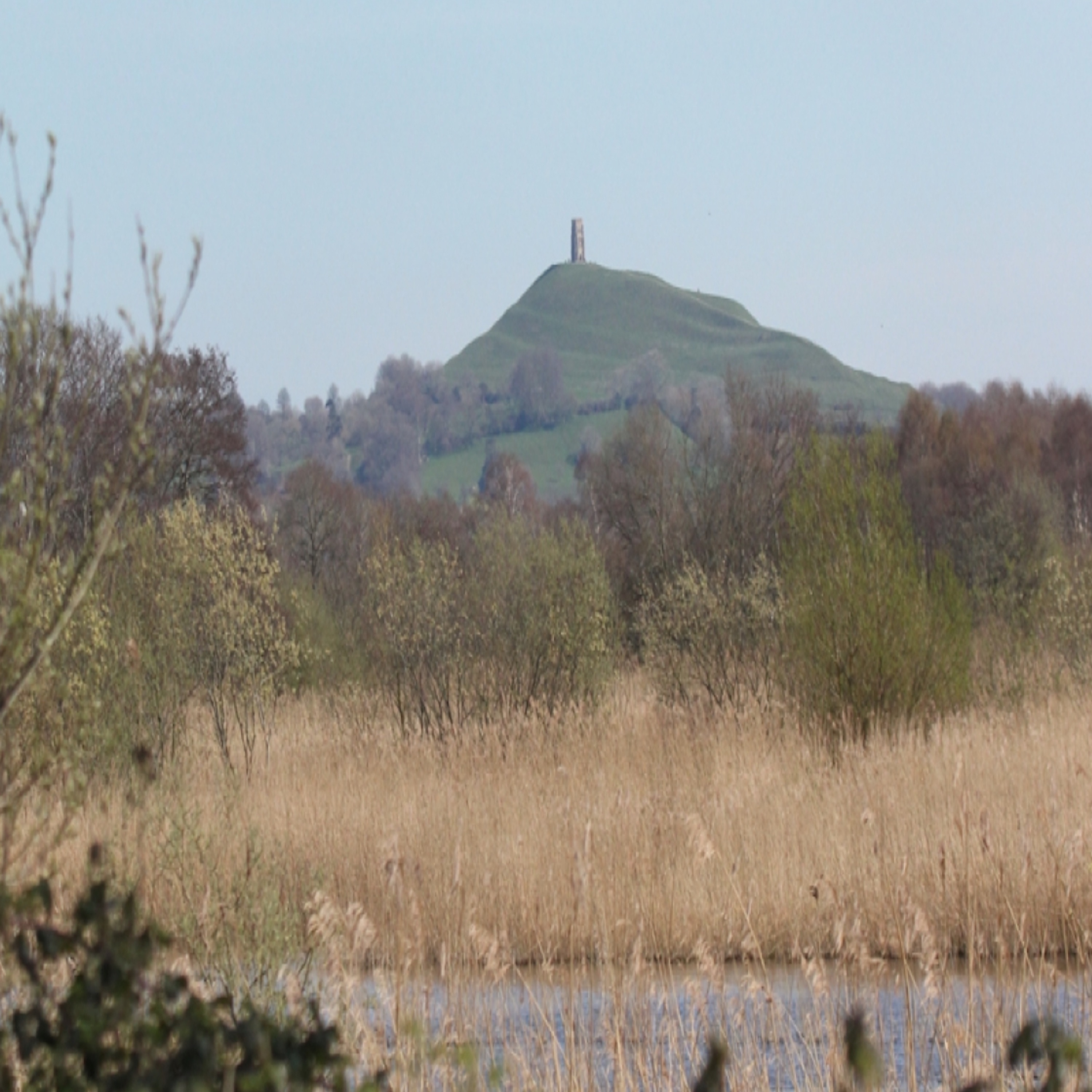
This week, we delve into the critical issue of marine bycatch and its devastating impact on marine wildlife, including seabirds, dolphins, and whales. We explore recent findings indicating that over 10,000 seabirds and thousands of marine mammals are victims of this problem annually in the UK. Our discussion highlights innovative solutions, such as the acoustic pingers developed by FishTech Marine, which show promise in significantly reducing bycatch rates. Additionally, we celebrate the successful reintroduction of dormice into Leicestershire's ancient woodlands, a crucial step in restoring their declining populations. Finally, we announce the forthcoming Natural History GCSE, designed to enrich young people's understanding of the natural world and foster a new generation of conservationists. We visit Avalon Marshes in Somerset for the Summer Solstice The Wildlife Matters podcast invites listeners to embark on a journey to the Avalon Marshes, a picturesque wetland area within the Somerset Levels, as the summer solstice approaches. This episode combines elements of tranquillity with a call to action regarding the pressing environmental challenges faced by various wildlife species. The initial segment provides a serene auditory experience, immersing the audience in the soothing sounds of nature, thus fostering a sense of mindfulness and presence. This reflective moment enhances listeners' connection to the natural world, setting the tone for subsequent discussions. As the episode progresses, the focus shifts towards the critical issue of marine bycatch, which results in the unintentional capture and death of numerous marine animals, including seabirds, dolphins, and whales. Through detailed reporting and expert commentary, the podcast reveals the staggering statistics associated with bycatch, emphasising the urgent need for improved regulatory measures and innovative technologies. The segment featuring FishTech Marine’s development of acoustic pingers illustrates a proactive approach to mitigating bycatch and showcases the potential for technology to play a pivotal role in conservation efforts. Furthermore, the podcast discusses the government's responsibilities in addressing this issue and the need for public support for sustainable fishing practices. In a hopeful conclusion, the podcast highlights successful conservation efforts, such as the reintroduction of dormice to Leicestershire and the introduction of a new GCSE in Natural History to educate young people about the importance of wildlife and environmental conservation. Scheduled to begin in 2028, this educational initiative underscores the significance of nurturing a generation that is informed and engaged with the natural world. Through these narratives, the episode encapsulates a profound message about the interconnectedness of humanity and nature, urging listeners to advocate for sustainable practices and to cherish the biodiversity that enriches our planet. Takeaways: The podcast...
0:24Hello and welcome to this week's Wildlife Matters podcast.
0:27With the summer solstice just around the corner, we invite you
0:32to join us as we explore the enchanting Avalon Marshes.
0:37These wetlands, rich with reeds and shimmering waters, lie
0:42at the heart of the Somerset Levels, close to the legendary town
0:46of Glastonbury and its famous tour.
0:50Before we dive into this week's adventure, though, we will
0:54pause to enjoy the tranquil sounds of water and wind.
0:59Take a moment with us to let the gentle breeze and birdsong transport
1:04you.
1:04This is your chance to unwind and let everyday stress melt away
1:08on this week's Wildlife Matters mindful moments.
1:13But first, let's dive into the wild side of the news with fascinating
1:18wildlife and nature stories in this week's the Wildlife Matters
1:23Nature News.