
WanderLearn: Travel to Transform Your Mind & Life · Francis Tapon
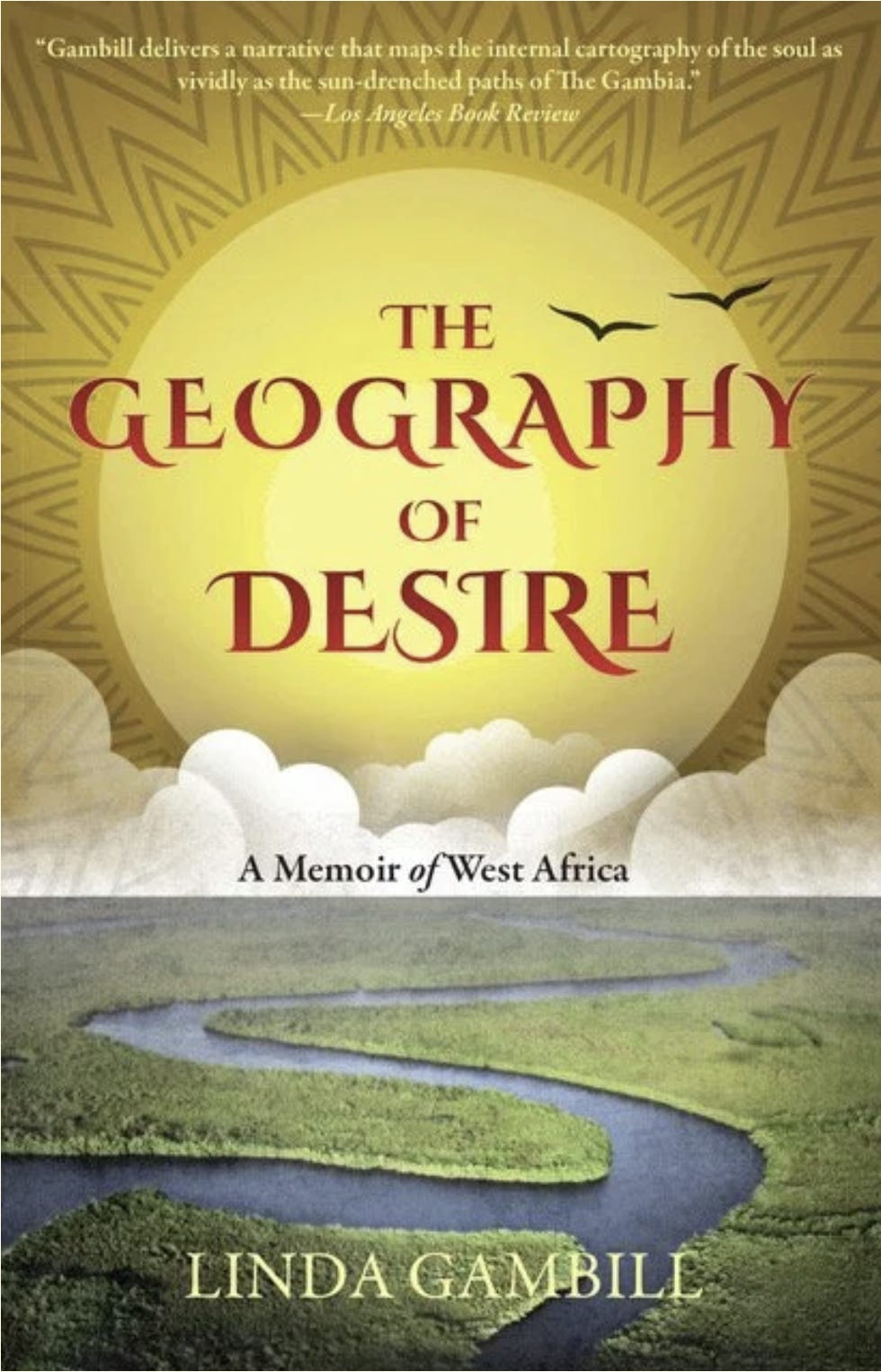
There are spoilers in this podcast! Around 1980, Linda Gambia was a Peace Corps volunteer in the Gambia. In 2026, she had reflected enough about the life-changing experience to pen a memoir about it. It’s called The Geography of Desire. This is part one of a two-part podcast. Watch the video! Review of The Geography of Desire ‘The Geography of Desire’ is a quietly delicious memoir that transports you to a tiny Gambian village circa 1979–1981 with the vividness of mango-scented heat and the awkward charm of a Peace Corps volunteer trying to keep a garden alive and her heart intact. What I liked * The writing is descriptive and novel-like, so you can feel the red dirt, the heat, and the mosquito company rather than merely read about them. * The author’s honesty about loneliness, culture shock, and messy relationships makes the book feel lived-in and humane rather than sentimental. * The memoir is a good primer on a little-known time and place in The Gambia; it’s especially rewarding if you want a window into rural life before phones and internet dominated everything. * There’s the implicit Peace Corps survival kit: stubbornness, curiosity, and an inexplicable willingness to be eaten alive by insects for the sake of cultural immersion. * Romantic misadventures are handled with a wink; the tension between lust, love, and cultural boundaries often reads like a romantic comedy that forgot to be tidy. Two flaws 1) Timing of the memoir: the core events took place in 1979–1981, and I kept asking, “Why the long pause?” The gap leaves the narrative beautifully specific to that era but also frustratingly old-fashioned; Gambia has changed since then, so the story sometimes reads like a time capsule rather than a bridge to the present. 2) Where’s the 2026 epilogue? The author returned in 1997 — a useful follow-up — but 1997 feels like a mid-credits scene rather than a full sequel; a short 2026 visit or update about the villagers, the author, and her husband would have made the memoir feel complete and given readers the satisfying afterword they deserve. I ask Linda about these two issues in my podcast. Listen to her response in my two-part interview with her. Final verdict If you want an evocative snapshot of rural Gambia around 1980 — sparse cell towers aside—this memoir is outstanding. I give it four stars: great storytelling and atmosphere, minus one star for not offering a modern (2026) wrap-up that would have turned nostalgia into living history. What do you think? Put your thoughts in the comments. Connect Send me an anonymous voicemail at SpeakPipe.com/FTapon You can post comments, ask questions, and sign up for my Substack newsletter. If you like this podcast, subscribe and share! On social media, my username is always FTapon. Connect with me on: * YouTube * Facebook * Instagram * X * TikTok * LinkedIn Sponsors 1. My Patrons sponsored this show! Claim your monthly reward by becoming a patron for as little as $2/month at https://Patreon.com/FTapon 2....
0:00SPEAKER_01Welcome to the Wanderer Learn Show.
0:01SPEAKER_01I'm your host, Francis Tapon.
0:02SPEAKER_01I'm here with Linda Gamble.
0:04SPEAKER_01She is the author of a brand new book that just came out.
0:07SPEAKER_01It's called The Geography of Desire.
0:08SPEAKER_01It's about her time in the Peace Corps,
0:11SPEAKER_01the United States Peace Corps,
0:13SPEAKER_01in the Gambia,
0:14SPEAKER_01which is a tiny sliver of a country surrounded by Senegal in West Africa.
0:21SPEAKER_01Welcome, Linda.
0:22SPEAKER_00Thank you.
0:22SPEAKER_00I'm glad to be here.
0:23SPEAKER_01I've been waiting for your book since I was a little child.
0:27SPEAKER_01So I want to know.
0:31SPEAKER_01The events around your book happened around 1980,
More WanderLearn: Travel to Transform Your Mind & Life episodes →