
Vīta Brevis, Wit Artefāctōrum Ætērna Podcast · Ash Stuart
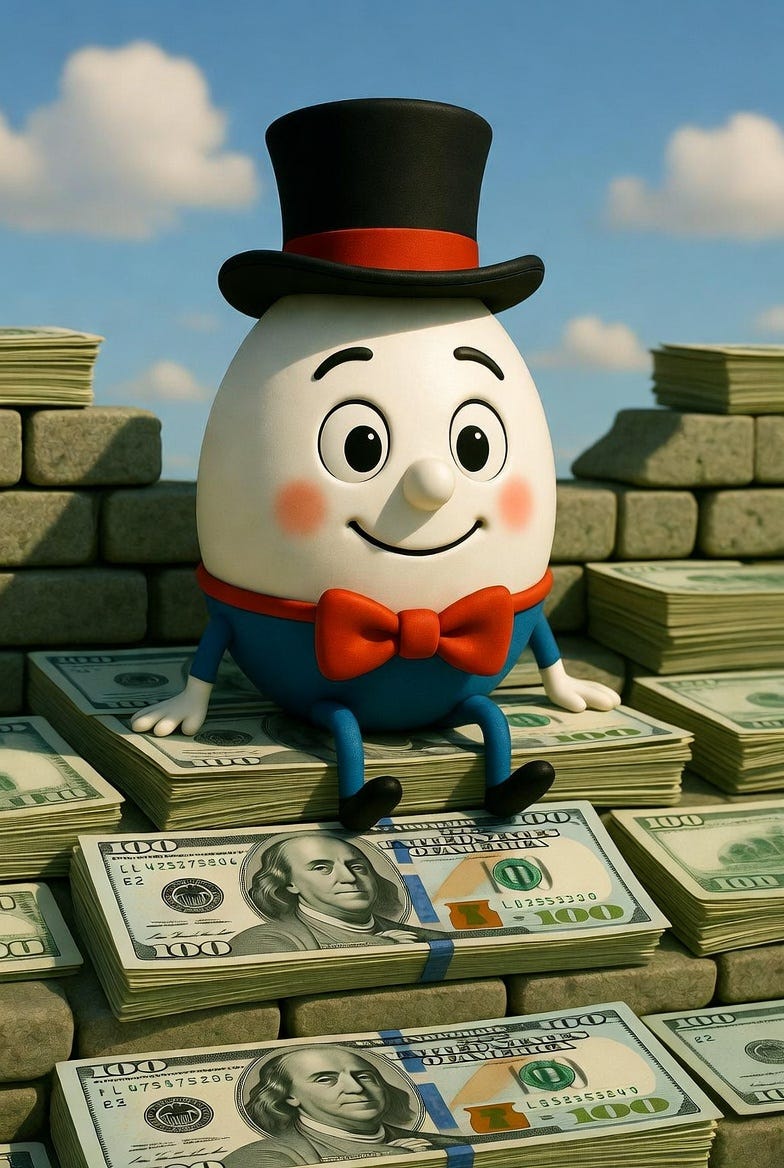
Last time we looked at the phenomenon of supposedly ‘rational’ behavior leading to wild aggregate market outcomes. Let’s now look at what’s arguably the most spectacular and devastating real-world example of this. For, even as the 20s in this article series come to an end at 029, we shall trace how the Roaring Twenties ended with this extraordinary crash in 1929! We won’t be featuring our fictional friends on this topic, the real-world characters involved here, as we shall meet in due course, themselves go beyond what fiction could conceive. And there’s a lot of ground to cover! Let’s first set the historical stage to provide enough context. After the First World War, the United States was set on the road of massive economic expansion, in good part thanks to the rapid growth of electrification and thus the manufacture of electrical appliances and related goods. This rapid expansion in industrial manufacturing with a large number of such goods entering the market meant that the purchasing power, or at least the purchasing intent, of the public at large had to grow. Thus eventually emerged the concept of consumer credit, where organizations would lend money to people wanting to buy such goods, and on the cheap - you could get a loan of 100 dollars by just putting up 10 dollars as initial payment! However, given the interest rates were very low, meaning you got very low yield for your cash sitting in a bank’s savings account, people starting using such loans to buy stocks and shares in the booming industry - also a relatively new phenomenon for most people. Just as we saw with the Tulip Mania in the previous episode, all this led to asset prices only going up and people becoming complacent in expecting that it would keep going up forever (Now, where have we heard of that in our own lifetime?!) Humpty Dumpty sat on Wall Street And then it all came crashing down, because just as we think the prices of such assets will keep going up and up, once that bubble burst, as it always eventually does, the sentiment goes right into reverse - everyone wants to sell of theirs before others do, leading to a free fall of the prices. Fundamentally, there were structural weaknesses in the economy that were masked by the exuberance. Importantly the agricultural sector hadn’t been doing well all this while but most folk in the cities and towns were busy enjoying the party! Also, despite all the industrial expansion, actual wage growth was low, but then again, the cheap credit phenomenon served to obscure that anomaly. The major turning point came when Benjamin Strong, a very astute and influential banker heading the Federal Reserve Bank (of New York) died in 1928 leaving a massive intellectual vacuum and even paralysis at the Fed. And then the music stopped. There had been minor panics prior to the main historic crash but the market managed to brush it off. There had been siren voices warning that things had gone too far and there was a massive speculative bubble...
0:00SPEAKER_01sīmāk
0:01[music]
0:30SPEAKER_01Welcome to the Story of Money by Ash Stewart
0:37SPEAKER_01Episode 029 The Great Crash of 1929 How
0:43SPEAKER_01the Soaring Roaring Twenties Came A-Crashing Down
0:49SPEAKER_01Last time,
0:50SPEAKER_01we looked at the phenomenon of supposedly rational behaviour leading
0:54SPEAKER_01to wild aggregate market outcomes.
0:58SPEAKER_01Let's now look at what's arguably the most spectacular
1:01SPEAKER_01and devastating real-world example of this.
1:05SPEAKER_004.
1:06SPEAKER_00Even as the 20s in this article series come to an end at 029,
1:10SPEAKER_00we shall trace how the roaring 20s ended with this extraordinary crash in 1929.
1:19SPEAKER_00We won't be featuring our fictional friends on this topic.
1:22SPEAKER_00The real-world characters involved here,
More Vīta Brevis, Wit Artefāctōrum Ætērna Podcast episodes →