
Vīta Brevis, Wit Artefāctōrum Ætērna Podcast · Ash Stuart
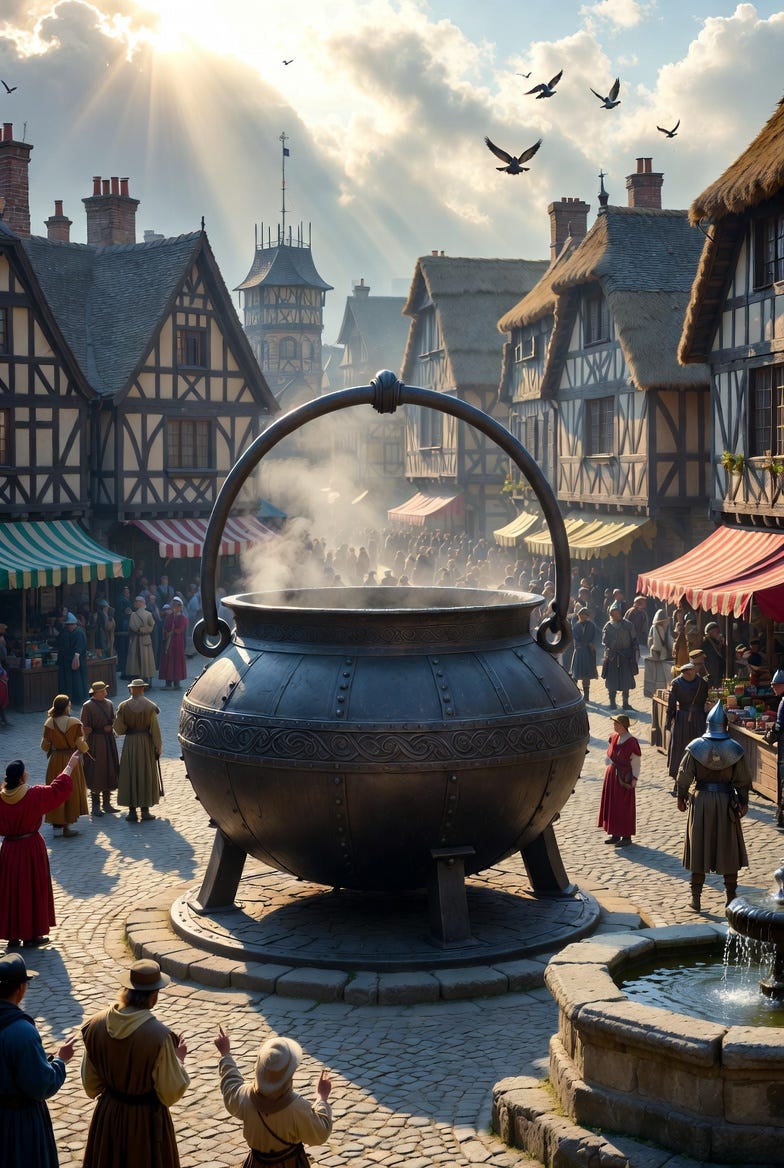
Way back in Episode 006 while exploring the concept of risk I said that much of the banking industry was founded upon the need to and with the goal of managing risk. Let’s now look deeper into one of the most widespread and relatable of such instruments. But first we go to FictionTown. Steve, Bryan, Brenda and Irene are sat in the frontyard of one of their houses and having a sombre chat. News is that one of the houses in their community burned down. Obviously our friends are terrified at the possibility of this happening to their house. Steve starts, astutely as usual: this should not happen! Bryan’s like, Steve, you can’t control certain things. Brenda chips in, well, if we can’t control it, we should manage the damage, like save up to rebuild or something. Irene interjects, hmm, it’d be too hard for each of us to save up that much, wait, what if we all saved up in one collective pot, how many houses are there in our community? Steve says it’s about 50 but cannot see how that matters. But Bryan’s like, wait, Irene, that way you mean it can be used if any one house burns down? But how much do we each put? Brenda makes a different point, wait, it’s not just present quantity, how often does a burndown fire happen - the last one was 5 years ago. Irene gets it all - right, we should check the pattern at the Mayor’s office records, but, assuming on average there’s one such fire in 5 years, and we are 50 houses, we each pay a two-hundred-and-fiftieth (1/250) of the pot each year, which becomes even easier to foot if paid in monthly than in a lumpsum! Pot Luck That’s it, that’s insurance in a nutshell, or in a nice collective pot! Obviously, the mathematics of it in the real world is a lot more complicated, and the whole thing is managed by distinct commercial outlets - the insurance companies, who inevitably charge a cut for their services, but this encapsulates the concept with the basic elements in place. Let’s see what’s actually happening here. As we discussed in the risk episode, everything in life is contingent - we can never tell what’s going to happen next. But based on past performance (which by the way is no guarantee of the future), the best we can do is calculate future probability. So if in FictionTown, the last burndown was 5 years ago, the one before 11 years ago and the one before 15 years ago, we can cautiously take 5 years as the average frequency. Generally, the larger the scope of our past dataset, the easier it is to identify patterns. And we saw how there is the ‘pooling’ of risk among all 50 houses, which as we noticed, and as we might intuitively know, softens the blow on any individual. We must also be aware that such a scenario as depicted implies an insurance based solution manifests ‘after the fact’ - it cannot prevent the fire in the first place, but as we’ll see, even there, there’s nuance. Can you Count on it? The key goal of statistics and probability, the cornerstone sciences of risk management is to put a number on...
0:00SPEAKER_00sīmāk
0:01[music]
0:30SPEAKER_01Welcome to the Story of Money by Ash Stewart Please note
0:36SPEAKER_00that this audio version may be defective.
0:38SPEAKER_00It may be missing certain phrases or the right intonation.
0:40SPEAKER_00Refer to the original text for the full version.
0:44SPEAKER_01Episode 037 Scrutinising the innards of insurance A real need or a luxury at a premium?
0:53SPEAKER_00Several premiums?
0:57SPEAKER_01Way back in episode 006,
1:00SPEAKER_01while exploring the concept of risk,
1:02SPEAKER_01I said that much of the banking industry was founded upon the need to and with
1:07SPEAKER_01the goal of managing risk.
1:09SPEAKER_01Let's now look deeper into one of the most widespread and relatable of such instruments.
1:18SPEAKER_01But first, we go to fiction town.
1:23SPEAKER_01Steve, Brian,
More Vīta Brevis, Wit Artefāctōrum Ætērna Podcast episodes →