
Uzo Speaks · Sarah Osondu
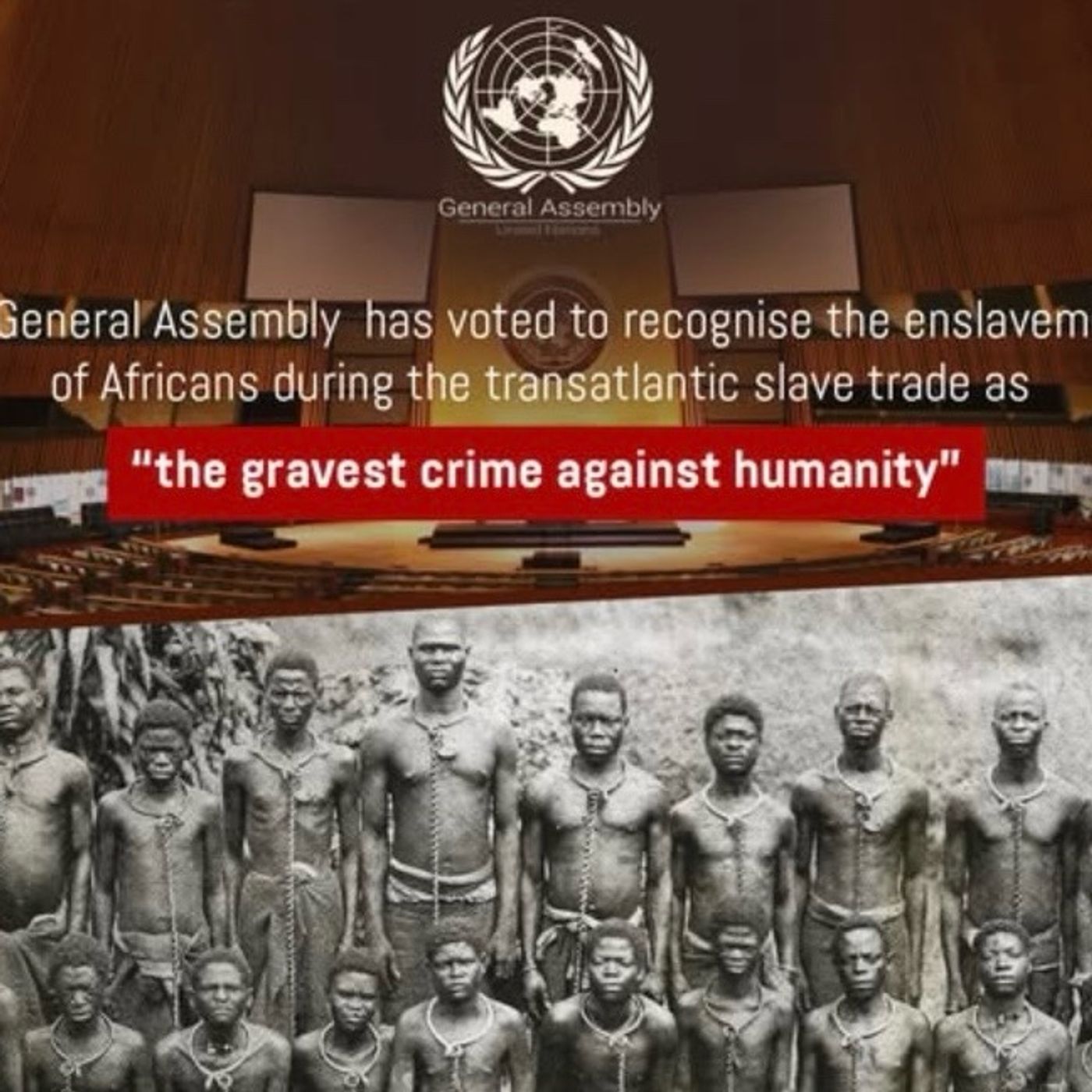
In this episode, I unpack the United Nations’ historic decision to declare the transatlantic slave trade the gravest crime against humanity. Blending history and lived experience as a Black woman, this episode explores the true scale of slavery, its lasting global impact, and the uncomfortable truths behind the UN vote. From the Middle Passage to modern inequality, and from Haiti’s debt to today’s reparations debate, this is more than a history lesson—it’s a conversation about justice. Because recognition matters, but the real question is: what happens next?
0:13Speaker 1Hello everyone, Hello, hello, and welcome back to a new
0:18Speaker 1episode of Zoor Speaks. This is going to be probably
0:23Speaker 1one of the most important episodes that I've ever recorded.
0:28Speaker 1There was only one topic I wanted to speak about
0:31Speaker 1this week, and a bit of breaking news. The United
0:36Speaker 1Nations has officially declared the Translatic Atlantic slave trade as
0:43Speaker 1the gravest crime against humanity, so not one of the worst,
0:48Speaker 1not among many the gravest. One hundred and twenty three
0:53Speaker 1countries voted in favor of this resolution, so it was
0:58Speaker 1led by Ghana, and Ghana is a country whose coastline
1:02Speaker 1still holds the physical scars of this history, castles where
1:08Speaker 1human beings were held before being shipped across the Atlantic.
1:12Speaker 1But even in this moment of global recognition, not everyone agreed.
1:17Speaker 1Who had the United States, Israel, and Argentina that voted
1:22Speaker 1against this resolution and about fifty two countries abstained, which