
Uzo Speaks · Sarah Osondu
In this episode, I reflect on the life and legacy of Damilola Taylor following the BBC documentary Damilola: The Untold Story. I revisit the timeline of his short life, the circumstances surrounding his death, the long road to justice, and the lasting impact on his family, friends and community. I also explore the difficult conversation the documentary has reopened around anti-African xenophobia in British schools, drawing on my own experiences growing up as an African child in the UK. This is not just about how Damilola died, but about remembering who he was, the childhood he should have had, and why his story still resonates nearly three decades later.
0:13Speaker 1Hello everyone, hello, hello, hello and welcome back to a
0:18Speaker 1new episode of Uzo Speaks. This is quite a difficult
0:25Speaker 1one and I got very emotional watching the documentary Damiola Taylor.
0:34Speaker 1It's so sad. And I was around the same age
0:40Speaker 1as he when he passed away. Before I start the episode,
0:45Speaker 1I just want to give a warning that I'm going
0:48Speaker 1to be talking about the death of a child, bullying,
0:53Speaker 1youth violence and xenophobia. The reason why I'm bringing in
0:59Speaker 1xenophobia in the conversation is Everyone's talking about it on
1:04Speaker 1social media. So, the xenophobia discussion, I'm going to try
1:10Speaker 1my best to handle it with care. I think for
1:14Speaker 1many people of my generation in Britain, just hearing the name,
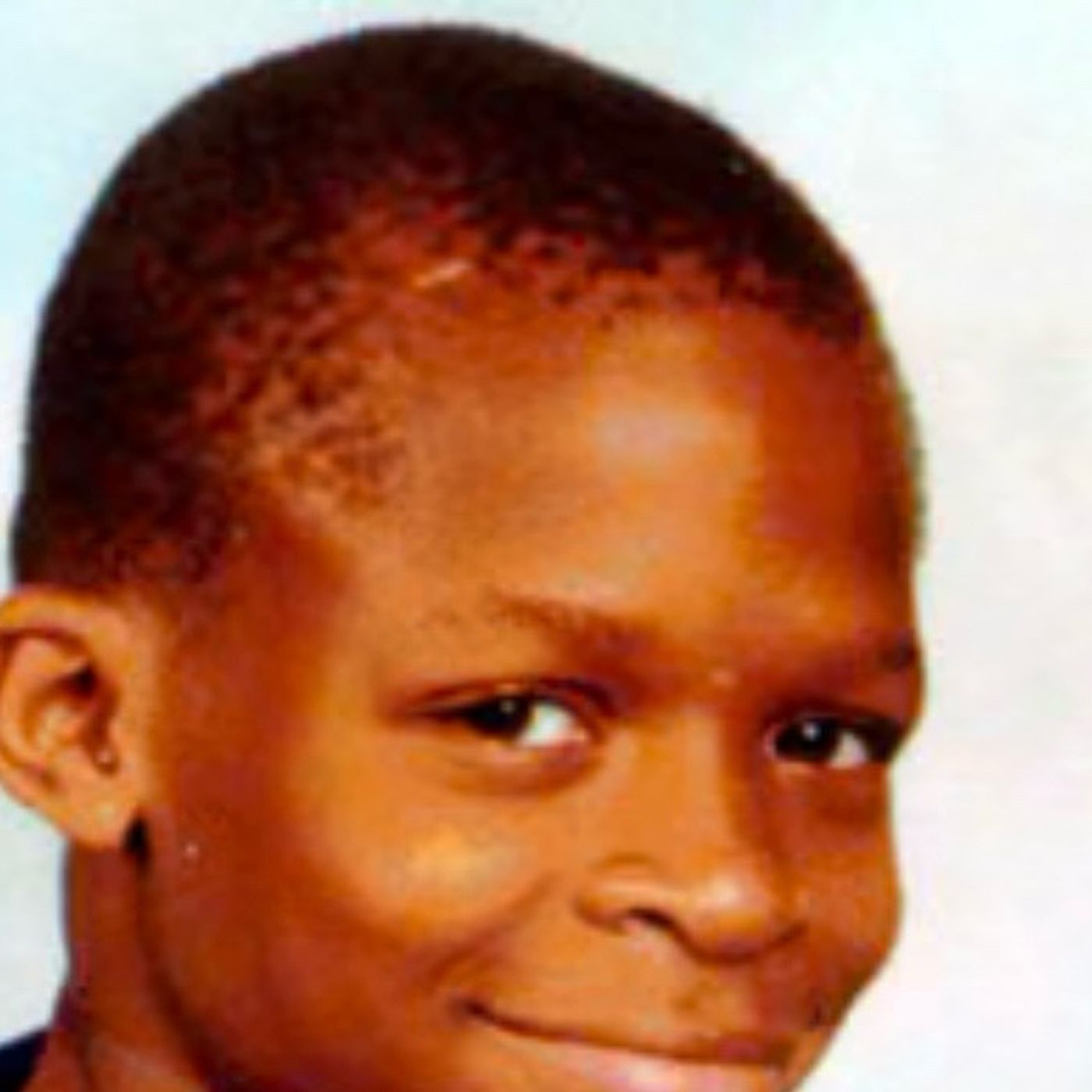
1:18Speaker 1Damiola Taylor, brings something back. We all remember the photograph
1:23Speaker 1and that beautiful little boy in his school uniform. We
1:28Speaker 1remember the smile, but then, the CCTV footage of him