
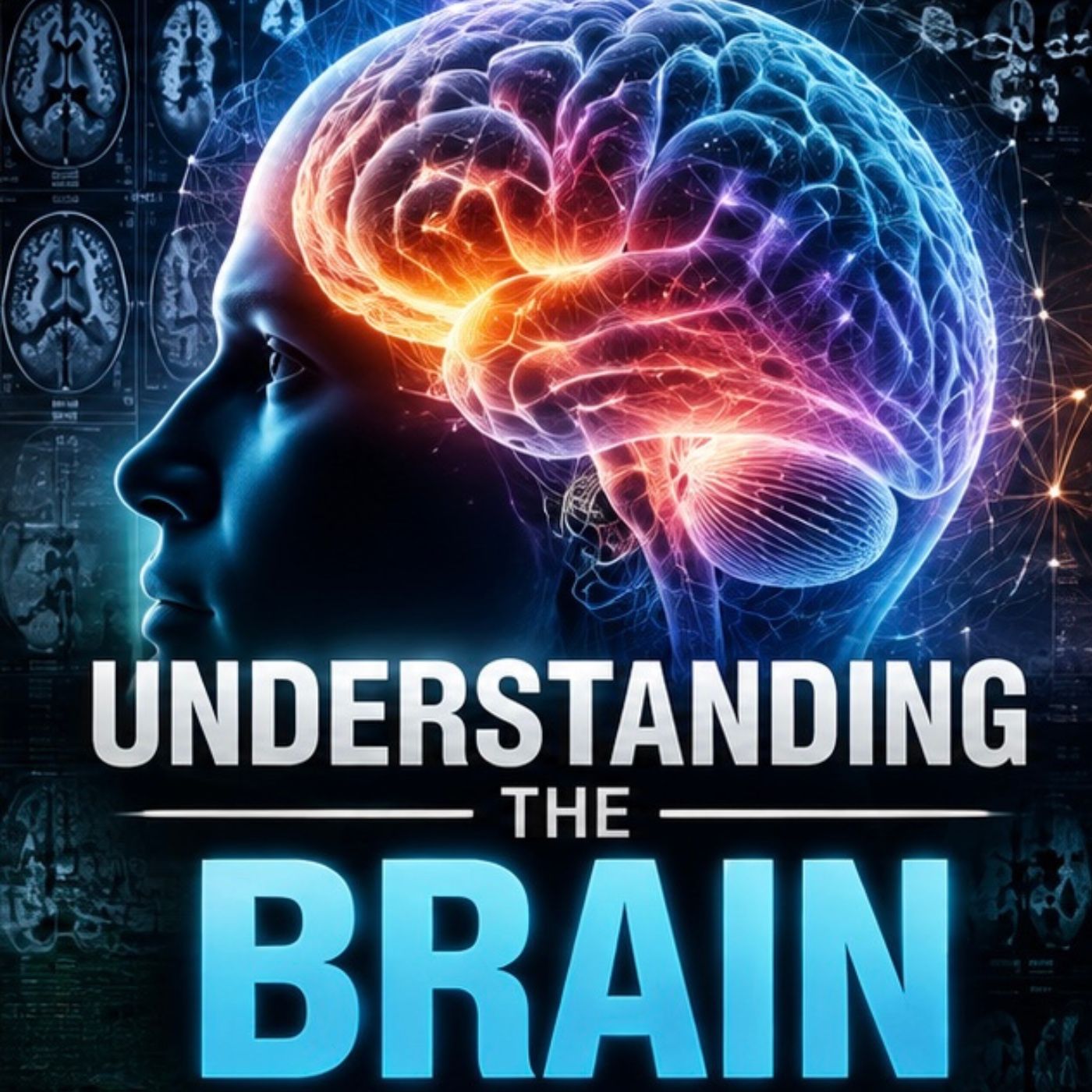
Understanding the Brain · Circle Of Insight Productions
Explore the olfactory bulb, piriform cortex, amygdala, hippocampus, and neural pathways connecting odor recognition with autobiographical memory. Explain the difference between conscious recollection, emotional associations, and the brain's processing of familiar scents.
0:02Speaker 1Today we're going to be looking at our past memories.
0:05Speaker 1So picture yourself walking into a house you've never visited before.
0:08Speaker 1Someone is cooking dinner and suddenly without warning you're eight
0:10Speaker 1years old again. You remember your grandmother's kitchen, the afternoon
0:14Speaker 1sunlight coming through the window, the sound of dishes being washed.
0:18Speaker 1Perhaps even the feeling of being safe, loved and completely
0:21Speaker 1unaware of the responsibilities that adulthood would eventually bring. All
0:25Speaker 1of this happens because of a smell. Why does something
0:27Speaker 1as ordinary as an odor have the power to resurrect
0:30Speaker 1experiences we haven't consciously thought about in decades? The answer
0:33Speaker 1begins with biology. When we smell something, airborne molecules enter
0:37Speaker 1the nose and bind to specialized receptors in the olfactory epithelium.
0:41Speaker 1These receptors send signals to the olfactory bulb, which processes
0:44Speaker 1information about the odor. And like most sensory systems, it
0:48Speaker 1goes through the thalamus before reaching the primary sensory cortex.