
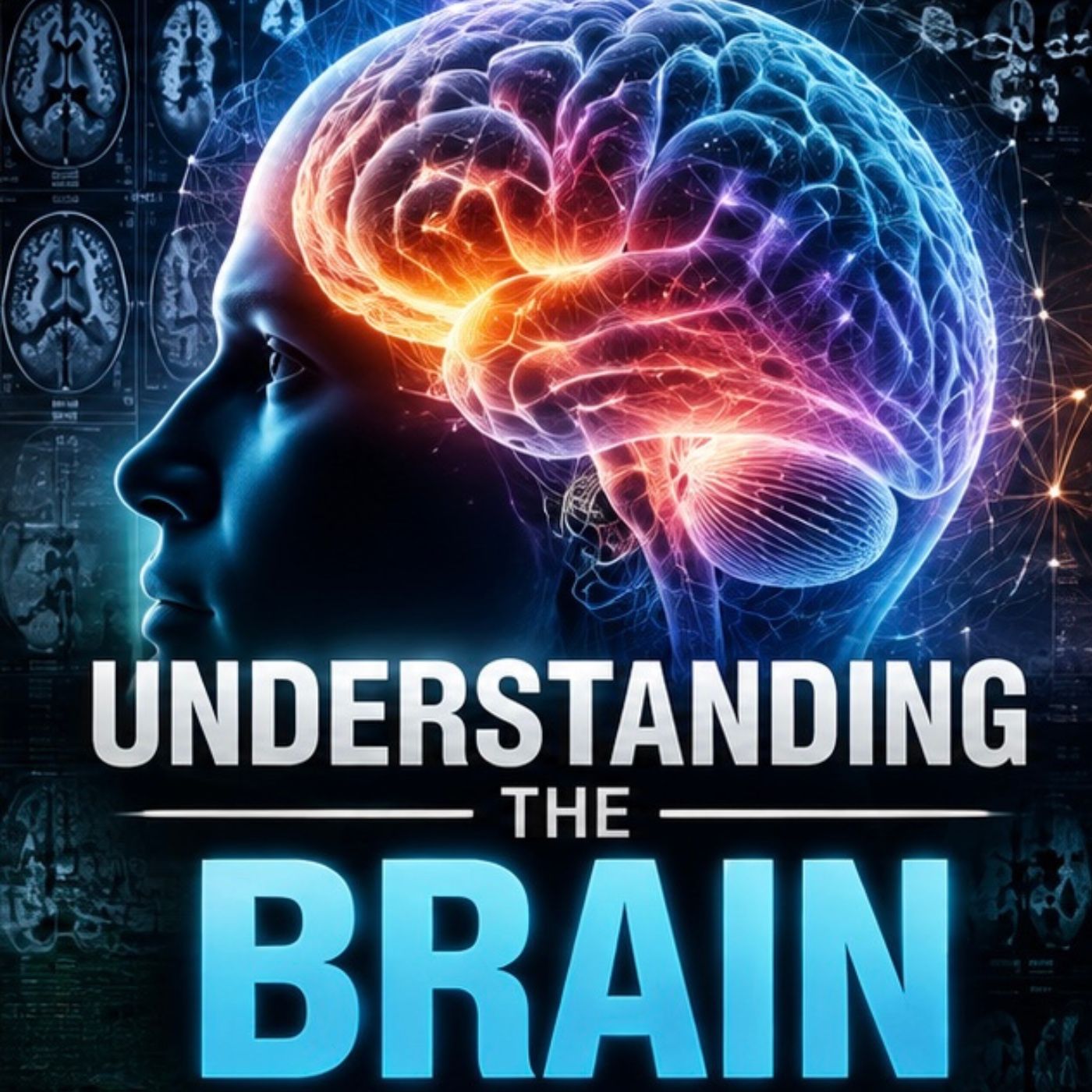
Understanding the Brain · Circle Of Insight Productions
Explore the amygdala, hippocampus, prefrontal cortex, and stress-response systems. Examine fear conditioning, threat generalization, and why the brain sometimes responds to harmless stimuli as though they represent danger.
0:01Speaker 1Why do some trauma survivors become hypervigilant? So picture somebody
0:07Speaker 1sitting in a restaurant with friends. Everyone around you is laughing,
0:09Speaker 1enjoying their meals, and engaging in conversation. Yet you find
0:12Speaker 1yourself watching the entrance, noticing strangers' movements, and identifying the
0:16Speaker 1nearest exit. Nothing dangerous is happening. Nevertheless, your nervous system
0:21Speaker 1behaves as though something terrible might happen at any moment.
0:24Speaker 1For some trauma survivors, this experience becomes part of everyday life.
0:28Speaker 1A hypervigilance occurs, a persistent state of heightened attention. But
0:33Speaker 1why does the brain continue searching for danger long after
0:36Speaker 1the event has ended? Well, the answer involves learning, memory,
0:40Speaker 1and the brain's remarkable ability to adapt to threatening environments.
0:43Speaker 1The amygdala, a structure involved in detecting emotionally significant information
0:48Speaker 1and threats, plays an important role. During threatening experiences, the
0:52Speaker 1amygdala obviously helps coordinate defensive responses while interacting with other
0:56Speaker 1brain regions responsible for memory and attention, like the hippocampus