
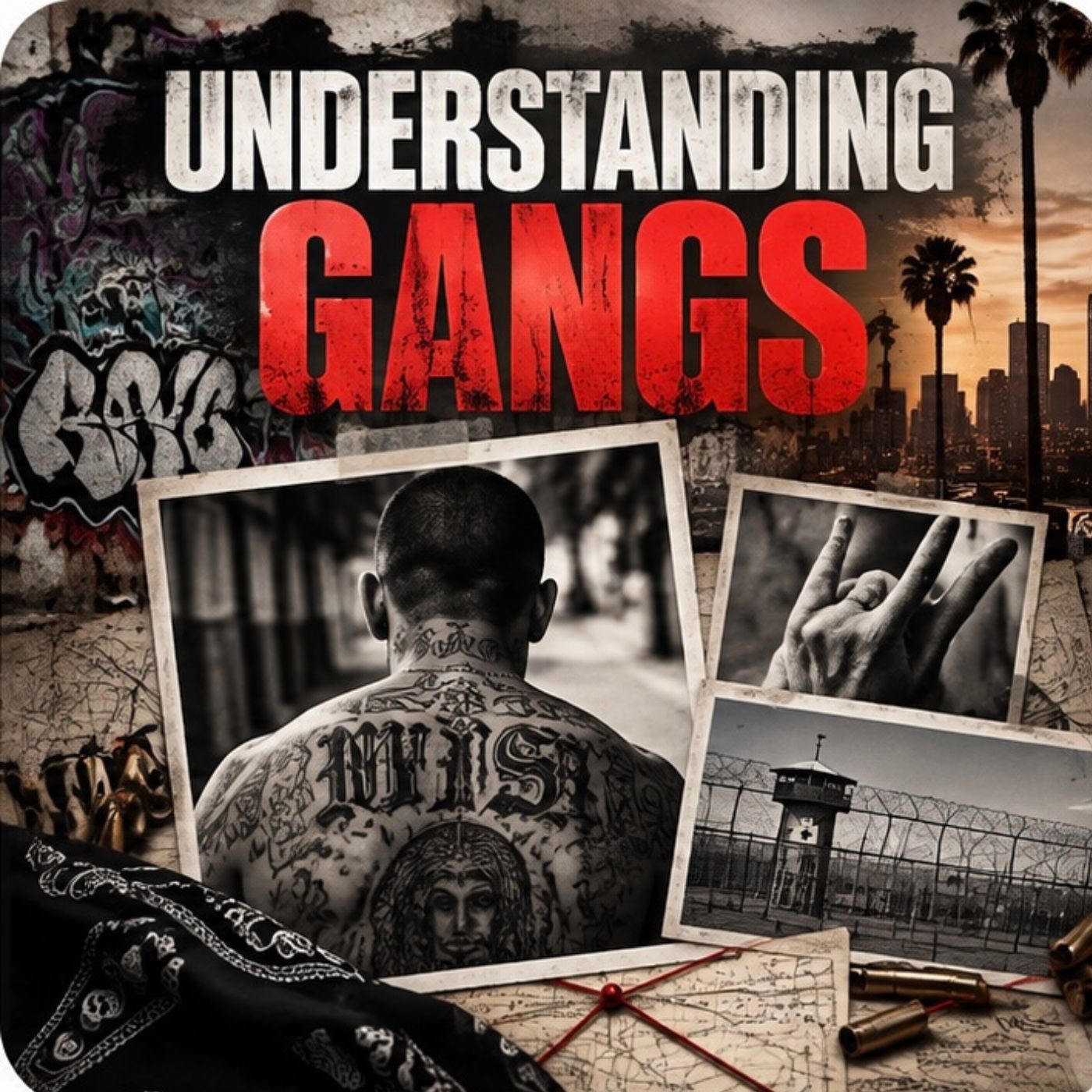
UNDERSTANDING GANGS · Circle Of Insight Productions
Some of the most influential criminal organizations in the United States developed or expanded behind prison walls. But why would incarceration make gangs stronger rather than destroy them? This episode explores how protection, identity, reputation, scarcity, and institutional conditions can encourage gang organization. It also examines how prison alliances can extend beyond correctional facilities and influence street-level criminal networks.
0:01Speaker 1Welcome back, everybody. Today we're heading into the prison world.
0:06Speaker 1So let's check it out. Entering a world where almost
0:11Speaker 1every ordinary source of security has disappeared, you cannot choose
0:14Speaker 1when to leave, privacy is scarce, resources are limited, and
0:17Speaker 1your reputation matters. And the people surrounding you may determine
0:22Speaker 1whether your daily life is predictable or filled with uncertainty.
0:26Speaker 1Under those conditions, belonging to a group can take on
0:29Speaker 1a very powerful meaning. This helps explain one of the
0:31Speaker 1most important features of a prison social organization. Gangs can
0:35Speaker 1provide more than criminal opportunity. They can provide protection, identity, resources,
0:39Speaker 1and a sense of predictability, which is huge for human beings.
0:43Speaker 1From the outside, joining a prison gang can look irrational.
0:45Speaker 1Membership may expose someone to violence, disciplinary actions, criminal charges.
0:50Speaker 1Yet human decisions are made within environments. Change that environment
0:54Speaker 1and behavior that appears irrational in ordinary life may begin