
truthunedited · truthunedited
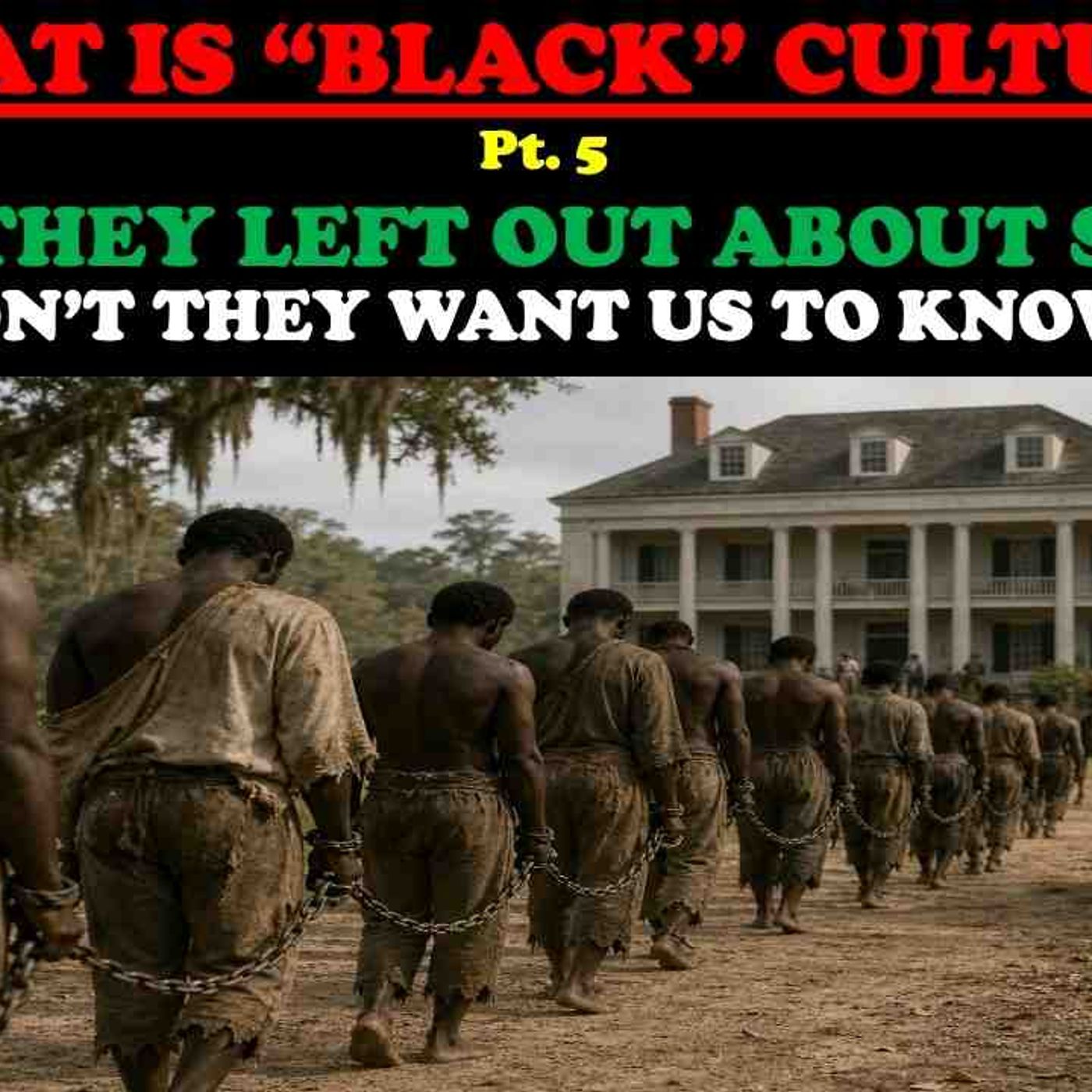
A Fact They Left Out About Slavery: Why Don't They Want Us to Know? | What Is “Black” Culture? – Part 58What aspects of the history of slavery are often overlooked, misunderstood, or left out of popular discussions? In Part 58 of the What Is “Black” Culture? series, we take a closer look at lesser-known historical perspectives and examine how the legacy of slavery continues to shape conversations about identity, heritage, and culture.This episode explores historical narratives surrounding slavery, the experiences of African peoples and their descendants, and the importance of examining historical sources beyond simplified accounts. By questioning what is commonly taught, we open a discussion about historical memory, cultural identity, and the different influences that have contributed to Black cultural traditions.Why do certain historical details receive less attention than others? How have slavery, migration, resistance, and cultural exchange influenced the development of communities and traditions across generations? These are important questions that deserve careful research, context, and thoughtful discussion.Join us for another episode of What Is “Black” Culture? as we investigate history, challenge assumptions, and explore the connections between the past and present.
0:03Speaker 1In the last two parts of this series, Part 4A
0:05Speaker 1and 4B, I had to take a few steps back
0:08Speaker 1from where we were in Part 4 with explaining how
0:10Speaker 1engaged the Rev 2-9s were in the transatlantic slave trade.
0:14Speaker 1We had to go backwards because there was some confusion
0:16Speaker 1that needed to be clarified. And I'm very happy that
0:18Speaker 1that was explained because it was important. Sometimes when teaching,
0:23Speaker 1you can assume that people understand something and then you
0:25Speaker 1just gloss over it. But I'm always happy to always
0:28Speaker 1get to see where there was confusion because it allows
0:30Speaker 1me to be able to know where to focus and
0:32Speaker 1what was discussed in 4A and 4B were very important
0:35Speaker 1to this discussion. I've been speaking about a narrative change,
0:39Speaker 1removing ourselves from what is considered black culture and going
0:42Speaker 1back to our original heritage. When we do this, though