
Time For Heroes · Martin Morel
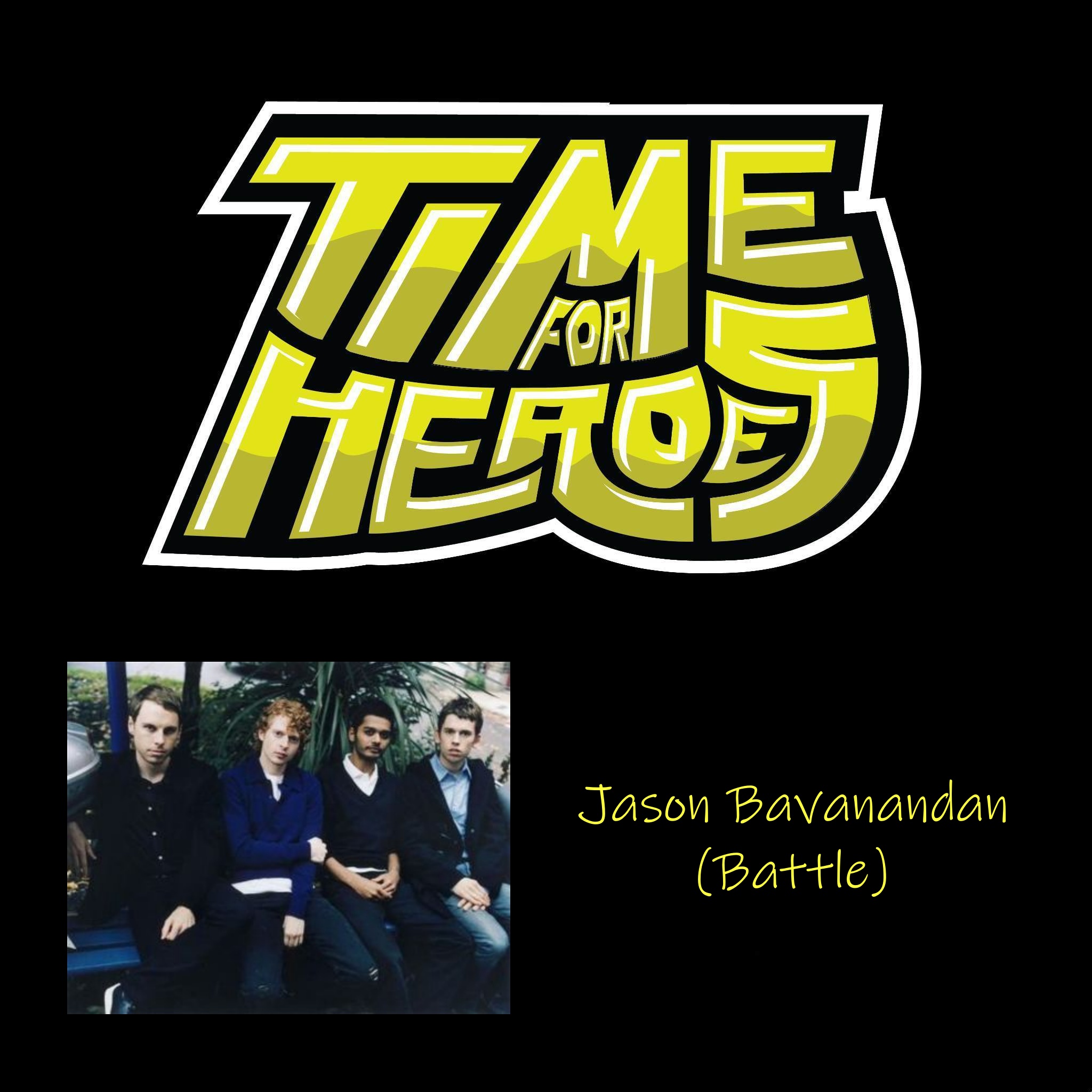
Battle are back! Straight from the heart of the noughties guitar scene and they play their first gig in 19 years at London,s The Water Rats on Friday 8th May alongside contemparies The Mardous and Dustin's Bar Mitzah! Get tickets below: Battle (comeback gig) and Dustin’s Bar Mitzvah with special guests The Mardous | Friday 8th May 2026, 7:30pm | Buy Tickets | Ticketlab Ross (Mardous) and Dave (Dustins) also made an appearance in the episode to sell the gig (the finest collection of bands on a stage since Live Aid apparently and tuna paste sandwiches all round!) We also did the usual Time For Heroes treatment on Battle touching on their beginning, career and comeback and Jason picked an absolute cracking bunch of heroes! Here's all the other links you need: thisisbattle Official: TikTok, Instagram, X, Facebook, Threads | Linktree The Mardous | Instagram, Threads | Linktree Instagram - Dustin's Bar Mitzah Please Like and Subscribe wherever you can and tell yer pals!
Jason: Hi there, I'm Jason from Battle and you're listening to the Time for Heroes podcast. Martin Morel: Jason from Battle, brilliant band, short lived but the return. You got your first gig in 19 years coming up on the 8th of May in London's Water Rats alongside Maldives and Dustin's Bar Mitza. So we're going to talk about that at some point. Hopefully the boys are going to jump in as well and have a about it. ⁓ What I like to do Jason is go right back to the start. What was life like for a young Jason growing up and how did that shape you into band life? Jason: That's a question Martin, it's like, sometimes it feels like it was just yesterday, you like when I was like 15 or 16 I used look at people who were even in their late 20s and I'd think like, oh can't imagine being that old, it just seems so old, like you must be so removed from what it's like to just like have to go to school and you're trying to fight, there's all these things you're kind of rebelling against because you've got all these hormones racing around you, so... think like the very beginning, music for me, and it's gonna sound a bit cliche, but it was always like an escape because I couldn't drive, I was too young to be able to drive a car. And although I was born, bred, based in London, when you're a kid, it doesn't matter where you're from, you just wanna leave the place you're from. Because home feels like a prison, because it's all about rules, you you're going to school and ⁓ can't stay out late and things like that. ⁓ music was the only way I could... just like be as loud as I wanted to be and just like make a noise. So all those early bands that we were in, I was in, were just like thrash punk bands. They weren't really very musical. They were just like hardcore, ⁓ as loud as you can, like smash things up. ⁓ we've got some early recordings from like really, you know, really early on where I'm just like, just screaming into mics and things. Just like having a good time of it, basically. It was like primal scream therapy. So ⁓ what it was like. And then you kind of... very quickly it was like, because you know, I was sort of, because I grew up in the 90s, know, surrounded by these amazing bands, obviously like Namely, Oasis and like Blur and Pub, all those Britpop bands. And somewhere between 96 and 2001, that's ⁓ the height of Britpop and ⁓ end of Britpop, basically, you've got the Strokes. ⁓ when I look back on that period, and I think about in five years, you had the height of Britpop, and then you had the beginning of the Strokes, and like, is this it? That's no time at all. So I think everything was moving so quickly. if you were making music back then, every couple of years, there was just something amazing that kind of came along. And I just remember being in like Jamie's bedroom, we were like playing guitar and we were like, wow, this year we've had the Fat of the Land by this was like 1997, like the Fat of the Land by the Prodigy came out, Urban Hymns by The Verve, Being Here Now by Wases came out, which I actually thought was quite a good album. And then of course, OK Computer. That was just like four albums of like loads, think Songs from City by PJ Harvey, that was out as well that year. ⁓ just like, looking back it was crazy. basically you either played football ⁓ you were in a band. I that's about it because computer games were rubbish. So nobody I knew was really gaming. It was just like football or music. Martin Morel: Mm-hmm. so, touching on football then, were you into football and the FSO football team? Jason: Do you know what? There wasn't... I had a brief flirtation with ⁓ Millwall just because I'm really into local things. I like stuff that feels... that's just like close to home. ⁓ But was just too... it's just too rowdy. ⁓ It just people going there to fight. So I had to kind of give that up. And to be honest, ⁓ music an obsession from like the age of seven, really. I was just obsessed with how it worked. I was obsessed with the idea of like... the seven inch single, like what that meant, like how you could do so much with like three minutes and how you could be that influential. Cause you know, you get influential movies, but they're like three hours long or a book, which might take you three days to read if you read it nonstop. But in three minutes, you could like change someone's entire worldview. And it happened to me a lot. I'd hear other people's music and it would completely change the way I felt about who I was going to be. You know, like again, another bit, a bit of a cliche, the first time I have heard, you know, I wanna be adored by the Stone Roses. I remember everything about it. I remember driving across, it was like Tower Bridge, sun was shining, I was with my cousin and he was like, you've got to this band called the Stone Roses. And I was like, yeah, I think I've heard someone mention that band before. And I was like, I was a kid and he played the album from start to finish. And of course the first track is I wanna be adored. And from the opening strings, I wanna be adored. I was like, my whole life has just changed. I know exactly what clothes I wanna buy and you know, like. I kind wanted to become Mancunian in that moment basically, was just so powerful. And that was like what three minutes of music is, I don't think there's anything else out there that does that to people. Martin Morel: as we mentioned that, here's Ross. Ross is just going to join us. Jason: Awesome. Martin Morel: What am I? Hi Ross! Hello! Jason: there he is Ross (The Mardous): Hi Martin, how are you doing? Can you hear me okay? Martin Morel: Yeah, we can hear you fine. Yeah. So obviously I've got Jason on. We're doing the full Time for Heroes podcast with Jason, but I thought I'd just get yourself on ⁓ Dave who's just joining now. Just for a wee five minutes and just a wee bit about this upcoming gig. Obviously for yourself, Ross. Ross (The Mardous): Hello. I. Jason: Thank you. Martin Morel: I mean you've done this nostalgia thing just last year, you did the gig with the Cribs and the Paddingtons, so how does it feel getting back on with these boys? Ross (The Mardous): Yeah, amazing. Really great. I can't wait actually. Really, really cool. I feel like brothers with the same cause really. Yeah, it's gonna be great. Can't wait. Martin Morel: And that's as the 8th of May at the Waterlats as well, which is obviously an iconic London venue, obviously the big part of the Oasis story. So, what does the Waterlats hold for your free bands? Jason: you you Ross (The Mardous): I think for myself, was like growing up as a teenager, like sort of living in Scotland, going to London, was one of the places that was on the map to play in London. And I certainly did in other bands, playing the water rats to literally one man and his dog. But it sort of water rats and the Dublin Castle were the ones that you kind of, know, quite significant for. often come in bands but since then, yeah, sort of recognise the Watrats sort of history has been a sort of vital place to play in London and can't wait to get back there, yeah. Martin Morel: Dave, so we were talking about the water rats here, what sort of memories have you got about the water rats back in the day? Dave: I think I ⁓ the first time played water was I think it either ⁓ John had a night at water rats and the water rats It used to be proper shithole. But ⁓ in good way, in a way the bar fly was like a shithole. Martin Morel: you Mm-hmm. Dave: think Rats a weird one ⁓ because it ⁓ somewhere you'd go you were playing or if you were to a band there. ⁓ Do you what mean? Because ⁓ wasn't in Camden. Like Barfly, I through a stage of just going to the Barfly ⁓ every week. Martin Morel: Yeah. Dave: probably multiple times because it was open till like 3am there was a fucking off-license next door to it fucking that was also open till 3am this is when I was back on my back back when I when I when I would like I know I was convinced that I'd I'd only ever spend 10 pounds on a night out but I I was probably spending more than £10 but yeah so what rats Martin Morel: You'd be struggling to have a good night out on £10 down in London anyway. Dave: Oh man, like, I mean, you couldn't, like, could barely buy a beer in Camden for a tenner now. But, um, but yeah, like, like, war rats and, that was, that was the great thing. There were these, still these, like, dingy... venues that like don't want to insult Ross because he was the ⁓ was the Fucking deal whatever you call it. He was He was the person that welcomes you gets your sandwiches. yeah, was a shithole. But ⁓ in good way. You can't really call somewhere a shithole and then say, ⁓ no, but in a good way. But it was. I know were certain venues in Glasgow. can't remember the names of them, but you'd go into them and you'd look around and go, yeah, like, this is gonna be, this is gonna be decent. then it's like, ⁓ also, I remember once we were playing Birmingham tour ⁓ and ⁓ walked a venue and it was built into a shopping center and you're just like, no, it's all a bit too clean. ⁓ Martin Morel: Yeah. Mm-hmm. Dave: yeah like yeah i i i just i've always like a real soft spot for water rats ⁓ because the there is it's ⁓ I'm not too ⁓ great ⁓ you I don't really understand like the physics of the way ⁓ kind of travels around the room or anything but it's like of it's the right shape like you know what mean in the same way that the bar-flowing Camden was just like the perfect shape and that was completely by accident because that was just you can tell that was just like the upstairs room at a pub but it was you go you play the bar-flowing it would always sound amazing play the water-rats and it would always sound amazing well I mean ⁓ yeah ⁓ Martin Morel: Yeah. So all these years I'm going to bring ⁓ back in. Ross, obviously you said that you've been recording today, is new that you're recording? Ross (The Mardous): ⁓ I just walked in. It's been a bit of a weekend, so I'm a bit all over the place and I'm cracking into the pine and Guinness. It's... Yes. Sorry, I don't know where I'm at. ⁓ Yeah, we've of session two of new tunes. We've been in the studio for that. We're doing sort of three or four days at a time. And so we've got, I think, half an album ish done now. Very exciting. Martin Morel: Yeah sure sure Mm-hmm. So I guess what I'm saying then obviously that this gig is just under three weeks away so will there be any of these new tunes getting played ⁓ live at the water vats? Ross (The Mardous): From us, yeah, definitely. Yeah, maybe maybe more more than we'd normally do probably. Certainly so for maybe five, but we're sort of sneaking them out onto SoundCloud so that so that people can kind of have a listen to them, even though we're not. We're not putting them out for awhile yet, so hopefully. I'll be appreciated. Dave: Thanks. Martin Morel: Mm. Jason, obviously, first gig back in 19 years, so have you played on the same ball as the Mardus and Dusters before and if so, how easily is he to slip back into this band thing after that long out? Jason: Yeah, it's a good question. I don't think we played with Ross before, we definitely played with Dave at least once. Back those sorts of earlier shows, they were ⁓ closer our punky beginnings, so really sweaty, like toilet circuit gigs, which ⁓ I always love. I totally agree with Dave about when venue sizes are ⁓ just right size where the sound coming off the amps on stage mixed a bit with what's mic'd up. gives you the perfect level to match against the drums. So those are definitely like my favorite shows when you get to around no more than like three, four hundred. so getting back into it has been like ⁓ real reminder of like when we were like an actual like bang in a garage or we used to rehearse ⁓ an underground bank vault. So it's been like your memory just does kick back in. You can't remember all the chord positions initially, ⁓ but weird how it is like riding a bike and I've not played in a band in that long. I've made a lot of music with other people and played a lot of different things. I've always stayed in music, but I've not played in a band and I wasn't sure what it was going to feel like. But it was like like hand in glove really. Because I think I've been doing it from such an era, like literally from the age of like 11 playing in bands. So now doing it, it's almost like it's like I to give it up, but it was so deep in me that. Martin Morel: Mm-hmm. Jason: I just couldn't, I tried for like 20 years to not do it. I tried to almost quit it, but it just wasn't possible. And then I go back to it and it's the most familiar thing ever. It just feels so normal doing it. I didn't think it would be like that to be honest. Dave: like crystal meth. Jason: Exactly like that, Martin Morel: ⁓ So I know to keep yous too long Dave and Ross, so Dave just kinda before I chuck these off, just in a few words, sell the gig for us. Dave: Okay, hold on. Let me think. not... Not good salesman. But is probably to be the best ⁓ bands playing. on occasion since Aid and unfortunately we've got paid venue costs and stuff we ⁓ can't really any it to ⁓ Africa ⁓ but Martin Morel: but I will get. Dave: would probably take a lot of research because you just end up giving it to the wrong people and before you know it you've some kind of ⁓ genocide in ⁓ don't know. Bikini Fassu or something. ⁓ can buy tickets. We've all links on our Instagram page. So buy tickets in advance. Don't be one of these people who turns up, you know, you will be able buy tickets on the door, but it'll be cash and ⁓ don't ⁓ turn up a card and try and pay with that. well mean you probably can actually I don't know just just just just just turn up and and bring at least 15 pounds with you and make sure I don't know make sure you've eaten a hearty meal before you come and yeah yeah Martin Morel: Brilliant, that's a hard self for Dave, for Dustin's. Ross, yourself man, some final words about the gig. ⁓ Ross (The Mardous): Yeah, I'm not sure if this happened at Live Aid but if you want me to make you sandwiches, if you haven't had a meal I'll be happy to do that. come along, I'll make a mean tuna paste sandwich with cucumber. I'm happy to take orders on those but I need them a week in advance for sure. No ⁓ on a serious point there's been ⁓ Martin Morel: serious point. ⁓ Ross (The Mardous): There's been a bit of a quite a revival. sounds really obnoxious but with the real deal like we were around, we were playing in London around that time and it's going to be great to have three bands from that era playing on the same bill again I'm really excited about that scene just sort of celebrating their roots and coming alive again it's going to be great I can't wait honestly it's going be great. Martin Morel: Brilliant. And one last hang-ross. Obviously, I've seen this baby Shambles teasing a Margate gig. So I might take you up on your offer. I know the last time I had you on, you said if we played down in Margate, you'd put me up on your house. if the dates are right, then I might be giving you a wee phone call. Ross (The Mardous): I mean, I mean, I mean, I mean, mean, I Martin Morel: Ha ha. Anyway. Ross (The Mardous): I'm just gonna do it. Martin Morel: I can't hear you. Anyway, that'll do us anyway Ross, Dave, man, thank you very much for coming on. Ross (The Mardous): Thanks, Martin Morel: I'm going to chuck these off now anyway Dave, so ⁓ ⁓ Jason will continue. Thank you very much Ross. Ross (The Mardous): Cheers Martin, good to see you boys. Cheers Jason, cheers. Bye. Jason: Say that Martin Morel: the band, kind of like you and Jamie. met at school and then then for what I'm led to believe he's he's went to uni with the sole intention of starting a band is that right? Jason: That's right, yeah. Yeah, that was the only way we were going to meet people because you know like, in the days before social media, you didn't really know who you had around you and that's why I really feel for people who weren't, it must have been even harder if you weren't from London, I assume, because when you're looking for, everyone plays guitar, but you can't find, drummers are like, trying to find hen's teeth or something, you know what I mean? It's like, same with bassists, so we were getting stuck trying to find people because everyone just wants to play lead guitar. Martin Morel: Mm. Jason: And then we were like, where are we going to go? We need to go somewhere that's not too far and somewhere that's got a known reputation for having bands and things. And so we found out that Canterbury, we sort of visited, I visited a whole bunch of universities and it turned out that when we went to Canterbury, because one of our mates in the year above, he was a musician too, we'd go and stay with him when we were in final year of school, when he was in his first year at uni. So we'd go and stay with him. I ever saw was people walking around with drumsticks and basses things. I like, this place is amazing. ⁓ So like, right, let's ⁓ basically that plan. Let's just go there and we'll be drowning in thousands of musicians. got there it wasn't quite like that. Couldn't find any bassists. ⁓ They were all too tall or they were into new metal. ⁓ So, but in week... Martin Morel: I mean, I thought all bass is worth to all anyway. Jason: Yeah, they were all called Matt. For some reason everyone we met was called Matt and they were really tall and they were really into Limp Bizkit. I mean, I wasn't against Limp Bizkit but just at that time it was like there was a bit of a divide in the kind of sort of like you're in the live band scene, you know. And I was like more into sort of, you know, like at the driving or things that were kind of on that further end of it, you know. But yeah, Limp Bizkit was like a bridge too far at the time, you know. Because we loved Korn, know, and like Type I Negative and... Martin Morel: Mm-hmm. Jason: But yeah, the Limp Bizkit thing was kind of like new metal wasn't quite for us. So the time anyway. ⁓ we found what we did find a bassist who wasn't called Matt and he wasn't like seven foot tall and he wasn't into Limp Bizkit. ⁓ ⁓ was into the Pixies and ⁓ a lot of like new wave stuff. And he brought a lot of cool influences into what we were doing. So that was great. And then we, yeah, we met our drummer and ⁓ happened pretty quickly. And then we just rehearsed every day. literally the only time we had off was if You have to go to a funeral or a wedding, really. But that was kind of about it. We were too young to know anyone who was getting married, so we didn't really have any days off, really, and just did it. And to be honest, also, before social media before video games got good and stuff, life was actually quite... It was a lot more chill, bordering boring, actually, because what else are going to do? You just chase and ⁓ you just and you just play in your band. Martin Morel: Mm. Jason: I used to look around at people who didn't have that kind of stuff, who didn't have a hobby like that, and they were just bored shitless. They just didn't do anything. And I was like, thank God we've got a band, because what else would we do at that time? Martin Morel: Mm-hmm. with the band obviously settled on the name Battle but obviously started out as Casper Jack ⁓ evolved into Morphic Fields and then Killen Muncy. What was the story behind the band names and why did you settle on Battle? Jason: We kind of went through the eras of influences. When we started taking being in a band seriously and stopped just like shouting and smashing things up, we got into bands who kind of did that but in a more musical way. So like garage rock bands from the 60s, like suppose the Sonics was a big thing, but then like the Small Faces and ⁓ through that kind of linked back to I had a really early formative love of Motown and Soul. That's the kind of music I grew up with that was being played in my household. Very soulful music. There was a lot of reggae, but a lot of Motown, lot of disco. bands like The Small Faces, like Steve Merritt and The Small Faces had a huge influence on me. And through that I discovered the jam and style council. So the Casper Jack thing came because my dad was the best dressed guy back when he was like... Martin Morel: Mm-hmm. Jason: in his 20s and he had loads of like just cool clothes that he'd actually kept and in the jacket of one of these velvet sort of like, was like a suede jacket. There was this label called Casper Jack and I was like, oh, it must be some famous fashion house or something. Couldn't find any other clothing by this brand. So was like, well, I'll have that then. So we called our first band Casper Jack and it was a very like mod kind of band and there were lots of rules about it. Like we couldn't have any effects, like the guitars had to be plugged straight into an amp. Martin Morel: Mm-hmm. Jason: It was just the sound of your guitar in your amp and it was just that kind of sound. Very raw and quite, yeah, just raw really. And then as you kind of like get into, that was like the sixties, then you just kind of discovered the seventies and then ⁓ punk, obviously. And punk that raw thing, which really appealed to me in the Sex Pistols and at the Buzzcocks. And that then took us into needing, almost like needing a new name because we were kind of growing out of the Casper Jack thing. ⁓ So we kind Morphic Fields was this kind of more psychedelic thing. There was a band at school about a year above, a couple of years above me called Morphic Fields who disbanded. So I was like, I like that, we'll just have that. We were just forever stealing things. Nothing was ever original with us. And the most obvious and blatant theft was when we discovered Post-Punk, After-Punk, and then like The Killing Moon by Ed Kona Bunnyman. Just to this day, the opening guitar lick on that, just like, it's so transportative and so evocative. And Post Punk for us, with Echo and The Cure and Joy Division, Smiths, Wedding, Present House and Love, all those groups, they had that thing of like, they were really minimal in the way punk was, but they had just the right amount of effects, the right amount of reverb basically. But they were gothy and they were kind of like, it was all very midnight vibe, like they in a cemetery or something, it was just dark the whole time. And that really, really appealed to like... the 21 or 18 to 19 year old selves, we're starting to get a lot more moody with stuff. And in yourself, you start to feel quite brooding and a bit morose about life. we were faced with the idea of being, sort of getting chucked out of ⁓ teenagers into this new adult world, where think you get to stay younger for longer nowadays, but kind of back then, we had friends who were just getting jobs at the age of 21. Martin Morel: Mm. Jason: getting married in their early 20s and having kids and I was like, oh, I don't know if I want to really, like the world feels a bit grim actually, you know, and at this like, we're in this new, new century, like, you know, we, we, like we got the 20, like the whole 2000 thing behind us, but there was like twin towers, you know, 9-11 happened and everything just started nose diving. It was like the world feels like really shit. And then there was an economic crisis and housing crisis. And I think, yeah, like Martin Morel: Mm-hmm. Jason: Being in a band basically became the only safe space to be, you know, because we started traveling a lot. We'd all traveled independently, but when you travel through being in a band and you see the real bits of not just the UK, but and America, you that it's not all ⁓ that cracked up to be. it's ⁓ yeah, pretty grim, especially going across America. was just like, you just go to these really... ⁓ Martin Morel: Yeah, totally. Jason: When you're in the middle of Bible bashing, gun toting, fucking butt fuck nowhere, you're just like, what is this place? Why does it feel like we're a hundred years behind? So yeah, think it felt like safe place to be. So then when we got to battle, that's the thing, for us it felt like to be in a band, you do have to just fight for what you want. There was that emerging idea that you can just kind of manifest your life. follow your dreams, just manifest what you want. it's like, I don't think life is like that. I think if you really want something, you've got to be prepared to sweat for it and fight for your dreams. Even just fight for a normal life, because if you just sit back and sleepwalk into a really, just a life you don't want, it might be a nice life, but it might not be the life you want, and therefore it's a shit life. And that happens because you don't fight for things. So really, ⁓ was what it was about. It wasn't because we rehearsed near battle or... any of the other theories around it. There was a song by Wookie, it a garage song, because garage was happening concurrent to Britpop and we were all into garage. Jamie and were massive garage heads. We were always trying to find ways of getting garage into what we were doing. And this song by Wookie called Battle came out and was the opening, well the lyric on the chorus was, every day it's like a battle, but we'll push on through. And I was like, well that's exactly what we're trying to do here. that's how it kind of came about really. then so from Casper Jack to Morphic Fields to Killing Moon. Martin Morel: Mm-hmm. Jason: battle and then it felt like okay that's our thing even though we nicked it again we're always nicking stuff so we nick this nick the name from a song that was like the most original we felt you know Martin Morel: Yeah. we get on to your releases and the of your career, obviously you Limp Bizkit, ⁓ so, round that time, because I remember the music ⁓ that was for me was Travis Coldplay and Brace, and then you had Limp Bizkit, Eminem, and that's there was at that time. The strokes appeared and it just seemed to kickstart everything overnight. I can't mind talking to Ross when I had Ross on the podcast before and he said much things changed when the strokes appeared. So it's your kind of recollection of that. Jason: I think Ross and I, we might have even spoken about this as well, it was everything the way rock history books have remembered it, was like you say overnight, it just kind of ripped it up and started again. It sort of reminded you that ⁓ was a way to music with guitars that... Because I Britpop obviously heavily referenced the 60s and it didn't really touch the 70s, not much. And think in ⁓ this country, had a memory of the 70s being more of like glam, ⁓ rock, you like... Slade were great, but there was the Bay City Rollers and then there was that whole kind of like Laurel Canyon singer-songwriter scene. So the 70s, for us growing up, our, we didn't have a memory of it, but our understanding of it was it was this quite tame thing, but with the kind of like more teeny-bopper stuff happening band-wise. But in America, they had the whole like CBGB thing. So you had like Blondie and the Ramones and Talking Heads. ⁓ was their kind of to punk, you know, and sort of, and then the new wave stuff like Devo. ⁓ it was... ⁓ really interesting but it was way more underground because we didn't have that social media to connect us to all those groups in the way a young kid might now. If you didn't have someone who passed you that record, like the best of Divo or best of Blondie on the CD, you were kind of outside of that, you only knew what you knew, what was around you. And obviously, of course, 70s was about disco in this country, was like punk was quite short lived and it was mainly about disco and dance music. A lot of it was great, like Sheik for example, one of the best bands of all time. So the Strokes for us was like a gateway to this whole parallel sort of pantheon of bands and artists that we'd heard the names of but we hadn't really had a chance to listen to. So once we were like, you could spend a whole year just listening to Talking Heads and just be like, what the hell have I fucking missed this? And then through that, you then get into the UK counterparts and things that were happening the 80s like Duran Duran and Massive obviously and Spandau, but what about Talk Talk? Tears for Fears and all these really cool synthwave bands. So then you'd look back and start looking harder because again we didn't really have the internet was there but it was shit. So you'd then go into record stops and start kind of crate digging and looking for obscure CDs and then once you found this stuff it was like oh my god this is incredible and it also happened to be our 20 year look back because when you're 18, 19 you look back and Martin Morel: Mm-hmm. Jason: you start to romanticise the era around when you were born, so was early 80s, mid 80s, and you want to know more than what the charts were telling you, and you start to develop a sensation or an idea that the charts are probably a bit rigged, that kind of pay-o-la thing's happening, so you're like, okay, well, what was actually going on, like, in the scene? yeah, so the strokes really were like a passport to this forgotten stuff, and, because, you know, because Britpop did, you the end of Britpop was the fag end of it. Martin Morel: Hmm. Jason: like the fag end of any movement, was just a bit like, it got bad, know, like it got kind of a bit boring. And I think when Travis, like the album, The Man Who came about, I think people were just ready for just a reaction to Britpop, you know, like had that album come out, you know, the height of Britpop, it probably wouldn't have just wouldn't have done very well, but the time was right for a more laid back, like less kind of like Larry laddy sound guitars. ⁓ I think Coldplay, you know, like they did, ⁓ was the right time for them. Martin Morel: Mm-hmm. Mm-hmm. Jason: I think Coppola are great band. I they were a reaction to Britpop and all the excesses that went with it. Martin Morel: Yeah, and that's the thing, you have all these musical cycles come after each other, everyone's a reaction to something beforehand and that's how we get to kind of your scene. So I mean like 2005 you started releasing obviously your debut, Isabelle, which did that come out in Fierce Panda? Jason: Exactly. I've just, I've lost you for a moment, but I think you're back. Martin Morel: ⁓ Yeah, as a bell for what I've got down here, come out in Fierce Panda, is that correct? So obviously Fierce Panda had Simon Williams, he was very early on in podcast. Fierce Panda, brilliant label, it's released stuff like Ash, Embrace, Coldplay, ⁓ Idlewild I think as well. ⁓ Your first release got... Jason: That's it, yeah. Yeah, I'll play again. you ⁓ Martin Morel: on fierce panda and you must kind of that must be your kind of sense of you're going in right direction. Jason: yeah, Martin, mean definitely, Simon was already a legend then and Fierce Panda like a known ⁓ like cool was like, you know, had like Rough Tray with Jeff Travis and Fierce Panda, but Fierce Panda were way more, felt more kind of like ⁓ even ⁓ you like almost like bedroom thing, you know, and I felt Simon Williams was such a, had such a good ear. So he was so enthusiastic about us and so ⁓ positive and supportive Martin Morel: Mm-hmm. Jason: He, I still remember the questions he asked me very early on, like very probing questions about like that were bigger than music. mean, one time he said, you know, are you, are you working from the inside out or from the outside in? And I was just like, question floored me ⁓ I was like, don't know. I don't, you know, I still don't know actually what the answer to that is, but to be aligned with some of those artists, ⁓ Idlewild as well went like a huge influence. just loved the way. know, when I started playing much bigger shows in arenas, for me that's when, that I lost interest but there are some bands and some groups that should just play, should always just play in front of like 500 people ⁓ you feel you can see the whites of their eyes and ⁓ see a band like Idlewild back then doing sorts of much smaller shows, it's like, ⁓ it's a great group and Simon Williams, think he understood how to market groups of that size, you know. Martin Morel: Mm. Jason: I genuinely don't think he's got interest in like, don't know, I can't speak for him, but it felt like he didn't have an interest in doing that kind of stadium level stuff, know, he wasn't in it for that. Fierce wasn't about that, it was quite grassrootsy and discovering raw and trying to help that talent ⁓ find its ⁓ So that a big thing and ⁓ we were very fortunate that he was as supportive as was to us. Martin Morel: And then your second single Demons, transgressive records, sold 1500 copies in a day. So again, with every release, there's something about it. How did that feel ⁓ selling out your copies in that time? Jason: I mean you don't think you're ever gonna sell... can't kind of fathom 1500 people going into a shop on one day ⁓ buying ⁓ of that. There a lot of hype around us that I think that's definitely gonna like... It's fair to say that that's gonna help things. But no one thought it was gonna ⁓ sell out a day and just... It's a lot of product to shift. it was Transgressive, they were very young at the time, I think they were like 18 or 19 and just sort of, we were like the first artists that were kind of, know, first real artists that they'd been working with. So no, it's not like they were even like vastly experienced, but what Toby and Tim are Transgressive had, more than anyone that we were speaking to, it was that a lot of like, just belief. in who they were and what their vision was for their label. think people like Simon Williams were influential on their approach and they great label people. ⁓ They how a label should ⁓ a and what small steps you should take early on. Because it's the first few steps, getting from A to B to C are the hardest steps. think once you get to C, ⁓ C to Z kind of pretty... pretty easy right? pretty easy because selling the first thousand is the hardest thousand you'll ever sell and then from thousand onwards it just gets easier so that was a big big surprise and we never took any not a single sale for granted because you still can't believe that anyone more than your friends are gonna turn up to your show. It's such a privilege right when people turn up you don't know who they are they're just strangers and then they know all the words and they've got the vinyl with them you know and like Martin Morel: Yeah. Mm. Jason: It's just, don't know, it's still so much gratitude, ⁓ more so now obviously, because it's so much harder to achieve that. Martin Morel: Yeah and then into the following year and you released more singles you released Tendency, Children and what was the other one? Dynasty was it? Beautiful Dynasty and then kind culminated and the kind of what are we calling it an EP or a money album? Back to What would you class that as? Jason: on. This is... Martin, I'll go with whatever you think it is, because I still don't know, because this is kind of where the wheels start to fall off. Because we ⁓ now, I do understand, one of the few things I do think I understand is that we were always meant to be a smaller, more punky band that worked thick and fast, just put things out quickly. because ⁓ we'd signed a deal was like a joint venture with Warner Records as well because they offered us a lot of money and ⁓ we didn't a lot of equipment and there's a lot of things we need to buy ⁓ so it of seemed like good idea but then when you sign with a major ⁓ you then into like the ⁓ A &Ring and the kind of the agenda of a major label which is absolutely fine but sometimes there's conflict of interest in terms of like or a conflict of the agenda of the smaller label and what they want for you, which might be what's right, and major label that has to recoup that money. So we'd made our ⁓ album. We'd gone off to Jacob's studio, which is where the Smiths had recorded, and the Arctic Monk has just gone in to record whatever people say I am. ⁓ And were going in as they were coming out. And we'd made our album pretty quickly. ⁓ And sounded like we ⁓ did And that was the point. we were quite a ferocious, tight live band but at a major label level they felt that it major label sounding enough because you know back people were starting to record to like on the grid you know, to click tracks and things were sounding a bit cleaner and just a bit more radio. ⁓ Basically wanted to be a little bit less ⁓ Radio as it was, XFM at the time and a bit more like Radio 1 which Martin Morel: Mm-hmm. Jason: which we probably should have pushed back on a little bit more, but when you're that young, you assume the people who are older than you just kind of, they're wiser and they must know more because they're a record label. we made this album, but then it was deemed not radio enough. So then they were like, we need to go back and, you know, like make some more records. ⁓ then in the end we made ⁓ record which took some of the songs from that first album ⁓ it, but expanded out into a full record. Sorry, it became like an EP, I suppose. ⁓ And then we quickly followed it up with some newer songs that were coming through that then became like an album proper. But in my heart of hearts, really, there is only one battle album that ever came out and it's that unheard of these songs that were sequenced in a particular way that ⁓ the perfect snapshot of who we were ⁓ 2005, 2006, really. ⁓ Martin Morel: Mm-hmm. Jason: Yeah, but that's not how other people will remember it. Other people will remember it as what it actually was, which was that EP and then that bigger album. And so I think by that point, because things have got so confused and you're pulling in all different directions, a band like the band we were, can't last that much longer and it just burns itself out, which is what it did. Martin Morel: So obviously on the EP you worked with Gareth Jones on some of the songs. looking at Gareth Jones' previous work, he's worked with the Depeche Mode Eraser, so quite kind of synth, electro sort of stuff. Then I've seen, of maybe prior to yous, he worked with Interpol on Turn On The Bright Light. What was it like working with him? you enjoy that experience or was that part of the kind of you ⁓ like about the journey? What's your experience with him? Jason: I mean, Gareth Jones is amazing. mean, he's like, as you just mentioned, like, you know, just some of the people he's worked with. He is to get, I think to get the best out of any producer, you have to appreciate what, you have to allow them the space to experiment with you and you have to be malleable. I think we definitely were guilty of being quite fixated on certain, like a sort of. perceived wisdom about what we thought we should be doing. we were quite, you know, like pig-headed and definitely quite arrogant about what we thought we should be doing. So I think we would have got way more out of our time with Jonesy if we'd just been like, do your thing, man, just like dig in and just like show us what you want to do. Because he's like one of the brightest guys you'll ever meet. I mean, he's a Cambridge graduate who knows so much about music. He's had a studio up at Strong Room since like, I think like the late 90s. I mean, he makes music all day, every day. He's constantly putting music out. He's a complete music nut and he's great with technology and he's great with, like he's got about a million different mics. He knows what they all do. He's great with the physics of sound. And I think, you know, we work with so many great people. Like, Gareth Jones, Dave McCracken, Ben Hillier who produced like Blur. Dave McCracken did Ian Brown. He did the FEAR, you know, album, Music of the Spheres. So actually even despite Hugo Nicholson, he worked with Primal Scream, we worked with all these amazing producers and I think latterly after the fact only were we able to was I able to personally say, wow, this is what I learned from that person. This is what I learned from this person. But in the moment you're just really fixated on like, I'm trying to get to my vision of this and everyone else is just getting in my way, you know, which is kind of, like, it is definitely a form of like youthful arrogance, you know. Martin Morel: Yeah. And then you kind of touched on, like you showed, the new album came out proper 2007, Break the Bank's album. And then shortly after that, he's disbanded. touch the reason behind why it came to an end. Jason: Yeah, I mean, I think actually looking back, Jamie, our guitarist I have spoken about how we maybe shouldn't have disbanded. We shouldn't have like, we should have held our nerve and not thrown in the towel. I think for all of our front about being this like, well, we were a feral, quite like hard sounding band. I think on the inside we were just like quite sensitive, young boys. ⁓ think it just got to a point where ⁓ personal relationships in the band made it like, everyday life feel a bit grim. ⁓ And were so ⁓ tired and lacked that extra bit of tenacity that like bigger bands have where they weather those kinds of storms. They can focus on the end of bigger picture and say, look, you know, it's hard now. Martin Morel: Mm. Jason: but let's talk about what we're going through. Let's maybe air our problems. self-therapize whatever. Let's get through it. mean, now, through a modern lens of ⁓ wellbeing the mental health revolution, if it was happening now, we would have carried on. We would have solved the problems, found solutions. But ⁓ back then, door felt closed. And were so like, a little bit that gallows humor started to creep in. This feels quite doomed. Maybe this is doomed. It's like a self-fulfilling. Martin Morel: Mm. Jason: prophecy and it's the way it's meant to be and got it's that kind of club 27 thing like live die young type thing you know like it's back to burn bright you know that's a burn out then to fade away so Martin Morel: Yeah, I mean there is obviously, I had Sam Herlihy for Hope of the State, so and he kind of touched on that as well about the kind of, there wasn't any kind of support for mental health obviously, with that band went through, with Jamie Lauren's state news in life, they were just kind of expected to like after a couple of weeks, like come on, get on with the album. So there was that kind of... Jason: you Martin Morel: At that period of music, was like machine. If weren't working, they would just chuck you to the side and get somebody else in. So I understand the pressure then. Jason: Yeah, and it's like, know the industry is like, it's always kind of, I suppose, at any level where there's a lot of money at stake, people are, they don't give you that much time to, you know, like to fix things. They just want to, they want to get to the show. It's like bums on seats and, you know, it's like we can romanticise it as much as we want, but ultimately like it's a capitalist system that we've engaged with and it's all about. You've got to shift units and you've got to get on the radio and you've got to turn up and if you don't, someone else will. And there's so many people involved. If it was a cottage industry and there was human empathy, lines of human empathy and you knew the people, you really knew everyone in your team, it might be different. But when it's that big and there's that many people involved, it becomes quite faceless and no one kind of cares about your personal situation. I remember there's one time, I think we were in Nottingham or somewhere in the middle, maybe in the middle and somewhere. And I was just in, I was walking around before the gig and I was so depressed, I was so down about, I couldn't see a way out. Like I was walking over, I walking over this river somewhere, maybe it was Nottingham, and walking over this river and I was just like staring like into the abyss of this river, just thinking what is the point? And I just got back to the tour bus and I kind of like sort of just broke down, like, and it's very unlike me because I'm not actually somebody who, you know, I actually have a, Even to this day, I'm a bit like, when it comes to like crying and things like that, I wish I could do that more, like show more like vulnerability. And you know, I think it's just something I'm working on. back then I was even more reserved and really closed off. And I just sort of broke down and there's like, you know, some of the band were there and some crew and no one really knew what to do or say. Like nobody had any kind of emotional literacy. No one had been taught that. None of us were equipped with any kind of language or. think mechanisms deal with it. And so what then happened was everyone just quietly receded from the tour bus, sort of left me to it. And I was just there feeling even worse because like, I think that's, I thought that's what I wanted was to be left alone. Cause I suddenly felt really embarrassed, but actually it's the worst thing in the world. And then like half an hour later I to go and play a show. And I just thought at the end of that, was like, I, this is like, no, this is not a very nice life, you know? Martin Morel: Yeah. Jason: it always felt much better when you're on the way up, when you're journeying towards something because you're in the same boat, you're driving towards something. And when you get that thing, ⁓ your purpose keeps expanding and your goals keep increasing, you can start to lose a bit of focus because it's a bit like, ⁓ we've done that thing now. Like, what do we do? And all I've wanted to do was put a record out. It was like, just wanted to put a record out. I had my name on it. ⁓ I think I just play shows. But as the shows got bigger and bigger, I started getting further and further from the thing I most wanted, which was just to connect with people to have a good time making, not a good time making music, but to feel really productive and to feel gratified in the process of making music. I know that bit of it is hard and it should be. I'm not saying I want an easy life at all. ⁓ I didn't want was a life that felt that gruelling ⁓ and any kind of sunshine in it at all. ⁓ Martin Morel: Mm-hmm. Jason: So I've got clock in the background that's got a bird sound on it. Martin Morel: No, that's all right. Listen, I'm battling. I've got two dogs here at my feet that are pestering the life out of me. So if I look like I'm not paying attention, I am, but I'm just trying to settle them at the same time. yeah. So I, so 19 years then for kind of, I say 19 years for you played live, but looking through Instagram last night, I've seen that you've got up on stage 2015 for somebody's wedding. Jason: No worries, that's fine. Bye. Yeah, we... yeah. Martin Morel: So how was that then, kind of doing that for the first time then? Jason: was terrible because I was like, you know, totally ⁓ and like drunk ⁓ you know, whatever else, you know, and just... Martin Morel: Was that just a spur of the moment, hanging with, ⁓ come on up and give us a few songs or was there any kind of pre-planning to that? Jason: I mean, maybe like an afternoon's worth of prep, but you know, that goes out the window when you've had a drink. Because if you're not in the system of like touring and gigging, when you cram for something and you're under pressure, you kind of forget what you've crammed a bit. Well, I do anyway. ⁓ So was terrible. And then kind confirmed that splitting up was the right thing to do. I know like ⁓ the Maccabees have recently about like when they, ⁓ I remember they not recently, but they said when they got back together it was because one of them got married and the only band they wanted to have at the wedding was the Maccabees and when they all played together it was like, ⁓ this is it, this is brilliant, this is magic. Whereas for us it wasn't that at all. I think it took another 10 years for, certainly for me to figure out what it is, what it was about battle that I loved and I thought was valuable and I thought was worth protecting and taking out of hibernation. Martin Morel: Mm-hmm. Jason: Actually, it was not even hibernation. I had to view it as something that was in hibernation as opposed to something that had been buried. And then once I saw it as something that just needed time away, it needed time to cool off, then it became a different thing. And I think 10 years wasn't really long enough. 10 years is not a long enough period of time to think about, take stock of it, know? But 20 years is. Martin Morel: So in that time obviously other than getting up on stage for the wedding, have you been doing in that time? I was working through Instagram again and I seen like Jamie's been doing stuff with working with 1975 for instance so what about yourself, have you been up to in that time? Jason: I stayed on in the industry as a writer and a songwriter and I just worked with a lot of people that were on the label. So I was around a lot of sessions, know, Calvin Harris sessions, ⁓ Kylie sessions, ⁓ Roll I ⁓ went out America. I did a lot of ⁓ songwriting for ⁓ with other ⁓ Lots of different I got exposed to. a lot of them in the kind of pop world. ⁓ was able to see how a different side of music was kind of put together. ⁓ it really helped me be myopic about music that I love. Because I will ⁓ always come to my forms of influence, which is like Nirvana for me is just like still the biggest the most important thing ever as a... when I was just about to become a teenager, it's like discovering Nirvana and then a year later, Kirkland dies. that which only made it more important to me. I'll always come back to it. I always thought it something like, you outgrow, but to me, I'm comparing everything to Nirvana constantly, or comparing everything to definitely maybe era, Oasis. Because those two things are like the same thing for me, actually. Like the sound and the energy, but they're like the same vibe. ⁓ Martin Morel: Yeah. Jason: And so I'm always coming back to that. And I think the third point of like triangulation that is as a slightly older teenager is the strokes actually, is this it? It's more about what the simplicity of what it represents because they kind of sum up so much of the other stuff that I love. yeah, think like, yeah, I think, yeah, so I'm always just coming back to that stuff really. And despite all the stuff I did in the industry. and all the stuff that I discovered that I love. I love a lot of pop music. I do, I do, but I just love making music that's quite raw, that feels quite raw, that's made quite quickly and that uses... I ⁓ with computers, obviously. I have a laptop and about 10,000 plugins and ⁓ made a lot of pop music and it feels ⁓ to listen to, but I do it because I love making music and the music I love making the most is using it with guitars. Martin Morel: you Jason: And I suppose ultimately it's coming back to my earliest love, which is the Beatles, which, you know, most musicians, they're going to say that it's nothing, there's nothing unusual about saying that, but I just, ⁓ hear the Beatles ⁓ I still haven't outgrown that intense love and that personal love I have for them, where I think they mean more to me than anyone else. And ⁓ one else could possibly be a bigger Beatles fan than I am. And those songs were written for me somehow. It's like, that's the relationship I have with the Beatles. ⁓ To me, if there's something about just a voice and a guitar and an incredible chord sequence and an amazing melody, it trumps everything. I don't care how hard your 808s hit and I don't care how dirty your bass is. If you've got those beautiful things, I think it beats everything. ⁓ going around the houses, trying loads of different stuff out, it helps to confirm and corroborate what I in my waters a kid, but I couldn't define. I'd have no way of justifying it. to kind of go on this mad journey to then as an adult be like actually kid you were right you were totally right to think for you that's the right type of music to make. Martin Morel: And so, mean, that leads us on to kind of last year then and kind of, nowhere, battle appears on social media and you started releasing all these kind of snippets and clippets for your career. how did that go down and ⁓ were you expecting when ⁓ you started on this kind of like, kind of return? Were you expecting the audience to be there straight away? And did it feel once ⁓ realised there was that appetite? Jason: but mean, thing is, because Jamie and I, ⁓ of, stayed in music, like Jamie as producer and a mixer ⁓ me as a songwriter, and I did a lot of artist development as well. So I'm sort of, it's like every year I get older, but ⁓ age of musicians ⁓ me has stayed the same. If anything, they've got younger. And ⁓ I'm really aware that things move quite quickly. And even, you know, 10 years into it, was like, well, this would be a forgotten thing. And we existed before like the digitization of music. So we weren't on DSPs and we had no sort digital footprint it just seemed like a mountain to climb to try and establish that. Jamie, both and I have also taught, worked at university level with artists musicians, ⁓ trying to forward some of that ⁓ experience we've ⁓ Jamie had playing ⁓ some battle to his students who were very young Gen Z and... just because you have lessons where you're sharing music and you introduce them to things and they found out that he used to be in a band. were like, ⁓ Jamie, play us some stuff, play us some stuff. And I'd had similar experiences where they're like, we were quite coy about it, but they do their homework and so they know who's talking front of them and they put you on the spot and ⁓ have to be accountable and you're like, okay, great. Well, I stand by it, here's some music. And the reactions ⁓ of kids who were like 15, you you're nearly 20 years younger than us, was like a bit like, it kind of floored us because they were like so into it, like unbelievably into it. And it was almost like in that period, there'd been enough music made that was so, that moved so far away from guitar music to their ears. What we were doing sounded like the freshest thing, like ever, because they were like getting into the idea of, well, let's start going out. Like, I know it's expensive, but therefore let's start making our own band nights and making fanzines and let's start forming bands and like... music on the radio, one of them actually said words to the effect of the music on the radio doesn't say anything to me about my life and I was like yeah just like Morrissey said with the Smiths and he was like what? I was like well that's what Morrissey said and he was like what do you mean? and I was like the music they play says nothing to me about my life and he did not know what I was talking about but he was basically saying the same thing basically like 30 years on and it's like the more things change the more they stay the same and music culture got to a point where for a lot of kids Martin Morel: Yeah. Jason: you know, dance music or pop music just wasn't speaking to them about their experiences. So they had to take it into their own hands. So around this time, Jamie and I both weirdly started having dreams about battle. Basically, we had these weird fever dreams where we were on stage, but things are going wrong. it was like, know, the GCSE dreams you have where you've like, you've got to go and do an exam. You haven't done any revision for it. Like, what am I even doing here? And it's like, we're about to play a gig and no one can remember the chords. It was these weird like... like nightmare here at Restreams and then we started talking about it we're like well should we just like do a What would it look like if we did a show? ⁓ initially I was like let's just do an open mic night and just play a couple of songs just get out of our system because there's clearly this kind of weird suppressed urge to do something and then ⁓ credit to Jamie he was like I think we can do a bit better than that man I was like why don't we just like do a show like you know why not do a show and just do it to like a hundred people or so like we don't have to like be all pompous about it, just do a nice small, the kind of shows we used to like doing back in the day. So I think that's how it came about and we had no expectation that anyone would A, remember if they remembered, B, care. we sort of did it anyway and now we're here and we've got to play a show in three weeks. ⁓ Martin Morel: ⁓ show coming up, ⁓ at you today, I've seen Record Store Day today, obviously that will go out next week, but looking at you at the time of recording, it Record Store Day and you were out and about, ⁓ how was that, kind connecting with fans? Jason: I was like totally unprepared for it because we... some reason I had no sleep the night before. I had one of those nights where I got two little kids and it wasn't really their fault. just like my whole circadian rhythm is just a bit messed up. ⁓ I knew that I had to be up at four to be in Liverpool Street, to get to Shoreditch for six. And it was just got to like two in the morning. I just wasn't asleep. was like, I'm just not gonna sleep now am I? So I just stayed awake ⁓ then... I thought I'm going to go along and I'm going to just hand out some flyers and it's going to be maybe a bit transactional or whatever, but there'll be loads of people that handing out flyers, blah, blah, Anyway, I get there. The queues are just, you can't fathom these queues, Martin. mean, it's like, the passion for buying vinyl is just off the scale. It's like snaking around the block twice. And people have been camping overnight. They're in these little like sleeping bags and it's like six in the morning. And I've got this weird 1500 flyers printed up and I've got 750. two wads of them in my coat pocket. I'm like, okay, I'm gonna go and just start handing these out. But something weird happened whereby, because these people have been in the queue for ages just in their own little world trying to keep warm, not talking to anyone, as soon as I sort of said hello, they kind of like, initially they were like, go away, but then they kind of open up and they're glad to have a bit of conversation. And I found that I was with every flyer I handed out, I was having like a sort of five, 10 minute conversation. And I handed out over a thousand flyers and basically had over a thousand individual conversations with people in all these various record shop cues, like Rough Trade, Rough Trade East, Banquet Records and Kingston, Sister Ray. And it was just unbelievable. And I was just talking to people about, not about battle, because it wasn't really, it stopped being about battle actually. It became about, why do you like mute? Why are you buying vinyl? And like, do you still go to gigs? And if not, Martin Morel: Mm-hmm. Jason: what the barriers to entry and we just became this conversation about music. And I learned so much about how music, engaging with music has changed in the last 20 years. And yeah, I was just like blown away by these insights. then by the end of the conversation, I'd just, I'd be like, if you're interested, if you're around, if you're near anywhere near London, like take a flyer, we're playing, I'd love to see you there. And they were all really like kind of grateful, we were happy to take the flyer. And so it was an amazing, like amazing day I was knackered it was nine hours solid and I'd done like 22,000 steps I'd walked 22,000 steps had a thousand conversations I mean the figures sound made up basically but it's it's all on record so you know Martin Morel: Yeah. doing all these steps, all these conversations to then come on the podcast and ⁓ certainly putting the work in. Jason: ⁓ I think it, thing is, when it's like this, I love it. I love talking, it probably comes across, but I can just talk forever in the sense that I love talking about music and people making music. And I love seeing people the things they love. know, ⁓ this podcast is great. It's like, no one's asked you to do this. You've just done it. ⁓ that element of art has always appealed to me. ⁓ know, no one asked Picasso to start painting. ⁓ are some things that you need and you go and there's a task and you put a remit out. people do a great job. But there are some things people just do because they want to do it and it becomes really important to people. I don't care if it's big or small. I'm just interested in things that are impactful to people. I think podcasts that power and music has that power ⁓ because about communicating. I'm here that all day, every day. ⁓ I've got of time. I think gigs do that, know, with a gig. When a gig gets too big, it feels like the communication thing gets lost, but when it's still at a certain level, like those barfly gigs or water outs gigs, it does still feel like it's a two-way thing and you're reacting to the crowd. Martin Morel: But I'll leave it. Mm-hmm. Yeah, I mean that, well that's, so I've been trying to do, this year I've been trying to do a gig a month, at least a gig a month. So I went to see, I've done January, February, March, we're into April, so last week, last week I drove out, I was in London, I was in Crawley. Jason: you Martin Morel: and I drove up last Thursday no one would take my ticket for Kyle Faulkner so I drove straight up to London and the house got changed and straight into Glasgow to King Tut so I went to see Kyle Faulkner and then tomorrow I'm away to see Dave McCabe for the Zootons and he's playing the Hug and Pint in Glasgow which is the band that I manage, played in there last year and it's only, it's a 200 cap venue. So to see somebody, an artist of that established playing in a wee venue like that, you can't beat it. That's where the magic happens. Jason: Yeah, I totally agree. I totally agree with that. you know, like you say, King Tutts, for example, I've got, I remember there are lots of bigger venues that we've played, I've got no memories of, but all the smaller ones, like the Wedger rooms in Portsmouth, the Joiners Arms in Southampton, King Tutts, you know, Glasgow. I remember every time we played, I've got specific memories of all those individual gigs, because they just feel like they're the right size. And, and you, yeah, they're just something so special. And, and like you say, when you watch an artist play a venue that's like deliberately too small for atmosphere is just different, it's electric and I know there's a more capitalist drive to try and reach up a bit higher and try and punch above your weight and like maybe you won't fill it but you have an extra hard drive on socials and you get some people that might not have come but they buy a ticket and I understand all that because it's like you are going to make a lot more money but if you can do a gig where everyone buys a ticket immediately as soon as it's announced you just know the gig's going to be good, don't you? Martin Morel: Yeah. Yeah. Yeah. And that's the thing, like, if you play, you play, you've got these people in ⁓ maybe aren't sure, ⁓ might not get the connection. But if you're playing in a small place like Tank Tuts, I've never seen a bad gig, innit? Like, so ⁓ I went last week, obviously, you're there for Kyle, you're there for the guy you're about to tackle for, but... I always go, I always make sure I watch all the support and I've never seen a bad support band in there either. don't know what it is, ⁓ it's the venue, it's the magic of place or whatever, ⁓ you've got these ⁓ venues up and down the country, all around Britain, they're the that need our support as well, these wee venues. Jason: They really do. And as I get older, I realize how important it is to these places need defending and they need, as you say, need support. I know they get the support from the kidgoers, but I'm not sure if they get the support from the local councils or even from central government because that sense of the arts and the way those venues allow artists to find and connect with audiences cannot be underestimated. As you say, is it the size, the sound, the location? No one really knows. It's probably all of those things, but the people who run these venues and staff, the people who care, ⁓ do such a hard job. And I don't think it's recognized. Quite often by some of you, sometimes the audience, they're just blind to, ⁓ as naturally would be, you're just kind of blind to some of that stuff that's happening around it. ⁓ But this whole ecosystem and a great that can ⁓ last over decades, has clearly put the work in. And I just think without. it being protected and defended, they'll one by one, they'll just get picked off and then there'll be nothing left really, or they'll just be really crap venues that just are so clinical. You don't get a vibe when you step into it, know? And that's not great for the artists and it's not great for the consumer because then people just go, ⁓ live gigs are a bit crap, aren't they? And can watch a great band with a great audience in a rubbishy venue and you can walk away feeling like the band were crap. Martin Morel: Yeah. Jason: And it's not the band's fault at all. It's not the audience's fault. And there's some that I've seen bands play to audiences where the audience seem a bit dead. it's because like, the audience are kind of just responding to the environment they're in. And they're like, this feels like a dead place to be in. And the band are working really hard, but the audience just feel like, I just don't really want to be here. Martin Morel: Yeah. So that ⁓ sounds amazing. Probably the last question I'm going to ask you before I go into Heroes ⁓ is, after this gig, what's the plans for battle? Is there plans or is it day by day? Jason: It's, you know what, think there are, because it's really hard to do this without the next, like, what if we do this and what if we do that comes up? And of course all roads lead back to making music, which is the whole reason ⁓ to do I think ⁓ our like ⁓ like founding we're all, you Jamie and I certainly really identify strongly with the principles of like mods. the idea of like being present, like be here now, but don't forget the past because you know, can't, thing for me is like, there's no point thinking about the future too much because you can't control it and you can't change the past, but you can only control what's happening right now. So being really present, being really modern, but taking the best bits of what you've learned from to push forward is the kind of, I suppose, sort of like our religion. And musically speaking, we have to move forward. If this was just a nostalgia thing, we'd be going against everything we believe in. I get that nostalgia is powerful currency, but that is not why we're doing it. We're doing it as almost like an experiment to see if A, can we still do it? And B, would people still care? And then if we can still do it and people still care, then C is we should do new things with it. So I don't know what that looks like, or let alone sounds like. Martin Morel: Yeah. Jason: but it's like the drive and the aim is there for us to do that. And I think that is the most important thing that like we go into it with two eyes open then I think it will be something vital something quite visceral. Martin Morel: Well, yeah, I mean, there is an appetite for it there. Obviously, like speaking to Ross earlier, he's in recording fresh material. I've touched on it with guests before. See when you've took this long away. Sometimes you need this long away, like obviously you touched on it. But see, like your audiences. because of the age we are as well. The audience goes away, the audience will die. When I had young kids, I didn't go to as many gigs and kind of I'm at the other end of it and I'm at gigs all the time again. So you kind of go to that where the band and the audience will both die away and then they both come back and we all meet again and say, right, let's crack on and do it all again. So. Jason: Mm-hmm. Martin Morel: Aye, I wish you every success with this gig and then whatever comes from it. The last part of the podcast, obviously it's called Time for Heroes, so I asked my guests to pick four heroes to come for dinner. Why are they your heroes and what would you cook for them? They can be dead or alive, musicians, sports people, whatever you like. But aye, four heroes and what are you cooking for them and why? Jason: Yeah, it's such a good question because your mind immediately goes to the thing. There's like the most I think always picked are like things like Hitler, Genghis Khan and Lenin. You know, it's like it's just like the most like famous, interesting, people or whatever. But for me, ⁓ once once I get past that initial like knee jerk reaction, I'm like, ⁓ who would I actually want to have a dinner? ⁓ I kind of surprised with like what rose to the surface because the first one that came to mind was Martin Morel: Mm. Jason: Probably one of my all time, I don't know if I have musical heroes, but I people that I like massively respect for how they do things, for the things they've achieved. And so what would be Mike Skinner is like, everyone guns ahead, if I had to pick somebody, Mike Skinner is obviously, know, thank God he's not dead yet, very much alive and kicking, you know. Martin Morel: I can confirm that, I was in a morgue pit with him about a month and a half ago at the bar islands, absolute glass man, he's no lost any it. Jason: Really? ⁓ wow, what I would have given to being in that mosh pit with you both, I just think the man is, word genius gets thrown around. We to be more economic with that word, but Mike Skinner is a genius and his, probably my time favourite album, A Grand Uncum For Free, I think about that album quite a lot. It lives in my brain, just thinking about the album, how ⁓ one man made record so good ⁓ and so... ⁓ like on point and it's with such discipline and restraint and such class and if that was the only thing he ever did I'd be happy with that frankly but the man is just so he's a national treasure and he's very influential like my music doesn't sound anything like The Streets I don't think but I anything he says about music I listen to and take to heart and I try and I and incorporate his ⁓ methodology approach because I think he makes music with such clear head. He's got something. He's just so good. I think he's so good. So Mike Skinner would have to, he'd have to be there. And I hope one day I do get to just sort of sit and at the very least just, you know, a cup of tea with him or something. Mike And the other one is someone who was also alive, but is who I think probably a lot of people would pick and it's Paul because Paul McCartney has somehow managed to remain Paul McCartney for the last 60 years and he's still Macca. It's like, how does someone maintain a brand that clearly authentic and he just knows his duty to music and the man's prolific. He's still making music, putting albums out and things and he's always got something to say and he's got endless energy. And I bet he does go to bed and he's like, nacking. He's just like, you know what, could just have the day off today. ⁓ he's a bit like the closest thing music has to the queen. You just crack on, never explain, never complain, you just get on with it. he loves it, he's got eternal optimism. if going to live a life, you could do a lot worse than living a life like Paul McCartney, even without the music. I feel like even if he a musician, he'd just be a great guy to know. And I also respect the fact that he's got an ego. He definitely has an ego and he definitely cares what people think ⁓ about his Martin Morel: Mm-hmm. Jason: But I just find him fascinating and I just, can just talk, and apparently he like when he's jamming with people, he just wears people out, because he just keeps going and going and going, ⁓ know? Martin Morel: Yeah. The family McCartney as well. I mean, like, I think maybe 10, 15 years ago, a Beatles, if you were a Beatles fan, you would maybe, you'd maybe been, I was mayor John Lennon. I think there were a lot of people where it was either Lennon or McCartney. And in the last, I don't know, five, six years for the Get Back came out, and then obviously, a couple of weeks back the McCartney documentary came out and she just watching those two things gave us an entirely different insight into him as well. made me, I mean I was obviously a Beatles fan but as I say, more swayed towards John Lennon. I thought John Lennon was all the politics and everything and I just assumed Paul McCartney was just like you're going to write the love songs but there is so much more to him. Without him, without that get back documentary you see the pivotal role he had in that. He done all that himself. So, I, I, phenomenal. I've got a lot more respect for him the last, the last five, ten years than I ever did. Jason: Yeah. Yeah. I agree. And his career is kind of evidence of like, to have those high points, you have to have a bit of a slump at some point. I think in the 90s, Pumkhani was probably like, not necessarily derided, but with only 30 years away from the Beatles. It's funny how you need certain chunks of time for people to forgive and forget. And I remember there's that time when he was trying to get the credits relabeled and the music press made a big thing about it. They were like, you know, because all he wanted to do was say the songs that he wrote. instead of them all being labeled Lennon McCartney, they were McCartney Lennon. And a songwriter, completely get that, but it feels sacrilegious once you've made that agreement. And especially if the other half of your songwriting team is dead and kind of can't really defend, hold up, have an argument ⁓ their end of it. But despite all that stuff, despite the kind of all the memes about McCartney and things like think he's just, ⁓ such a class act and ⁓ just rides through and... He's proven that if you hold your nerve, I think that's what it is to me, think, is that if you hold your nerve and if you just be yourself, because, know, like Oscar Wilde said, everyone else is taken, don't pretend to be something you're not. Mako is just Mako, you know, he's thumbs up Mako, right? So that's, ultimately that's cool because no one else can do you and you're the best version of that. And he just, he's so consistent, you know? And he's like, oh, I think the man's amazing. I think he's brilliant. But like yourself, I'm actually, you know, again, gun to head, I'm... I'm a bigger fan of Lennon's music. think Lennon actually is the songwriter who appeals to me more. He's slightly more angular, more, there's this like bitterness that he has that touches me, you But then I hear a song, like maybe I'm getting older now, but I hear a song like, you know, there and everywhere and it just like melts me. It's just so beautiful, you know, it just destroys me. And like, I don't think Lennon Mev actually did anything that had that purity of like love. All if he did, was like, it was surprising. Martin Morel: Yeah. Jason: because he was a man that was so like stinging with his, you know, his lyrics. But yeah. So Mac is the other one. The third person I'd have to have actually is one of the biggest fans I've ever known in real life. He's a close friend of our family and he sadly died. It's a guy called Colin who introduced me ⁓ to Bowie like ⁓ He was like biggest Bowie fan ever. Martin Morel: Yeah. Jason: but he was also just a massive music fan and he was a builder, an amazing, amazing plasterer and he used to do a lot of work for my dad. And I've known him since I was about 13. And when he found out that I was in a band and like playing music, he just would just give me music. He was like this kind of old brother I never had. And he just kind of, he gave me boxes and boxes of like his precious LPs to listen was like, Jason, just listen to this. Like all these bootlegs have been like these ⁓ gigs. Stuff that people still haven't heard, don't think, to this day, like real underground stuff. he sadly was an alcoholic as well. And his marriage, because he was an alcoholic, his marriage broke down and he lost connection with his kids. And he ended up, his life ended up just him living in this bed-sit on his own. And one day he got up and I think he was nursing a hangover or he was just topping up. and he slipped and he cracked his head on the sink and he just bled out on his own and he died on his own in this like really grim bed set. This like amazing music, like this music, all that music he'd listened to and all that stuff he'd given me and it just ended like that. I remember my dad calling to tell me and I was actually in the studio, I was at a music session and it's the only time, like... Martin Morel: Yeah. Jason: because I've received quite a lot of bad news while I've been in sessions because I spent most of my time in studios and usually I'm just quite professional with it and it's the only time I've sat there head in hands not knowing how to process it and I still think about it now like it's to me like I I fucking cried man like I really fucking missed that man you know like he really meant that much and but I have no way of fully like expressing it because he was just like this of guy who I probably shouldn't have been that close to really because he was just like kind of came and went with the wind but he just had such a lasting impact on my life and he shaped my musical understanding and he's not here anymore and I just love to have one more man with him. Martin Morel: Mm. That's heartbreaking. Heart-breaking. But the fact that he still talked that passionately about it means that much as he's not here in human form, he's still there somewhere, he's still kind of, he's still thinking about it and he's still kind of guiding you in some way. ⁓ amazing. Jason: ⁓ yeah, Martin, yeah, that's a beautiful way to put it. And I really, I cling to that hope that when you, if you keep talking about people and you, they sort of live on and like, you you sort of remember them, like how they looked, like, you know, how they spoke and things like that. Because very few people do remember him because he was just, to most people, because I was also, he didn't really know that many people who were into music. So was like, was this, he was this man who'd grown up never falling out of love with music, but he didn't really have anyone to share it with. I think that's why he spent so much time with me, kind of mental with me. His fingernails were always like all the way down to like the... Because he was a part, he was a builder, right? So he was covered in plaster dust and stuff. And it was the most like disconnected thing because you always think music fans like that are a bit like artsy and they sort of like hipsters and things like that. And wasn't anything like that. He was a gruff, working class guy who knew so much about music. Martin Morel: Yeah. Jason: And I was one of the few people I think in his life that he could, you know, and as I grew from being a kid to like a young adult, it was like, finally I've got something I can really like, I can pass this stuff onto. And I thought I'd know him forever. I thought he would just be in my life forever. And I just kind of took it for granted. And he's not, and I just would love to have one more, just one more chat with him, you know? Martin Morel: Yeah, that's brilliant. What was his name, Paul? Has he got a certain name? Just so we can give him the full title. That's class, man. That's one of the best other picks that we've had. Because it means something, you know what mean? Jason: Yeah, Colin Davies, yeah. ⁓ thank you. that's with... Yes, I mean, it's like, just, yeah. ⁓ just, was a really cool guy and I think ⁓ loved him. And he was ⁓ I him, I miss him a lot. But then the fourth, the fourth person on a kind of like similar but different sort of thing is probably like one of the people I ever met ⁓ was my granddad, like dad's dad, who was... He was born in 1915, and he to about 95. And ⁓ my family, he's the only person at that level of my parents' or grandparents' level, who ever really engaged with my music, who would listen to it. ⁓ he was an architect, ⁓ he was totally self-taught. grew up on this kind of... So my dad's side of the family are Sri Lankan, they're from Sri Lanka. My mum's side of family are from Trinidad ⁓ the Caribbean. And my mum and dad met in London, in the house they live in now, actually, when they were... teenagers and my mum was trained to be a nurse and my dad was trained to be an engineer, know, since the height of the swing in 60s in London and they met and because they were from different countries, like basically these two different islands, they were like, well, we're not going to go, I'm not going to go to your island and you're not going to mine, so we'll just stay in London. And that's why I ended up being born in London, you know, and it's like so random, like what are the chances of that? But my granddad, my dad's dad. know, Sri Lankan, grew up on this like self, like this subsistent farm in like literally the middle of nowhere, with a pot to piss in. And he just like was like from a very early age, he decided, I want more, I want more for my life. And he knew that he had this feeling that he could draw and he like, so he kind of put himself through school showed immense flair for like, kind of like, drawing and like design. managed to kind of get himself a place the while his mum and dad were like there's no way you're getting the fuck off this farm like you're gonna stay here and ⁓ born here you're gonna die here he was like ⁓ no I'm going ⁓ I managed to get himself through school and like ⁓ architectural and then became like the head of design or the head of irrigation for like the government and he designed all their irrigation networks know and he designed buildings and statues and he did all this amazing shit not anyone made him do it or told him he had to do it just because he decided I want I want that for my life like I'm gonna be something and because he tried so hard he was able to send my dad to London like did he charter the flights and my dad to the UK and because he did that my dad then met my mom and had me it's like I sort of feel like if my granddad had no drive ⁓ I exist you know I just wouldn't be here Martin Morel: Yeah. Jason: And I think he had some kind of empathy with me, the idea of me being in a band. Like didn't really understand it. The man was born in 1915. I mean, it was like, but he would listen to these early demos, these like punky demos. And he wasn't, he wasn't humoring me. Like he would genuinely sit there and listen to something. He'd be like, that bit's quite good. That bit, don't know what's, I don't understand how those bits connect. And he actually had a lens on it. Like he could actually in his own way process it. And I just kind of took that for granted as well. I just thought, oh, it's just my granddad listening to my music and he's got some opinions. But the man had opinions and he really had opinions on this music which just like must have sounded like it was made by aliens. ⁓ would love to sit down with him now and play him like battles back at like, be like, ⁓ your favorite songs, like what'd you reckon? And I think him and Paul McCartney and Mike Skinner and Colin would actually all get on really well, weirdly. Martin Morel: Yeah, it does sound amazing man. Honestly, four super passionate picks man. I've enjoyed listening to the four. It sounds like they would all bince off each other so well. Colin would love me in these three. Jason: ⁓ glad. Thank you. Thank you. Yeah, he would, would, he'd be like, ⁓ our music fans do exist or interesting people do exist because he just, you know, yeah, he didn't spend enough time with, he didn't get a chance to spend time with, you know, people other than people he was with. I think he was kind of dragging him down in his life at the time, you know. But yeah, and because I'm not, I'm not the best cook, like I've got lots of like grand ideas, but you know, like it's safe to say music is one of the few things I'm not like entirely shit at. So when it comes to cooking, my aims are bigger than what I actually achieve. So I really would have to keep it simple. But I went through a period in my life when I was making these amazing roast dinners. Well, I thought I was. I thought they were actually pretty good. And then I started to of boil it down to the idea of like, one of my, I'm sorry if this is offensive to anyone who's a vegan or vegetarian out there, but one of my favorite things to do after I watched this film called Amélie, which came out, think in the, a French film, came out. late 90s, early noughties. there's, remember, I've only ever seen it once, but there's character in that movie whose favourite thing to do is to cook a chicken and then just eat it with his hands, just eat the whole thing. I was like, the thing is, this is going to be a problem for Macca because he's vegetarian. But what I wanted to do was kind of do a version of that, maybe with a few more bits, where I just like buy these amazing little chickens and just cover them in butter and white wine and tarragon. and just keep it really earthy and simple, like maybe just roast some potatoes in like dark fat or goose fat and make a really rich gravy with pork and marmite, like really dark, rich gravy. I know chicken gravy is meant to be light, but I'd go dark on this one. And then we'd all just sit outside in the sun and we'd just talk about music and just get our hands in the food and just be covered in food and our ears covered in music and just be chatting. That do me. I'd be quite happy with that. Martin Morel: Yeah, I mean, I think you're doing yourself a disservice. That sounds quite, of, a bit of the Gordon Ramsay a bit. No, that sounds amazing. if Paul McCartney can have a wee slab of tofu or something, he can. Jason: It's on paper, it works! ⁓ I'd sort Macarout, I'd figure something out, yeah, like you say, tofu, I'd get some Linda McCartney sausages in, you know, I think you'd appreciate that. Martin Morel: Yeah, been an absolute pleasure speaking to you tonight, getting to know you a and getting to know the story of battle and where ⁓ going to go. But just before we ⁓ obviously, as Ross and Dave done earlier, just give wee sell of ⁓ the on that for me. Jason: Yeah, of course, my pleasure. Well, you know, so Battle, along with the Mardus and Dustin's Bar Mitzvah, were playing the Water Acts on Friday the 8th of May. We haven't played in Nyon 20 years, so we don't really know what's going to happen. But what I can guarantee is it's going to be probably one of the most passionate things you'll see, because it's going to be a group of people who have at various times shared stages together in the past when music was in a very different place. And I think it's going to. Our aim is to bring back some of that intensity and vitality just for that one night. And if it is only for one night, so be it. But I think it could, with your support, it could lead on to other things. So hope to see as many of you there as possible. It's only a small venue, it's like 200 capacity. So with any luck, it will sell out. Which would be a shame if some of you who ⁓ be there don't make it, but all the more reason to maybe look at another show. So yeah, Friday the 8th of May at the Water Rats battle with Dustin Spar Mitzvah and the Mardus and it should be a pretty blinding night. Martin Morel: There you go, you could not have it better, man that's absolutely amazing. All the best Jason, I'll be making sure that I come and see you because there's going to be plenty more battle gigs to come so I'll catch you in the near future but aye, absolute pleasure having you on. Jason: Thank you very much, Mike. I really appreciate your time, man. And amazing questions. Amazing to be asked. Thank you. Have a great evening. See you, man. Bye-bye. Martin Morel: Cheers, cool cool.