
This Is Grief Too with Laverne McKinnon · Laverne McKinnon
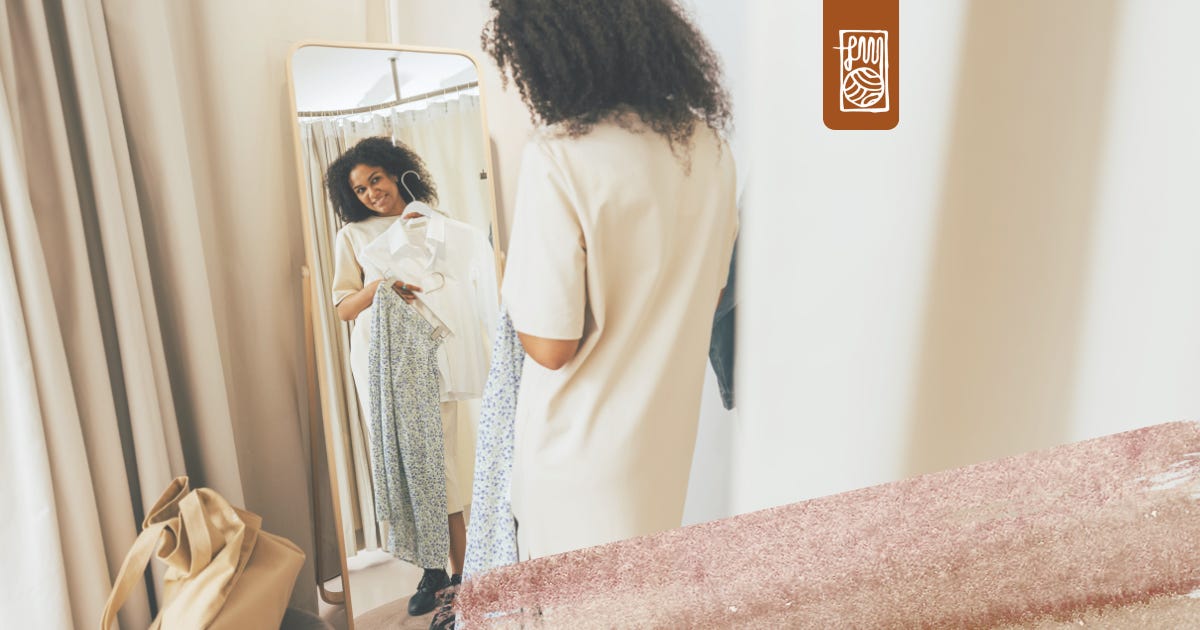
This is a free preview of a paid episode. To hear more, visit thisisgrieftoo.substack.com Remember when lockdown happened and there were all those stories about people showing up to Zoom meetings looking perfectly presentable from the waist up — and if you got a peek below the camera line, you’d find them in their underwear and socks? I loved that. It was so human. So real. It was a great contrast to the pressure to get my wardrobe choices right. All those spoken and unspoken rules: Women wear heels, men keep shirts tucked. Dress for the role you want, not the one you have. First impressions happen instantaneously and last a lifetime — so be careful of what your sweater says about you. When we all worked remotely in 2020, those rules — and a gazillion others — started feeling more like suggestions. But here’s the thing about rules going soft, whether by a global pandemic or a career transition, chosen or not: it’s disorienting. When the pre-approved look comes off, a lot of people don’t know what to put on instead. Because for years, the job dressed them, in every sense of the word. And when the job changes, so does the style guide. When I made the transition out of corporate and into indie filmmaking, my Manolos and Pradas were not only inconvenient on set — they genuinely felt like a costume I’d been wearing for decades. If you’re in the middle of a career change, contemplating one, moving up, or been pushed into one, you may no longer feel confident about what to wear — or even who you’re dressing for anymore. When you open your closet, do you stand there longer than you used to? What Your Wardrobe Is Actually Asking You Here’s what I’ve come to believe: getting dressed during a career transition isn’t really a fashion problem. It’s a values question. Let me explain what I mean. When I was in an executive gig, I genuinely valued the stability of that world — the sense that I could build something there over decades. Wearing those Manolos was part of that deal. I knew the rules, I understood the culture, and I made a conscious choice to dress for it. It wasn’t always comfortable, but it was mine to choose. My brother Jim is a great counterexample. Jim would sooner show up to a board meeting in a tuxedo than wear a suit to work — and he never has, except on his wedding day. He works in construction because he loves the outdoors, loves working with his hands, and is completely at ease getting grubby. His wardrobe is a direct expression of what he values. He just never had to think about it because his work and his values were two peas in a pod. When you’re in a career transition, you get a chance to ask a question most people never pause long enough to consider: Does what I’m wearing actually reflect what I value? Or have I just been dressing for someone else’s idea of who I should be?. The Difference Between Choosing and Disappearing When I dress in a way that feels true to me, I can regulate my nervous system. I stay grounded. I stay clear....
0:00SPEAKER_00Nobody is talking about this part of a career transition.
0:03That moment when you open up your closet and nothing fits who
0:07you are anymore.
0:09SPEAKER_00Not necessarily physically, but stylistically.
0:11SPEAKER_00But I gotta tell you,
0:13almost everyone navigating a career change hits a moment where
0:17they don't know who
0:17SPEAKER_00they're becoming yet.
0:19SPEAKER_00and your wardrobe all ties into it.
0:22So today I'm gonna give you a completely different way to think
0:25about getting
0:25SPEAKER_00dressed during transitions.
0:28SPEAKER_00Hi, I'm Laverne McKinnon, and welcome to the Moonshot Mentor community.
0:32SPEAKER_00If you're navigating high stakes change,
0:34SPEAKER_00a career transition,