
Think Like A Game Designer · Justin Gary
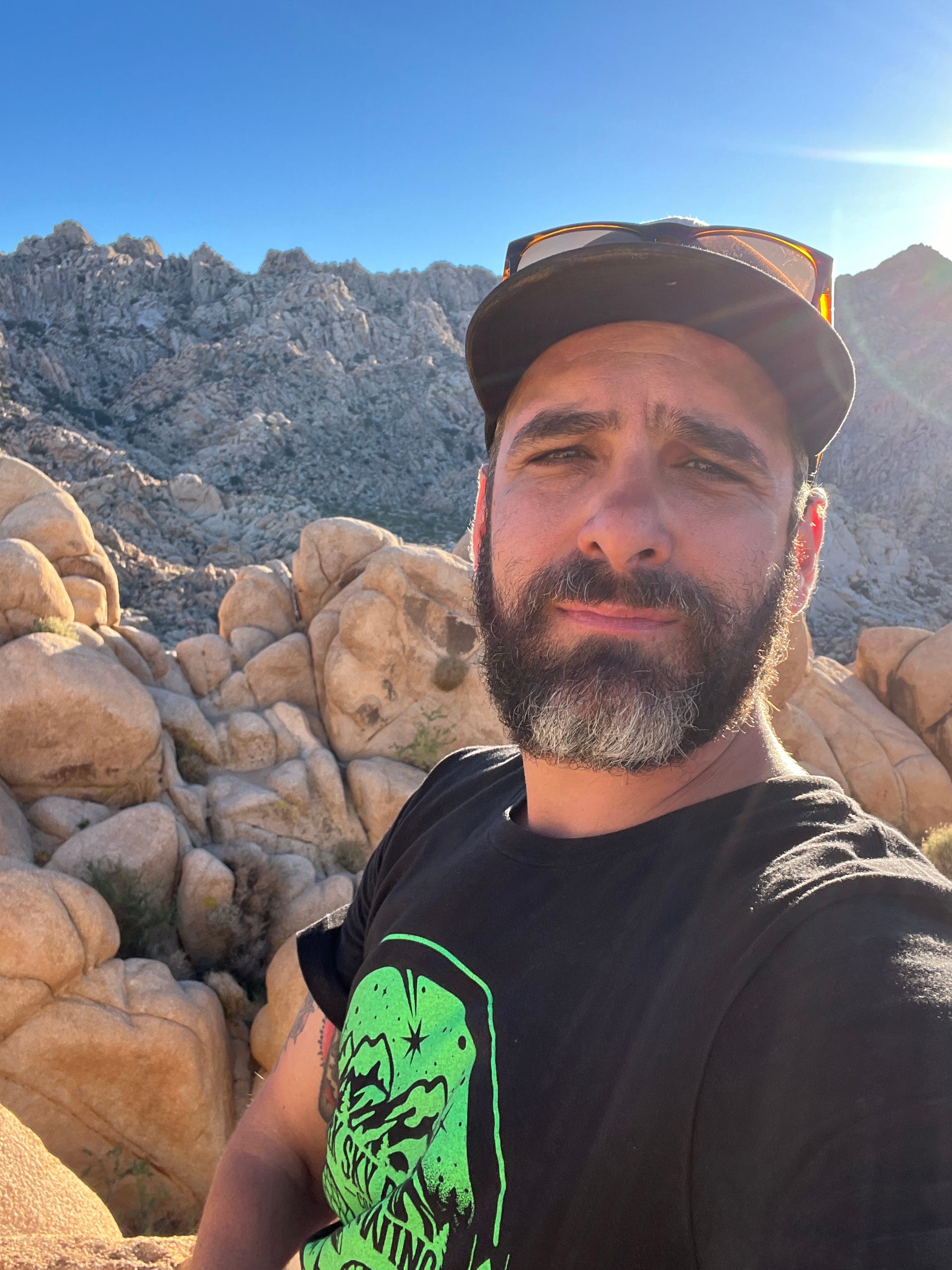
About Drew Drew Corkill is a UI/UX designer with nearly 15 years of experience and a deep background in graphic design, who has quietly become one of the most prolific creators in tabletop gaming. Alongside Gabe Barrett, Drew is the driving force behind the “Solo Game of the Month” initiative, he’s launched more crowdfunded games than almost anyone in the industry, building a system that prioritizes speed, iteration, and consistent output. Drew first connected with me as a student in the Think Like a Game Designer Course, where his early work on Small Time Heroes evolved into a breakout success with multiple expansions and campaigns. In this episode, Drew shares how his background in UX shapes his approach to game design, what makes solo games uniquely powerful, and how community, structure, and relentless iteration can turn creative ambition into a sustainable career. Justin’s Ah-Ha Moments: * Threats, Timers, Treats: Drew had one of the clearest frameworks I’ve heard for solo game design. If you want a solo game to generate excitement, you need pressure (threats), urgency (timers), and reward (treats). Miss one, and the whole thing feels more like a puzzle than a game. This is a simple checklist, but it’s deceptively powerful. * You Don’t Build Alone: What stood out to me in Drew’s story is how much of his success came from the environment around him. Community, feedback, and deadlines are force multipliers. Left on your own, it’s easy to stall, but put yourself in a room with people who are building, and everything speeds up. This is true whether it’s a course, a group, or just a few people you trust. * Cut to the Experience: When you take something digital and try to make it physical, all the excess gets exposed. You can’t rely on automation or hidden math, instead you have to decide what actually matters. Drew’s approach is to strip things down until the fun is obvious. That’s a useful lens for any design. If something is slowing the player down without adding value, it’s probably not pulling its weight. If you’ve ever had a game idea but didn’t know how to turn it into a real, playable design, my Design Labs program walks you through the entire process. With 60+ lessons, practical assignments, and a private Discord community, you’ll learn how to move from inspiration to prototype, playtesting, iteration, and publishing. Show Notes: “I was like, well, I’ll just make my own version of what I want.” (00:07:01) This is one of those deceptively simple origin moments. Drew couldn’t find the experience he wanted, so instead of waiting, he built it. That impulse, where you’re moving from consumer to creator, is where a lot of design careers actually begin. If something feels missing in the games you’re playing, consider it a compass, and try to fill the gap. “If it’s distracting from the fun […] then it’s a baby that has to be killed.” (00:27:30) This is Drew being brutally honest about design discipline. It’s easy to fall in love with clever...
0:01hello and welcome to think like a game designer i'm your host
0:06justin gary in this
0:07podcast i speak with world-class game designers and creative
0:11pioneers across
0:12multiple industries each episode takes you on a deep dive into
0:16the creative process
0:17exploring the nuances of game design and the extensive cultural
0:21technological and
0:22SPEAKER_00business factors influencing various creative fields
0:25Tune in for practical tips and inspiring insights that will
0:28expand your creative
0:29SPEAKER_00perspective,
0:30SPEAKER_00whether it's inside the gaming realm or beyond.
0:33SPEAKER_00I have something I am so excited to finally announce.
0:37SPEAKER_00If you are serious about designing games,