
The Word At War · Kyle M
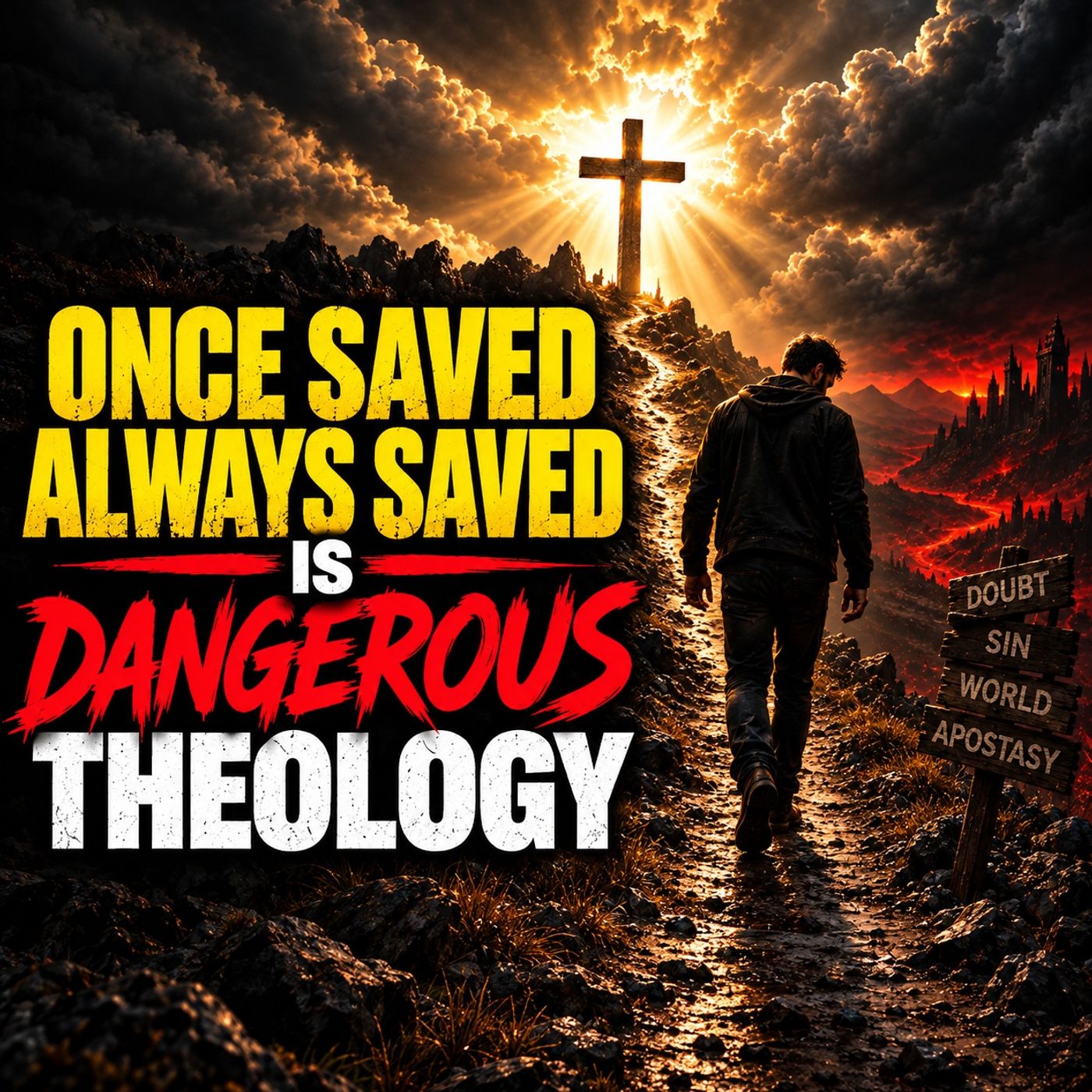
One of Christianity’s most comforting doctrines may also be one of its most dangerous. In this episode, we examine whether “once saved, always saved” reflects the complete biblical witness—or creates false security for people who no longer abide in Christ. ⚔️ Join The Word at War Premium: https://Patreon.com/thewordatwar Premium members receive early, ad-free access to every episode, exclusive teachings, members-only releases, community discussions, and more. Start your 7-day free trial and watch upcoming episodes before their public release. Kyle traces eternal security from Calvinism and the perseverance of the saints through the Westminster Confession, Arminian theology, predestination, free will, and the modern evangelical conversion model. More importantly, this episode confronts the passages that cannot be ignored. Jesus warned about branches that do not remain in the vine. Paul described believers departing from the faith. Peter warned about those who escaped the world through Christ and became entangled again. Hebrews describes people who shared in the Holy Spirit and then fell away. Can salvation be abandoned? Does God’s protection remove human freedom? What is the difference between biblical assurance and dangerous presumption? Watch the full episode, test every claim against Scripture, and decide what the Bible actually teaches. Chapters 00:00 Dangerous Theology: What Christians Must Question 01:25 Why We Must Test What We Were Taught 03:35 Spiritual Maturity and Biblical Discernment 06:01 Is “Once Saved, Always Saved” Dangerous? 06:52 Where Eternal Security Came From 08:22 The Westminster Confession and Reformed Theology 10:48 Calvinism vs. Arminianism 13:10 The Five Points of Arminian Theology 15:27 Predestination and the TULIP Framework 17:39 Does God Only Want the Elect Saved? 19:39 Why Free Will Changes Everything 22:01 What Apostasy Actually Means 24:23 The Great Falling Away 26:45 Can Christians Depart From the Faith? 29:01 Jesus’ Warning About the Vine and Branches 31:21 Hebrews 6 and Falling Away 33:47 The Case Against “Once Saved, Always Saved” 36:15 Can Anyone Leave Christ’s Hand? 38:34 Eternal Security in John 6 40:58 Sealed by the Holy Spirit 43:20 The Unforgivable Sin Explained 45:31 God’s Sovereignty and Human Choice 47:57 The Parable of the Sower 50:11 How Satan Attacks New Believers 52:33 Closing Prayer If this episode helped you see the Bible, history, or spiritual warfare more clearly, take the next step: 🪖 JOIN THE WORD AT WAR ON PATREON Join the free community or start a 7-day free trial of Premium. Premium members get: 🎧 Ad-Free Audio & Video 🔗 Connect To Your Favorite Podcast Player — Spotify, Apple, Etc. ⏱️ Early Access To New Episodes 🔓 Members-Only Episodes 🛡️ Warrior Briefings — Episode Study Guides 📚 Full Premium Archive Access 🛒 15% Off Merch 💬 Community Polls & Discussion Threads 🔥 Deeper Teachings & Exclusive Drops 👉 https://www.patreon.com/thewordatwar 🎥 BECOME A YOUTUBE MEMBER Support the...
0:07Speaker 1Can salvation be abandoned? Did Jesus promise the church and
0:11Speaker 1escape before tribulation? Are God, Christ and the Holy Spirit
0:15Speaker 1really the same? And if works are unnecessary, why does
0:19Speaker 1the Bible repeatedly warn that faith without works is dead.
0:23Speaker 1Some of the most dangerous theology in the Church does
0:26Speaker 1not come from the obvious heretics. It comes from doctrine.
0:29Speaker 1Millions of Christians have been taught and accepted for centuries
0:33Speaker 1now without question. In this series, we're confronting the most
0:36Speaker 1influential teachings in modern Christianity. Once Saved, Always Saved, the pretribulation, rapture,
0:43Speaker 1the Trinity, and the belief that works are unnecessary. This
0:47Speaker 1is not about attacking faith. It's about testing every teaching,
0:51Speaker 1exposing false security, and ensuring that what we believe is
0:55Speaker 1what the Bible actually says, because not doing so able
1:00Speaker 1some very dangerous theology. Welcome to the word at war.
1:12Speaker 1We are at war. It began in the garden when