
The Trans-Atlanticist · Andrew Sola
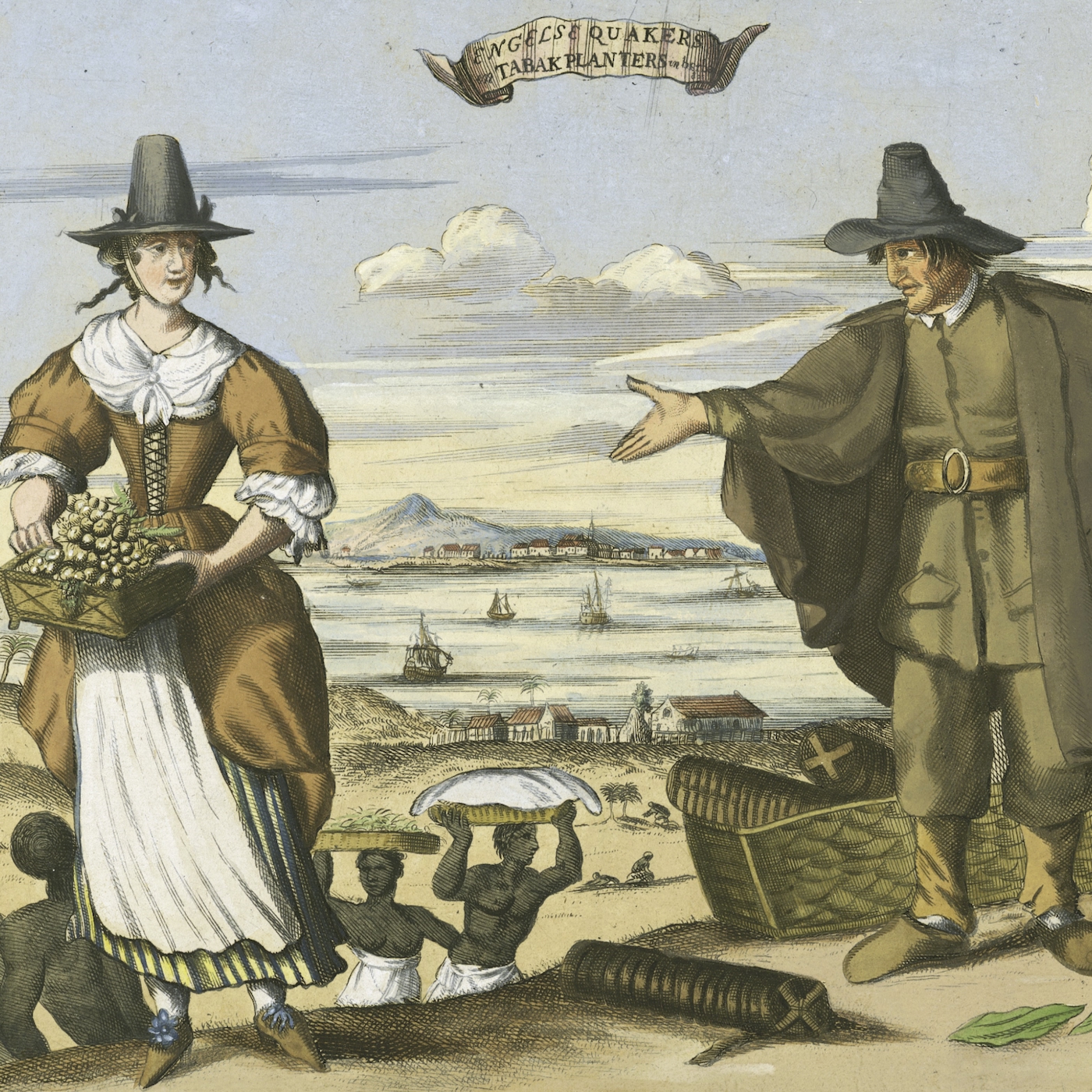
"(He has) cut off our trade with all parts of the world. (He has) imposed taxes on us without our consent."--Grievances #16 and #17 In this episode, we explore the importance of climate, the environment, and natural disasters in the British Caribbean during the revolutionary period. Topics include the following: -similarities and differences between the 13 rebellious colonies and the other British Caribbean colonies -the general approach of studying history through an environmental lens -the impact of droughts, hurricanes, and earthquakes on early American and British Caribbean history -the impact of the environment on disease and disease recovery, as seen in the case of George Washington's trip to Barbados, where he contracted small pox -Alexander Hamilton's famous hurricane experience in August 1772 on the island of St. Croix, which you can access here: [Hamilton's Hurricane Letter](https://founders.archives.gov/documents/Hamilton/01-01-02-0042) -the 8 hurricanes that struck the British Caribbean and the Continent during the Revolutionary War -important differences between the wet season and the dry season in the Caribbean and how seasons impacted commercial and military planning -reactions to the Stamp Act (1765) in the British Caribbean -the impact of the Continental Association of 1774, which the 13 rebellious created to boycott goods from the British Empire, and the Prohibitory Act of 1775, which was Parliament's counter-blockade -an assessment of the reasons why the British Caribbean islands chose not to join the American Revolution The cover image is an engraving by Pieter van der Aa depicting English Quakers with their enslaved population harvesting tobacco on Barbados in the late 1600s before the island turned to sugar production.
0:10Speaker 0: He has cut off our trade with all parts of the world.
0:35Speaker 1: So I'm very familiar with the destruction caused by hurricanes and even though.
0:45Speaker 1: I am usually not in Florida during hurricane season, I monitor The weather forecast compulsively and track the path of all the Hurricanes as they careen through the Caribbean islands And along the Atlantic coast wreaking havoc on people and property.
1:02Speaker 1: Hurricanes have always been an integral part of life for everyone who lives in the Caribbean and a long destructive history of hurricanes literally wash up on our beautiful beaches all the time.
1:15Speaker 1: Think of those Spanish treasure ships, heavily laden with gold and silver from mines in Peru and Mexico sailing through the Caribbean and up the coast of Florida before crossing The Atlantic and heading back to Spain.
1:30Speaker 1: this was great business.
1:32Speaker 1: it made Spain rich and powerful And the galleons sailed like clockwork churning out profits for the king.
1:41Speaker 1: There was only one major threat, more dangerous than even pirates.
1:45Speaker 1: Hurricanes!
1:47Speaker 1: And hurricanes sank many ships and drowned many sailors over the centuries—indeed gold doubloons and pieces of eight from Spanish shipwrecks still wash up on Florida beaches every year…and they are a constant reminder.
2:07Speaker 1: So today we're going to focus on the role that the environment plays in history and specifically, The importance of understanding the environment In early American History.
2:18Speaker 1: so why should We take an environmentally conscious approach To the study Of history in general?
2:24Speaker 1: What is lost if we forget the Importance of the Environment?
2:29Speaker 1: How does a Focus On the environment help us understand American history better?
2:34Speaker 1: And Going back to my personal experience in Florida What part did hurricanes play in the sequence of events that led up to the Declaration of Independence?