
The Trans-Atlanticist · Andrew Sola
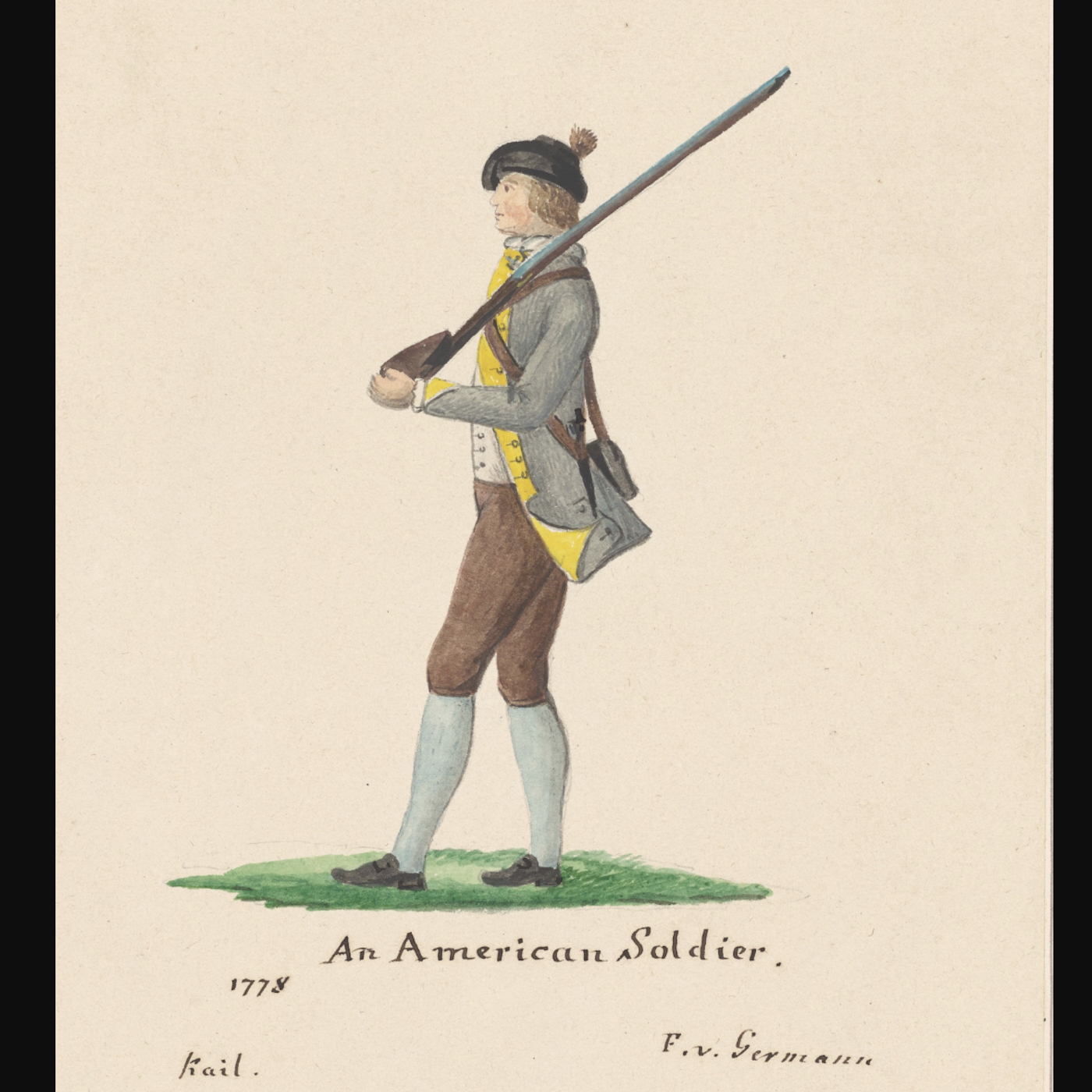
"He has kept among us, in times of peace, Standing Armies without the Consent of our legislatures. He has affected to render the Military independent of and superior to the Civil power...He has abdicated Government here, by declaring us out of his Protection and waging War against us. He has plundered our seas, ravaged our Coasts, burnt our towns, and destroyed the lives of our people." In this episode, we unpack Grievances #11, #12, #23, and #24 of the Declaration of Independence and the relationship between Americans and the various types of armed troops in North America, from militias, to British regulars, to the Continental Army. Topics include the following: -the shared British and American tradition of opposing standing armies--because if they are not disbanded after wars, they are used by tyrants to take away the rights of the people -the perception of American colonists that the King had stationed 10,000 soldiers in North America in 1763 precisely so he could enforce his tyrannical policies on them -the various functions of Colonial militias in the 17th and 18th centuries, including war-fighting, civil policing, and preventing slave uprisings -the strained relationships between the Colonial militias and British regulars during the 7 Years' War and Pontiac's Revolt -the role of the Battles of Lexington and Concord in forcing Congress to create the Continental Army -the political significance of the name the Continental Army, as opposed to the American or Congressional or Colonial Army -the political significance of appointing George Washington, a Southerner and Virginian, as Commander of a mostly Northern militia force -an introduction to Washington's senior officers: Artemas Ward, Israel Putnam, and Charles Lee -initial British assessments of the strength and effectiveness of the new Continental Army -the importance of the American victory at Fort Ticonderoga in reshaping the war; namely, the capture of British soldiers meant that American rebels would not be summarily executed as seditious traitors but treated with basic PoW protections -a discussion of Grievance #24, that King George has ordered war crimes to be committed against innocent civilians -the tendency on both sides to commit war crimes against the civilian population and efforts by officers on both sides to discipline soldiers who abused the civilians population Dr. Chandler's book can be found here: [War, Patriotism and Identity in Revolutionary North America](https://boydellandbrewer.com/book/war-patriotism-and-identity-in-revolutionary-north-america-9781783274376/?v=0d149b90e739) The cover image is a drawing of an American Soldier in 1778 by Friedrich von Germann (1744–1794), Captain of the Brunswick Regiment Erbprinz. The Brunswick Regiment was not technically Hessian; nevertheless, it formed part of the subsidy regiments (or mercenaries) hired by the British to fight the Americans.
0:08Speaker 0: He has kept among us in times of peace, standing armies without the consent our legislatures.
0:14Speaker 0: He is affected to render the military independent and superior too this civil power.
0:20Speaker 0: He has abdicated government here by declaring out his protection and waging war against us.
0:26Speaker 0: He's plundered our seas, ravaged our coasts burned our towns destroyed lives for
0:31Speaker 1: people.
0:34Speaker 1: Welcome to Life, Liberty and the Pursuit of Happiness a podcast commemorating The Two Hundred Fifty Year Anniversary of the Declaration of Independence.
0:42Speaker 1: This show is sponsored by the American Centrum in Hamburg Germany And I'm your host Andrew Sola!
0:49Speaker 1: The men fighting on the Patriots side during the War of Independence were in something Of an uncomfortable position regarding their enemies... ...and same can be said for those who are fighting On British Side.
1:00Speaker 1: Perhaps the strangest thing for soldiers fighting each other in seventeen seventy-six would have been that they were fighting against men who are once their allies.
1:10Speaker 1: Men, who by and large shared the same language...the same history The Same Culture And The Same Military Traditions.
1:20Speaker 1: In this series we often described American Revolution as First American Civil War But today we are going to concentrate on the relationships between officers and soldiers in The British Army, And those in the Continental army.
1:36Speaker 1: Men who found themselves at war with their friends With their colleagues...and with their brethren.
1:43Speaker 1: So what did British Officers think about Their American counterparts?
1:48Speaker 1: Many of whom like George Washington had served In wars alongside British troops?
1:55Speaker 1: Why did Americans who hated professional armies, who hated standing armies end up creating their own standing army?