
The Smart Cookies podcast · Zaza
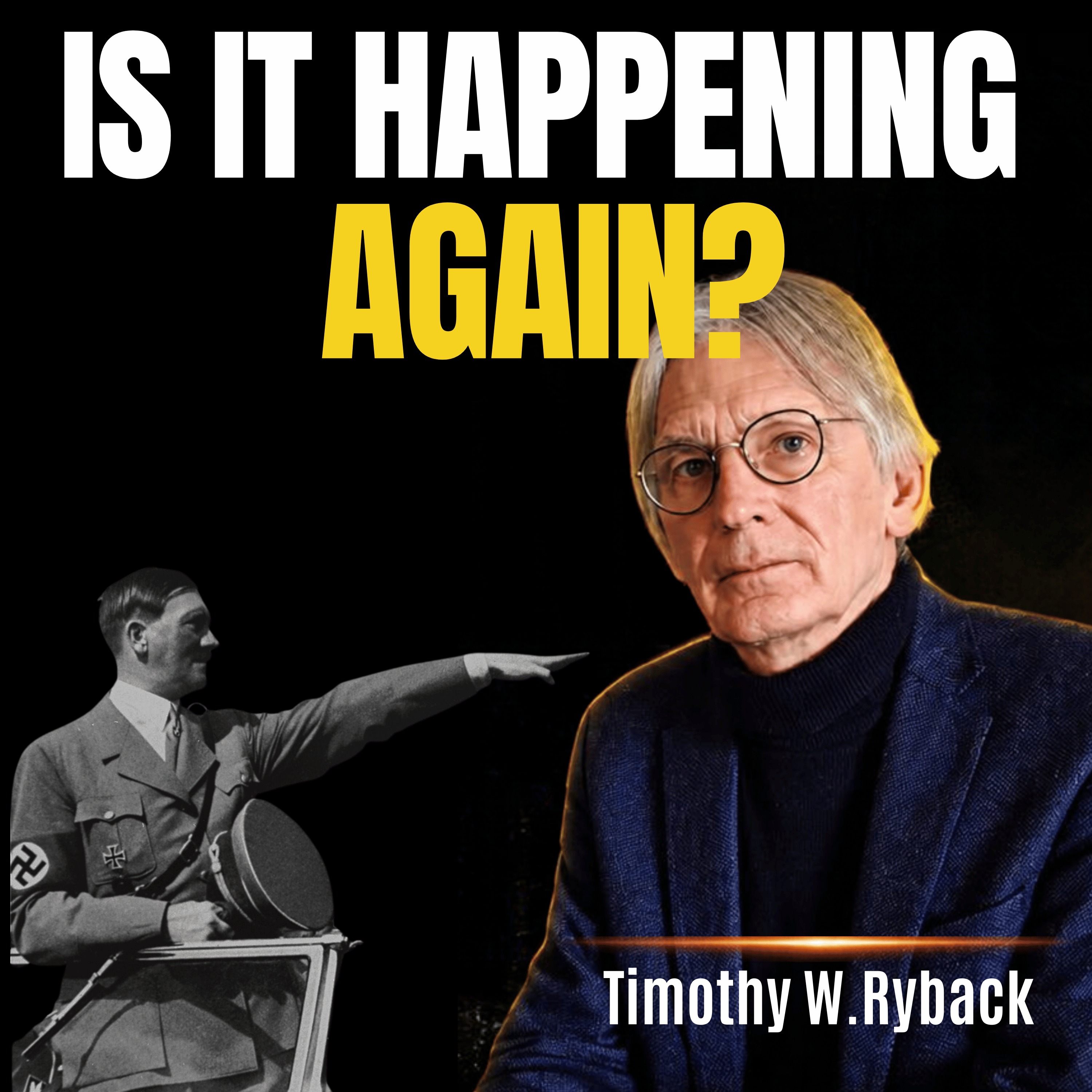
We always assume Hitler forced his way into the Chancellor's office and then single-handedly ended the Weimar Republic, ushering in his horrific dictatorship that would plunge Europe into WWII. It turns out that wasn't the case... at all. In reality, Hitler campaigned his way into the German parliament (the Reichstag) and then skilfully maneuvered until he managed to take the top job. The most sinister part came right after that, however - without firing a single shot, it took the Nazis only 8 weeks to dismantle German democracy. Even more, during these fateful 2 months Hitler convinced the majority of the parliament to pass the infamous Enabling Act, granting him unlimited power. These ominous events are unfortunately becoming very relevant again - democratic forces are in retreat, while the extreme right inches closer to power, even in places we would least expect it (like the AfD in Germany). That's why it's more important than ever to understand how this catastrophic unfolding happened - and eminent Professor Timothy Ryback, author of the acclaimed book 53 Days: How Hitler Dismantled a Democracy, is probably the most qualified person to ask.
0:00While on the stand, Hitler was asked by the judge
0:02directly whether he meant to dismantle the Weimar
0:06Republic, like he was saying, only through constitutional
0:08means, to which Hitler replied, jawohl. And he
0:14did exactly that, didn't he? No coup. It's an
0:17astonishing moment because here you have Hitler
0:21standing before the highest judicial authority
0:25in the country. and telling them, essentially
0:28saying that he intends to establish a dictatorship,
0:34which was an astonishing remark, but equally
0:37astonishing was the judges, as you mentioned,
0:40the right to say, so only through constitutional
0:43means? And then Hitler goes, it's an amazing
0:47admission because you could actually have arrested
0:51Hitler on the spot for treason. And even newspapers