
The Self Care Unit · Operation Happy Nurse + Don't Clock Out
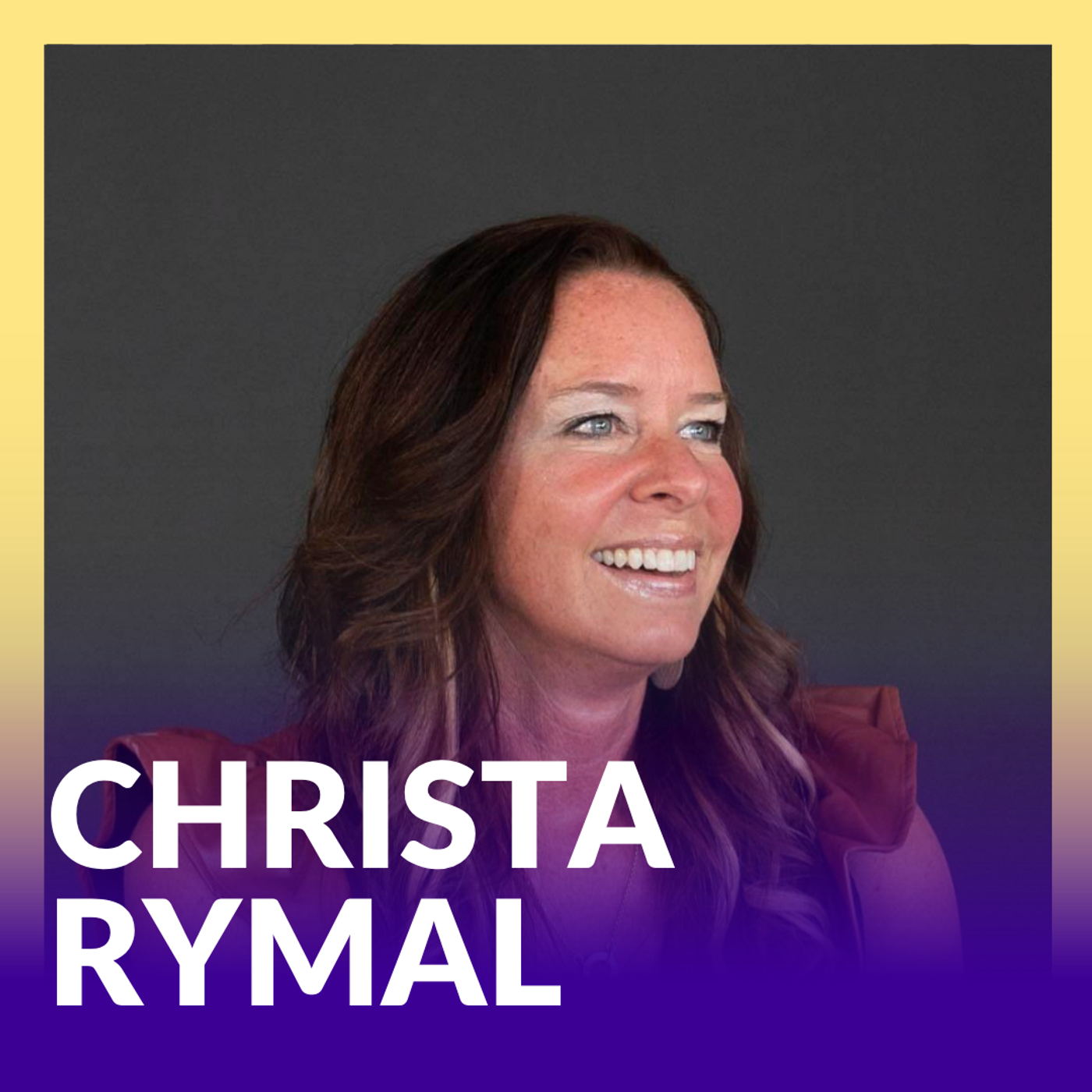
This week, Christa Rymal joins Sibyl to ask and answer a deceptively simple question: Who cares for nurses? As the founder of WeCare, Christa shares her story and discusses her mission to support healthcare workers navigating burnout, compassion fatigue, secondary trauma, and PTSD. The vision? Allow our healthcare workers to put their own oxygen mask on first. In theory, this argument is simple: when we care for nurses, everyone benefits. The health and wellbeing of our healthcare professionals impacts all of us. But as Christa and Sibyl discuss, the realities of healthcare are anything but simple. Together, they unpack the culture, systems, and expectations that make it so difficult for healthcare workers to prioritize their own well-being, and why changing that starts with care for the caregiver.
Nurse Sibyl: Welcome back to the self-care unit. We're joined by one of the honorees from Operation Happy Nurses Lemonade Gala, Krista Ribel. Krista is a registered nurse and a former healthcare administrator. she's now the founder and board chair of We Care, a nonprofit dedicated to supporting healthcare professionals' well-being through burnout recovery tools, expert self-care education, and restorative. whole person experiences. Through WeCare, she's building an organization and a movement all rooted in one idea. Those who care for others deserve care too. We're so thrilled to have you with us, Krista. How are you doing today? Christa: I'm good. Thank you for inviting me on the podcast and for just welcoming these really important conversations. I'm looking forward to talking with you today. Nurse Sibyl: me too, me too. And I was reading your why on the WeCare website. And I wanted to start with that because there was a line in there that says, allow our healthcare workers to put their own oxygen mask on first. And that really rang true to me. So does that idea capture the spirit of what first led you to create WeCare? Christa: Yes, you know, it really is. I mean, I, you know, I don't know if you happen to watch the why video on our website, but very early on in my nursing career I lost a close nursing colleague to suicide. And That had never even entered my mind as being a job hazard of our profession. And so, gosh, it was my second year of nursing, and very quickly my eyes were wide open to, you know, the dangers of our profession. And Through that whole experience, even in losing a close colleague, you know, I realized how as healthcare professionals, we see we see so many things from the most beautiful and amazing, joyous moments to celebrate, and the most hardest, devastating and tragic moments that we hold people through. And We move so fast in healthcare. We move even fast for our patients and families that we're caring for. And we give even less time to ourselves to grieve, to process, to hold one another. And I just realized that the consequences of not honoring and recognizing what we do every day in our profession, which is holding a lot of Big moments in people's lives. and not honoring that we're humans, absorbing those in some capacity too, and by the nature and demands of our job not caring for ourselves can be really detrimental. And you know, it's gonna take a lot of voices to come forward. And actually, having been in this line of work for the bulk of my career, in some way, shape, or form, I'm seeing more people being willing to talk about it this podcast, being one of them, right? Like we're actually talking about the Real things that are causing the burnout and the turnover and the lack of well-being in ourselves as healthcare professionals and calling an attention to it that really needs to happen. So, yes, it is imperative, it is a non-negotiable that healthcare professionals put their own oxygen mask first. And I don't think we at least I did not hear that message once in nursing school, not once in my career. And just trying to be that advocate of rem reminding healthcare professionals, we might have a lot of acronyms behind our names. We can do incredible things to save lives and hold people in hard moments. But we really need people to not, you know, tap our shoulders to go, are you doing the same for yourself? And that's really been a driver in my career and then in starting We Care Nonprofit Foundation. Nurse Sibyl: Wow. That's an incredible story. I'm so sorry for your loss, Krista. Christa: Thank you, thank you. And yes, we've many of us have experienced that, whether it's, you know, liter literally or figuratively, we we we lose a lot of colleagues, you know, to whether it's burnout or whether it's, you know, the worst consequence, which, you know, is something like someone taking their own life. a lot of people don't realize that's part of my mission is helping people understand that nurses and physicians, especially female nurses and female physicians, have the highest rate of suicide of any profession in our country. And that should be an alarm. Along with the numbers that I'm sure you're very aware of of being almost 800,000 nurses short in our country in a couple of years. And you know, it's kind of that definition of insanity, right? Of like doing the same thing and expecting different results. I'm like, no, we need to do something different, and then we might get different results. Because we've been doing this for my career in nursing, which has been 20 plus years, and the call to action needs to get louder and it needs to get more impactful for our healthcare Mm-hmm. Nurse Sibyl: And changing that culture is such a challenge, right? Because many nurses like just stay silent. and or we feel like we can share our hardships like in secret or in very small groups, maybe we'll share with like a friend. we don't feel like I mean, I I don't want to speak for absolutely everyone, but I think it's it's hard. Changing that culture is really hard. So like what has that been like in your work? Christa: It is really hard and it has both internal and external culture drivers, right? So, like internally, I think as nurses, we are very strong and very resilient. And even if you're experiencing Nurse Sibyl: Mm-hmm. Christa: burnout or compassion fatigue, it doesn't mean you're not strong and resilient, but I think internally we create this culture of Of that being, you know, more acceptable than it used to be, but there's a long way to go internally for us to even support each other in honoring that we need to care for ourselves. Then Nurse Sibyl: Mm-hmm. Christa: you compound that by the healthcare systems. You know, I I is making some small strides to improve well-being in the workforce, but if we are the healthcare leaders exemplifying what health and well-being should look like, it really has to start with us as nurses, as Nurse Sibyl: Mm-hmm. Christa: healthcare professionals. And we are also in a profession where s you know, this word self-care, you know, people have a lot of different interpretations of it. And for us, it's Survival mechanism. Having Nurse Sibyl: Mm-hmm. Christa: been in the industry for 20 years, I have a daughter who's in her last year of nursing school, and I've seen a lot of people experience a lot of things in healthcare. We really have to shift the culture internally and externally. Healthcare systems need to do more to support us and recognizing the work we do is not your average profession. When you are so close to death and trauma and tragedy and disease day in and day out. You have to have time and space to process and fill your own cups so you can keep coming back to care. And if healthcare systems would find more impactful ways and more profound ways to support us in that, to me, you know, even speaking as a former healthcare administrator from a financial standpoint, it's a win-win because you're gonna have a reduced turnover, Nurse Sibyl: Mm-hmm. Christa: you're gonna keep really caring, compassionate staff who love what they do and are very skilled in what they do. So we have the best. Nurse Sibyl: Mm-hmm. Christa: Yeah. For us as humans, it's also the most humane thing to do for us. You can't, you know, I I've g I gave a talk at at a gala we hosted recently and I kinda went through all these statistics with the audience and said, Would you get on a plane with a pilot who had just worked multiple twelve hour shifts in a row with no bathroom break and not eating and had not gone home to sleep and they were maybe feeling isolated and disconnected, depressed, possibly even having suicidal ideation. Would you get on that airplane and want to put your life in their hands? Of course, nobody raises their hand to say they want to be on that plane. Of course. No Nurse Sibyl: course. Yeah, I already said no thanks. Christa: thanks. Everyone's like, I'll take the other flight. Thank you. Nurse Sibyl: Yeah. Christa: But we do that all the time with healthcare professionals. All Nurse Sibyl: We do it all the time. Christa: the time. People put their lives in our hands all the time and they have no clue how much internally might be happening for that person that's caring for them. And that's not a win-win for anybody. It's not best patient care practice. It is not best for us as a profession and us as an individual, as a human. And so changing that culture is definitely is we're swimming upstream to make it happen, but we have to start. We have to start somewhere. And so that's what you're doing, that's what I'm doing. And collectively, if we just use our voices to keep this front and center, change will happen. Nurse Sibyl: And it's ironic to me that in the past 10 years or so, there has been a big push of mental health, like awareness. You know, if for with the general public, we're not there yet. There's still a lot that can be talked about. Most recently, there's been a lot of talking about postpartum depression and things like that. But it gets talked about like pretty broadly with the general public. Like people have think pieces on that, people talk about it on the news, they talk about it in talk shows, but I don't see the same awareness for mental health for healthcare workers, which is so ironic because we are a big part of pushing that the general public knows about their mental health struggles, but we don't necessarily apply the same concepts and the same We don't give the same energy to our mental health at all, like you were saying. And even as a and I'm not saying individually, even caring for other people, like we don't extend that. A lot of us don't, right? It's it's very ironic to me. Christa: It is. It's a it's a dichotomy, it's a hypocrisy, Nurse Sibyl: Yeah. Christa: it's an irony. I mean it's all of those things, right? And I mean, it's Nurse Sibyl: Yeah. Mm-hmm. Christa: it's not how we should be coming forward, you know, and and it there's also been a stigma for us. I mean, I think as nervous Nurse Sibyl: There's a huge stigma. Christa: physicians, you you feel a lot of shame and guilt and imposter syndrome and you're like, how am I how can I possibly be telling this person how to take care of their mental health knowing I'm suffering from my own? And Nurse Sibyl: Mm-hmm. Christa: you know, I I don't it's like I I don't know how we expect ourselves to do the jobs that we do every day and not have it take a toll. So I think if we could just Nurse Sibyl: Mm-hmm. Christa: normalize that and and even start to talk about it in nursing school and say, you know, here's like a normal trajectory of experiences in in being a nurse for say five years, 10 years, 15 years. And if you hit any of these points in this, you know, journey where you're feeling this, this, or this, one, it's normal. Like it's not, don't feel like it's just you. I think if we can normalize it be like this is part of maybe what we're gonna encounter. And then feeling Nurse Sibyl: Mm-hmm. Christa: those things, we go, that's right. Like they talked about this and this is a normal part of the journey. And then here are the things I can do to help Me get back to an upswing and feel better. it would just shift so much in our willingness to honor it for ourselves and then take action to be the best version of ourselves, you know, both for us Nurse Sibyl: Mm-hmm. Christa: as a person and a human and a professional. I actually hosted a podcast for a couple years and I had the first chief LB officer in the state of Minnesota, which is where I'm a registered nurse, for the largest healthcare system. In the Twin Cities was on the podcast, and he's a pulmonologist and had been named the chief file being officer of this big, large healthcare system, all right in the middle of kind of the pandemic. And he had like no budget to do anything with, very little actual power as a chief lobeing Nurse Sibyl: gosh. Christa: officer. And long story short, as I was sitting in our conversation, I realized his burnout was incredibly high. And after the podcast, you know, the video shut down, I just said, you know, are I just want to check in on you. Are you okay? And he's like, I don't know. He's like, okay. I said, I'm here if you want to talk. I sent him a thank you note a couple weeks later for being on the podcast and it came back as undelivered. I emailed him at his physician, and it came back as being undelivered. So I went to my colleagues inside Nurse Sibyl: no. Christa: that healthcare system and said, Can you just make sure that he's okay? And really long story short, He had left the state, left his family, moved multiple states away to start his life over and not in medicine. Because he could not see his way out of his own burnout. And then the irony is he's also in charge of probably about 30,000 other healthcare professionals in that healthcare system's well-being. Nurse Sibyl: Yep. Christa: And you know, it just again, if we are having our chief well-being officers in our largest healthcare systems burning out. out to the point that they can't even admit, share, seek help. I mean, really what are we doing? You know, it's Nurse Sibyl: It's too bad that that's the way out, you know, for s a lot of healthcare workers. And this is something in a smaller scale that I talk to my orientees about. I will say do not, once you get out of orientation, do not do not go and pick up an extra two shifts a week every week for the rest of the year because you have student loans. Because when you are And I know that it's a necessity for some people. So it's really tempting and really hard not to do it. But if you're thinking of this career and you're thinking longevity, you cannot do that because you will burn out. You will wake up and I've joked about this before, but it's really not a joke. Like sometimes like people wake up and they can't ever do it again. Like they literally cannot. fathom going back in the hospital room. Like, and it's because, and I'm not placing blame on the people that are picking up extra shifts or anything. I'm just saying the burnout is that high. It's that the stakes are that high. And you will burn out more quickly if you don't have time to take care of yourself. So you don't if you don't invest in yourself outside of this job. And that's something that like I'm very passionate. To share as well because I I try to talk about it on my TikTok and like sometimes joking about it and sometimes not because like it is so important. and it's something that I see time and time and time again. Like that story of like that person woke up and never wanted to do this again because it was that bad. Christa: And thankfully there are people like you that are at least just having the courage to talk about these with your students, right? Like normalize these conversations, normalize the experiences, and put that reminder in our young new nurses year that you have like it's again, it's a matter of staying in the profession versus not if you take time to fill your own cup. And being a nurse is amazing. Trade it for the world. but it's also not everything about who I am. I mean, it's a big part of Nurse Sibyl: Right. Christa: me, but there's a whole other life you should be living outside being a nurse. And when you are working in an industry that's 365 days a year, 247, that's I mean, as an administrator and leader, I there's there's a big challenge from a business perspective in that, and staffing is always an issue, right? But it's also not your job to always be the one who's solving that gap, right? Like there are a lot of things on a big level that can help solve that gap. You don't have to own that. What you have to own is what do I need to do for me so I can be the best version of myself for me, for my family, and then my patients and my colleagues. and just, you know, kudos to you for starting to have those conversations at a very young stage in your nurse's career, because I think if If we could again take this proactive approach versus a reactive approach, to me it just seems like that would be wise. But I think we've been nursing for a while, Nurse Sibyl: Yes, I agree. Christa: plus medicine is very reactive right now. and that filters into how we are for ourselves too. Like you get caught in a cycle of like you know, and I think there's a little bit of a I don't want to make this sound so extreme, but when you are working with a lot of people who are caretakers, Nurse Sibyl: Mm-hmm. Christa: we have trouble saying no. Because we have a hard time saying, I know that might mean someone's not getting the care that they need or you know, something in there is not gonna it's gonna be tricky to like reconcile that internally. But you cannot save the whole wide world and say okay yourself. Like it just won't happen. So Nurse Sibyl: Exactly. You know what it reminds me of? so there was this quote that I read about perfectionism, and I'm gonna butcher it. I know I am, but it goes something like it's okay to need help, it's okay to be imperfect, it's okay to take your time, but it's not okay for me. And I feel and I Christa: that's that's Nurse Sibyl: feel like that is such like a healthcare worker mentality that Christa: Yeah. Nurse Sibyl: you know, we have so much compassion for like our friends. we extend it to for our patients, we extend it to our friends, we extend it to our family. And then like we really don't have that same compassion for ourselves sometimes. And it for a lot of us, like you could, you know, talk to them until the cows come home about compassion and they are compassionate to other people, but not to themselves. They don't extend that same grace to themselves. Christa: It's so true. Nurse Sibyl: And that's too bad. Christa: It is, it is. It's a tr it's a it's a tragedy really in our profession. And again, that comes into play with both as like a profession, us honoring that. So looking at each other and going, you know what? Like you just worked three really hard shifts. Do like you just did. Like do not pick up that fourth one. Go for a hike. Go into the mountains. Go sit by a lake. Go read. Go rest. Like go just be with your family. Nurse Sibyl: Mm-hmm. Christa: Do what you need to do so you can come back okay. and internally if we can do that you know, that goes a long way, both if we can give ourselves permission, we can give our colleagues permission. And then if our healthcare systems also can say, you know, if we just had a little bit better boundary there to to go We know there's a lot of shortages. It's really hard when you call us on our day off. And so like, how could we create a system that's like, today's a like you can't reach me day? Like I'm off. Nurse Sibyl: Right. Christa: I am just completely off. Please lose my number for the next twenty-four hours and call me again on Friday or whatever. But if we could it's hard. It is hard. It's very Nurse Sibyl: It's hard. It's hard. Christa: hard. Yes. And I'm sure that will take probably years of time to still continue to find a solution, but I think it starts by acknowledging it and bringing it forward and then having brave people having brave conversations about how could we do this different and better. Nurse Sibyl: So tell me a little bit about how WeCare comes into play here, filling our cup. Like, I know we offer like WeCare offers many things and talk a little bit about that. Christa: you. we do a lot of different things. So We've tried I I've tried to take my years of experience in in being a nurse and then also a healthcare leader and working also very closely with a lot of physicians and mid-level clinicians and trying to think of all the things that I've seen people benefit from and bringing those into programs under we care and then also trying to look at where I've seen self-imposed or system imposed barriers and trying to remove those. so one thing that is n kind of newer is that we have these we care continuing medical education well-being boxes. We've Nurse Sibyl: Yeah. Christa: kind of played around with them how to bring them to the market the best, but they all we have a couple that have different themes and then we have some that are more like for moments of crisis, like we have a crisis and comfort box. So say your hospital unit just went through maybe a very unexpected patient death or a tragedy within your colleagues or a a pandemic or I mean all the things you know that can happen. we can get donors or healthcare systems and or managers and or team members these boxes so that they can just have a measure of comfort for themselves. It's all packaged right in the box so it's easy. You don't have to wait for it to get shipped to you. You don't have to go and look for things yourself. These are all things that have been researched and studied and proven to offer a nervous system regulation and kind of de-stress the body and the mind. And then we've Have an expert who provides a continued medical education talk in there too. So if you just need an hour to sit with someone who's talking about the topic at hand, there's an expert there. And we worked with the Minnesota Medical Association, the American Medical Association to give these CME credit. So also helping kind of validate that message of your well-being matters. and we're gonna give you credit for just taking the time to take care of yourself, which is you know part of why we really wanted to have that CME credit in there. And then those can be shipped out. We've used those in a variety of different ways. So for example, in Minnesota, we had the Annunciation School shooting about just about a year ago now. And all of the healthcare individuals that were present in taking care of those kids and their families, we were able to raise funds so that we could donate boxes to those hospitals and healthcare professionals that were taking care of those Nurse Sibyl: It's amazing. Christa: in those really tough circumstances. Something else that we do is we have our big week care annual conference coming up and that has about Nurse Sibyl: cool. Christa: yeah which is really fun. So you know it's been so fun because in my career when I started out I mean CMEs used to once upon a time have to be like so regimented regimented all focused on patient care, expanding your practice and please know all of those things are valid valued and important. But Nurse Sibyl: Mm-hmm. Christa: I've kind of come in all these last 10 years of this work and saying, well, yes, t new tools, new therapies, new research, all very important. We need to know how to care for our patients from a technical, clinical side. But doesn't matter if we're all burning out and we're not okay and we're not there in our best state of mind or presence andor just not there at all. And you know, you can create all the latest, greatest things, but if you don't have a nurse or a mid-level clinician or physician to administer them, it's kind of a new point. So we have fortunately been able to work with them in MMA and AMA. And now they are honoring things at our conference like talks and experiences. Experiences on food is medicine, on sound bowl experiences to regulate the nervous system, on yoga, on financial health, on breath work. So it's all about how to how to take healthcare professionals who might be having a compromised body-mind spirit, a nervous system that never knows how to turn off, lack of sleep, you know, a million symptoms I could give you, and just help them really take care of. themselves. And so that's a full day with 500 people, tons of good energy. We give people autonomy to pick some different breakout sessions. We've got really great keynote speakers. We attract people from all over. It's been a little bit more than Nurse Sibyl: it's so cool. Christa: the conference, but my vision would be to someday have a regional one where there's one in Minnesota in the northern part of the country and the east coast and the west coast and the south. Nurse Sibyl: W. Christa: Because what we see, how we see people walk in and how we see people walk out is unmistakably different. and I think in all honesty, I hear this all the time. I just hear people say, even knowing organizations like yours and mine exist that are advocating for healthcare professionals and caring about them sometimes gets them through some really hard days. So sometimes Nurse Sibyl: Yeah. Christa: it is attending the tangible things like a retreat that we host, a conference, receiving a box, and sometimes it's just knowing we're here. And And we honor, acknowledge, and see and hear and understand what you're going through. You don't have to try and explain it. We get it. Most of us in the organization have experienced it ourselves. Most people on our board have experienced it. And then that just gives people a safe space, right? Which is really important today and a place where they feel like they can connect and be understood. And then something really unique. I mean, the world happens, right? Like, and the world is always changing, and there's beautiful. things every day and there's really hard things every day. And we being from Minnesota, when nurse Alex Pready was killed, we were able to host a remembrance service for him. You know, it's so obviously the circumstances around that were kind of unimaginable. And I and going Nurse Sibyl: Yeah. Christa: down a political rabbit hole just saying we lost one of our own. As simple as that. And if we could if we can be more caring in how we to help people pass because we should also hopefully translate to be more caring and how people how we live and show up. And if a firefighter falls for any reason, if a police officer falls for any reason, I mean those people I mean that profession is rallying around that person that is no longer here. And that's what we did in f in late early Nurse Sibyl: You have one. Christa: February. And now we were able to also raise some funds to provide two nursing scholarships to two nursing students. in out in nurse Alex Prady's name. So there are things we stay very flexible because we know things the world changes all the time. Things happen Nurse Sibyl: Yeah. Christa: at hum our human experience that we don't expect and we just try and show up in ways that healthcare professionals know that they're cared about and they're they're what they've done to care for others is not forgotten. Nurse Sibyl: Showing up for us is something that we see less and less of as like healthcare gets more competitive and healthcare gets more about the grind, gets more about, you know, how much money can I make, how much can I work, and all that. It's it's good to have people show up for us because the work the work that we do like. To me, I always feel very pr privileged to do it, to be a nurse, to take care of people when they're sick, but I always think about how it doesn't come without a personal cost. And to have people show up for you is amazing, for sure. Christa: Well, it's what you're doing for people too. And Operation Happiness, I mean, after being at the gala a couple of weeks ago in LA, you know, with with Shannon and with Tay and with I met so many nurse founders of organizations and nonprofits that I mean, I'm in the industry and I didn't even know that they were out there doing this amazing work. And they're I mean, they are s people are so passionate about it, you know, and and like Sarah with Don't Clock Out, I mean just like Nurse Sibyl: Mm-hmm. Christa: this is heart centered passion purpose work, right? Like Like there are so many incredible nurses out there really advocating for each other and for our profession and just the work that Operation Happiness does and the incredible nurses that it attracts. I mean I am really honored to just having have that evening with all of those amazing people and this conversation with you. And I think that's where we're all finding an element of hope, right? I mean Nurse Sibyl: Mm-hmm. Christa: even this work is so amazing and we're probably both so honored to do it. It takes energy, Nurse Sibyl: Mm-hmm. Christa: it takes time, it takes resources. Nurse Sibyl: Mm-hmm. Christa: But I think, you know, it's it's one of those things where we're also realizing that we need some people who will be leaders and and take on this challenge. And that's why you and I are here showing up. Nurse Sibyl: We're just showing up. Christa: Yep, we're showing up. We're showing it for each other, we're showing up for our colleagues, for our teams, for our healthcare systems, for our You know, our communities at large, really. Nurse Sibyl: that because I think that when people think about getting involved a lot of the times it's an overwhelming thought because people think that it requires so much which it can if you want it to but also you can just show up for people show up for a cause or show up for a gala and it can be very restorative it can make a world of a difference for you. Christa: just having that shared experience, right? Of Nurse Sibyl: Yeah. Christa: like I just, you know, we we said hello. I know a little bit about your background and I already kind of know there's pieces of me you'll understand that I and vice versa that we don't have to we can explain, but we both will be like, we understand it. Nurse Sibyl: Mm-hmm. Mm-hmm. Christa: so yeah, it's a it like you, I love nursing. I ha I I get this question all the time having one of my daughters going into the profession and I'm speaking out about burnout and compassion fatigue and secondary trauma. They're like, Well, are you worried about her or do you want her to go into this? I'm like, nursing is amazing. Nurse Sibyl: that was my first thought. Christa: I love it. What you get to do is incredible. But Nurse Sibyl: Mm-hmm. Christa: there's just another very important component to it that has been ignored for too long that you know. Fortunately, there's enough people starting to advocate for that. So nurses can stay in the profession and you can keep caring without sacrificing everything about you. and I think you know we need that for so many reasons. I mean, nursing is healthcare is the biggest sector, biggest workforce in our country. Nurses are Nurse Sibyl: Mm-hmm. Christa: the biggest part of that workforce sector. So we need nurses desperately, and Nurse Sibyl: Mm-hmm. Christa: we need nurses to stay in the profession because I think. think also the public doesn't understand to be a a trauma nurse, an ICU nurse, an ER nurse, I mean any specialty and any nurse really in whatever work you're doing, it takes time to be Nurse Sibyl: Mm-hmm. Christa: really skilled in that area or arena. It just doesn't happen overnight just when you graduate from nursing school and automatically you can do everything in nursing. So once nurses dedicate themselves and learn those really life-saving skills, I mean, let's work on retaining them and keeping them the best Nurse Sibyl: Mm-hmm. Christa: version of themselves. for them and for our patients. Nurse Sibyl: It's a huge part of the retention effort that gets overlooked a lot. Christa: And you know, I actually gave like a big number at our conference last year and I said, you know, if we have to replace the physicians at, you know, physicians are average at 250,000 to 500,000 is upward of a million to replace one physician. To replace one nurse is $75,000. One nurse, and we're gonna be $800,000 short or $800,000 short. We're gonna be short about $150,000 physicians in about five years. Add those numbers Nurse Sibyl: Mm-hmm. Christa: up. There's a lot of zeros. So what if we it's Nurse Sibyl: It's a lot of money. Christa: a lot of money I'm like so what if we actually took some of the resources and I get it's taking a proactive approach but put those towards caring for our healthcare professionals. Nurse Sibyl: Mm-hmm. Christa: In the end we would see no undoubtedly a a reduction in turnover and cost and you're keeping your most highly skilled people in the industry instead of this hamster wheel of turning people over and turning people over and turning people over and you know to me Nurse Sibyl: So Krista, you what you're telling me is that we're doing all of this and it's not even good for the bottom line? Christa: It's not. I've I've I've been in charge of a lot of bottom lines and it's not. And I I just I don't get it. Nurse Sibyl: my gosh. Cause that's what the big belief is that we're all doing this because, you know, we're taking in more responsibility, more patients, more days, or whatever. It's because like hospitals save money, right? That's what that's what people think. And it's not necessarily the case because if you have to replace a nurse all the time, it's expensive. People don't realize that. Christa: Yes. Nurse Sibyl: It's really expensive. And it's not even good for the bottom line. We're doing this for nothing. Christa: No, not even I know, it's so true. That's such a good point. We're not like it's not nobody's coming out of the side, not the healthcare systems. Nurse Sibyl: Yes, yeah. No. Christa: not the people in the profession, not the patients, not the families, not our communities, not our public health. I mean, it's not. It's a it's not. And so at some point it's always been really intriguing to me. Like this is not a really complicated formula. I get maybe in a three Nurse Sibyl: Mm-hmm. Christa: to five year t time span you'd have to shift the way that you do your budgeting and be proactive with some dollars. Nurse Sibyl: Mm-hmm. Christa: But in the l i the short game Nurse Sibyl: Think you have to Christa: you might have to make a little bit of a sacrifice up front, but the long game is a no brainer. I mean it's not complicated. You're you're gonna Nurse Sibyl: Yeah. I think people struggle to buy into the idea that something like mental health can help even the bottom line. You know, like it they struggle because they think more clinically or they they want a metric to measure and mental health is hard to measure and you know that so then it becomes like an issue of you have to get people to buy into it and that's hard. Christa: It is hard. I know. I get it. It's complicated. I mean I'm I'm Nurse Sibyl: Yeah. Christa: grossly simplifying it, but if you looked at it from like a high level, it's you know i i Nurse Sibyl: I I think the overall concept is simple. I think that sometimes it's hard for people to accept that, though. You know, I don't I don't think Christa: Yeah, she went. Nurse Sibyl: you're necessarily oversimplifying it because it is like that. It's Christa: Yeah, yeah. Nurse Sibyl: just that people can't ex sometimes yeah, they say, right? Sometimes it's hard to accept a simple solution. Right? It's something like that. Yeah. Mm-hmm. Christa: True. I think it was Steve Jobs that said simple is hard. Yeah, we make simple things hard. I think if we just go back to the grassroots of it all, right? Like if we're supposed to be the beacon of health and well being and Nurse Sibyl: Mm-hmm. Christa: care. I mean it has to start with us. It does. Like I Nurse Sibyl: Exactly. Christa: it just does. You cannot get around that. You can try a million ways and you're gonna keep coming back to that and kind of the whole paradigm of healthcare. Nurse Sibyl: Before I let you go, talk to me a little bit about something that interested me when I was looking at the website. The restorative whole person experiences. Is it is this what you were talking about with the conference? Christa: Yes, so it is it's everything we do. We really try and touch on body, mind, spirit and looking at the whole person, Nurse Sibyl: huh. Christa: right? Like, It's you know, we're not like segments and subsystems where it's everything is connected and when we're not feeling our best version of ourselves mentally, it impacts us physically and spiritually. And when we are not maybe we have a physical comprom you know we're compromised physically, it impacts us mentally and spiritually. So it's just like recognizing we're these whole beings and everything that we do, we try and have a touch point or a place of learning or experience for our healthcare professionals and nurses to get some kind Of care, you know, really body mind Nurse Sibyl: Mm-hmm. Christa: spirit. I mean, whether we call, I mean, I'm getting very comfortable just naming that. It's been part of my nursing practice, whether I identified it as that early on or not. I mean, I cared about, you know, showing up with people with what they needed physically, mentally, and spiritually. And I think nurses do that all the time so beautifully. And so now it's just our turn to try and do that for our nurses and our healthcare workforce and professionals. And And also giving people some autonomy and agency to choose where they're ready. Cause I get, you know, a lot of us carry big things and some people might be more ready or more reserved. Some people might feel more comfortable, say, you know, doing a guided journaling session or a meditation. Nurse Sibyl: Mm-hmm. Christa: Someone wants to work directly with a trauma therapist, which we often have those on site. And maybe someone wants like we always have like this year we're having you're not alone animal therapist there. So sometimes it's just like just an hold a cute puppy and get some love and like get some you know kind of like non-intimidating Nurse Sibyl: Go pet the puppy. Christa: who's not happy after petting a puppy right But we also realize like not everyone shows up the same, not everyone needs the same things, not everybody's ready for the same things. so trying to give people a lot of choice and autonomy too, which I think sometimes that's a gap in our healthcare systems where it's like, well, we've decided this is what you need. And well, everyone on the other side of that is like, Nurse Sibyl: Right. Everybody's different. Christa: that's a miss, actually. Nurse Sibyl: Yeah. Christa: So trying to give people options, which, you know. I think it's really important to f so that we're not creating another moral injury and trying to promote, you know, care and well-being for ourselves. Nurse Sibyl: If someone is listening to this episode and it really resonates with them, but they kind of don't know where to start, what what would you say to them? Christa: That's such a good question. There's a million things I could say. I would say just start by maybe writing down or thinking or talking about with someone you trust, like what do I need? Like there's what do I need to feel restored? What do I need to feel healthy and well again? What do I need to fill my cup? And then kind of like you know, sometimes you'd like write those sentences like multiple times, be like, I am deserving Nurse Sibyl: Mm-hmm. Christa: of this. I am worthy of this. Like I think we have to kind of train our brains to think a little bit differently about this whole concept of we, you, me, nurses, healthcare professors, we matter in this formula. And how Nurse Sibyl: Mm-hmm. Christa: you know just start by honoring that yourself. Trying to identify what fills you up. reminding yourself you are worthy and deserving of being cared for and caring for yourself. And then you know when you feel comfortable sharing that with someone you trust, whether it's a family member, friend, or colleague, and that will have a ripple effect, right? It starts to have a ripple effect. When you start naming it and honoring it, you kind of can't like close the chapter on those thoughts in the same way. You kind of keep opening them up a little bit and you're like, those are there, those are there. And eventually Nurse Sibyl: Mm-hmm. I love that. And I'm gonna shamelessly also plug WeCare in there. Yes, Christa: You thank you for that. Nurse Sibyl: because I think you guys have done a ton of really good work. and I want more people to know what you guys are all about and you know, really benefit from the services you guys are providing, which are always changing and always different and always fun and it's just good. Christa: Yeah, thank you. I certainly appreciate that. And yes, we are here. We do a lot of things around the country. Like, you know, we've been part of Nurse Blake's events, we've been part of other influencer events. I mean, we try and keep ourselves in multiple places. So please know if there's a way that we can show up for you and you have an idea for us. We're we're ideators and visionaries. So like if if you can help us find a way to get to you, we would love to be there and present and just let you know that we're here and we care about you. So thank you for mentally. Mm-hmm. Nurse Sibyl: Yeah. And you guys have great March. This is a weaker sweatshirt, everybody. Christa: So cute. I have to give Kyla, our social media manager, a big shout out for that. Nurse Sibyl: Yeah. Christa: she's a creative and a visionary, and she created those, and it's brilliant. So I love that you have yours on. So thank you. Nurse Sibyl: Yes. Yes, I actually got sent this a while ago. Not even for this episode. I've just had it. I've had it for Christa: Yeah. I love that. I love that. I mean it was Nurse Sibyl: a while. Christa: insane. Yes. Yes. I mean, it's true. Like it I love that statement, right? We've had a couple of good ones over the last decade. Nurse Sibyl: Yes, it says care do not collapse if you can't see it. And it's in this Christa: Yes. Nurse Sibyl: like nice blue color. I love it. Christa: Yes. I know that one and one of my other favorites is our podcast name was Rebel and Be Well. And we had a sweatshirt that said Rebel and Be Well and then it was like Rebels with the Cause. And so I love yeah. So Nurse Sibyl: I love that. Christa: you know it's it's it's so funny in this in a sick care system, right? We have to remind each other that like it's okay to actually aim for wellness and being as well as we can be. Nurse Sibyl: Yeah, and not only is it okay, it's it's good for everybody. It's it's good for you, it's good for the hospital, it's good for your patients, for the longevity of your career, so many things. Christa: Absolutely, absolutely. So thank you for representing and I love the care do not collapse. And that's one of the many offers Nurse Sibyl: I love it too. Thank you. Christa: that yes, just we have to remind ourselves of for certain. Yeah. Nurse Sibyl: Mm-hmm. Well, thank you so much, Krista. We're so grateful for this conversation and for all that WeCare does and continues, will continue to do too with nurses everywhere. to our listeners, you can find more information and events from WeCare on the website or on their social media. And We Care is one word. Christa: Yes, thank you for pointing that out. And thank you for having me on today. And thank you for just being Nurse Sibyl: Course. Christa: a colleague and a, you know, individual who's on a similar path and mission and journey and for all of the work that you do and for all of the ways that you advocate for our nurses. I honor Nurse Sibyl: Thank you. I I'm just a nurse here. But but I Christa: No, there's no such thing. There's no such thing as just a nurse. Nurse Sibyl: But I I love to support everybody who is working with healthcare workers in particular because there is such a gap in what in especially mental health issues that happen within healthcare. And I just wanna make sure that those voices get amplified. Christa: Thank you for that. I appreciate you. I appreciate everyone in the organization. And just thank you for inviting me on and for sharing we care with others. So thank you. Yes. Bye-bye. Nurse Sibyl: Thank you so much, Krista. Bye bye.