
The Scuba Gear Lab · The Scuba Gear Lab
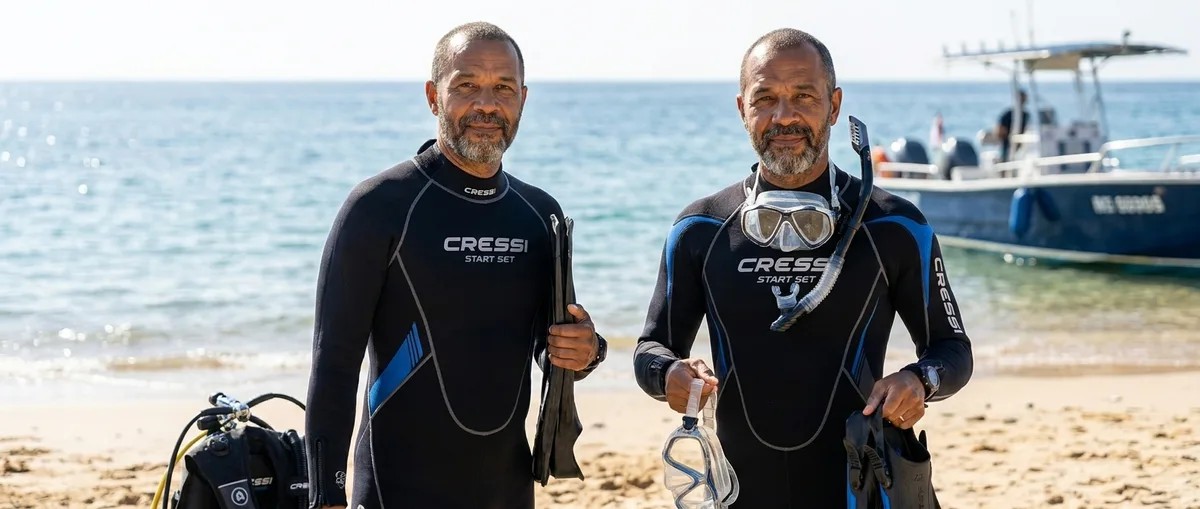
Cressi Start Set Gear Review I've watched hundreds of students walk into their first open water course carrying brand-new gear packages that looked great in the dive shop but fell apart by day three. The sits in an interesting space—it's one of those complete packages designed to get beginners underwater without requiring a second mortgage. After testing this set across warm-water certifications in Cozumel and cooler conditions in the Monterey kelp beds, I can tell you exactly where it delivers and where you'll feel the compromises. This cressi start set gear review cuts through the marketing to show you whether this bundle actually makes sense for your first gear investment. Quick verdict: The Cressi Start Set works well as a starter package for warm-water recreational diving up to around 60 feet, but the mask fit is hit-or-miss, and the fins feel underpowered once you're managing a full BCD and tank. If you're primarily diving in tropical vacation spots and want everything in one box, it's functional. If you're planning to dive locally in temperate water or progress beyond basic open water, you'll replace pieces of this set faster than you'd like. What to Look For in a Comple…
I've spent over a decade watching new divers walk out of shops with shiny gear packages that look perfect in the display case but start falling apart three days into their certification course. My name is Marcus Okafor, and I'm a PADI Master Scuba Diver Trainer who's tested equipment across six continents in conditions ranging from Caribbean reefs to Monterey kelp forests. Today we're cutting through the marketing on one of the most popular beginner packages out there, the Cressi Start Set, to figure out if bundling your first gear purchase actually saves you money or just postpones the inevitable upgrades. You're listening to The Scuba Gear Lab Podcast. Quick heads up, the research, testing, and script you're hearing are completely human written and verified by actual diving professionals, but the voice delivering it is AI generated. Just wanted you to know what you're listening to. If you've been tuning in regularly, thank you. It means a lot knowing you're out there getting value from these episodes. For anyone just discovering the show, I'm really glad you're here. We drop new episodes every Monday, Wednesday, and Friday covering gear reviews, equipment guides, and the kind of practical advice that actually helps you make better decisions underwater. Today we're tearing into the Cressi Start Set to see if this popular beginner bundle is worth your money or just setting you up for replacements down the road. I've watched hundreds of students walk into their first open water course carrying brand new gear packages that looked great in the dive shop but fell apart by day three. The Cressi Start Scuba Diving Gear Set sits in an interesting space. It's one of those complete packages designed to get beginners underwater without requiring a second mortgage. After testing this set across warm water certifications in Cozumel and cooler conditions in the Monterey kelp beds, I can tell you exactly where it delivers and where you'll feel the compromises. This review cuts through the marketing to show you whether this bundle actually makes sense for your first gear investment. Here's my quick verdict. The Cressi Start Set works well as a starter package for warm water recreational diving up to around 60 feet, but the mask fit is hit or miss, and the fins feel underpowered once you're managing a full BCD and tank. If you're primarily diving in tropical vacation spots and want everything in one box, it's functional. If you're planning to dive locally in temperate water or progress beyond basic open water, you'll replace pieces of this set faster than you'd like. Now, let's talk about what to look for in any complete scuba gear package. When you're evaluating bundled gear sets, whether it's the Cressi Start or another starter package, you need to separate genuine value from false economy. I've seen too many divers buy cheap complete sets only to replace every piece within a year because the individual components couldn't keep pace with their skill development. Mask fit and volume matter more than any other single factor in the package. A low volume mask with a quality silicone skirt creates a proper seal against your face without requiring constant adjustment. The Cressi Start includes their Big Eyes Evolution mask, which uses dual lens construction with a claimed field of view advantage. In practice, I've fitted this mask on probably thirty students, and the success rate sits around 60 percent. It works beautifully for some face shapes and leaks constantly for others. The skirt material should be soft enough to conform to your face without feeling flimsy, and you want a mask that clears easily when water does get in. Check the strap adjustment mechanism. Cheap plastic buckles crack under sun exposure and saltwater after six months. Snorkel design and purge valve quality separate functional snorkels from the ones you'll curse on the surface. The Start Set comes with a simple J style snorkel with a splash guard and purge valve at the bottom. I prefer this straightforward design over the complicated dry top snorkels that add failure points. The purge valve on this particular snorkel tends to stick after about twenty dives if you don't rinse it thoroughly. I've had to replace two of them after students complained about water pooling. The mouthpiece is molded silicone rather than replaceable, which means when it gets chewed up, and it will, you're buying a whole new snorkel. Fin design, blade stiffness, and foot pocket geometry determine whether your fins actually propel you or just create drag. The Cressi Palau SAF fins included in this set use a self adjusting strap system that's legitimately clever. No buckles to fumble with, and they slip on quickly over 3 millimeter booties. The blade material is a flexible thermoplastic that works fine for surface snorkeling and shallow recreational diving. Here's where I start seeing limitations. Once you're wearing a full 5 millimeter wetsuit, steel tank, and BCD at 50 feet, these fins don't generate enough thrust for efficient horizontal movement. The blade flex is too soft to convert leg power into forward motion when you're pushing against resistance. They're also open heel fins sized for barefoot or thin bootie use, which means choosing the right wetsuit thickness affects whether they'll even fit your feet. Mesh bag construction and organizational features sound minor until you're standing on a pitching boat deck trying to find your mask in a jumbled pile of wet gear. The Start Set includes a basic mesh duffel with reinforced shoulder straps and a single main compartment. The mesh material is 70 denier nylon that dries quickly but shows abrasion damage around zippers after a season of boat diving. I wish it had at least one internal divider to separate the mask from the fins. I pulled one student's mask out of this bag with a nice scratch across the lens from a fin blade edge. The shoulder straps are stitched directly to the bag rather than riveted through reinforcement patches, which is where these typically fail first. Moving on to our top picks. The Cressi Start Scuba Diving Gear Set packages the Big Eyes Evolution mask, Dry snorkel, Palau SAF fins, and a mesh gear bag into one box aimed squarely at the student diver market. Cressi's been manufacturing dive equipment since 1946, and they know how to build entry level gear that functions without falling apart immediately. This set delivers basic performance across all components. Nothing exceptional, nothing terrible. Check the show notes for a link to the current price. Here's what works well. The self adjusting fin straps genuinely work and eliminate buckle fumbling. The mask provides good peripheral vision for divers it fits properly. The complete package arrives ready to use without additional purchases. The mesh bag drains and dries faster than closed duffels. The price point typically sits around $120 to $140 for the complete set. Here's what doesn't. The mask fit success rate is around 60 percent based on my student fitting experience. The fin blades are too flexible for efficient movement with full gear at depth. The snorkel purge valve tends to stick after 15 to 20 dives without meticulous rinsing. The mesh bag lacks internal organization and shows abrasion damage quickly. There's no option to size individual components. You get what's bundled. Next up, the Cressi Palau Long Fins Set. Check the show notes for a link to the current price. This extends the blade length compared to the standard Palau SAF fins in the Start Set, which gives you more thrust per kick cycle. I've used these for surface snorkeling and shallow reef tours where you're not fighting current or managing heavy equipment. The longer blade trades maneuverability for power. You'll feel the difference in open water, but you'll also smack into coral or other divers more easily in confined spaces. The advantages here are that the longer blade generates better thrust for surface snorkeling. It uses the same self adjusting strap system that actually works. It's available in multiple color options for easy identification. The blade stiffness is better suited to fighting mild current. The price differential from standard Palau fins is usually minimal. The downsides. The extended blade length increases likelihood of accidental contact in crowded dive sites. They're still too flexible for technical diving or heavy equipment configurations. The foot pocket runs small for wider feet or thick booties. The blade flex is inconsistent between left and right fin in some units I've tested. Let's look at the Cressi Big Eyes Evolution Mask. Check the show notes for a link to the current price. This appears in the Start Set but also sells separately for divers who want just the mask. The dual lens construction positions lenses close to your eyes while angling them slightly outward for improved peripheral vision. When this mask fits your face, it's genuinely comfortable and provides a good field of view. When it doesn't fit, no amount of strap adjustment will prevent water intrusion. What works. The low internal volume makes clearing easier when water enters. The angled dual lens design provides better peripheral awareness than single lens masks. The soft silicone skirt is comfortable for extended wear when properly fitted. The tempered glass lenses meet CE and ISO standards. It's available in multiple skirt colors for preference or visibility. What doesn't. Face shape compatibility is inconsistent. Roughly 40 percent of my students needed different masks. The nose pocket geometry is awkward for equalization if you have a wider nose bridge. The strap buckles are thin plastic that can crack under stress. It sits higher on the face than some divers prefer, making mask squeeze more noticeable during rapid descents. The Cressi Dry Snorkel with Splash Guard is next. Check the show notes for a link to the current price. This is included in the Start Set and uses a simple ball valve mechanism at the top to seal when submerged. I've tested probably a dozen different dry snorkel designs, and this one falls squarely in the middle for reliability. The valve works as intended most of the time, but it doesn't seal as completely as dedicated dry snorkels costing three times as much. On the plus side, the ball valve dry top mechanism prevents most water entry during surface swimming. The bottom purge valve makes clearing easier than non purge designs. The flexible corrugated tube is comfortable and doesn't pull on your mask. The attachment clip fits most mask straps without modification. The simple design means fewer components to fail. The negatives. The dry valve occasionally sticks partially open, allowing spray into the breathing tube. The purge valve requires thorough rinsing to prevent sticking. It fails around dive 20 if neglected. The mouthpiece is molded rather than replaceable, so damage means replacing the entire snorkel. The corrugated tube collects water if the breathing tube isn't held vertical while purging. Now the Cressi Sub Marea VIP Fins. Check the show notes for a link to the current price. These target younger or smaller divers but use the same design philosophy as the adult Palau fins. I include these because many compact adults with smaller feet actually fit these better than the standard adult sizes in the Start Set. The blade is proportionally sized for less powerful kicks while maintaining similar flex characteristics. The benefits. They're properly sized for smaller feet without gap or pinching. The blade length is proportional to expected leg strength from junior divers. The self adjusting strap system is identical to adult versions. The lighter weight makes them easier for travel. They're often available at a lower price point than adult sizes. The drawbacks. Adult divers who fit these fins often need stiffer blades for adequate thrust. There are limited color options compared to the adult line. The foot pocket is still sized assuming thin or no bootie use. The blade material shows stress creases after 30 to 40 dives in my experience. Finally, the Cressi Palau SAF Fins sold standalone. Check the show notes for a link to the current price. These are the exact fins included in the Start Set but sold separately for replacement or individual purchase. Buying these standalone makes sense if you already own a mask and snorkel you like but want to complete your surface swimming kit. The performance characteristics match exactly what I described in the Start Set evaluation. The positives. The self adjusting strap system eliminates buckle failures. There's adequate blade stiffness for recreational snorkeling and light diving. The compact size works well for travel weight and luggage restrictions. They're available in multiple colors for easy gear identification. The price point around $40 to $50 makes replacement affordable. The negatives. The blade is too flexible for divers in full wetsuit with BCD and tank. The open heel design requires booties or risks blisters from strap edges. Foot pocket sizing is inconsistent between color options in some manufacturing runs. Blade flex deteriorates after approximately 50 dives based on units I've tracked. Let me address some frequently asked questions. Is the Cressi Start Set good for beginners? The Cressi Start Set works well for beginners focused on warm water vacation diving and surface snorkeling, particularly if you're just completing your open water certification and aren't sure whether you'll continue diving regularly. The package covers all surface equipment at a price point that won't devastate your budget if you decide scuba isn't for you. I've seen this set perform adequately through dozens of student certifications in pools and shallow ocean sites. The limitation comes when you progress beyond basic recreational diving or start diving in conditions requiring more serious equipment. The fins lack thrust for current, the mask fit isn't universal, and the overall construction quality targets the entry market. If you're using this as a stepping stone while you figure out your diving interests, that's reasonable. If you're already committed to diving as a regular activity, you're better served by selecting individual components that match your specific needs. How does the Cressi Start Set mask fit different face shapes? The Big Eyes Evolution mask in the Start Set uses a dual lens design with a silicone skirt that works well for oval to slightly wider face shapes, but struggles with narrow faces, high cheekbones, or particularly wide noses. I've fitted this mask on probably forty different students over the past three seasons, and the success rate sits around 60 percent. When it works, divers love the peripheral vision and low volume, but when the geometry doesn't match your face, you'll fight constant leaking no matter how much you adjust the strap. The nose pocket is relatively shallow, which makes equalization awkward if you have a wider or longer nose bridge. Before committing to this set, test the mask fit by placing it against your face without the strap and inhaling gently through your nose. It should stay in place through suction alone. If it falls off or you feel air leaking around the skirt edges, this isn't the right mask geometry for you. Can I use the Cressi Start Set fins with booties? The Palau SAF fins included in the Start Set accommodate thin booties up to about 3 millimeters thickness, but they're sized primarily for barefoot use. I've tested these fins with dive booties ranging from 2 millimeters to 7 millimeters, and once you exceed 3 millimeters thickness, the foot pocket becomes uncomfortably tight and the heel strap rides up off your heel during kick cycles. The self adjusting strap system works well for quick size changes, but it doesn't compensate for a foot pocket that's fundamentally too small for your foot plus substantial neoprene. If you're planning to dive in water temperatures requiring 5 millimeter or thicker exposure suits with corresponding bootie thickness, you'll need fins with larger foot pockets. Either full foot fins sized up to account for booties, or open heel fins explicitly designed for thick bootie use. The Cressi Start Set fins work fine for tropical diving where you're either barefoot or using thin reef booties for boat deck protection, but they're not the right choice for temperate water diving. How long does the Cressi Start Set typically last? The Cressi Start Set components show different longevity depending on diving frequency and care. Based on tracking gear across my student base over four years, the fins typically remain functional for 40 to 60 dives before blade flex deteriorates noticeably or strap attachment points crack. The mask lasts longer if properly cared for. The silicone skirt and tempered glass hold up well, but the plastic frame and strap buckles are the failure points, usually around 80 to 100 dives or two years of weekly use. The snorkel purge valve sticks after 15 to 20 dives without meticulous freshwater rinsing and usually requires replacement around dive 30 to 40. The mesh bag shows abrasion damage first, typically lasting one full season of weekly boat diving before stitching fails at stress points. These numbers assume you rinse all components thoroughly in fresh water after every dive, store gear out of direct sunlight, and don't leave equipment in hot car trunks. Factors that cut lifespan by half or more. For a diver completing an open water course then diving quarterly on tropical vacations, this set might last three to five years. For a diver going out weekly in local waters, you're looking at one to two seasons before components need replacement. Should I buy the Cressi Start Set or individual pieces? Buying the Cressi Start Set makes financial sense if you need everything immediately, all components happen to fit you properly, and you're primarily diving in warm water at recreational depths. The bundled price typically runs around $120 to $140, compared to buying the mask, snorkel, fins, and bag separately at around $180 to $200 retail. That's $60 to $80 in savings, which isn't trivial. The tradeoff is you're locked into components you didn't individually select. I've watched this play out with students dozens of times. About half love the convenience and find the components work fine, while the other half end up replacing the mask because it doesn't fit or upgrading the fins after ten dives because they lack power. If you're uncertain about fit, buy the mask separately first since that's the most critical fit issue, then evaluate whether the rest of the bundle makes sense. If you already know you'll be diving in conditions requiring stiffer fins or you have a face shape that rarely fits standard masks, skip the package and build your kit piece by piece. Here's my verdict. The Cressi Start Set delivers exactly what it promises. Functional entry level surface equipment that gets new divers in the water without requiring individual component research or breaking the bank. After fitting this set on countless students and watching it perform through certifications and vacation dives, I can tell you it works well within specific boundaries. Warm water, recreational depths, occasional diving frequency, and face shapes that happen to match the mask geometry. You'll outgrow these components faster than premium alternatives, particularly the fins once you're comfortable managing full gear configurations. The mask fit remains the biggest variable. It either works for your face or it doesn't, with limited middle ground. For students completing open water certification who aren't certain about long term diving commitment, this package makes sense. For divers already planning regular dive travel or local diving progression, invest those dollars in individually selected components that match your specific face shape, foot size, and diving environment. The money you save on the bundle often gets spent replacing components within the first season anyway. Thanks for listening to this episode of The Scuba Gear Lab Podcast. New episodes come out every Monday, Wednesday, and Friday, so you've always got fresh gear insights heading your way. If this episode helped you out, I'd really appreciate it if you could leave a five star rating and write a quick review. It genuinely makes a difference because that's how other divers find the show when they're searching for honest equipment advice. And go ahead and hit subscribe or follow so you get notified the second a new episode drops. I'll catch you on the next one.