
the rohn report · rohn bayes
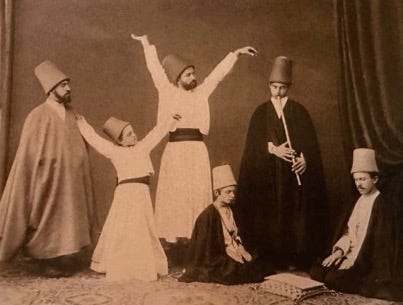
It’s a well known myth as the story of coffee goes - one day a goat herder in Ethiopia by the name of Khaldi (this was hundreds of years ago) was out with his herd and noticed that his goats had become frisky after eating the red berries from a bush that grew nearby. So of course he tried them too, chewed on them and caught a buzz. He was the first one to figure out that coffee beans had stimulating properties. Meanwhile, just across the Bab al-Mandab Strait in Yemen, in a town called Mocha, the Sufis were staying up all night getting high on chanting the names of the Lord and dancing. When they heard about the little red beans (the strait is only 15 miles wide, you could sail over there on a lark just to have lunch with a friend) they were ecstatic. They discovered that if you ground them up and poured boiling water over them you could consume it as a drink - coffee. The Sufi story is a separate coffee myth, but who knows, Mocha is a real place. It’s not just a menu item at the cafe. It’s on the southwestern coast of Yemen and this is where the Sufis (a form of Islam) were actually living, spinning all night in their spiritual reverie, high on brewed coffee, apparently, some 600 years ago. It’s also a name in the news lately. War has sparked up in Yemen, again. Mocha has been overrun and occupied by the Houthis, who seem to be kicking butt all over the place (at least as of this writing). The Sufi’s long nights of peace and love, devotion and adoration are long gone. The same thing happened in Mosul over in Iraq. Found in the rubble of the ancient city of Nineveh, which sits right in the center of the modern city of Mosul, was a library with thousands of clay tablets covered in strange symbols. They took them back to the British Museum and spent 13 years trying to break the code, trying to translate the texts. And they did. It was Akkadian, the official language of ancient Assyria and the marks had been made by pressing a stylus into wet clay. Which is why they lasted so long - 3,000 years plus, laying there in the dust. Among the discoveries they discovered was the Epic of Gilgamesh. The oldest story ever written in the human language, older than the Bible or the Indian Upanishads or the creation myths of China. In the story, or myth, of Gilgamesh, for it certainly was a well known and often told story in that part of the world and had been for generations, Gilgamesh learns about being human. That’s why it’s a classic even today but Mosul, unfortunately, hasn’t fared so well. It’s been devastated by war twice in the last 15 years. First ISIL held siege and captured it, and then it was re-captured again in another siege to liberate the city. Thousands of citizens were killed and much of Mosul destroyed. They went all in for war. Gilgamesh tried to figure out how to have some peace. He forgot too, lots of times. That’s why he was so human. And here’s the point. The Sufis of Mocha, now under Houthi control and the story of ancient King...
0:01SPEAKER_02Welcome to the run report.
0:03SPEAKER_02Let me find it here.
0:07SPEAKER_00The Sufis in Yemen, Gilgamesh in Mosul, and the story of coffee.
0:17SPEAKER_00It's a well-known myth as the story of coffee goes.
0:22SPEAKER_02One day, a goat herder in Ethiopia by the name of Kaldi,
0:28SPEAKER_02Kaldi, And this was
0:31SPEAKER_01hundreds of years ago.
0:33SPEAKER_01He was out with this herd and noticed that his goats had become frisky after eating
0:38SPEAKER_01the red berries from a bush that grew nearby.
0:43SPEAKER_02So, of course, he tried them too, chewed on them and caught a buzz.
0:49SPEAKER_02He was the first one to figure out that coffee beans had stimulating properties.
0:58SPEAKER_02Meanwhile,
0:59SPEAKER_02just across the Bab al-Mandab
1:01SPEAKER_01Strait in Yemen,
1:04SPEAKER_01in a town called Mocha,