
The Poverty Trap · Joan DeMartin
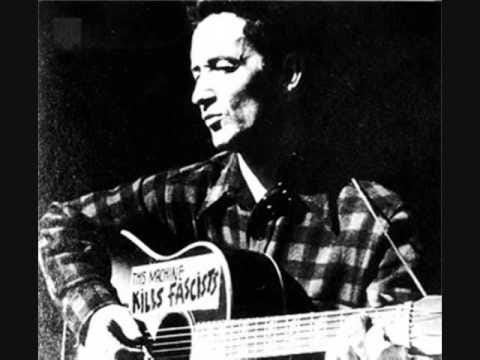
Welcome to The Poverty Trap, a newsletter and podcast for people who are fed up with the inequality baked into America’s system and want to individually and collectively make change. Thinking about subscribing? Here’s what one “founding member” subscriber recently had to say about The Poverty Trap: “You do great work, Joan. I don’t always get to read your newsletter, but when I do, I leave more informed and more compassionate…” Amy B. ___________________________ We often forget that music is more than a means of deriving pleasure. In every generation of protest, music has played a key role in defining injustice, the struggle for equality, and the desire for peace. National Women’s History Museum My last post, Power Of The People: Political Protest Then And Now, talks briefly about America’s history of political protest and provides both historical and very recent examples of how people coming together to protest publicly and peacefully can make their opinions heard by the elected officials who represent them and us. It is literally the most powerful tool we the people have to affect change in our personal lives, our community and our country. Yet there is another element, when joined with public protest, that adds an exponential impact to our power. And that element is music—songs that tell a story and push back against government policies and laws we disagree with, and even stop violence perpetrated by our government against neighbors, friends and family. Music is the emotional connection between the people and the cause. One example is folk music, which has been long associated with protest movements in the United States, from its earliest beginning in the late 18th century, to its “revival” after the Depression, through the 1960’s and 1970’s, and straight to today. Acoustic singer-songwriters in the folk music tradition remain the voice of outreach and protest. Listen to what is considered one of the best folk songs, written and performed by Woody Guthrie: And Bob Dylan’s “Blowin’ In The Wind” is right up there with the best. Here it’s performed by Peter Paul and Mary at The March On Washington, 1963…with a bit of commentary from the singers. And here’s a very recent tribute to folk music and protest—a segment on CBS Sunday Morning featuring the singer Jesse Welles, titled “Keeping the spirit of American folk music alive”. This cool, young guy from Arkansas is quickly becoming a national treasure. Let’s not forget the powerful force of Black spirituals and Gospel music to rouse emotions and move people to tears and to action. Listen to Mahalia Jackson sing two hymns at The March on Washington, 1963: ————————— Today we have rousing music from Minnesota community members, who call themselves the “Singing Resistance”, and who were profiled by CNN’s Anderson Cooper. Hear them lead protestors in song: And then there is The Boss. A likely billion fans world-wide, including me, are just plain lucky he never quits. Springsteen wrote this...
0:01SPEAKER_00Hello, subscribers.
0:03SPEAKER_00This is Joan DeMartin,
0:05SPEAKER_00and welcome to The Poverty Trap,
0:07a newsletter and podcast for people who are fed up with the
0:12inequality baked into
0:14SPEAKER_00America's system and want to individually and collectively make change.
0:20SPEAKER_00And I think the key word these days, collectively.
0:25SPEAKER_00In case you're thinking about subscribing,
0:28here's what one founding member subscriber recently had to say
0:32about the poverty
0:33SPEAKER_00trap.
0:35SPEAKER_00Quote, you do great work, Joan.
0:37SPEAKER_00I don't always get to read your newsletter,
0:39SPEAKER_00but when I do,
0:41SPEAKER_00I leave more informed and more compassionate.