
The Moral Imagination · Michael Matheson Miller
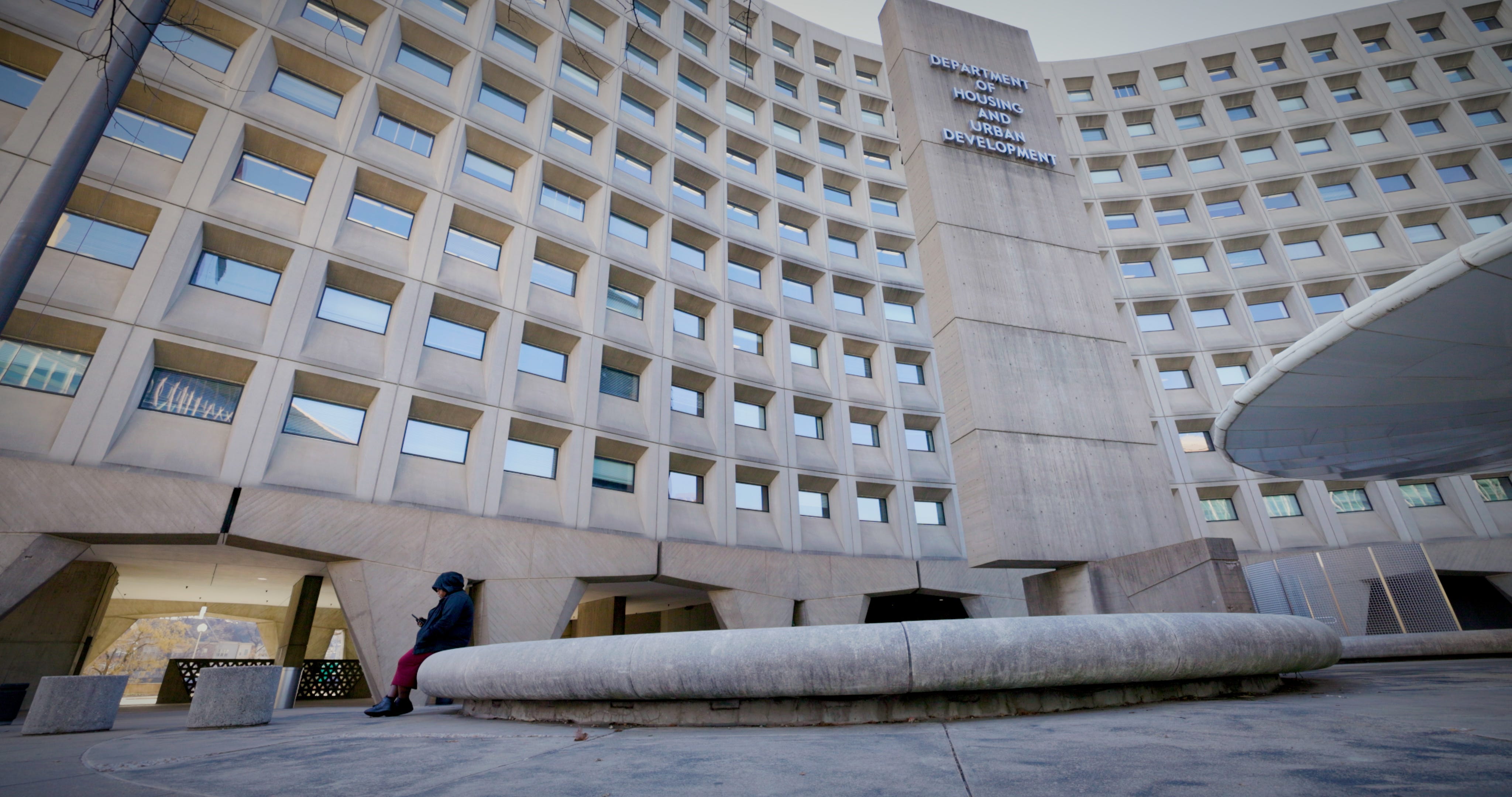
This episode of The Moral Imagination Podcast is a lecture I gave on Escaping the Technocratic Paradigm at a conference on Social Engineering the Poor. My main argument is that the dominant way that we have addressed poverty and other social problems throughout the world has been based on a mechanistic vision of the person and society – a “technocratic paradigm.” This technocratic vision has led to attempts to scientifically manage people, which not only failed to deliver on its promises, but has caused injustice, weakened families, and the natural communities where people flourish. Inspired by the success of industrialism, the assembly line, advances in science and technology, and especially the military victory of World War II, the idea was that we could use the state and social policy to do incredible things. We won the war. Let’s now use our energy, political and economic power, social engineering, and technology to “win the peace.” My argument is that this dominant, technocratic paradigm fails because there is no technical solution to the problems of evil, sin, suffering, poverty, and death. The technocratic paradigm fails because it is based on a mistaken vision of the human person, a simplistic view of society. It is based on erroneous visions of justice, a lack of regard for the family as the fundamental unit of society, a degrading of the importance of economic opportunity, and failure to practice solidarity, subsidiarity, and charity properly understood. Ultimately it reduces poor people to objects to be managed, rather than seeing people as protagonists with freedom and capacity. OUTLINE I divided the talk into 4 main sections: First, I set out the idea of the technological society and technocratic paradigm. The term technocratic paradigm can be found in the encyclical Laudato Si from Pope Francis where he writes, also quoting the theologian Romano Guardini and There is a tendency to believe that every increase in power means “an increase of ‘progress’ itself”, an advance in “security, usefulness, welfare and vigor; …. as if reality, goodness and truth automatically flow from technological and economic power as such. He argues that our “immense technological development has not been accompanied by a development in human responsibility, in values and conscience.” This echoes the work of C.S. Lewis, an early critic of technocracy in his book The Abolition of Man and his novel, That Hideous Strength, and the writings of Benedict XVI, especially in from Jesus of Nazareth and Spe Salvi Second, I give various examples of the technocratic paradigm in practice including: * Architecture * Education * Agriculture and Monoculture * Family and Marriage * Healthcare * Genetic Engineering * Euthanasia * World Economic Forum Vision * Behavior Modification * Transhumanism With a specific focus on how technocratic poverty alleviation programs have cause harm including * Urban Renewal * The loss of intergenerational wealth * Welfare and Policy...
0:00SPEAKER_01This is Michael Matheson Miller, and you are listening to The Moral Imagination Podcast.
0:06SPEAKER_01Thank you for listening to The Moral Imagination Podcast.
0:13SPEAKER_01It's been a while since I've been regularly releasing episodes.
0:16SPEAKER_01I've been working on a new documentary film.
0:19SPEAKER_01It's called Poverty Trap, How Big Plans to Solve Poverty Broke the Promise of America.
0:25SPEAKER_01And we're in the final stages of post-production,
0:28SPEAKER_01so I'll be sending some information,
0:30SPEAKER_01posting some information about that in the coming weeks.
0:33SPEAKER_01So this episode of the podcast is a lecture I gave called Escaping
0:37SPEAKER_01the Technocratic Paradigm at a conference on social engineering the poor,
0:42SPEAKER_01hosted by the Acton Institute and the Center for Social Flourishing.
0:46SPEAKER_01So it's very much related to the film that I've been working on.
0:48SPEAKER_01It's a critique of the technocratic vision and scientism,
0:52SPEAKER_01and this idea that if we could just somehow organize or engineer people or society,
0:58SPEAKER_01we could end poverty, we could solve the problems of sin, suffering, and death.