
The Moral Imagination · Michael Matheson Miller
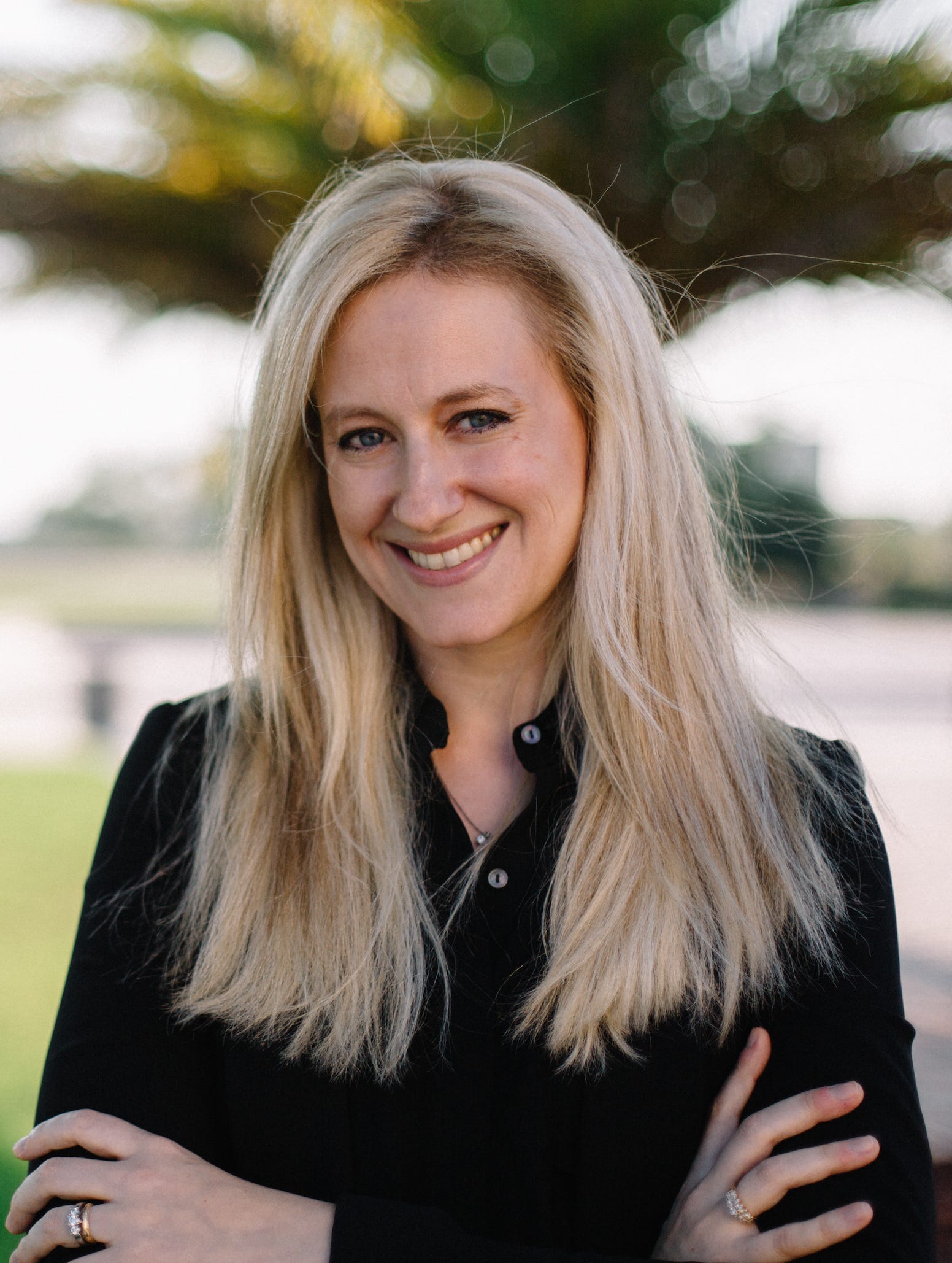
In this episode of the Moral Imagination Podcast I speak with Catherine Pakaluk about her book Hannah’s Children: The Women Quietly Defying the Birth Dearth Over the last 200 years, we have seen a decline in birth rates in the United States and abroad, especially in Western countries. Most European countries are no longer at replacement rates and face serious population decline. Reuters reported that Japan’s population will decline by a staggering 30% in the next fifty years. In the United States, in the year 1800, the typical woman would have about 7 or 8 children. By 1900 that number was cut in half to 4. By 2000 the number cut in half again to about 2 children, which is just about replacement rate. The Wall Street Journal recently reported on the the record-low birthrate in the US, and how increasing numbers of people plan to have no children. In the midst of declining marriages, childlessness, and low birthrates, Pakaluk studied the increasing minority of women in the Western world who have chosen to have five or more children — the top 5% of childbearing. Her book is a mix of ethnography, sociology, and economics, and includes a critique of the dominant model of social and economic research. One thing that stands out with many of the women she interviews is how at some point a shift took place in their attitude — from seeing children as a choice, like a consumer good among other choices, to a different attitude of receptivity and openness to having another child, and then another. She talks about the many forces that promote small families — the cost of children, overpopulation propaganda, education, feminism, environmentalism, consumerism and more. But Pakaluk emphasizes that encouraging women to have more children cannot be addressed simply by implementing pro-family policies like some countries have tried to do. Good policy is not insignificant — for example in most US states parents who want to send their children to religious schools have to pay twice for school through tax and tuition. But she argues that the real problems go much deeper. They are religious, spiritual, and metaphysical: a vision of life that sees being as good, children as a blessing, and family as essential for a good life. Pakaluk compares having a large family to running a marathon—except longer, harder, and more fulfilling. Government family policy would be like giving everyone a pair of good running shoes for the marathon. That could help, but it won’t get most people to run. There must be a deeper motivation, and this almost always comes from religious belief and the virtues of faith, hope, the goodness of being, and the value of generosity and sacrifice that come from it. Themes and Topics we discuss include: * Demographics and Population Decline * Family policies * Feminism * Education * Career vs Family and Children * Conflicting Desires * Difficulties and Advantages of a Large Family * The Role of Religious Schools * Community * Plausibility Structures *...
0:00SPEAKER_01This is Michael Matheson Miller, and you are listening to the Moral Imagination Podcast.
0:13SPEAKER_01Thank you for listening to the Moral Imagination Podcast.
0:16SPEAKER_01I'm delighted to have as my guest today, Dr. Catherine Pakalik, and I'll give you her bio in a second.
0:22SPEAKER_01We're going to talk about her book, Hannah's Children, The Women Quietly Defying the Birth Earth.
0:28SPEAKER_01So thank you again for listening.
0:29SPEAKER_01Thanks to all those who have written reviews.
0:31SPEAKER_01If you like the podcast, please do write a review on Apple Podcasts.
0:34SPEAKER_01It does help grow the podcast.
0:36SPEAKER_01And thanks to those who have supported me on Patreon.
0:38SPEAKER_01I appreciate the support.
0:41SPEAKER_01And as always, the show notes for this and all episodes are on themoralimagination.com.
0:48SPEAKER_01And there you can also subscribe for my occasional newsletter also at themoralimagination.com.
0:54SPEAKER_01So my guest today is Professor Catherine Pakalik.
0:59SPEAKER_01She is an associate professor in the Bush School of Business at the Catholic
1:02SPEAKER_01University of America in Washington,