
The Long Island Sound - Music and Entertainment Discovery Begins! · Stephen Yusko, Host and Curosity Seeker
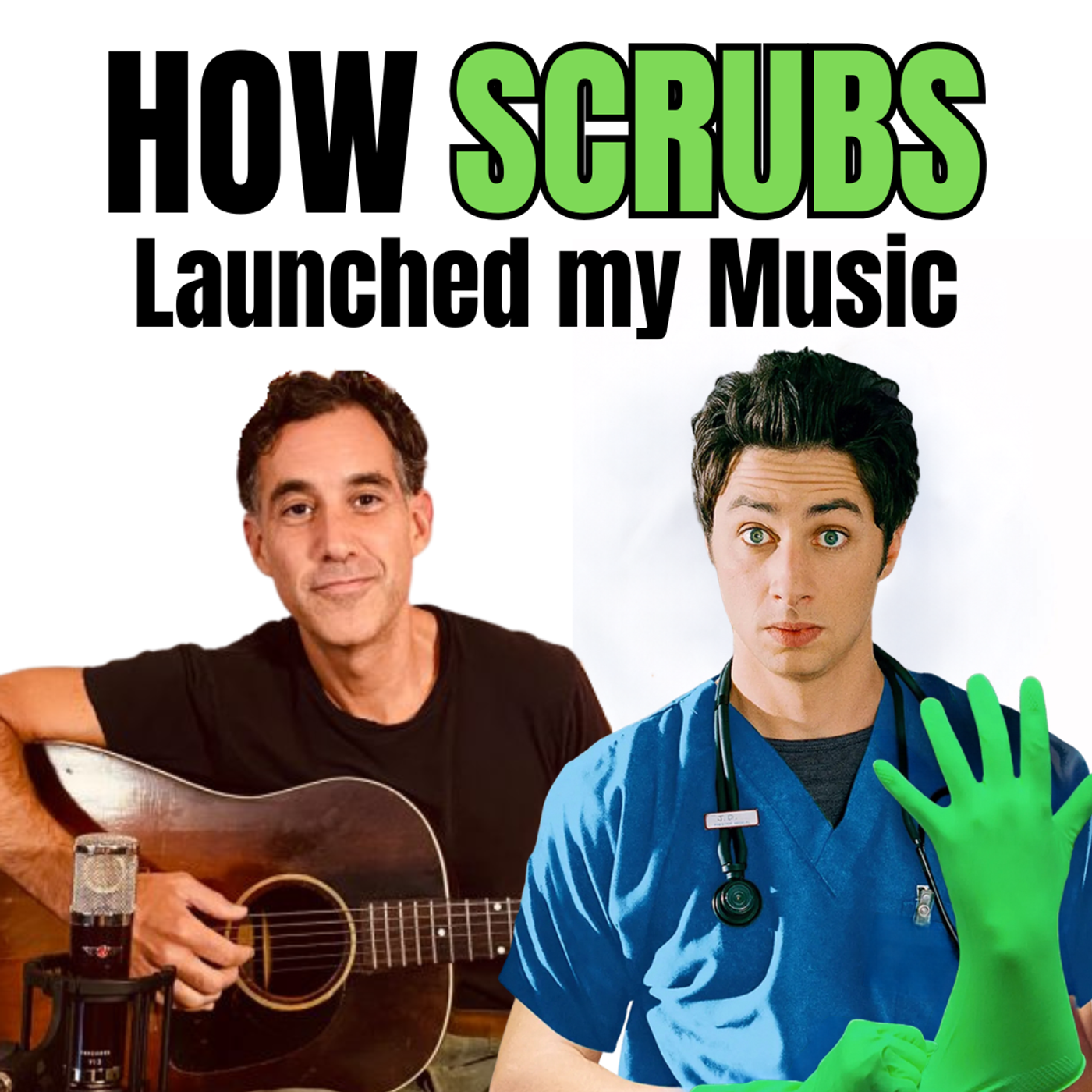
Joshua Radin joins us to discuss his journey as a singer-songwriter and the inspiration behind his folk music career.In this episode, we sit down with Joshua Radin to explore his unique path in the music industry. Known for his intimate folk music sound, he shares stories about his songwriting process and the experiences that have shaped his professional life.This podcast interview offers listeners a look at the dedication required to maintain a lasting career as a singer-songwriter. We discuss how Joshua Radin approaches his craft and the creative instincts that help him connect with audiences around the world.Subscribe for weekly musical artist interviews, and comment below with which artist you want to hear from next. He describes his evolving voice, saying he still feels like he is finding his sound, especially now that he is writing in a quieter, more reflective country setting. Timestamps 00:00 - How a whispering folk sound became Joshua Radin’s signature 00:34 - Stephen Talkhouse, North Shore Animal League, and the benefit show 02:06 - Revisiting We Were Here for its 20th anniversary 03:38 - Why vinyl matters and what makes a live acoustic release different 04:06 - From visual arts to screenwriting to songwriting 06:01 - How “Winter” reached Scrubs through Zach Braff 08:27 - Hotel Cafe, music supervisors, and the early sync era 10:37 - Still finding his voice after 22 years 11:41 - Why Joshua plays loose sets and engages the audience 13:45 - Turning down the pop-hits path at Columbia 16:37 - Being an artist “without a home” after label upheaval 17:05 - Playing for Rick Rubin on a couch and finishing the album 18:43 - The nomadic years: suitcase, guitar, and seven continents 21:03 - Writing from experience without writing literal road songs 22:32 - The Ellen DeGeneres wedding story 27:47 - Meeting Ted Sarandos on a flight 29:22 - Performing for Michelle Obama with Quincy Jones and Berry Gordy in the room 31:20 - Why staying open creates serendipity 32:20 - Fall tour dates, vinyl, and the Stephen Talkhouse benefit Steve and Joshua explore: Accidental Beginnings: How a noise-sensitive NYC neighbor inadvertently forced the quiet fingerpicking and "whispering folk" vocal delivery that launched his career. Artistic Sovereignty: Returning his advance to Columbia Records when executives demanded a pop hit, choosing creative freedom over corporate funding Life as a Nomad: Selling his Los Angeles home in 2022 to live out of a backpack with just an acoustic guitar, finding new inspiration across global travels.Connecting Live: Why he discards rigid setlists to take audience requests, taking the stage at intimate venues like The Stephen Talkhouse, and his long-standing work in animal rescue. Official Links Official Website & Album Pre-Orders: 🌐 [www.joshuaradin.com*Stephen Talkhouse Concert Tickets (Sept 25, 2026): 🎟️ [Buy Tickets on Seated Flink.seated.com VIP Meet & Greet Passes (Stephen Talkhouse): ⭐ [VIP Meet 'n Greet Passes:...
speaker-0: Two decades ago, a 30-year-old former art teacher in a cramped New York apartment accidentally developed a signature whispering folk sound just to keep the hostile neighbor from calling the cops. And today with over a billion streams and ten studio albums behind him, Joshua Raden is bringing his timeless acoustic stories to Stephen Talk House in Amaganset. Wanna welcome Joshua Raiden to the Long Island Sound. Welcome, Joshua. Sure. Okay, so on the twenty-fifth of September, you're gonna be at Stephen Talk House in Amagansett. And I think you're doing this as a benefit to the North Shore Animal League. How'd you get involved with them? And how does it feel to be in an intimate setting like Stephen Talkhouse? speaker-1: Thank you so much for having me, Steve. Man, that place is really cool. I've probably played there six or seven times in my life. It's always a blast. And ⁓ North Shore Animal League America is a organization that's very near and dear to my heart. I've been working with them for quite a few years. They're the largest no kill animal shelter in the world, actually. And ⁓ I guess how to how to get involved with them, it was through Beth and Howard Stern, actually. And ⁓ we became friends and Beth asked me to play a benefit there at Steven at Steven Talkhouse. four North Shore, I don't know how many years ago, four or five years ago, something like that. And we've been friends ever since. And I've played a bunch of other benefits. North Shore Animal League America's amazing and Beth Stern's amazing and Howard and they they support that organization so well. speaker-0: Yeah, you know, I can relate to that. We just we just rescued a dog or my daughter rescued a dog and we we had this five month old dog with us. A lot of energy, right? And ⁓ we're like, we gotta find a home for this. And it was through North Shore Animal League. And we were particular about it being a no-kill type of thing. And yeah, within five days, you know, our little dog had a happy home. So you're marking your twentieth ⁓ anniversary of We Were Here, okay, on and you're Coming out with I believe a double set on the twenty third ⁓ and this will broadcast on that. You know, looking back at your thirty year old self, what was it like revisiting those tracks? Well speaker-1: Actually, it is the twentieth anniversary. It's the first it's the twentieth anniversary of my first album we were here. And in order to celebrate that, I didn't want to touch any of make a live solo acoustic set. So like if any of my fans have ever seen me play just live acoustic solo the entire night, that's w that's what I did. I mean there's you know, it's just you know, no breaks, you know, just kind of like played seventeen songs, turned the mic on and ⁓ just me and my guitar and there's old songs, new songs, and so that comes with the original We Were Here vinyl. So that's like the double makes it like the anniversary kind of thing, whatever. speaker-0: Yeah, you what's so cool about that? What I can imagine is I one, I love hearing artists live, you know, listening to their albums and seeing themselves live and having little twists to things. And to me, that brings more intimacy, you know, like I feel like I'm in your living room. ⁓ so that's what I can imagine is gonna happen with this ⁓ number two part of that double album set, correct? Cool. And you from what I understand, this tour that you're doing through the fall, you're gonna have final albums speaker-1: Yeah, that that's that's what I'm hoping. speaker-0: To sign obviously and and sell to your audience out there. That's pretty cool. speaker-1: Yeah, I love ⁓ when people buy the vinyls because ⁓ they spend a lot of time making ⁓ I I've got a couple of vinyls that I've had to buy a few times now 'cause I've worn out the grooves. speaker-0: Yeah, they say over a hundred plays and kinda get shot after that. I I wanna turn the pages back. Okay. From what I see, you you studied visual arts, you went to what, Northwestern, right? Yeah. And then you picked up the guitar at at thirty, which gives me hope. Tell me about visual arts. Yeah, I you know what? I agree with ya. I agree with ya. You're only as young as you feel and you gotta keep keep learning and keep plowing through. speaker-1: I did. speaker-0: How does visual arts tie into your creative your creation of the muse, I guess? speaker-1: Well, so I yeah, I studied ⁓ painting and drawing at Northwestern and then after that I was a a little kids art teacher in Chicago and I was very yeah, I was all about the visual game, the visual media. I loved to paint and draw. And I love to teach kids. So that was a great job and I sort of thought you know what? I love films. I've always loved films, movies, and so I decided to you know, try my hand at screenwriting. So I spent about six years in New York City after college. And I you know, I wrote six features, all comedies, and I sold two of them, but neither of them got made. They got shelved. So it was so frustrating to me. I ended up picking up a g an acoustic guitar. and the first line I ever wrote down was I should know who I am by now. And that's the first line of the first song I ever wrote, which is called Winter. And I was so frustrated like You know, turning thirty, it was something about turning thirty, and I I don't think there's much to do with, you know, numbers, ages, that that kind of thing, but man, there's something about being, you know, s really, really struggling as an artist, ⁓ at turning thirty, and a lot of my friends from high school and university had had sort of made their way in the world already. And I was kind of looking at myself in the mirror metaphorically, saying, like, w you know, when when am I gonna figure myself out? You know. ⁓ You know, some of my friends are doctors already and I'm I'm sitting here, you know, kind of still figuring myself out. So that's how it all began. speaker-0: Interesting when you when you talk about the decades, right? Thirty, forty, and how you do look back and how you're measuring up to what your friends are doing, your your cohorts and stuff. So you're thirty and then something wild happened. I believe one of your roommates took your song and handed it over to Scrubs and it it hit the television. Tell me about that. speaker-1: Well, the star of that show, Scrub, Zach Braff, is a f buddy of mine that I met at Northwestern. Okay. And we were both writing screenplays after college and giving each other notes on our scripts and stuff like that. He was just much better than me. So I started playing guitar, like I said, not to become a musician, but it was more of a meditative device, you know, as I was writing and I couldn't come up with a, you know, a certain piece of dialogue or something like that. I would pick up the guitar, learn a new chord, or I'd and once I knew like three or four chords, I started learning like a couple of Dylan songs and and then I you know, six months after I picked up the guitar, I I I wrote my first song, like I said, called Winter. And then I decided because I love movies so much, I was gonna try my hand at screenwriting. I moved to ⁓ New York City. I lived there for six years and I wrote six features. I sold two of them and then neither of them got made. I got shelved. And I was so frustrated that I picked up the acoustic guitar and I just started writing songs or I started learning chords. Okay, as a medi as a meditative device. And about six months later I wrote my first song. It was called Winter. And I played it for my buddy Zach, who I met at Northwestern. And he said, you know, we're always looking for new songs and new artists ⁓ for the show Scrubs. So why don't you make a demo of it and ⁓ I'll give it to Bill Lawrence, who's the creator and producer of the show, and and his wife Krista Miller, who's a an actress on the show and also ⁓ music supervises all his all Bill's shows. And They like three weeks later they put the demo of that song on the on an episode of Scrubs and it was such a it was such a it was a really powerful episode. You know, it's a silly comedy and I I love that show. It's it makes me laugh. And it's and it it's got some heart wrenching moments, but this was probably, you know, one of those heart wrenching moments that real Scrubs fans were like, This is our favorite episode of the whole series because the Brendan Fraser who was a guest star did an arc for I don't know, five or six episodes or I I can't remember. His character dies and at the end of the episode, you know, my song plays throughout the whole thing. And so it was before Shazam. So all these people ⁓ shut down the MVC website trying to figure out ⁓ who what song that was. And I only that I didn't have like a a website or, you know, anything like that or anywhere. Wow. I I I'd only written one song. So it very quickly called me and said, You know, I think you're a good screenwriter, but this is clearly a sign that You write one song and the whole website crashes, like maybe you should write some more songs. So I mean, how can you argue with that? So I said ⁓ I moved to Los Angeles and I started playing in this little place called the Hotel Cafe. You know, me and a few of my friends were the first ones to like start playing in that place. And now it's become after, you know, twenty years, this like storied singer songwriter haunt in in Hollywood. Anyway, what happened was it's it's pretty interesting. I I had no idea what I was doing. And so I wrote I wrote I would write a song. I'd record a demo of it and then I'd go play like a couple songs at Hotel Cafe that night in LA and ⁓ invariably a music supervisor at the end of the night would say, Hey, you said one of those three songs you played tonight was a new one. Do you happen to have a recording? And I'd run out to my beater of a car and I'd, you know, gr I I would make like five, you know, burn CD demos. Yep. Just in case anyone asked and and then the next week that song would be on like Gray's Anatomy or you know, it's like ⁓ god. I know, it was like sort of this tipping point in Hollywood where at the hotel cafe all the music supervisors would kinda hang out and, you know, look out for new songwriters ⁓ that they could use songs for, you know, movies and T V shows and commercials. So it was sort of like the gold rush for musicians and songwriters at that time. And ⁓ I just happened to be very fortunate to be a part of it and around a bunch of great songwriters and performers that sort of ⁓ taught me how to do what I do. speaker-0: That you know what's amazing about that? I just can imagine the audience of singer songwriters that are listening to this, you know, you know, throwing stuff at their phone right now, going Yeah how the how the speaker-1: For all I will say for all those people throwing things at their phone right now, I I agree. I agree, it's a crazy story. But I did spend up till age thirty, you know, scrounging for quarters in the couch, you know, trying to either sell paintings or screenplays. Yeah. speaker-0: Yeah, you paid you paid your dues. speaker-1: I paid my dues just in a two different artistic media. speaker-0: Now, I gotta ask you this, 'cause you know, there's that story about, you know, you playing in New York. I don't know how true this is, about, you know, keeping it down to a whisper. How did you find your voice, your the voice that you bring out when you you perform? How did how did how did that develop? speaker-1: think it's still happening. I mean I'm recording new song I'm recording new songs right now and ⁓ with this amazing producer Malcolm Byrne in ⁓ in Kingston. He has a studio at his place. I just wrote some new songs having moved up here, been inspired, you know, to write about moving out to the country and small towns and nice people and positivity hope. You know, and and ⁓ you know that's what happens when you put me in the nature and I can hear the birds sing. So I don't know. Like I said, it's been twenty two years I've been doing this and I ⁓ I'm still feel like I'm finding my sound. speaker-0: Wow. Hey, wanna I wanna ask you this. This this I found so also interesting is that many times you throw away the playlist and you really interact with the audience. And it I mean that's that's like on a to me, that's like being on a typerope without a net, you know. Tell me how that dynamic developed and and what do you enjoy about it or do you struggle with it at all? How does how does it work for you? Yeah, I always are reading. speaker-1: I don't know, can you be a little more specific? speaker-0: I was reading that sometimes you get more interactive with the ⁓ with the audience and and you may, you know, go off your set list and take suggestions from the audience. Is that true? speaker-1: Yeah, I mean, I never had any desire to be like an arena artist, you know? Okay. ⁓ I never really had a desire to be on stage in the first place. You know, I wanted to do creative things that were behind the scenes. I never really like craved attention. So it was I was very shy and it was really hard when I first started writing and performing. Like I'm a completely different performer now. But it took about three or four years on the road playing everywhere, all over the world, to sort of find my stage legs. And then after that, you know I didn't really need the crutch of a band anymore. I'm I mean the last tour I I used a band, but for ten years before that I was kind of doing like solo or acoustic duo or trio kind of thing. Mm-hmm. Then you know, a lot of solo acoustic shows, which I think is why I I I decided to do that second vinyl, because I've never released a bunch of songs in a row that were just solo acoustic live. So but fans have been seeing me do that for years and ⁓ you know, I feel like there should be some record of it, you know. So, you know, after playing year after year and town after town and country after country, you know, you just get so comfortable up there that it just becomes a second home. And I don't I just treat the stage, I break the fourth wall and I just treat it like it's a living room. And if someone yells out like, Hey, can you play that song? I'm like, if I can remember it now try you know, or you know, or sometimes we have like Q and A's in the middle of a show. I don't know. Not not because not because I decided to do it, just because people start one person asks a question and I answer it. And then someone else has a question, it just becomes this thing and then I've have to remind myself, like, hey, I this isn't a TED talk. I'm I'm here to you know, I gotta I gotta be some of these songs. Yeah. speaker-0: But you know you know what's great about that is you're really you're really you're naked up there, so to speak, and you're showing your humanity to people and and that's where you're making the that ⁓ that's where you're making the connections in my mind. You know. speaker-1: All my s all my songs are just like journal entries. So, you know, I think the people that come to see me play and listen to my music gravitate toward, you know, honest intimacy. speaker-0: Excellent, excellent. So you get signed by ⁓ you know, a record label, okay? Columbia. And then, you know, like many record companies, they want to get that big pop hit, you know, make a lot of money, and you kind of don't go in that direction. They tell tell the audience about that. I I found that pretty ballsy, to be honest with you. And and how it went. speaker-1: Yeah, Columbia. Gave him I gave him one song. I turned in my my my sophomore album, which the first one I ever did like in a proper studio with a proper band and you know like ⁓ you know, with Columbia's money. So, you know, I got all this wish list of people, musicians and producers, you know, like and at Sunset Sound in Hollywood, you know, this storied you know, studio with like some of my favorite albums ever made there. Right. It was ⁓ you know, it was buzzing the whole time, you know. speaker-0: Yeah. speaker-1: I was pinching myself like what this is like a year and a ha half or something after I've picked up the guitar and learned how to play G and C and D, you know, and Right. ⁓ so you know, when when things happen that quickly, it's ⁓ it's it's a blessing, but there's certain things that are not perfect about it too. You're not ready for it. You know, you make decisions that you're like I I I was I don't want to use the word arrogant because it's ⁓ has such a negative connotation, but maybe so confident in the fact that I knew what I was doing just based on the fact that I had been doing this for like a year and there was a windfall of money in my bank account all of a sudden. I was like, what is from for a guy who was totally broke, I was like, well I must be doing something correct without anyone else's help. So I'm just gonna keep doing it that way. You know, I was terrified to listen to like the label and they want that. So I was like, I don't really want to change who I am or my sound. I don't want to chase any of that. So I ⁓ I I gave them all their money back and and bought myself out of that contract. And ⁓ so we then started a I didn't start the label. There's a label called Mom and Pop. Right. And they were s they were starting their their label and they wanted to start it with my album that I had made for Columbia, but Columbia didn't hear a huge radio hit, which I understand because I didn't write one. So Right. I did also had no idea I was under the ⁓ no one told me I needed to. You know, I was just writing the songs that I that I was writing and Trying to make him sound cool in the studio. So and when I turned him in, it was a bit of a shock because ⁓ speaker-0: Yeah, nobody nobody nobody gives us our money back, right? I can imagine speaker-1: Well, I went in you know, I went into the I went into Rick Rubin's house. That was because yeah. He had he had taken over American Records, which was under ⁓ Sony. And so he was sort of running Columbia at the time because when I signed to Columbia, everyone was fired a week later. So I was sort of left, you know, an artist without a home. And most people don't really understand from that side, that is really a lose lose situation because if an A and R person who signs you or ⁓ the president was fired, I mean everyone, top down. Everyone that signed me, and obviously not just because they signed me, hopefully, but they were all fired a week later. So when all the new people come in, what happens is they don't really they could say whatever they want, but ask any artist and most label people. In that situation, those those label executives, if if I succeed, they don't get credit for me s my success because they didn't sign me. And so you're ⁓ you're really left you're I'm a I'm a man without a home, you know. Yeah. speaker-0: You're an orphan, yeah. speaker-1: So ⁓ that's an unfortunate situation. I I don't wish on any artist. But anyway you're the So anyway, I had to go to Rick Rubin's house to play him songs ⁓ on on the couch, just on my guitar, so he could hear the songs to green light that album that that album that I went in to make for Columbia. So f he goes, All right, I hear songs like go in, here's the money. And I was like, Wow. I had never met Rick Rubin before. I was like, This is crazy, you know what I mean? The g yeah. Right. speaker-0: Guru. speaker-1: He's just stroking his beard, listening to me play, you know, on the couch and he's like, Yeah, that's a hit song. Whatever it's ⁓ I was I was buzzing again. Right. Anyway, I make the record, I I send it in and they're you know, ⁓ they're like, you know, w we love the record, but we don't hear that one number you know, that top forty hit, which is what a ma which is what a major label ⁓ you know, really wants. Of course. So anyway, I ⁓ I put it out the way I wanted to put it out and it ended up ⁓ doing really well overseas actually in like it I had one song called I'd Rather Be With You that went top ten on the radio in like ten different countries. And so and that was with Warner all over the rest of the world. So it was like I was just pinballing around with, you know, labels and people telling me you gotta sound like this or try to do this and some people were like, You just do you and I was like, I like you. speaker-0: Hey, you know, I I read Rick Rubin's book. I've watched, you know, a few things. He's just an interesting cat, you know. You know you know you know it's nothing. It's all about it's about the feel, right? It's is you d it' nothing about the knobs or the reverb or anything like that. He's just speaker-1: He's definitely the biggest producer and the most successful music producer in the world that doesn't play music. No, but he's that he's that good at putting the right people in the room. speaker-0: figure, right? That's amazing. That's really amazing. So tell me about this this point in your life. The word nomad jumped out at me where you take another leap, right? You you sell your house and tell me about that nomad lifestyle. It sounds romantic. I've traveled a lot. I just can't imagine it. Tell me about it. speaker-1: It was like t you know, my friends and family were like, What what are you taking? Like a gap year? You know, did you just from high school to college? Like right you know, bumming around and I was living with one, you know, a suitcase and my guitar for four years all around the world. Yeah, traveling around the world in between tours and just airbnb, being, you know, an apartment in a city for a ⁓ a month and you know, some different country or yeah. It was amazing. It was amazing. I I made a lot of music, I wrote a lot of music, I met so many great people. I've been on all seven continents. Amazing. I'm always looking for stories. You know, you gotta have experiences to write stories. So I don't I I think there are some people that can write I don't know how they do it, but that can just kind of stay stagnant and you know, physically, but their mind doesn't. For me, I have to move my body all the time. I have to be traveling, I have to even the place I moved here now, I'm I'm out in the country. I've already bought a place out in the woods and so peaceful and I don't see anyone out here. It's just quiet and I've been writing songs and All I do is read and write and swim and and hike and you know, so but even then I have to be moving my body around. I I have to be like run I have to be running around town. I have to be you know, you caught me ⁓ swimming, you know, I'm like I'm ⁓ I I can't sit on the couch 'cause I sit on the couch to read and write. So if I'm not reading and writing, I gotta be moving. speaker-0: Right, right. And you know what, by the way, for those who are just listening to this, Josh was wearing a white robe and I'm like, This guy just came out of the shower or what? What's go what's going on? But you're swimming, it's great. And you what jumped into my mind just now? My daughter's a big traveler. And the phrase that comes up is all those who wander are not always l are not lost, right? That that really kind of jumped into me. And then I was thinking about if it was Willie Nelson or somebody, maybe it was John Prime said You know, after their first album an artist really starts writing about what they experience, you know, on tour on the road. But you kinda expanded upon that and you you really went out into the world, you know. And there's no speaker-1: I don't write that much about what I experience on the road. Okay. Like specific. I'm not like a you know, there's like there are songwriters like Willie Nelson, Johnny Cash, you know, telling st like stories about other people. Right. Right. You know, taking on a persona, or, you know, the Beatles were great at, you know, picking out headlines or, you know, from newspapers and just writing songs about, you know, people they'd never met. And obviously Bob Dylan, my favorite songwriter of all time, is it. you know, incredible at that. I've tried that a couple of times. It's it's not really where my where my strength lies. So I I kind of use the travel and the experience, all the experiences I have and the people I meet to sort of fill up the well so that I can go and be in the quiet and right. Do you know what I mean? Yep. And then all the personal things about me that I want to express that I need to get out like a festering wound that I have to like, you know, pop and just like speaker-0: Sure. speaker-1: You know, ⁓ otherwise it's just gonna explode inside me. That's how songs feel. speaker-0: You it brings it back right to you picking up the guitar where it was a meditative ⁓ healing or or ⁓ method for you to explore and you've kind of continued with that and and put it out there. Yeah. Yeah, amazing stuff. Hey, I gotta talk about your brushes with celebrities because this is blowing my mind too. ⁓ tell me about you singing to Ellen ⁓ degeneris and during her wedding, I think it was. What was it like? What was it like singing an intimate song to people that are right in front of you? speaker-1: It was wild, man. I mean the whole the whole situation was wild 'cause like the story leading up to it was wild. And my life is filled with a lot of these stories. ⁓ tell me speaker-0: Just tell me the wild story, don't leave me hangin'. speaker-1: Well, so I had just started playing music and I went to this benefit ⁓ for this ⁓ corp ⁓ organization called Art of the Elysium in in LA. They're amazing organization. And ⁓ I remember ⁓ Rodrigo e Gabriela were playing ⁓ the the show, ⁓ the event. It was like a dinner thing, you know, like an event, like you had to wear a tux and I had to borrow I had to borrow a tux. So I ⁓ I'm sitting there with Zach Brath. He I he had invited me as his plus one to sit at the table at this event. And I was like, Yeah, I'd love I love Rodrigo and Gabriella. So was like, Yeah, let's I I would love to. So we're sitting there and at our table, you know, maybe like a twelve round table with like twelve people, Ellen de Generis is on the opposite side of the table. And I had just recorded, you know, my first demos of like the my album, you know, I don't even think the first album I had put on iTunes yet. But there had been songs in TV shows because that hadn't come the album hadn't come out yet. So it happens this is so bizarre, but ⁓ so Zach had just gotten a lot of press from doing ⁓ his movie Garden State, and that soundtrack won a Grammy for the best soundtrack for for the film that for films that year. And so obviously Ellen was like, Hey Zach, and he had been on her show. She was talking about the soundtrack to Garden State, and he said, Yeah, this is my buddy Josh Raden, and nice to meet you. And and ⁓ and then right next to Her was Ellen was her friend who was the music supervisor for Garden State, that movie that helped Zach put the ⁓ soundtrack together. Amanda Demi. So Amanda turns to Ellen and says, ⁓ Josh is an amazing new songwriter. I've heard some of his demos. ⁓ you'd love it. And Ellen says to me, Well, what does your music sound like? And right as she asked that, one of my songs came on the speakers because it wasn't during Rodrigo. No, it's complete serendipity. Rodrigo and Gabriella hadn't started playing yet. You know, everyone's talking and sure. So I've said, Well. This is me actually. You know? And everyone at the table stops and they start listening. And she turns to me and she said, I love this. ⁓ would you ever want to come play on my show? And I was like, ⁓ so I go play on her show. She said nope. Actually, this is what happened. I thought she was like bullshitting me, just being nice, you know? Like what a nice thing to say. Right. The next day the next day I get a call saying, Whatever band had couldn't make it to play on the Ellen show that day, they needed a substitute. And she thought of me, called, found me, called my manager, and My manager calls and said, Get you and your band over there in like thirty minutes to sound check what song I I was like, Okay, I'll we'll we'll go over there, you know, no rehearsal, whatever. We play this during this it gets crazier. During sound check, I look over, ⁓ and her and Portia are holding each other crying while I'm playing Miss New this song of mine. This is like one of the first songs I've ever written. It's called Today. Right. And after sound check, they come up to me and they said, You know, we're never gonna get married until you know One day when we get married, if we do, and if you know, we're if if ⁓ gay marriage is approved and we're allowed to legally get married, you know, we we want to get married to that song. And I was like, ⁓ that's so nice. I but again I thought they were being really nice and yeah ⁓ and and f you know, flattering me, but I I didn't really think anything of it when I left the show. So then like six months later I get a call. I'm on tour in Salt Lake City. I was playing there that night and ⁓ my manager Debbie calls and she goes, Well So Ellen wants to fly you in tomorrow to her house. She's getting married in front of like twenty of her friends' family ⁓ in her house and she wants you to play like that song and like five of your other songs as she gets married. And I was like, So I so I had to run to like a mall in Salt Lake City and get a suit. You know, I was on tour, all I had was like jeans and t shirts. Sure. So I I had to buy a suit. It didn't fit so well, but it is what it is. I think it was from like Banana Republic, you know. And it was like a tan suit or something. It's all I could find, you know, and So ⁓ I go to her house, I play these songs, you know, people are crying and I almost start to, you know, tear up because they're sitting right in front of me, the two of them with everyone in a semicircle, just looking up at me crying while I'm trying to get through these songs. And meanwhile, you know, mind you, I've been doing this music thing for like, I don't know, a year and a half. You know, I still could barely play in front of anyone. So it was, you know, it's very terrifying, but they were so lovely. And then she kept bringing me on the show and ⁓ my god. Letting me play songs on the show and interviewing me and sending one time she sent me and my guitar player for Valentine's Day to some contest winner that wanted to meet me in like Detroit or somewhere in Michigan and we surprised them in their living room. You know, she's she's just an amazing woman and I we would have dinners together with her and Porsche, and they'd always ask me to af afterwards play on that song today. Anyway, she got a bad rap for a bunch of stuff and I I speaker-0: That's beautiful. speaker-1: I gotta say, I've never seen anything but the kindest person in the world. speaker-0: Nice. Well that's that's that's that's great to hear. Yeah, it's just man, a year and a half this roller coaster, serendipity roller coaster that you're on. And I I think there was some ⁓ Michelle Obama requested one they here's another crazy thing. Tell me this crazy story. speaker-1: Well, so I this was I get on a I was on a plane once from LA to Sydney, Australia. Okay. I s I sit down on the plane and ⁓ it's obviously it's like a seventeen hour flight or something like that. Yeah. And so I you know, it's overnight. You know, gonna take an ambient or something, you know. And right as I'm about to take this sleeping pill, this guy sits down next to me and he starts ordering drinks and he starts I could tell he wants to he's a talker. You know, like he he wants to talk. And I'm like, okay. He seems like a nice guy. So we haven't even taken off yet. We're having a couple of drinks. He starts telling me about this new company he's he's ⁓ started, you know. And ⁓ anyway, lovely guy. He happened to be going through a divorce, so I sat there and listened to him for a while. He c you know, just sort of let letting him vent because he clearly needed he clearly needed it. And like I said, it w it wasn't an annoyance. He was a really nice guy. ⁓ interesting, smart guy. Anyway, this guy turns out to be Ted Serandos. Do you know who that is? No. He's he runs Netflix. Yeah. And this wasn't at the this wasn't at the time. I mean, no like at the time it was like they had just started sending DVDs to the house. ⁓ right. speaker-0: Yeah, sure. It was like it was speaker-1: I I had never heard of Netflix when he sat down next to me, gave me his card and the you know he ends up becoming the most powerful, you know, person in Hollywood. Wow. He ma he after this divorce, he marries ⁓ a lovely woman named Nicole, who is Michelle Obama's best friend. Comes from the music world. Her father was did you ever see the ⁓ that documentary The Black Godfather? That's Nicole's father, Clar you know, Clarence. So, you know speaker-0: Wow. ⁓ no. Yes, you're right. speaker-1: So th I'm telling you this for backstory, not to be like a name dropper, but so can understand so you can understand the moment I'm about to express to you. Is that so Ted calls me up. This is when I had already played for Shonda Rhimes in her backyard for Obama when he was running. Because Gray's Anatomy had used a bunch of my songs. So so I got to meet, you know, Barack and that was cool. Actually he opened for me. I I played after he spoke. So I tech he technically he opened for me. Great. You know, that's gonna be on my tombstone probably. So anyway, this was second term speaker-0: It's speaker-1: Michelle's gonna give a speech in the back of Ted and Nicole's backyard in in Beverly Hills. So Ted asks, Will you come and play? You know, Michelle's gonna speak. It's a fundraiser. Will you come and play? And I said, Sure, of course. So I show up with my band. I had no idea what I was in for. This was like I s I get up on stage. First of all, Michelle Obama introduces me and says my name and says, like, ⁓ it's Joshua Raiden. You know, like anyway. And I'm already like, you know, my hands are shaking because she's the coolest lady ever. Yeah. And so I ⁓ I basically I play like, you know, maybe a forty-five minute set. In front of fr front row of this benefit is Quincy Jones, Barry Gordy. Barry Gordy. I mean, like we're talking like, you know, yeah. I mean, I've never I've never been starstruck in my life except looking over that stage and seeing Quincy Jones. Yeah. And I it's not because I think I'm too cool. It's just actually one time I couldn't I got stage fright peeing next to Michael Jordan in Chicago after a bullish playoff game. speaker-0: Well, that can be intimidating. speaker-1: Yeah, that that wasn't too many. I didn't look over. I I couldn't Yeah. But but Quincy Jones was the o the only ⁓ the only person that I was like I couldn't believe it. You know, and so that that's ⁓ that's just another one of those serendipitous kind of things. You know, just just you know what this is the thing, Steve. For for anyone listening that ⁓ like if there's anyone younger listening that, you know, wants to have serendipitous moments, I will say The only way to do it, the only way to have these moments is to just stay as open as humanly possible. Right. You know, like I could have in that for that f for example, I could have taken that ambient and just been like, No man, I ⁓ this is a long flight, you know, and just brushed him off. But I ended up becoming friends because he needed to talk to anyone and I was there to listen. speaker-0: You know what, the lesson I'm learning from that and and I'm trying to move in this direction, and you're an example of this, is being present to somebody. Right. Like you said, I could have taken the ambient and say, Screw this guy, I don't want to yap, I'm tired. I got a nineteen hour flight. But you chose to be present. And then this guy, Vince, he probably's like, I have a new friend. I I couldn't talk to anybody else about it. He's talking to a stranger about his divorce. speaker-1: Yeah, but I tell you when I when he was going through that divorce, he would show up at the hotel cafe a lot and we would have drink and like he would come to see me play and you know, we became buddies. speaker-0: That's amazing. So let's let's let's let's bring it full circle. So n you have this fall tour, okay. I think you're up in Pauling before you go to Steven Talkhouse on the twenty fifth. By the way, we're gonna have links ⁓ to your ⁓ to all your music. speaker-1: I hope all I hope all your viewers and listeners wanna help rescue some puppies and kittens. That would yeah should show up to the talkhouse for sure because it's it's for a good cause. Even if you don't like my music, come on by. speaker-0: Yeah. That'd be great. I mean Absolutely. If you like dogs and cats, hey, come here. speaker-1: I promise I'll tell some stories in between the songs you don't like. speaker-0: Hey, so y you got a an exciting tour. You've got ⁓ you've got vinyl that you're gonna be ⁓ you know, pitching out there, which is great. Like I said before we we came on this interview, I'm a new fan 'cause I was listening to your music. Just yeah, just to take it in. I gotta know who I'm talking to and ⁓ you know what came into my mind, I gotta share this with you. And I'm thinking of thumbnails for this episode, right? And I'm thinking the song whisperer is is speaker-1: My Steve. speaker-0: Is the moniker I may I may give you. speaker-1: I'll take it. I used to call my I when I first started, people are a asking me all the time what genre of music do you play? So I just made up the genre whisper rock. I like it. And then I'd be like this. speaker-0: Hey, hey that works. Yeah. Start shishing the crowd when you go out and play. speaker-1: But you gotta shish him with devil's horns, some rock and roll whispering. speaker-0: Hey, I wanna congratulate you moving out ⁓ to the country. You're really gonna enjoy it. I'll share I'll share I'll share with you some people I know up there that are great a musician connecting. My friend Diane Lotney just moved, is in the process of moving up there. speaker-1: Yeah, I appreciate it. Well I'm gonna run outside and scream her name and see if she screams back. speaker-0: You and if she screams in her singing voice, it'll raise the hair on your arms, I'll tell you, brother. speaker-1: Hey Wait. speaker-0: Anyway, hey Joshua, thanks so much for joining me. ⁓ I'm gonna encourage everybody to look in the description below, get some tickets, go to Steven Talkhouse and all the other shows that you're doing this for. speaker-1: Pauling also Pauling at at ⁓ Daryl's house coming up soon too. If you're closer to that. speaker-0: I could probably make that. I got a wedding on the twenty fifth, but maybe I'll come up to Daryl's house. That'd be great. All right, brother. Hey, as I say in a lot of my episodes, be generous your joy, keep your spirits high. Let the music take you on a journey. Be well everybody. Thanks, John speaker-1: That'd be great, man. Joshua.
More The Long Island Sound - Music and Entertainment Discovery Begins! episodes →