
The Line Podcast · Line Editor
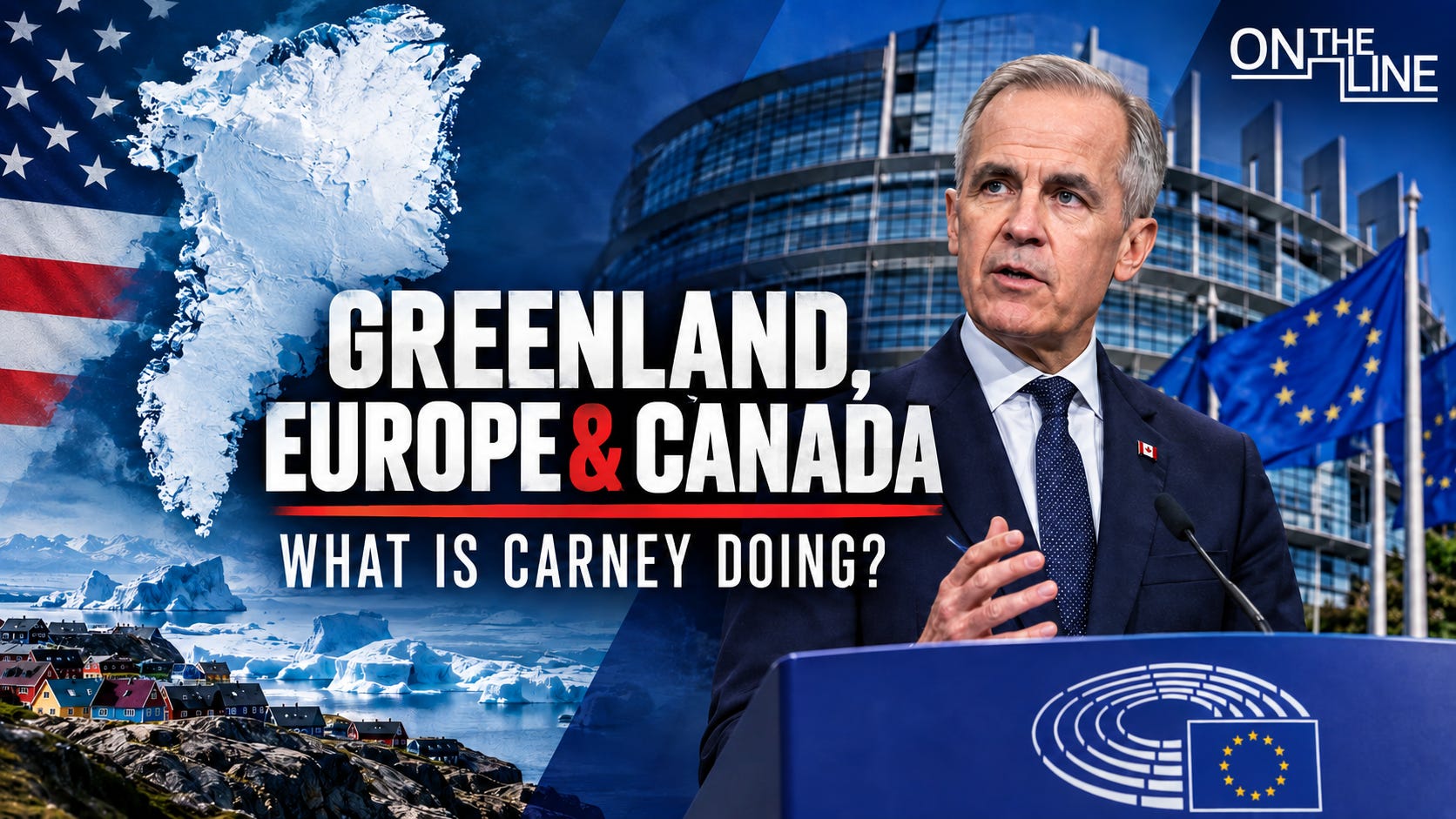
In this episode of On The Line, Jen Gerson checks in with Greenland and Europe. Canadians seem increasingly open to closer ties with non-U.S. Western allies — but what do those allies think about us? This episode is brought to you by BioCanRx. We’ve been partnering with federally-funded Canadian not-for-profit BioCanRx to learn how made-in-Canada immunotherapies offer new ways to beat cancer. This September we’re focusing on the “made-in-Canada” part. One way to leverage existing Canadian government investments in biomanufacturing would be to make it easier for Canadian innovators to develop their discoveries into therapies here in Canada. Aside from organizations like BioCanRx, there are few funding sources for the “translational research” activities necessary to build the significant body of evidence required for clinical trial approval from Health Canada — without which these therapies could never reach patients. If funding mechanisms are created to support translational research in Canada, more Canadian discoveries can generate work for Canada’s biomanufacturing facilities — leading to more sovereign capacity, and more therapies made in Canada for Canadian patients. But how could we make sure new investments aren’t wasted? More on that next week. Visit BioCanRx.com to learn more. First, Markus Bernsen joins Jen to discuss the reported U.S.-Greenland agreement, what remains unknown, and why the negotiations have caused so much anxiety in Greenland and Denmark. They discuss military access, investment, sovereignty, and the damage already done to the Denmark-U.S. relationship. This episode is also brought to you by the Forest Products Association of Canada. Every budget season brings endless ideas for how Ottawa should spend. But some of the best ways to strengthen Canada’s economy don’t require a massive price tag. For Canada’s forest products sector, real growth starts with dismantling made-in-Canada barriers: cutting regulatory duplication, fixing supply chain bottlenecks, securing predictable, cost-competitive access to fibre, and creating more certainty for investment. We can’t control every global challenge facing our industry, but we can remove the barriers created right here at home. Discover how smarter policy drives economic growth at FPAC.ca. Then Brussels-based foreign correspondent Jack Parrock joins Jen to discuss Canada’s push for closer ties with the European Union. What would “associate membership” actually mean? How much is substance and how much is symbolism? And could Canada and Europe build deeper links in trade, payments and defence as both reconsider their dependence on the United States? This episode is also brought to you by Cardus. For years, Ayaan Hirsi Ali was one of the most famous atheists in the world. Then she converted to Christianity. Now she argues that faith is the key to renewing Western civilization. Hear her make the case live in Calgary, October 8th, at the 2026 Ian Shugart Lecture, hosted by the think...
0:00SPEAKER_00Hello, ladies and gentlemen.
0:01SPEAKER_00On The Line today,
0:02SPEAKER_00we have with us foreign correspondent Jack Perrick,
0:04SPEAKER_00who is based in Brussels and does all kinds of amazing work following
0:08SPEAKER_00the European Union.
0:10SPEAKER_00We're going to talk about Canada's new associate membership,
0:12SPEAKER_00what exactly it means,
0:13SPEAKER_00what exactly it doesn't,
0:15SPEAKER_00and whether or not Canadians can expect to vacation in the south
0:19SPEAKER_00of France anytime soon.
0:21SPEAKER_00That's here today on On The Line.
0:35SPEAKER_02This episode is brought to you by BioCanRx.
0:40SPEAKER_02We've been partnering with federally funded Canadian not-for-profit BioCanRx
0:45SPEAKER_02to learn how Made in Canada immunotherapies offer new ways to beat cancer.
0:50SPEAKER_02This September, we're focusing on the Made in Canada part.