
The Language Worker · Rita Prazeres Gonçalves
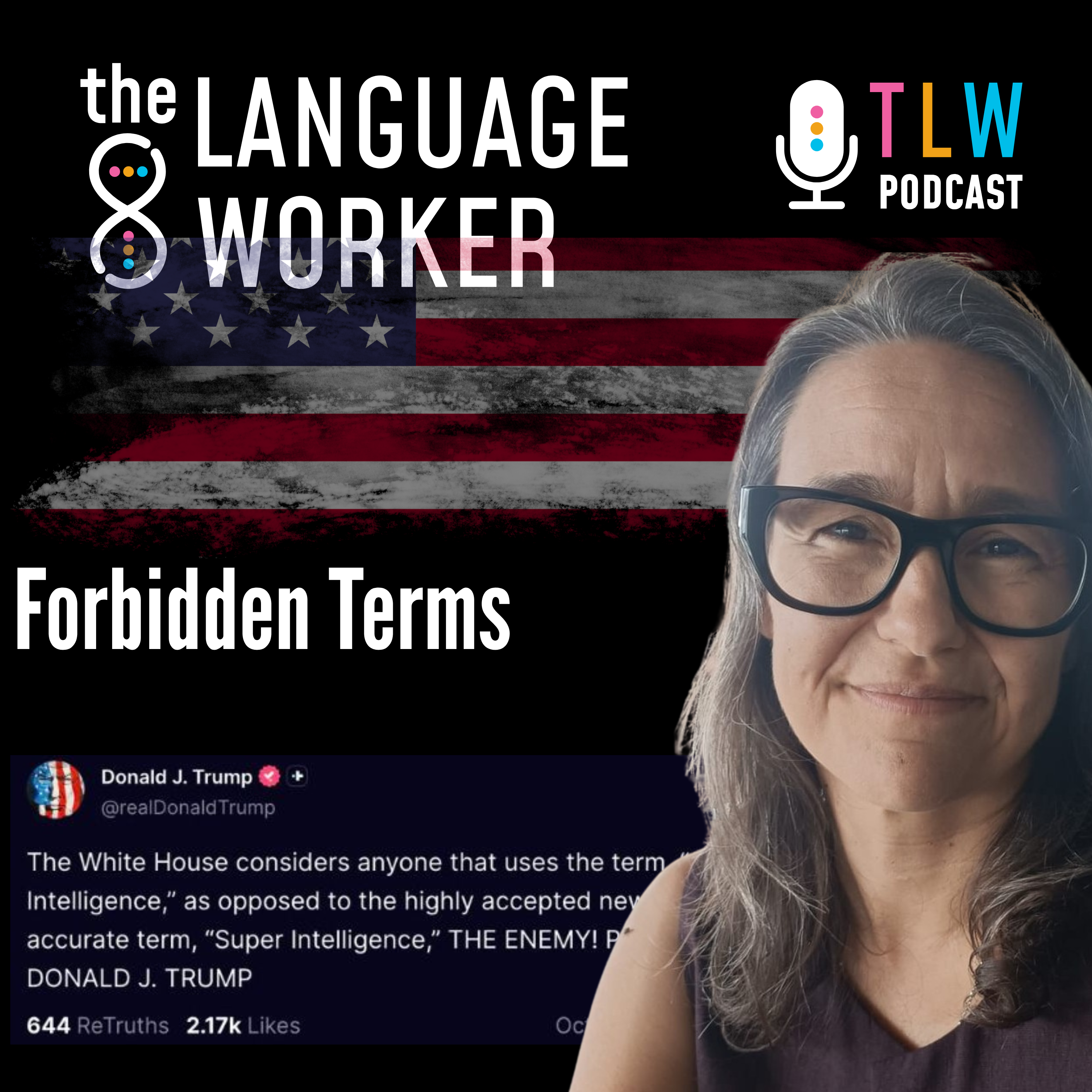
Got something to say to this podcast? Send a voicemail, and you might hear yourself on the next episode! Common terminology status values include preferred, admitted, deprecated, and forbidden. In the context of Language Services, this helps translators, writers, and reviewers decide which term to use. A glossary shows you what term to use and what term not to use. That’s where forbidden terms come in: designations explicitly marked “do not use” or "forbidden" within a defined context. Imagine a company making this terminology decision: 🚫 Artificial Intelligence → ✅ Super Intelligence Adding the new designation isn’t enough. The glossary should explain where the replacement applies, why it was introduced, and what anyone dealing with content should use instead. Terminology reflects your brand and your communication choices, and... so many more things about you! #Terminology #Localization #AI #superintelligence #forbidden
0:02Forbidden terms, we're going to talk about forbidden
0:05terms. I'm not sure everybody's familiar with
0:08the concept, so let's explore that a little bit.
0:11So where's this coming from? Recently, we've
0:14seen that President Trump has decided that there's
0:18a particular term that we use a lot that should
0:21not be used. So it became a forbidden term. When
0:26we are creating our language assets, our glossaries,
0:29let's focus on glossaries for example, one of
0:32the things that happens is that we have to somehow
0:35give a status to all the elements, all of the
0:40entries of the glossary, right? And one of the
0:43things we need to do is obviously to inform.
0:46ourselves and everybody else is going to use
0:48this glossary let's go with that what kind of