
The Kākā by Bernard Hickey · Bernard Hickey
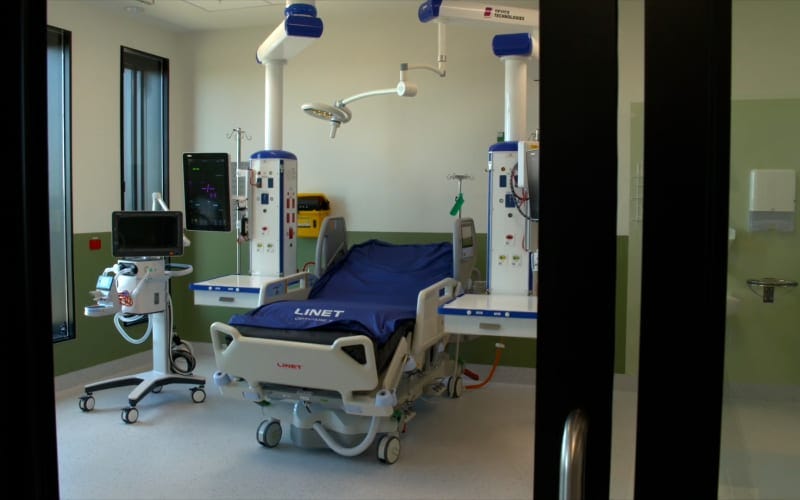
Mōrena. It must feel frustrating to be a taxpayer who sees massive growth in public health funding, but can also see public hospital EDs, ICUs and wards struggling to cope with tidal waves of new demand from an ageing and sickening population. Where did all the money go? Is it being wasted by all the nurses and doctors and administrators in hospitals? Perhaps not. Most of the growth in the last three years went to private hospitals, clinics, laboratories and GP conglomerates, some of which are owned by private equity funds and one of which is financed through the Cayman Islands. A new report out today from CICTAR (the Centre for International Corporate Tax Accountability and Research) for nurses and doctors unions has found almost half (46.4%) of all public health spending now goes to private entities and that 80% of the $3 billion increase in combined Health NZ and ACC health spending since 2022/23 went to the private sector. Over that time, private health sector profits doubled. (See more below in charts and quote of the day) A land of plenty for private sector, but not for the public The research came out on the same morning RNZ reported a ward in a brand new intensive care unit (ICU) at Auckland’s Waitākere Hospital is empty, fully equipped, but with no money budgeted to run it yet. No opening date has been scheduled, with no staff and no operating budget. The six-bed unit was heralded as West Auckland’s first ICU, when it was announced as part of a $96 million, 30-bed urgent care ward building in 2021. That Manaaki Hōhonu building officially opened last month, but only half the beds were used, because Health NZ had not employed enough nurses to staff every bed. No staff were hired for the intensive care unit. Health NZ advertised for a clinical lead - but on a one year, part-time (0.4 FTE) contract. RNZ ‘A phased approach over time’ Waitākere Hospital operations director Brad Healey was quoted as saying more staff would be recruited, once the “model of care” was confirmed. “Intensive care requires a highly specialised workforce, and detailed clinical and operational planning, before services can safely begin.” Healey said the new building provided the infrastructure to allow the delivery of more critical care services in a phased approach “over time”. West Auckland residents needing intensive care were normally either sent to North Shore or Auckland City hospitals. Waitākere had 240,000 people and was expected to grow 25 percent in the next 15 years, a Health NZ document said. The new facility was announced five years ago by the-then Health Minister Andrew Little in 2021. Labour Health Spokeswoman Ayesha Verrall said National had broken its promise that health sector funding cuts would not hit the frontline. “West Auckland families can see for themselves that was never true. There is a brand-new ward at their hospital, and it’s empty because National won’t fund the nurses and clinicians needed to open it. “Building a hospital ward is...
0:01SPEAKER_00Kia ora and welcome to a chorus for Tuesday the 27th of October.
0:06SPEAKER_00I'm Bernard Hickey for The Kākā.
0:08SPEAKER_00This is my podcast and video and email newsletter that goes out via Substack called
0:16SPEAKER_00The Kākā.
0:17SPEAKER_00It's all about Aotearoa's political economy around housing, climate and poverty.
0:22SPEAKER_00Normally I do it from my home office and studio,
0:26SPEAKER_00but I'm out and about today so thought I'd do it quickly from the car,
0:30SPEAKER_00which can be a useful studio of sorts.
0:34SPEAKER_00Today I wanted to talk about healthcare funding in the midst
0:39SPEAKER_00of this election campaign where problems with our hospitals being overwhelmed
0:46SPEAKER_00and underfunded have come to the fore.
0:49SPEAKER_00Concern about hospital capacity and funding is now the second largest concern
0:56SPEAKER_00that voters have behind cost of living, according to Ipsos and other polls.
1:03SPEAKER_00And that's emphasised again this morning by a Radio New Zealand report.
1:08SPEAKER_00That's the Waitakere Public Hospital's new intensive care unit ward,