
The Human Potential Running Series Podcast · Human Potential LLC
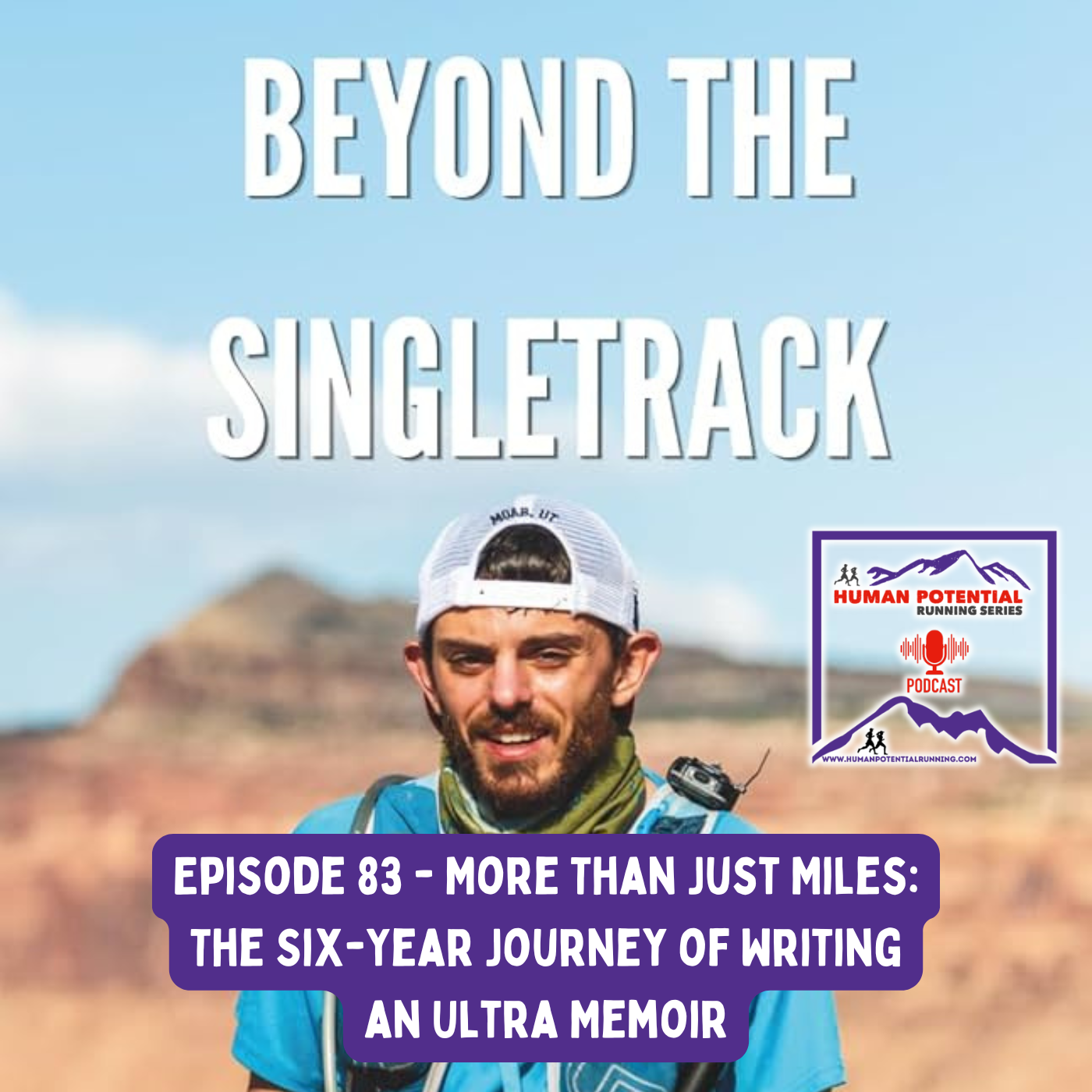
Take a run with The Human Potential Running Series podcast. In Episode 83 of the show, host John Lacroix reunites with his former co-host Stefan Schuster to discuss Schuster’s newly released book, Beyond the Single Track: How Ultra Running Taught Me to Live. After opening with a humorous conversation spanning classic movies, acting cameos, and historical assassination trivia, the two dive into an in-depth exploration of the book-writing and publishing process. Schuster details the six-year journey of crafting his memoir, the importance of incorporating reflections on personal growth at the end of each chapter, the vulnerabilities of sharing intimate life lessons, and the practical realities of indie publishing and working with an editor. Lacroix also shares insights and hurdles from his own ongoing book project, leading to a candid discussion between the two about finding purpose in ultrarunning, using creative projects as therapeutic tools to process life experiences, and giving back to the running community. 🎧 Listen now at humanpotentialrunning.com or on your favorite podcast app!
speaker-0: Hi friends, welcome to the Human Potential Running Series Podcast. I'm your host, John LaCroix, owner and race director of HPRS. Whether it's just me behind the mic or I'm joined by co-hosts or guests, this is the space for unfiltered, honest conversations about the sport and culture of trail and ultramarathon running and the adversity that brings us all together. At HPRS, we believe in real grit, authentic challenge, and radical inclusivity, because no matter who you are, If you're willing to put in the work, you have a place at our starting line. If you want real community and races that test your actual potential, visit human potential running.com to see what we've built in the mountains of Colorado. Now, let's go for a run. ⁓ ⁓ All right. ⁓ always great to have Stefan Schuster back on the HPRS Running Series podcast. It's been a minute, Stefan. Man, you were my co-host for a time back in the day. speaker-1: Can you believe that was already four years ago now? speaker-0: Shut your mouth, has it really? speaker-1: Yeah, that was twenty twenty two. speaker-0: ⁓ dude, I had no idea it was that long ago. speaker-1: It's really weird to think about. speaker-0: ⁓ yeah, you know, the the older I'm getting, the more shocked I am by how long ago things were. Like ⁓ my kids were here for the summer and I had them watch Forrest Gump for the first time. One. And that movie came out like 30 plus years ago. And I'm just like, ⁓ my God. That's a whole lifetime for some people. speaker-1: Great one. I wonder like what classics are gonna become as like time moves on. I mean there's only so many movie plots that you can come up with, like which movies are gonna actually stay classics like forever and which are going to just fade away, even though we once valued them. speaker-0: Well, have you ever seen the original Dune? speaker-1: No, I haven't seen any of them. speaker-0: ⁓ I've the original is way better than the remakes are cool, like because they have CGI and all that stuff, but ⁓ I don't know. I have a soft spot for the original. The ⁓ the main the main emperor dude, I don't even know what his name is. I don't I don't care that much. But ⁓ dude that lived in the hot tub. He it was way cooler. It was way cooler in the original. speaker-1: Are you talking about ⁓ hot tub time machine? I have seen that. speaker-0: No. I don't think I've seen that. I haven't seen. Do you know ⁓ did I ever tell you that I'm trying to get my wire quick moving around. Did I ever tell you that ⁓ I have an IMDB internet movie database account? And on it, yeah, on it I have ⁓ I have a list of every movie I've ever watched in my entire life. Every movie. speaker-1: I haven't seen that since like high school. You do? That doesn't surprise me at all. ⁓ speaker-0: Yeah, this this definitely is special Tism type shit. But ⁓ Yeah, it's like I I can look at a movie cover and kind of know if I've seen it or not and and recall the plot a little bit. But if I watch the trailer or if I see a clip of the movie, I will definit like I'm I definitely know if I've seen that movie or not. And so I'm approaching two thousand movie titles on this list, like all time movies that I've watched. So normally I tell folks that and they start rattling off a list of mov well, have you seen Hot Tub Time Machine? And I'd be like, No. You've seen almost two thousand movies and you haven't seen Hot Tub Time Machine. It's like I'm I assure you I've watched far worse and I assure you I've watched far better than Hot Tub Time Machine. speaker-1: Kind of a random one. Here's a a fun fact. ⁓ one of my ⁓ cousins in France is a French movie director. His name is James Hooth, and you can look him up. And ⁓ he made a movie. ⁓ man, this must have been like 15 years ago called Brice Denise. And whenever I meet someone who like lived in France, it was like a really big deal over there and they've seen it. ⁓ yeah, it's like this surf movie with ⁓ a famous actor over there. I think his name is ⁓ Jean Dujardin, but yeah, kind of a random fun fact. I have a cousin who's a film director and He's made some cool stuff. How do you spell his last name? H U T H. speaker-0: He's got a thing here on Amazon. yeah, he's from Surrey, England. speaker-1: Yeah, I'm sure. ⁓ he'd be from France. speaker-0: Or he's like, maybe this is a different guy. Born in nineteen sixty six. speaker-1: If you type in ⁓ James Hooth shows AI overview, ⁓ English born French film director is what does come up on Wikipedia. ⁓ maybe he was born in England. I didn't even know that. I just learned something about my cousin. ⁓ nobody told me that. But he has an IDMDB account ⁓ with like his his filmography or whatever you call it. speaker-0: cool. We yeah, but my friend who's a wrestler for WWE is he even has a filmography. For every every pay per view he's been on for the WWE. ⁓ you ever been in a movie? speaker-1: ⁓ that's cool. I was in my cousin's movie. ⁓ he put me in the background as a runner. ⁓ shoot, which one was it? It was they were filming in New York and I was supposed to have a line, but I was like fifteen years old or something, and for some reason, like my parents' friend had to take me to the city because they couldn't take me, and like we got there late, and I didn't get to have my line because we got there late. I cannot remember what movie it was. Not helpful. speaker-0: ⁓ what movie is it? ⁓ man. speaker-1: Well, Yeah. I can't remember. speaker-0: Do I have a night? I've been in a few movies. speaker-1: Randomly, ⁓ I got a check in the mail for like a hundred and fifty bucks and I was in high school and that was a big deal. Apparently, ⁓ everybody he lists in the credits has to get a check. So I was really stoked. Yeah. speaker-0: ⁓ that's interesting. ⁓ No. Well, I was in 100 Headheart Feet, which was a ⁓ documentary film about the Vermont 100. speaker-1: Ooh, that sounds like you were actually in a film. I literally just ran across the street like twenty times while he was getting the takes. Yeah. You were actually talking and doing stuff. speaker-0: Yes, I was I was interviewed multiple times for the film and then I even went on a few stops on the film tour. They they went on a tour with the film and I got to go to Texas. I went to like Dallas. ⁓ yeah, highlight of my ultra career. ⁓ I went to Dallas, Texas and sat in the in the theater in the actual seat that the dude who ⁓ assassinated supposedly assassinated John F. Kennedy, sat was arrested in. So they they showed the film in the theater that this dude was arrested in. What the hell was his name? I can't think of remember his name for the life of me. ⁓ speaker-1: Booth. John Wilkes Booth, was that it for JFK? I always confuse names in history. speaker-0: Yeah, that sounds about right. ⁓ who assassinated ⁓ JFK? ⁓ Lee Harvey Oswald. Damn. speaker-1: Yeah, I always screw them up. ⁓ speaker-0: Yeah. Booth I think was ⁓ that was Abraham Lincoln, I think. speaker-1: Yeah, I always screw up like they're two assassins. speaker-0: There's a great movie on Netflix, like a mini series about Booth and their search for him. ⁓ pretty good. But anyway, yeah, they showed this film that I was in in that in the theater. And ⁓ I got to sit in the chair that he was arrested in while I was there, and then got to go on stage, which was pretty cool. ⁓ and then when you think about it, I also have film credits in the movie ⁓ Barkley, The Race That Eats Its Young. ⁓ the next film. speaker-1: Is that the on. speaker-0: They used a bunch of my pictures for the film and I'm in the credits, but I'm not like in the movie. speaker-1: Is that the one where ⁓ your friend John finishes? speaker-0: Yeah, I think so. Yeah. speaker-1: Okay. I always confuse which Barclay film is which. speaker-0: I have a Barkley story for you too. But before we get to that. ⁓ so I find it interesting that as an ultrarunner, I was in the theater that Lee Harvey Oswald was arrested in for assassinating JFK. And I also got to run through the tunnel underneath the prison that ⁓ James was his name, ⁓ James Earl Ray, is that his name? The guy who assassinated Martin Luther King was imprisoned in. So if you think about like that time in our country, the nineteen sixties, ⁓ Ultrarunning somehow, some way has connected some dots to people who have assassinated famous people and I got to somehow ⁓ connect Ultrarunning to those places. It's pretty yeah. Pretty bizarre. speaker-1: You gotta find a way to infuse this into this theme into Naiwatts now. speaker-0: Hey Stefan, you wrote a book. speaker-1: I did. Thank you. What's a copy? I have a copy here. ⁓ for those who are now watching, you're now recording on Riverside so people can see get the the visual experience. ⁓ I was joking with John that people can see that he's not as ugly as he sounds on the podcast. ⁓ but ⁓ and John, I know you're writing a book, so I'm excited to talk about yours as well. ⁓ I have a copy of mine here. ⁓ if you're watching on YouTube or wherever you're gonna put this, John. It is called Beyond the Single Track. How Ultra Running Taught Me to Live. I released it ⁓ two months ago on June 5th. I worked on this book for six years. which is you're writing a book. It's just the process is so much more difficult than you could ever anticipate when you start this project. It is about ⁓ my story as a runner, essentially from you know, when I first started writing it, the goal was to write a book from like, hey, this is the story of a a kid with a dream who wanted to run his first 100 mile race. And of course that first hundred mile or sangre. So ⁓ I talk a bit about sangre in the race or in the race in the book. but yeah, that was like the preface. And then I realized over time that I needed to expand it to include more ultramarathons that I've run over the years. But I would say more important than the storyline of, you know, a kid trying to accomplish his dreams is all the self-help and like personal growth topics that I tried to infuse into this book. I really tried my best to write the ultra-running book that I feel like I've never read before. You know, I talk about how ⁓ pretty like I would say intimate topics to like myself. ⁓ I really put myself out there in this book. I talk about how like running is intertwined with like our platonic friendships, our romantic relationships, how it affects how we define things like greatness, success, the meaning of life. ⁓ How it affects how we set like ⁓ goals for ourselves and decide what a dream is versus a goal. trying to think of other, you know, topics I throw in there. ⁓ there's a lot, you know, and at the end of every chapter, I think the most important part of this book is that at the end of every chapter, there's a reflection that asks the reader a question about, you know, the topic that the chapter was on. And I challenge really the readers to try and reflect on these topics that My time as a runner and an ultra runner has ⁓ taught me to reflect on as well. So at the end of the day, you know, my goal when I was writing this book was I want to sell a hundred copies. Hopefully ten people will read it cover to cover and one person will reach out and say, this helped me change my life for the better. So that is ⁓ yeah, the project that I worked on for six years. speaker-0: So there's this is great, Stefan. I I'm excited for you. ⁓ I'm jealous you ⁓ you finished your book before me. I'm also not surprised. speaker-1: ⁓ and one one quick thing to wrap ⁓ just to add is you know, it's funny how you're telling this story of like almost the circle of life, you know, where where things kind of come back to, you know, you and your friend being back together and like able to enjoy each other's presence. ⁓ you know, four years ago we recorded ⁓ a bunch of podcast episodes together on the HPRS show, which are still up, I believe. And All the topics that I took to you were the topics that I had, you know, es essentially started writing about in this book. So it's kind of it feels like we're circling back almost to our conversation from four years ago, having this like finally be completed. speaker-0: Yeah, yeah, like how very cool. That's a fun fact for me. ⁓ that you know, things that we started talking about on this show, I can't believe it's been four years. are are essentially like the skeleton, right? The the frame the framework of your book. ⁓ first thing I I shared on the screen with folks for those who are watching the video, ⁓ that you're selling a signed copy for thirty two dollars and a regular copy for twenty five. So My first question is, how did you determine that your autograph is worth seven dollars? speaker-1: ⁓ that's a really good question. I just like went to other, you know, just the same thing you do as a race director. I know you have a spreadsheet for what the cost of like other ultras is in the sport and in the state of Colorado. I went to just other, you know, Amazon book pages and author book pages to see like what are people selling their signed books for. And ⁓ yeah, that's those the prices I came up with are the prices that I've seen in the market. speaker-0: So that's the going rate. That's the going rate in the market. speaker-1: Yeah, and I also want to say, so just for reference, ⁓ if anybody is interested in purchasing the book, you can buy it on Amazon or you can buy it on my website, journeyruncoaching.com. and the reason I bring that up is partially for marketing, but also because ⁓ as an author, one of the things I don't know if you've really looked into this for your own book yet, John, but like if you publish on Amazon, for example, my book is 1799 on Amazon. ⁓ Amazon will give me six dollars and fifty cents ish of like those sales, which considering the amount of work that I've put into ⁓ this project is kind of is definitely insulting. ⁓ yeah, it's just insulting, to be honest. ⁓ but like how much money are you gonna put a book up on Amazon for? ⁓ meanwhile, like if I sell the book, ⁓ and I should also say, like, all the sales I've put on Amazon, gotten through Amazon in the last two months, like they haven't even paid me yet. You know, they pay you like quarterly or something. So it's just like a pain in the ass. It's really rude. ⁓ but you know, if I sell the book on my website, ⁓ I my raw cost is about like ⁓ probably like five ish bucks per copy with ⁓ shipping, you know, and then ⁓ obviously I have to take the time to like time, energy, shipping materials to like ship those books out. But you know, you end up profiting closer to like twenty five dollars per copy, which I think that like a lot of the people who are have bought my book are people who who know me ⁓ and who want to support me. And like if you want to support, you know, a friend, a runner, ⁓ someone in our community who has like, you know, tried their best to give back as much as possible, like buying it from their website's the best way to do that, whether you're buying my book or someone else's. speaker-0: So what you're saying is you didn't write a book to get rich or to get speaker-1: ⁓ I totally lost money on this and that's totally ⁓ you know, some some projects in life are out of love as opposed to for profit. It just is what it is. speaker-0: So if you didn't write the book to get rich and ⁓ you know I think I when you're writing a book, I'm I did did a thought ever cross your mind at all the what if it becomes a New York Times bestseller? speaker-1: I mean, I everyone thinks about that. I mean, I thought about that too. I was like, this is gonna sell like five copies, or like what if it does sell like 10,000 copies? ⁓ I mean, I just that sounds a bit unrealistic. ⁓ I also I don't know if like this is the story for everybody. I think like I wrote this with a younger version of me in mind where like when I was a 22 year old Ultrarunner, I think I would have greatly benefited from reading a book like this. ⁓ that's not to say like other people can't find value from it. I've had friends from college who I haven't talked to in like ten years reach out and say, like, hey, I bought your book and I read it and like it really has me like contemplating life changes here. And you I mean that really surprised me. ⁓ that shows me, hey, this is valuable for not just ultrarunners. ⁓ this is valuable can be valuable to to a lot more people than I expected. ⁓ Yeah, I don't know. The idea of it being a New York Times bestseller is maybe just weird because like I mean, I put a lot of my personal thoughts into this. I like really put myself out there, I think. And and you know, the more people who read it, it maybe sometimes it's a little weird to think about, especially like on the release day. You're just like, wow, like now a lot of like my life details are out there. speaker-0: So okay, so I was gonna ask like if you didn't if you didn't write the book to be a New York Times best selling author and ⁓ to make a killing doing it. My my question was, then why did you write the book? I I still want you to answer it, but what what I'm hearing is to h to help others. speaker-1: Yeah, it's to make an impact. I I you know, a core value of mine is sharing. I like to share my life with other people. I like to think that I c I I enjoy teaching and sharing like of information specifically. that's why I, you know, I decided to go back to grad school and become a dietitian. You know, w I used to be an outside sales for people who don't know me and I didn't like selling, but I enjoy teaching people about my industry, which was complicated at the time. I used to be selling like point of sale systems, credit card processing. And I said, I don't like selling, but I like teaching. What can I teach to runners? And so I really enjoy like the sharing of knowledge with runners about like nutrition or about like how to train for events. That's why I do coaching. ⁓ and I also enjoy sharing like my more, I guess you could say, like philosophical like learnings from this sport in like a book format. And so the reason I wrote it was to give back. ⁓ I think about like the 14-year-old version of me who read Ultramarathon Man, not because I wanted to. ⁓ my friends or my my parents had a friend who like lent them the book and they said Stefan should read this. And I said, LOL, I don't read for fun. and then I had a freshman year teacher who required us to read like a ⁓ a nonfiction book for like a book report. And I was like, well, just give me like the dang running book. I'll just read that. And it ended up being Ultramarathon Man and it really changed my life. And yeah, one of the reasons I wrote the book is because I wanted to try and like give back that experience to someone else like going forward. speaker-0: I don't like to read for fun either. but I I tell you, Ultramarathon Man is one of the few books that I've ever read. there's not many books that I've read. Most of them are self help. ⁓ I think I've read in terms of like biographies or autobiographies, whatever, ⁓ I've read Mankind, which is about the professional wrestler, and ⁓ Ultramarathon Man. And I actually read Dean's second book too. speaker-1: yeah, I definitely read that like in high school also. speaker-0: Fifty for fifty. What That was all right. That was all right too. It wasn't as good as his first book, but but it was all speaker-1: Yeah. I think his best written book is actually Road to Sparta, just the way that it's written and organized. speaker-0: I'll have to give that a shot. Like I I haven't read that. I didn't even know you wrote that. You just taught me something new. Thanks, Stefan. ⁓ man, so so tell me more about this reflection P like this reflection part at the end of each chapter. What like how did you come to the decision to put that in? Was that was that something you had in mind at the beginning? Or is that something that came about through discussion with your with your editor? ⁓ You know, how how did that come to be? speaker-1: Yeah, so also while I'm thinking of it, shout out to my editor, Julie Sanquist. She was wonderful to work with. ⁓ she was awesome. Yeah. Yeah, if anyone's looking for I think she does coaching too. So if you're looking for ⁓ also a a running coach or an editor like who understands like what it's like to be an ultrarunner, 'cause she has a lot of experience herself, like great person to reach out to. ⁓ sorry, I forgot the question already. ⁓ speaker-0: Hi Julie. Plug. How did you come up with the idea to put the reflection in at the end of the year? speaker-1: Reflection. I'm not sure exactly at this point like when I thought of that. I know I thought of it when I started writing the book. I started writing the book in 2020. You know, a lot of us had more free time back then when we're stuck at home during during ⁓ COVID and having the shelter in place and whatnot. Man, that feels like a lifetime ago. But I started writing the book while watching ⁓ reruns of Pokemon on Netflix and just ⁓ Yeah, I started chronicling my life. At first, like my plan was to just write a version of the book for myself, but over time I just found myself writing it more so for like an audience. and I although I can't remember like where exactly that came from, it probably just came from like the fact that everything I do, whether it's like with coaching or writing or like running training or whatever, I'm always trying to like figure out how can I do this like differently. How can I make this like hit harder for an audience? How can I make this like have more value for the person who's reading it? ⁓ I just think it's important to like try and think outside the box. And, you know, doing that with whatever project like someone who's listening to, they could be working on something totally different. It doesn't have to be writing a book, but like if you just like take some time to really think about how can I do this differently, like your project might have like more value with like not a ton more actual, you know, physical work. ⁓ And so I think I just wanted to figure out at the time, like, how can I make these chapters more meaningful for an audience? And I think the idea of just putting a a reflection in there made sense. It also actually, now that I think of it, sorry, I'm like realizing this out while I'm talking, the original title of the book ⁓ that you said sucked was was ⁓ Reflections of a Runner. And it was because I was reflecting on my life, and I thought to myself, Why not like have the audience reflect on, you know, their life as well? That's probably where it ca came from. speaker-0: Man, did I really say that it sucked? speaker-1: Yeah, we were at stories, we were standing around a campfire and you looked at me immediately and you were like, That's a shitty title speaker-0: Dude, I'm sorry. speaker-1: ⁓ no, it's okay. I told Julie and she was like, Yeah, I could use some work speaker-0: that's just the New Englander in me trying to give you the ⁓ unapologetic honesty, I guess. I was probably pretty sleep deprived too. speaker-1: No, it's okay. I think the new title is a lot more meaningful. speaker-0: We all need friends who are willing to just be honest with us, right? speaker-1: Yeah, for real. ⁓ speaker-0: ⁓ dude, I'm stuff still. I'm sorry. I do like this title a lot better. ⁓ how very cool. You know, it it makes me not to make it about me or HPRS. speaker-1: No good. ⁓ I was gonna ask about your book as well. speaker-0: We'll get yeah, go ahead. speaker-1: Well, yeah, so I think like one thing I want to talk to you about also is like the process of writing a book has been so much different than I expected. Like I just alluded to I started writing it during COVID. At first I actually I worked very, very briefly in 2021 with ⁓ a different editor who basically read, you know, a short sample of what I had and said, like, you wrote this book. She very like nicely said to me, like, you wrote this book and a lot of it's for you, but not for an audience. ⁓ at which point I ended up deleting like half of what I had originally written. ⁓ no. And then I went back to the drawing board and rewrote it to add a lot more ultra running stories. Like I originally had the book end up, my first hundred, which was Sangre, and I extended it to include, you know, events like the Bighorn Hundred and like the Bear 100 and running rim to rim to rim for the first time. And I talked about like my journey of quitting my job and going to grad school. ⁓ I talked about I finished the book now at my first Moab 240 in 2021. ⁓ the problem with like a book that's about your life is you have to decide at what point am I going to end this. and I felt like the first 200 made a lot of sense because of the life lessons I learned from it. But my point is like writing a book has been a much messier experience than I realized. And, you know, finally when like I did finish writing everything that I wanted to write and When I looked at it, I could say, okay, like every chapter is here for a purpose to add value to like other people's life as well. ⁓ then it was time to edit. And editing is also a really tough process because like it's hard to not take things personally when an editor says, Hey, you didn't do a good job like elaborating on this, or you brought up a theme here that you just dropped off and never talked about again, or this story doesn't make sense because it's not adding value. And to you, maybe a story is very meaningful. But like it's not actually providing enough value for the audience to keep it in there. It's not progressing the story forward. ⁓ I'm really interested to see how your writing experience has been because you've been writing your book for I believe something like a year and a half now. If I remember correctly, you started like early last year. ⁓ maybe I'm mistaken, but ⁓ I would love to hear like, is this harder than you thought? Is it taking longer than you thought? Have you had to like make pivots? Have you had that experience where like maybe a story is meaningful to you but it you have to delete it because it's not progressing your story forward? ⁓ there's kind of a lot of questions there, but I'd love to hear like what overlaps ⁓ you've experienced. All right. speaker-0: Got my notebook, don't worry. Well, first, I was gonna say kudos to you on the reflection piece. ⁓ again, because ⁓ we started putting like little places for runners to reflect about their race on the back of our bibs at HPRS. And that's it a lot of people are a lot as fucking hokey, right? ⁓ yeah, people are like that. But like, yeah, ⁓ okay, or speaker-1: ⁓ yeah. speaker-0: ⁓ it's it's helpful. Like it's really helpful. And what I'm hearing is, and and you've you've unlocked the secret to why do I direct races, Stefan. ⁓ when you said that there are people who came up to you to tell you how your book has helped them. And as a race director, that that is what I'm doing. I'm just trying to help people. And adventure is one thing and exploration is another. ⁓ but I I've always believed that you've got to enjoy the view in here before you can truly enjoy the view out there. And so having the vehicles to be able to do that work are is so it's an important piece of the process. And so for you to to create something that gives folks the opportunity, like a tool to do that work is so very important. So I I want to give you kudos for that. speaker-1: Thank you. Means a lot. From you especially. You're in the book too. speaker-0: Well then the next thing I was gonna say is you just listed all these races and not a single one of them was an HPRS race. So fuck you, Steph. speaker-1: So the races that I listed were the ones that extended after the first hundred, which was Sangre. ⁓ Sangre de Cristo. I still don't know if it's Sangre or Sangre de Cristo, all these years later. I don't know. But that was my first hundred. The book starts ⁓ by you know how a book can start with like you know, mid-story and then come back to that story like later in the book. So it starts with sangre in the middle. I talk about like running that first hundred at Sangre. ⁓ I talk about you actually in the chapter of like people who I look up to in the sport. And I also talk about the other HPRS racing there would be last call. yeah, those were like the main HPRS I think those were the only HPRS races I had run like up until the point where like the book ended. Yeah. speaker-0: I'm I'm humbled. I thank you for a mention it all in somebody's you you're the second author who has told me that I and and or HPRS is is in a chapter in their book. ⁓ and ⁓ it's one of those things where like ⁓ I measure life by how many times have I been in a wedding, like as a grooms like a like a a groomsman, right? Or ⁓ or an usher or something. ⁓ How many times have I given a eulogy? or have I been a pallbearer? You know, there's just things like there's things in life like people ask you to do something and it it helps you like, ⁓ shit, like I didn't realize that I was making that big of an impact. And and so the new one is you and another person telling me that I'm in their book is like, ⁓ wait, time out. Like I like ⁓ I don't I don't think I've done anything. ⁓ that important that people would write about write about it in a book. And so I'm I I'm I'm learning to hear it and accept it and and also say thank you. speaker-1: I mean it's literally the same thing that you just told me, which is like race directing is a platform to help other people become better. speaker-0: Yeah, but nine times out of ten you have no idea that you're actually helping anybody be better or how that worked out. Like it's seldom that I hear about how it worked out or ⁓ but l recently I've had a lot more runners telling me how it's how it's helping and how it's working out. And it's ⁓ it's very cool. And I and I'm sure like when when that non runner friend came up to you and said and and this is exactly what I'm talking about. speaker-1: Yeah. speaker-0: The non-runner friend comes up to you and says, Hey, I'm not a runner, but I read your book and it helped it helped me. And here's how, blah, blah, blah. There's like an ⁓ like an uncomfortableness or like an unease to that at first. Like, what did I do? Or why are like what you're doing and the work that you're doing is so much bigger than my small contribution. ⁓ but then there's also the learning to just to smile and say, I'm glad it helped and thank you, kind of thing, right? speaker-1: Yeah, sometimes ex accepting kudos can be ⁓ uncomfortable. I don't know like why it is so hard to just be like, Thank you, I did do that. ⁓ instead it's like, ⁓ thank you. But like I don't know why it feels like that. speaker-0: Well, 'cause you don't wanna take too much credit and you don't wanna you don't wanna be overzealous or over over the top, right? Like you're just what what what do I say? I don't wanna say the wrong thing right here. That was really fucking nice. Fuck ⁓ what I was saying. Don't say anything. ⁓ speaker-1: Ha. speaker-0: But I I want to go back to your question now. You're like, you know, how long have I been writing my book? And yeah, I've been working on it for a year and a half, actually putting words to to paper. But Stefan, like you, ⁓ I've been writing a book for a very long time. And I have always had the framework of a book in my head. This is the story that I want to tell. This is how I'm going to tell it. And I wrote the first chapter of my book. two thousand God, it must have been 2015, 2016. I like wrote it down then, like 10 years ago. And, you know, when I started like, you know, gonna be serious about actually writing a book now, when I sat down and actually like I I had like a list of these are all the stories that I want to tell. These are in in the order that I want to tell them. And speaker-1: ⁓ wow. speaker-0: And when I actually sat down a year and a half ago to get serious about writing my book, that all got thrown away, except for the first chapter. And the first chapter of my book is still the it's the first chapter I wrote ten years ago, just written differently. Because the direction of the book that I decided to write is completely different than the book I thought I was going to write. speaker-1: Okay. speaker-0: And so most folks think that, ⁓ John, a race director, is gonna write a book about race directing and it's gonna be full of all the fucking stories of shit that goes down at my races, right? Mm-hmm. But what would really happen if I wrote that book? And here I am telling I'm talking shit about my customers in a book, and one of those customers reads the book and discover this is a story about me. Like like how would that make them feel? How would that spread throughout the community? The the race director, the asshole race director that that made an example out of me in his book. And it's not true, or something like that, right? I c I can't write that book. When I'm done, I can write that book. Right. When I'm done race directing, when it's all said and done, I can go back and reflect on all the bullshit and all the funny and and fun and unfortunate and Just the shit that you would never believe. Like I was at Sheep Mountain last week and telling folks about the time that I caught a runner masturbating in the woods mid-race. ⁓ fuck yeah. Just dude out in the trees watching female runners go by, fucking jerking one off. ⁓ or ⁓ or like I have a narciss in my medical bag. speaker-1: Mid race? Yeah. Did that dude like go to jail deservingly? speaker-0: ⁓ I I didn't have a camera. I can't prove anything. I I removed him from the race. Like I disqualified him. I never his name never showed up anywhere. I never said anything about it ⁓ to to anybody. I know that the the women that ran by at the time they had they didn't see him, they had no idea. ⁓ but but I saw it. And I I chose that I I know that those those women were certainly violated. But it's one of those ⁓ is it worth telling them? Is it worth the trauma that I would create by telling them? What would I even say? How would I say that? How ⁓ there there's all kinds of ethical and and moral decisions there that are really tough to tussle with for anybody. For me, it was just an easy, dude. You need to get in my get in my truck and we're we're going right now. You're done. Like, don't say a word. I'm just gonna bring you to the finish line. And when I got there, it was one of the most clear, don't you ever fucking come back here ever fucking again. Fuck off kind of situations. ⁓ and you know, like I have I have a Narcan in my medical bag, which is for overdose. And when runners find out that why do you have that? Like, are you kidding me? Do you know how many runners are out here like using hard drugs mid-race? Like that number is way higher than you think. I've I've seen like I haven't seen anybody use a crack pipe while out there, but I do know that like I've seen people using MOLLE and acid and ⁓ smoking incredible amounts of marijuana while out on the course. Like man, there's so many stories that I right, like these are the things that people want to hear about. ⁓ but they're but they're hard. It's it'd be hard to write about. So speaker-1: Yeah. speaker-0: My my book and as I'm writing it is it's not anything that I thought I was gonna write about. It's a completely different it's a completely different story than I'd ever thought I'd write. And but at the end of the day, it's become the most important story that I'm ever going to write. And and I'm even like, I gotta change the title. Like 'cause my title is the race director. speaker-1: Yeah. John, that's a shitty title. speaker-0: Yeah, it totally is. but I'm gonna I'm gonna tweak it just so to match what the book is about. ⁓ and I know just just how I'm gonna do it and what the cover art is gonna look like. I've got it all in my head. ⁓ but yeah, then life happens, right Stefan? Like I decided I'm gonna get a master's certificate in GIS. speaker-1: ⁓ yeah. Total life pivot. speaker-0: And that program started in September. So ⁓ my book writing got put on hold completely while I went through the program and that program ended in ⁓ in May. No, early June, first week of June. And then I'm like right in the middle of the busiest part of my year and my kids came out. So it's August sixth. I have trail work this weekend. And then ⁓ after that I'm I'm back. I'm writing to get this book done. I've got I've got three chapters to go and they're the three hardest chapters and speaker-1: You know what a good way to do it is ⁓ I finished my book after after so I went to grad school also. got my nutrition masters, did my dietetic internship. For those who don't know, it's like a residency for nutrition. And then after that program ended, I went to like the swatch range and I lived out of my car for like nine days or something. On the last day I did trail work with you, and that's where I ⁓ met Sam Bestie also. ⁓ and then like we would run Silver Heels like two weeks later together and become friends, but I digress. ⁓ I ended up living in my car for nine days, just like ran up and down mountains and like every night I would like every day after like running mountains, I go into town, grab some food, whether it was like Leadville, Buena Vista, Slida, ⁓ and then go find a campsite and like sit down with a beer and like finish writing, you know, the book. And that's how I ended up finishing mine. You should do something like that where like, especially if the chapters are hard to write. ⁓ just go be like alone outside and I don't know, I think that was like kind of a really good way to that was a ri for me like a really great experience to like end it. speaker-0: So what's it like working first like how'd you find your editor? How yeah, how'd you find Julie? speaker-1: That was easy. I flipped open one of my favorite running books, Training for Ultra, and I saw that he worked with Julie. ⁓ I don't know Rob personally, Rob Steiger, who wrote that book. ⁓ but I know that he's based in Colorado and I just was like, Who is his editor? I looked her up. I sent her an email from her website and ⁓ that's how I found her. Yeah. speaker-0: And you don't have to tell me the cost if you don't want to. But but I mean that's my question to you, is like people are wondering, well, how much does an editor even cost? speaker-1: Yeah. ⁓ I don't how do I put this? I don't know if like that was priv like something I'm supposed to keep private or not. ⁓ I'll put it this way the total cost for me to like write my book, pay, you know, the photographer who like took the cover photo, ⁓ all of like my costs came out to be approximately like two thousand dollars. ⁓ I'm not sure w like if Julie has like adjusted her rates or anything like that over the years. So out of respect to her, like I'm I don't even remember like what we came to. But here's maybe a more useful thing for anyone who's like considering writing a book. Usually editors will charge you like it's I forgot how many cents like per word. ⁓ and so like you just multiply that, which is their rate, times like the amount of words in your book, and that'll give you like an approximation for like how much it's gonna cost your book to get edited. ⁓ some editors I don't it probably depends on like who you're working with. I think some editors may be charge by like like book sales also. ⁓ Julie did not do that with me. Although like I will say like if my book became a New York Times bestseller, like I would out of like respect for her and like the work she did, send her like an additional check. ⁓ Yeah, I would a hundred percent do that. Like if, you know, for some reason I became like a millionaire from this, ⁓ which is not I lost money. So ⁓ if anyone's wondering, I made less than two thousand dollars ⁓ in book sales from this. ⁓ at least as of now. ⁓ it's also hard to quantify like, you know, the the benefits of like being on your podcast, John, and like, you know, maybe that turns into a coaching client down the road. There's other podcasts. You I'd like to do a better job this winter getting onto some running podcasts and talking about my story, my book. You know, once again it's hard to quantify like the the marketing per se benefits of like also being an author now. speaker-0: Yeah, you're lucky dog man. Like my my my expenses are gonna be in the five figure range. Yeah. So I'm in the like, no, I need to finish writing this book and actually publish this book for the amount of investment that I've put into it financially. Like I don't care about making the money back. but you know, it's one of those things like when like you finally got an editor, right? And you started working with that person now speaker-1: Five figures. My gosh. speaker-0: There's an accountability buddy there. Right. That's one. But but two, it's like, but now you've sunk some money in. So it doesn't matter if you make it big or or or or make it all back. It what matters is that you you reach the finish line. Mm-hmm. So like working with an editor, like how how hard was it to get to the finish line? speaker-1: Yeah. Yeah, I like to think that Julie gave me a lot of tough love. Also I appreciated that ⁓ Yeah. ⁓ sorry, I got ⁓ just had to block a phone call. Spam speaker-0: ⁓ they're certainly honest. They are honest. Turn your watch off, Stefan. For Christ's sake, we're not running. speaker-1: so I forgot what the question was already. ⁓ speaker-0: ⁓ what's it like working with an editor and like getting like getting to the finish line? Like how like how helpful are they and how hard is it? Like how hard is it to speaker-1: Yeah, so it is hard. ⁓ man, there's like I said before, a lot of tough love. ⁓ there's just a lot of parts in the book that like needed to be elaborated on or weren't written in like such a way that was providing value. And sometimes it's painful to hear that like a story that means something to you needs to be taken out. ⁓ it's also tough to hear like, Hey, you like when you think you wrote like an amazing chapter. And then someone comes back to you and says, like, hey, this is not hitting the way that ⁓ you thought that it it was. ⁓ this actually needs to be heavily like adjusted. That can be like hurtful is not the right word, but it's hard to not take those moments personally. You just have to try and put like those emotions aside and look at things more objectively than like emotionally, which is a really difficult thing to do. speaker-0: Did you ever talk about what is it, the fourth wall? speaker-1: ⁓ what's that? speaker-0: So like it's you know, when you're you know, you're writing your book, it's the ⁓ writing in such a way that you're not like talking directly to the reader. Or that like that's been part of the like the hardest part to me is like there's the fourth wall. So you have to assume that they're not in the room with you. ⁓ but then like there's there's times where I've like I've written an entire section and it's I'm telling the reader how to think or like how to feel. And my author, my editor has been like, no, no, no. Like you're gonna write this in a way that you allow them to feel whatever they want to feel. Right. ⁓ so like there's that those those are some nuances that are actually really difficult. And I just wondered if if that was something that that you all talked about or or was a challenge for you at all. speaker-1: ⁓ I don't think we had like any conversations about that specifically. ⁓ I don't know if there's like any points in my book where I was trying to tell people like how to feel as much as I was trying to elaborate like on how a certain experience like made me feel. ⁓ I don't know. I've had like a pretty I I think I've had like a pretty good life. It's hard to like look at, you know, chapters from my book and be like, ⁓ yeah, my life like totally Yeah, we all have hardship, you know, in different ways. and you know, I try to like explain the scenarios that I was in, because I talk a lot about not just running, not just like the race stories, but also like it's like an intertwining of running and life to like accura accurately display like how and why like running can be such a great like vector to reflect on your life. and Yeah, I mean when I talk about those things, I don't think ⁓ I don't think we had like a conversation about like the fourth wall like you're talking about the That's an interesting like that's an interesting like concept though. speaker-0: Yeah. Maybe it's just the way that I write. speaker-1: I mean, everyone's different. Here's another fun thing is I noticed as like an author as the book progressed, and because it took me six years to write, I felt like towards as the book progressed, I felt like the writing got better. I mean, I didn't come into this project with an intention of becoming a better writer, but I think that I that was just like a natural just like a natural result of like, you know, years of working on a writing project. And Julie probably appreciated how it became like less work for her as like the book went on. ⁓ definitely like the earlier chapters and setting everything up were a lot harder to to write and organize than like the ending chapters. We definitely had to like reorganize where some of the chapters were and like how they were written. ⁓ Julie did a really good job, I think, like helping my ideas and what I was trying to like. explain to the world. She did a really good job like actually making it sound how I wanted it to and I appreciated that. speaker-0: Was you know, you said that you've you've had a pretty good life. Mm-hmm. But was it still therapeutic for you to write the book? speaker-1: Yeah, totally. I would a thousand percent use the word like therapeutic. This was a very therapeutic process. ⁓ you don't have to write a book to have a therapeutic process. You can actually go to like therapy or not. ⁓ I go to therapy and I find a very useful practice from like going to therapy is like writing down what we talked about after the session is over. And like, you know, so the act of going to therapy and the act of writing down what happened and what's going on in your life. Is really good way to process like just emotional. It doesn't have to be trauma, but ⁓ just like the things that are happening in your life. Life is stressful, even if like it's not traumatic. Like that doesn't mean your life isn't like stressful or hard in different ways. Everyone's life is stressful and hard in different ways at pretty much all moments in time. speaker-0: Well all of that was excellent, Stefan. Thank you for mention I I'm in therapy. ⁓ I've not like I haven't been like in constant therapy, but it feels like it. But ⁓ I'm not somebody that writes stuff down after my session about what we just talked about. I'm somebody that needs to walk away and go do something else now 'cause that w that was a lot. But what a what a cool exercise, like what a cool idea. ⁓ and I appreciate you sharing that. so speaker-1: Yeah, I would think have you found like writing your book to to be like a therapeutic process? I assume that's why you asked. speaker-0: ⁓ it's been the hardest thing I've ever done. Yeah, like because it's a therapeutic process for sure. Like a lot of my book is it's funny, you're like you you don't have a lot of trauma in your life, right? You've had a good life, pardon me. ⁓ I've speaker-1: I mean there's difficulties. I talk about like, you know, I I definitely like drank too much alcohol from the ages of like eighteen to like twenty four. yeah, I mean, you've made comments about like, hey, when you showed up at sangre, you were like not as fit, Stefan, and that's like a big reason why. Just like too much drinking. ⁓ I was like very honest about that and like the shame I have for like what I did to myself back then. you know, I talk about like struggles with mental health. in high school and in college. ⁓ those are just like two examples, but I wouldn't say my life has been like traumatic. You know, I've had issues that I think are relatable to a lot of people and I try my best to like intertwine that with running and how that's helped me like move forward as as a person. ⁓ just to like clarify a little bit. speaker-0: I think I keep saying you when you showed up at Angry you were this plump little kid with New York Giants hoodie, asshole. speaker-1: That's part of it too. speaker-0: ⁓ job. Yeah, like to see who you were then and who like who you've become. And not just as an ultra runner. Like we had a f I don't want to get into it. We had a phone conversation about a week ago. And one thing I wanted to say to you and I didn't was like You are so much more than an ultra runner. Like that is not all that you are. and I see the myriad of ways in which you've grown in your life. ⁓ from you know, we went to the schoolhouse and had lunch one day for and you were asking me about going to get your masters in nutrition. And I don't know I don't know the first fucking thing about getting a master's, but but what we were really doing was having lunch talking about life and just like change. And and sometimes some something happens that creates a tremendous amount of change in your life, either for better or for worse, right? And a lot of people tend to like we only focus on on the trauma, like the bad. And unfortunately, I've had a lot of trauma in my life. And so a lot of my book is about trauma, the trauma that I've experienced, the trauma that I've been through. But I'm not like just telling these stories for the sake of telling you like listen to this traumatic bullshit. It's it's more of like so in hindsight. I imagine that this is what the other person was thinking or feeling. And this is my understanding of my part in this. And so like this is how I contributed to the trauma. If only I had been different, if only I had acted different. And there's like where if only I had a different perspective. So it there's a lot of like owning a lot. speaker-1: ⁓ speaker-0: Of behaviors, but also letting go of things that weren't weren't my mind to hang on to. Or I had like I great example. We started this podcast episode, and I'm telling you about the tall dude at the back of the line in the 50 mile who was rolling his eyes, clearly disturbed by my pre raised speech. And I was so offended. And come to find out, ⁓ I was right, he was annoyed. But he was back there comparing me to my fucking RD idol. And so like I had I had like my own perspective through my own locus of control of ⁓ what what was actually going on back there and it turned out to be completely different. And right down to like bro hates my guts, why are you here? He doesn't hate your guts. And that was a long time ago. speaker-1: Yeah. Well, he wouldn't have hated your gut he couldn't have hated your guts if he like paid money and signed up and like knew that you were the RD. speaker-0: Well, I've come to find out that the wife chose the race, the wife signed them both up, and then he looked at it and was like, I know that race director. So like he had no idea. And so, well, here he is. But could have changed his mind, right? Yeah. Right. Or now pick a different race, ⁓ get your money back, whatever, whatever, right? So like it it's like perspectives. It's it's kind of a yeah, like it's a I'm I'm kind of taking this therapeutic approach towards perspectives. speaker-1: Yeah, that's true. Like he didn't have to show up. speaker-0: Mm-hmm. And this is what I know, but this is what I've learned. And here's another take that could also be true. And if and if it is, this is what it teaches me, kind of a thing, right? Mm-hmm. So yeah, it's very therapeutic, but that also means that it's really hard. ⁓ and I wanna now circle around my next question to you is you said speaker-1: Wait, can I ask you a question? Yeah, please. So you talk about a lot of like trauma in your book. And I asked you, you were on my podcast about six months ago or so. And I asked you like, what is like the theme? Are you not able to say the theme quite yet? I've tried to ask you multiple times, I think, like in in a podcast format, or in person, and you're like, you gotta wait and see. And I've heard you like talk about it on your podcast without me, and you're like, wait and see. ⁓ are you still at that point? speaker-0: So I still haven't shared anywhere that you've heard. speaker-1: Not that I've heard, I don't think. Not like exactly like, hey, this is the new route that we're going. It is. speaker-0: So incredibly important to me that You wait and see. speaker-1: Okay. speaker-0: Like it's one of those like the impact that I want it to have, and this is where I'm set I feel like I'm setting myself up for failure. The impact that I want it to have is either going to have that impact or greater, or it's not gonna have that impact at all. And it's so in very important to me that I write my book and edit the book and get it to the place where when you get to the point in the book where you discover what it's really about that it has the impact that I want and hope it to have. And I and I feel like if I reveal it then it's all for naught. Like I'll take a I'll take away from it. So Gotcha. It's just too important to me and an awful lot of people. Mm-hmm. That and I when I say an awful lot of people, I mean like in my world, it's important to literally millions of people ⁓ that I tell this story and I tell it in this way, and that when you read the book, like it's so powerful a moment reading it that that's that's the chapter I'm working on right now. And that's why I'm stuck. Like it's so hard. Because then I want the the two chapters that come after it to set the stage for change. Mm-hmm. Not just in the world, but in myself as well. So ⁓ speaker-1: Yeah. Well what better place to do that than in the woods? ⁓ speaker-0: Right? Yeah. Like ⁓ yeah. ⁓ but you know, you you were saying like one of the harder things it sounded like was putting yourself out there and like now you've you've written this book and you've and so much of your life is is out in the world. Like like did you write about your family and like your family life in the book? speaker-1: I didn't really write about my family much, no. I talk about my dad a little bit, mostly because ⁓ he got into running ⁓ after me actually. He took ⁓ he took after me instead of me taking after him, but he ran his first marathon in it would have been twenty seventeen and we both ran the Marine Corps marathon that year. So I talk about him there, I talk about him he came out to Sangre and paced me the last like nine miles up and over ⁓ music pass. I think that's like ⁓ yeah, I don't really talk a lot about like family stuff in there. But I would say I don't know. I'm like a pretty anxious person. The idea of like other people like reading about my life just sounds anxiety inducing. I don't know how else to put it. ⁓ stressful Like how is somebody going to interpret this? ⁓ how you know, and at the end of the de ⁓ at the end of the day, like I know most of those like fears and stresses are not ⁓ super valid. I think anyone who like reads the story will be like, ⁓ it makes sense how somebody could like come to these conclusions from like based off of like this life experience. ⁓ at the end of the day, like when I talk about life and the lessons I've learned, at no point do I ever say in my book like my philosophy is the right philosophy. ⁓ but like putting my philosophy out there is inherently like a personal thing to do. ⁓ my challenge, and the reason I have like these reflections at the end of every chapter is not because my philosophy is the right one, but it's because I want you to, you know, have, you know, like the you can see how like I came to these clue conclusions, but now it's your turn to like reflect and come to these conclusions in your life. speaker-0: Is it like are you are you worried about what people will think or say at all? Maybe is that part of it? Like like for me, I'm never reading a review. I I can't I can't read the comments or review. speaker-1: Uh-huh. ⁓ I think initially I was a bit like anxious. At this point, like I'm not. I don't know why. I think it's just like got over the hump. I think the most like stressful thing was when like I sent the first two ⁓ I have like the what are they called? ⁓ the not for resale like author copies before the book was ⁓ officially published. I sent two copies to or a copy to my parents to read. And I think that was probably like the most stressful moment for me is like, what are my parents gonna think? because I think they have like a pretty good handle and like understanding of my life and how I live my life and the stories. Like we talk every week, like they're very aware of like a lot of you know, things. But ⁓ I wasn't sure like what would be new to them, what would be surprising to them, what they would be proud of, what they would maybe not be so proud of. ⁓ I mean, yeah, I'm a person, like I make mistakes. I've made mistakes and like putting that in there is a little bit ⁓ intimidating. But after like the parents read it, you know, then after that like the stress kinda went just slowly down to the point where now ⁓ I don't I haven't really thought about that much in the last like few months. speaker-0: Well they're proud of you, Stefan. That's it. The ad, right? speaker-1: Yeah, I think like from a parental perspective, like the way my mom put it is she was like, Wow, like I saw you grow up in this through this story. And in a lot of ways, like it is a a a coming of age story. I mean, I was pretty young when I started running. I was twelve in middle school and the book ends when I run my first Moab two forty at twenty six years old, which I'm thirty one now and I'm like, you know, when I'm fifty I think I'm gonna look back and be like, Damn, you ran a two hundred mile race when you were twenty six, like You were so young and dumb even back then, it feels like. So, ⁓ yeah, it's ⁓ i I was young for like a lot of the book and I mean I guess I'm still still feel young. I don't know everything. I don't claim to speaker-0: I I think the the next question, ⁓ we're gonna wrap up here. We're gonna record another episode after this. ⁓ get more fiery with each other, of course. ⁓ I want to be respectful of your time and what we have left here. ⁓ would you write another book? Would you do it again? speaker-1: Yeah. ⁓ yeah. So fun facts that you maybe don't know is I have like five more book ideas in my head. And the question is like which one am I gonna write next? I think I know what is gonna be next, but I definitely need some time to not deal with like the writing process to compress for now. I I love writing. I think writing is a lot of fun. I did not enjoy editing and that has nothing to do with like that's not a reflection on like my editor. To me, it's just like so much more tedious to like have to edit your work and elaborate and like fix diction and gosh dude, I had to like become a Microsoft Word expert to like figure out how to like, you know, format everything for Amazon, which I'm sure will be easier the second time around. You know, creating things like a cover, also just like I don't think it's like not fun, but it's not like how I want to spend my time just like formatting a cover, making sure like the blurb on the back of the book is like perfect. I just I don't really enjoy like dealing with all those the minutia, all all those like small details. I like sitting down, like, you know, throwing on some lo-fi music and just like writing about my life. It is partially fun because I think it's like therapeutic and it's fun to reflect and it's fun to just like you know, try and come up with like what's the best way to write this chapter in a way that's gonna hit home for like an audience member. ⁓ to answer your question, the next book that I write will be more like nutrition and coaching based. I think I really enjoy the concept of like writing ⁓ intertwining like life lessons and teaching people things through stories. I think that's like the most entertaining way to teach subjects. ⁓ I would love to do what I did with this first book. In a second book that talks more about like human physiology, nutrition, coaching philosophy in like a much more fun way for someone to learn about those subjects than like opening up, you know, a textbook type coaching book about running. ⁓ that will be like book number two. I don't really know what else I would write about like running-wise. I have other book ideas. I have one that's ⁓ speaker-0: On Pokemon. speaker-1: On Pokemon. Dude, I wish. ⁓ yeah, no, I have one that's like I have like a ⁓ a loose idea about like about like a story about hiking, like the Tahoe Rim Trail when I was out there. I have another book that I wrote like 70 pages of back in college, and it was more about like college life, almost like an animal house type story. ⁓ Which is like so far from like what I wrote about in this book, but that one's more so like humorous than than like this one was. have another idea of like ⁓ what are my other ideas? I know I have ⁓ like on my computer somewhere, but you know, I've written like a few pages of each of these ideas and there will be more. ⁓ but that's where I'm at right now. speaker-0: And what about ⁓ turning your current book into an audio book? Have you have you thought about that? Or like what are the difficulties of that? speaker-1: Yeah, the difficulties are the big question is like can I justify the time commitment to like the financial gains? I mean, I did the thing, I wrote the book. Yes, my like primary objective is impacting other people and I would probably like sell. I don't even know how like the audiobook stuff works because ⁓ you know, they're just like on like when someone listens to it on Spotify, like how much do you really make off that? ⁓ You know, I'm still like a person. I just finished grad school. Like I do have to be a little bit like more cognizant of like how I'm spending my time from like a financial perspective going forward. If I like have can make the time, I would love to do that. It was like my intention originally to do that, but I just have so much going on right now that like I just can't ⁓ at the moment I can't justify it. speaker-0: Cool. Well, one more time. ⁓ the book is Beyond the Single Track, How Ultra Running Taught Me to Live by Stefan Schuster. I say your name right. speaker-1: Yeah, you got it. Schuster, Schuster. speaker-0: Shystee. Shiste. journey runcoaching dot com is his website. ⁓ if you're looking to get into get some coaching services, training plans and guides. ⁓ he does some corporate wellness stuff. ⁓ speaker-1: I'd love to get into that. Yeah. speaker-0: You can find the book and ⁓ yeah, we'll talk about that on the next show. We'll start let's start with that, Stefan. This this other side of your life here. And ⁓ that's a horrible picture of you, by the way. Yeah, that I don't know, you're it doesn't look like you. That's the escarpment. I love I have a picture from there. I love it. Yeah. ⁓ anyway, journey run coaching dot com. Everybody should ⁓ speaker-1: Okay. Western State? speaker-0: Hey, go grab a copy, read Stefan's book, see what it's all about. speaker-1: Yeah, appreciate any support and thanks for having me on to talk about ⁓ my story, John. It was a lot of fun. speaker-0: Yeah, awesome man. Thanks, thanks for coming on the show. And ⁓ hey, we're we're gonna do another episode together. So ⁓ hope everybody will listen to that when it comes out as well. So ⁓