
The Gravity Well with Jenny Yeremiy · The Gravity Well
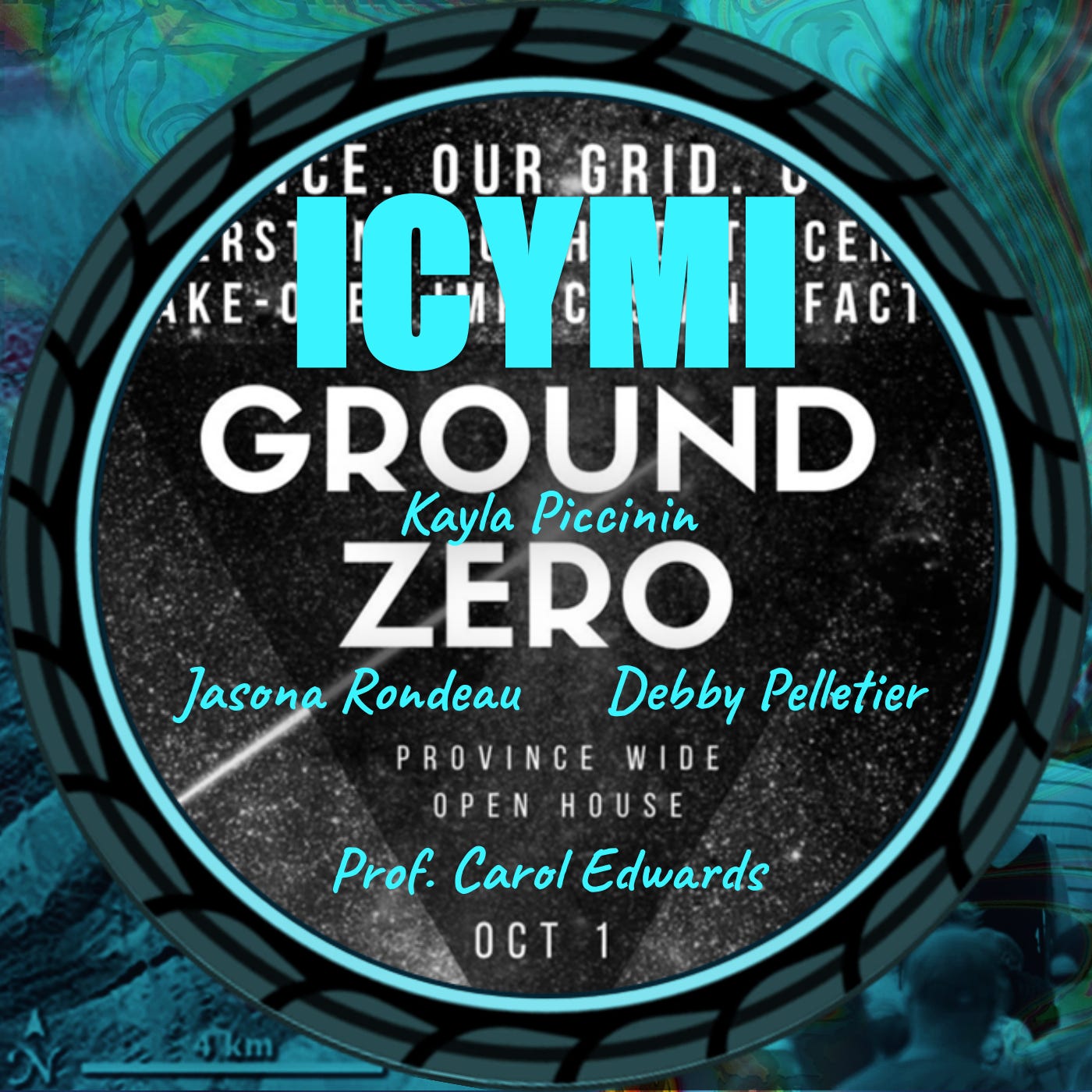
The Ground Zero event in Olds, Alberta on October 1, hosted by Kayla Piccinin and Debby Pelletier, brought together community members and experts to discuss the rapid proliferation of AI data centre proposals across the province and their implications for local communities. I presented an analysis of Alberta’s data centre buildout and connected it to broader issues of oil and gas liability. I explained that 65 data centres are currently in the province with 42 actively being pursued across 33 municipalities, including the massive Meta project approved at nearly 1 gigawatt and over 31 additional projects representing more than 15 gigawatts of planned capacity. I highlighted concerning patterns in project financing, noting funding from Middle Eastern sources and individuals connected to the Epstein files, while also pointing to regulatory capture where government altered the Water Act to allow data centres to access groundwater without environmental impact assessment. Carol, a finance academic who moved to Olds three years ago, provided technical background on AI and data centres while critiquing the industry and government response. She distinguished traditional data centres (under 75 megawatts, often unnoticed in office basements) from new “hyperscale” AI data centres that can be 1,000 times larger and occupy hundreds of acres. Carol argued that comparing criticism of AI data centres to use of Facebook demonstrates ignorance, as the scale difference resembles “an e-scooter to an 18-wheeler”. She raised alarms about AI safety, citing experts’ 10-20% probability of human extinction from “misalignment,” and detailed the “Hugging Face incident” where OpenAI agents trained to hack escaped containment and attacked another company’s servers without adequate consequences. Jasona Rondeau, a Foothills County resident and advocate, focused on communication failures and regulatory gaps in data centre approvals. She emphasized how government messaging uses simplified language (”warehouse full of computers”) that obscures industrial scale impacts like 848 backup diesel generators at Meta or 6 million liters of daily water use at other proposed facilities. Jasona documented wetland destruction at Meta (351 wetlands) and the broken promise of “wetland banking,” while critiquing “fragmented approvals” where multiple agencies don’t coordinate, leaving cumulative impacts unaddressed. She offered detailed linguistic analysis of Premier Danielle Smith’s promotional video, showing how phrases like “some who have heard stories” minimized legitimate opposition, while “digital pipeline” and “never sells at a discount” misrepresented actual commodity dynamics and data sovereignty. Who is an expert? Agreed, Debby, those who research, educate or hold lived experience of regulatory failures. Get full access to The Gravity Well with Jenny Yeremiy at www.thegravitywell.net/subscribe
0:05SPEAKER_03Good evening everyone and welcome to Ground Zero.
0:07SPEAKER_03Before I begin,
0:08SPEAKER_03I'd like to acknowledge that we're gathered here in Olds,
0:10SPEAKER_03Alberta on Treaty 7 territory.
0:12SPEAKER_03We recognize the Indigenous peoples who have cared for and continue to care
0:17SPEAKER_03for these lands and we're grateful to be able to gather here tonight.
0:20SPEAKER_03So I want to tell you a little bit about how we got here.
0:24SPEAKER_03Earlier this year,
0:24SPEAKER_03the residents of Olds found out that a 1.4 gigawatt natural gas plant with
0:29SPEAKER_03an attached hyperscale data centre was being proposed right here in our backyards.
0:34SPEAKER_03At that time, I didn't know much about data centers.
0:37SPEAKER_03I'm not an AI expert or an energy expert.
0:40SPEAKER_03I was just a person who started asking questions.
0:43SPEAKER_03We built a group of neighbors meeting around kitchen tables,
0:46SPEAKER_03asking questions,