
The Effective Lawyer · Jack Zinda
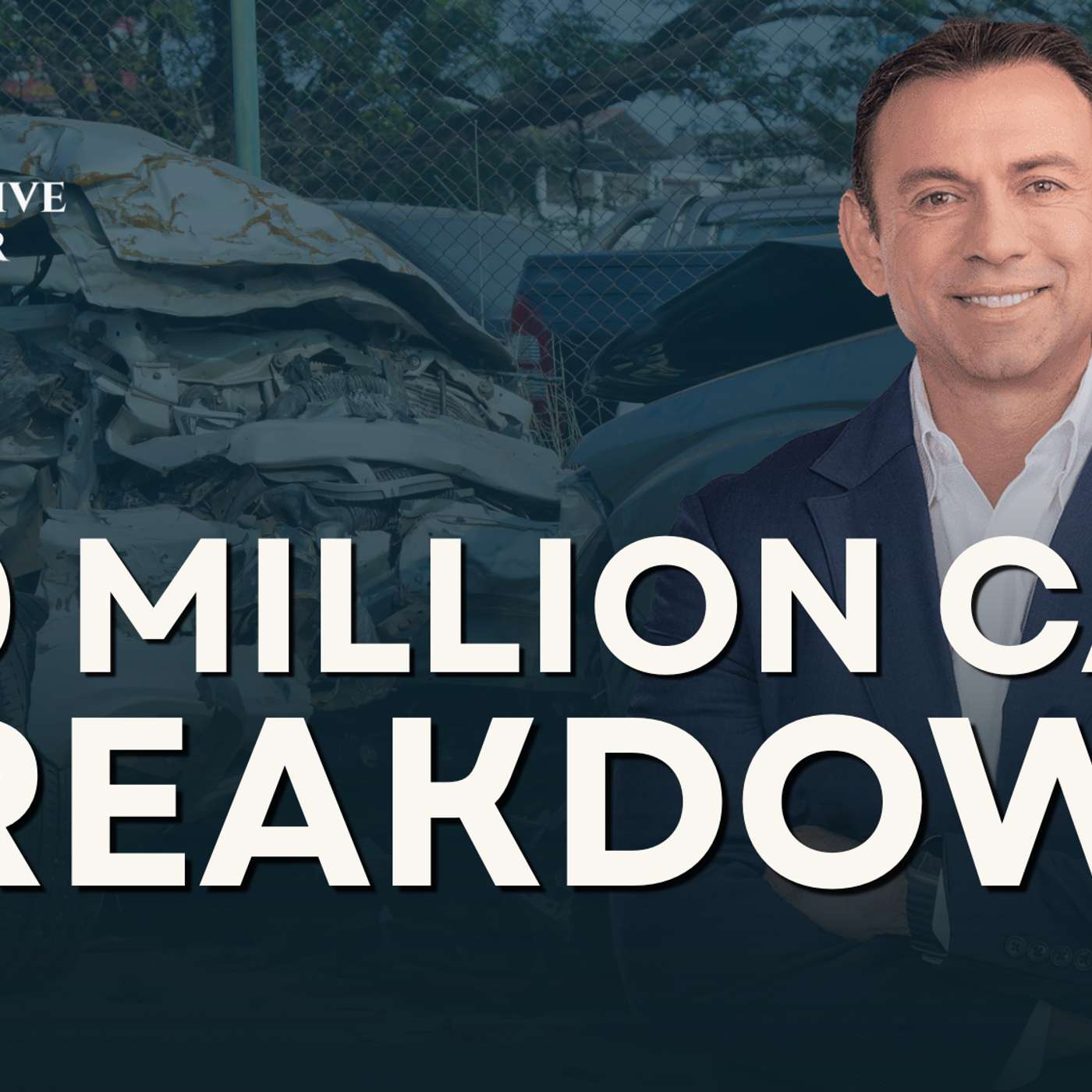
How did a truck hit-and-run pedestrian case that other firms rejected turn into a $20 million recovery? In this video, we break down the case strategy step by step so you can apply it to your own cases. Other law firms passed on this case. We took it, and it resulted in a $20 million settlement. We walk through how we handled the investigation, identified the responsible truck and company, built the liability and damages case, and positioned it for maximum value. Want to partner with us on cases? If you’re an attorney interested in becoming a referral partner, learn more here: https://www.zdfirm.com/attorney-refer... or email [email protected] Subscribe for more case breakdowns and strategy videos for personal injury attorneys. #PersonalInjury #TruckAccident #HitAndRun #PedestrianAccident #TrialLawyer #LegalStrategy Disclaimer: This video is for educational purposes for attorneys and is not legal advice. Past results do not guarantee a similar outcome. Every case is different.
(00:00.184) How do we take a case that'd been rejected by three other law firms and get $20 million in six months? So this poor woman, she's she's stuck. She's in an inpatient rehab. She can't pay her bills. she can't move around. She's getting sick. She can't pay for medical treatment, she can't pay for her prescriptions, and that's when she comes to us. She'd been turned down by two other law firms that said, hey, you don't have a case. The police say it's a fault, the insurance company denies your claim, and so that's where we found her. (00:29.496) So when she found us, the first thing we did was we actually flew out to her because it was in a very remote part of the country. and we sent two of our attorneys to go meet with her in person and figure out, okay, first, what sort of situation she is in, and actually go out to the scene to figure out what happened. Because one, we had to figure out is are the police right? Because if they are right and our client is at fault, it's gonna be very difficult for us to make, you know, a case in this situation. But we knew we'd have to invest time and money to figure that out. So the first thing we did is we got the crash report. We met with the client and we said, you know what? We believe her story. She seems very credible. She seems very honest. She seems very diligent. She seems like not the type of person that would lie. And in fact, everyone we talked to about her said she was one of the most honest, kind people they had ever met. So we said, okay, the client looks good. We signed her up. And we also started working with her son as next friend in the case to help us, you know, figure out what happened, what evidence together, things like that. Well, the first thing we did was get the crash report. And sure enough, it said what we thought it would is that our client was at fault. Now, when you see that, don't fret because a lot of times the crash report's wrong. The officers are going to go with whoever they talked to, whoever they investigate with. And if the truck drivers who they met with, that's who they're going to say, story, they're going to go with. They're busy, it doesn't mean they're bad people, it doesn't mean they're bad officers, just mean that they didn't have the time and resources to do a diligent, detailed investigation. The next thing we wanted to do is figure out what evidence might show what actually happened. So we went to various locations around the area to get. video footage. what was the truck doing? Where was it going? We hired a private investigator to go from different stores to stores to stores. And we also sent a spoliation letter to the trucking company, say, hey, preserve all video footage, all information, all evidence related to this case. And then once we got a little more data back, talked to an expert, thought this does look like a solid case, we got it into litigation and filed what's called a temporary restraining order to prevent them from destroying the evidence. After that, we filed a temporary restraining order. We start conducting discovery, and sure enough, they are fighting us on getting video footage. They say they have some, they can't find it, it may have been destroyed, but there actually was a camera in the truck. huh, okay. Light bulb goes off. And they're fighting on us getting it. So, one rule of thumb: the more the defense doesn't want you to have something, the more you need to go get it. So, one tactic is you have to make sure you file your motions to compel early and often to get that information. So, next, we wanted to find out what (02:54.05) What video footage are they talking about? What information? What pictures? That sort of thing. So we actually get the footage back through emotion and capel. And sure enough, there is a straight as day camera showing our client going through the intersection, passing the first tire. Ins a good five seconds, hits our client, runs over a second time, doesn't even notice that she's hit her for another like five or 10 seconds. Someone has to wave her down. Hey, you hit someone from behind another five seconds later. So it was clear she had a great line of sight. Could clearly see what would happen. And unfortunately, she had been dishonest with the police officer. So now our case is getting better and better. So next, we have to figure out okay, we've done an investigation, we figured out some good evidence, we know we can do discovery, but what is this case worth? How do we approve the damages of this person that was only working part-time, lost a limb, and there may not be a ton of economic damages that you think classically in this situation? So the first thing we did is we hired experts that could talk about what's the traumatic nature of what someone goes through when they have this sort of injury, especially if they're a little older in life, to talk about, okay, what sort of ambulatory issues are they going to have? Can they get around as much? Are they going to be able to, you know, spend those last years with their loved ones? And also what are they going to need to support them? It's not just the medical care. Their house has to be changed. They may need a ramp. They may need wheelchairs for the rest of their life. All of these different things that are necessary to make sure this person is made whole. And we had to figure that out. So once we've gotten information, we actually hired expert witnesses that would go in and investigate how much is this stuff gonna cost. First, we had someone get a lay of the land of what is it going to cost to put this person right in the place they would be otherwise, to allow them to get around, to allow them to eat, to allow them to travel, to allow them to live a normal life. Because the defense is required to not just pay for their medical bills, it's to make them whole for the debt. For what they did to this person and then tried to cover it up and lied about it. So we brought in an expert who talked about, you know, a ramp needs to be built so they can get in. Also, how do they get out of the bed every day? How's that gonna happen? They're gonna need physical rehab, inpatient rehab. they're gonna need other potential surgeries down the road to help them get to the other side of this. Also, they're probably gonna need additional prescriptions, certain sorts of food treatment, because unfortunately her son was not gonna be in a state where they could actually help her. (05:12.802) Long term. And so she was going to need additional care as she aged even more over the next several years. So we brought an expert to explain all that. And then we brought engineers to explain how they could change the house, the different things that could be made, and also the sorts of medical care and treatment. And that's done through what's called a life care plan. And a life care plan basically just lays out the medical care someone's going to need the future. So we took that information and we sent it to the insurance company and the defense and said, okay, here's the damages that we have in this case. The next thing we have to figure out is what is the source of recovery? How much is available in a case like this? Right? It could be in a car wreck as little as $25,000, or it could be several million dollars. And when you're dealing in trucking cases, these aren't just big car wrecks. They're actually more complicated than that. And a lot of times there's different layers of insurance. There's a first layer that's like the underlying liability policy. Then there could be an excess or an umbrella above that. And the bad guys, or not bad guys, they're nice guys too, are nice gals. but sometimes they on purpose or accidentally hide policies. And our job is to go out and get those policies and figure out what is there. and we're really good at that. And at first, we're like, it's just this one policy, it's only a million dollars. And then we dug and dug, sorry, we found another four million dollars. And then we dug and dug some more. there was another four million on top of that. Doug dug some more, another 10 million on top of that. And this took several rounds of discovery and several rounds of motions to compel, and a couple court hearings, which you just have to be prepared for that. Big damages cases, that that's going to be the case. And you want to make sure that if you're an attorney, you know what you're doing when you're looking through the insurance documents on what to compel. And if you're looking to hire a lawyer, you want to make sure they understand not just the one layer of coverage. Ask them, do you understand excess coverage, umbrella coverage? Do you have experience with bigger policies involving multiple companies, multiple trucking companies? Or do you work primarily on car wrecks? The other thing we had to do is establish that we were going to take this case to trial. So day one, everything we did was not towards settlement, it was towards trying the case. We had a trial date as soon as we could practically that would allow us to prove up our case and get it done. We hired our experts early. We got our damages experts lined up, we got non-economic damages witness lined up, we got video footage of what our client went through. We had a whole trial script ready to go with witnesses, facts, liability. We may have taken 10 depositions by the time we even approached settlement in the first three months. (07:31.938) So you want to make sure you're aggressive in how you're approaching the case from a litigation standpoint to send the message to the other side that you're going to try a case. If you don't, you're never going to get the maximum value for your client. In a case like this, the levels of discovery and the steps you want to go through are going to be pretty similar in most cases. First, you want to make sure you get all of your fact witnesses lined up. They can disappear quickly. So make sure you identify who they are. We do what's called a persons of interest log, where we get everybody involved in the case, make a list of those people, and then identify them to depose them. Then the next step is we're going to make sure we get our expert witnesses lined up, which are people that can prove up liability and damages. In this case, we had a couple experts, one on fleet safety, one on training, and then one on accident reconstruction about what happened. And you wanna make sure if you're working with a law firm that you they understand which experts to hire and they're not just guessing, because that evidence, unfortunately, can go away. And hiring a bad expert can ruin your case. And I've seen it happen to lawyers time and time again. The next step we did, after having our experts lined up, And depositions taken is we focused on trial. We didn't even bring up settlement because we wanted the other side to know that this is a serious case that they need to take seriously. And a lot of times what insurance companies will do, they'll try to get an early mediation and try to throw money at the client that is more money than this client may have ever seen in their whole life, but is not what the case is worth. So that brings us to the next question. Okay, in a case like this, when you have tons of insurance, the person didn't die, but they're hurt pretty badly. How do you determine what's a case worth? And there's a lot of different ways that law firms go about it, but this is probably the most common question I get from both clients and other lawyers. So, first, a case is worth whatever a jury would pay it. And how do you figure that out? That's a very difficult question to ask because like 12 random people from your community deciding what your case is worth. Well, we can gather as much data as possible, and one of our core principles of the firm is data-driven decisions, along with excellence always. So we do excellent work, but we use data to help drive our decisions. So we do a lot of things using both AI technology and interacting with people to make that happen. So one thing we do is what's called a focus group, where we actually send out facts related to the information to regular people that would be jurors in that community and find out what they think of the case, what do they think of liability, what do they think of damages, what questions do they have? And we may do that three, four, or five times in one case. That gives us a lot of data points to say what do people think of the case and what it's worth. The other thing is we're gonna dig into the case itself and pull out the damages that are there, whether it's (09:56.97) Medical bills, non-economic, economic, lost wages, loss of burning capacity, all the different things we've talked about already. And some firms, unfortunately, just go with like, hey, it's just medical bills times three or some weird formula like that. But we're actually our job is to tell the whole story of the case and not just prove up the bare minimum, but what is this case actually worth? So we'll have a list of all the damages, we'll have the liability, then we have our focus groups, and then we round table it with a group of experienced attorneys within the firm. And I'm so blessed and lucky to work with such great lawyers. That we've all worked on so many cases together and we all have different perspectives. If we come together, we round table it and we talk about the case. What's, you know, what do we think of the client? What do we think is gonna happen at trial? What's gonna be you know the fault lines? And then we'll actually put a list of what do we think a good day, an okay day, and a bad day is on liability, and a good day, okay day, and a bad day on our damages. And we'll sit out and mark those up. And now we have a list of potential outcomes, both that we think internally, as well as what focus groups have given us. And then we'll also do verdict research of what juries have come back in that community. And that gives us a great data set to actually come up with actual answers behind these things and not just guess. So now, boom, ready to go. We've done a great investigation. We have our liability witnesses lined up. We have expert witnesses lined up. We've evaluated what the case is worth. We've identified all of the insurance information. And we're ready to go to trial. And this is all done in this case in less than six months. Now, very few firms have the resources, time, ability, experience to do that. But that's one of our secret sauces. We put very few cases per attorney. And that allows us to really accelerate that case. I think we probably had seven lawyers working on that case. And that's not uncommon for any of our cases. And that's one of the things that set us apart. So if you're looking to work on a big case like this, you want to make sure, ask yourself, what resources do I have put into it? And don't treat it like just a small case or a car right case. You have to really treat it with the the importance that it is to really work up the case and make sure that you're doing everything necessary to get a great result. If you're looking to hire a lawyer, ask them those questions. How many people will be working on my file? Is it just going to be a paralegal, a case manager? Is it an inexperienced associate? Is it an experienced partner? Have they taken cases to trial before? How do they value cases? What do they do with bigger cases like this? And these can be uncomfortable questions. I know when I'm in the doctor's office, I get so embarrassed to ask the most basic question of like, hey, why is my knee clicking? You didn't cover that. I'm here to see my knee about my knee issue. but you need to ask those questions. (12:18.134) With your lawyer to make sure you get to the right person because this is your one only shot. You don't get to go back again. I've seen so many situations where I'm talking to somebody, maybe they're an Uber driver, maybe they work on the job, or maybe you know they go to school with my kids and they talk about this case they had and they were hurt really, really badly. And the defendants did some really terrible things, and there was a lot of insurance there, and they settled for 10% of what it's worth. Now I usually don't tell them that that's what happened. But it breaks my heart because they're they're still in pain. They're still hurt. They didn't get the medical care they needed. They didn't get the stuff resolved. And they're just out of luck. So make sure you ask those questions in this and any other case. One of the most impactful things about what I get to do as a lawyer is to see the outcome that I get to make in people's lives and my teammates. In this case, I'm just so proud of the work they did. I could not be more proud of the outcome. She went from literally being on death's doorstep to having a new home, having medical care around the clock. Being taken care of, knowing that her adult son would be okay, and knowing that we were able to give that to her out of our results, out of the work we put in. And it was just so impactful to see that happen. And I'm so honored and blessed to be able to work with such an amazing, incredible client like that. What was the outcome in this case? Well, we talked about the tangible outcomes, what her house was, being able to take care of her son. but we had to get money to make that happen. And we're able to get the client over $20 million. And what that $20 million did was buy her peace of mind. Buy her the ability to have her life back, because she still has decades to go, and hopefully decades of not just like surviving, but of thriving and having the life that she deserves. And we were able to do that through making sure the defense knew we're going to take this case to trial. We believe in this client. We believe in this case, and we believe in what we're doing. And we try to do that in every single file we work on. Now every case is different. You can't say a value of what a case is worth, but what you can do is maximize the value every case and make sure you turn over every rock and you do all that you can to make. your client's life better. Hope that was helpful. If you're interested, please subscribe, of course, and then reach out to me personally. We have a newsletter, we have an outlet where we share information gladly with other attorneys. Also love to work with attorneys anywhere around the country. So if you have a case you want to work on, you don't have to work on with this. We'll just give you advice, send you our materials. We would love to. Until next time, thanks.