
The CrossFit Podcast · The CrossFit Podcast
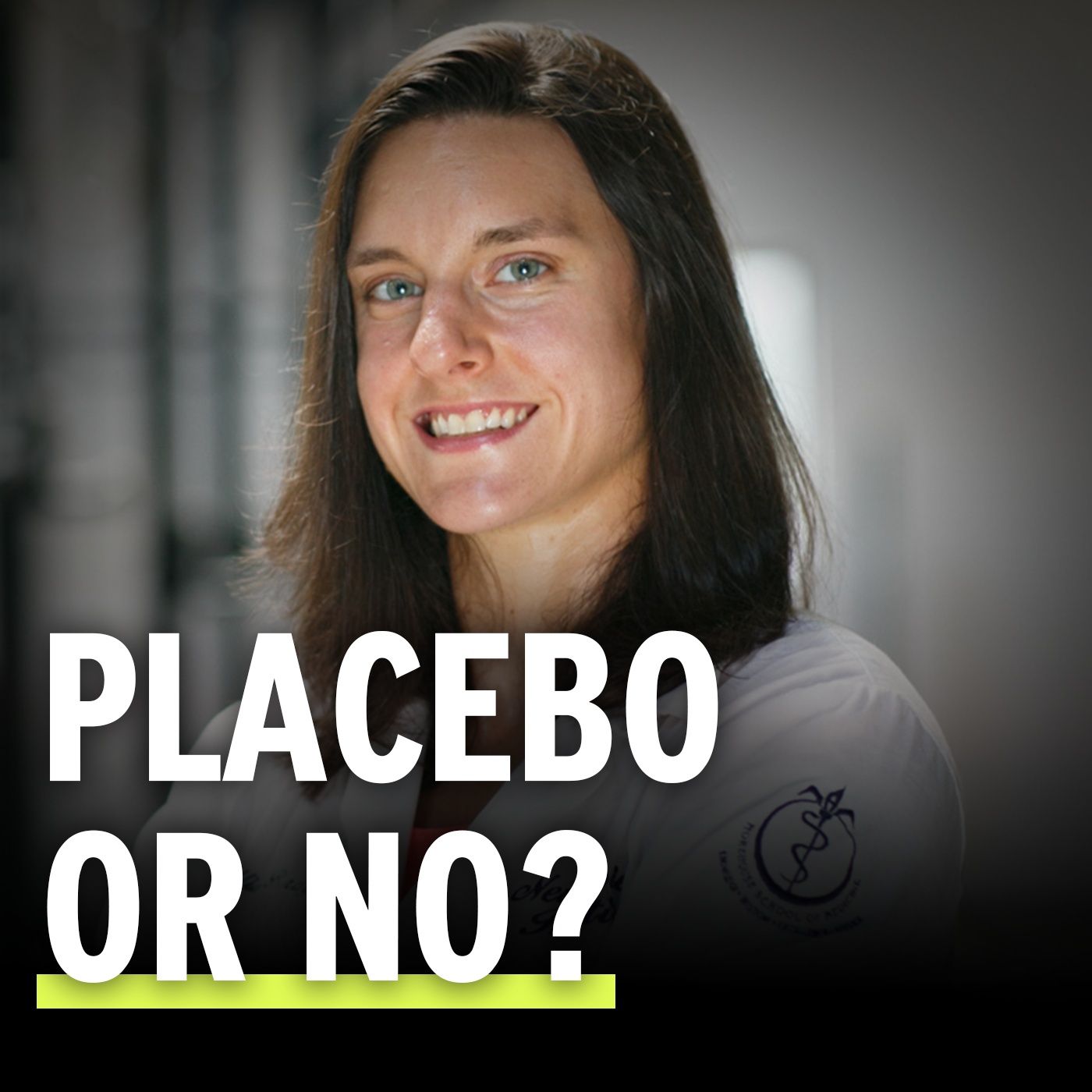
Caffeine is the most widely used psychoactive substance in the world, and it is deeply embedded in fitness culture. Coffee, pre-workout, and energy drinks are often treated as essential tools for training and performance. But what does the science actually say? In this episode of the CrossFit Podcast, host Jocelyn Rylee sits down with sleep scientist and active duty Army neuroscientist Dr. Allison Brager to examine the relationship between caffeine, sleep, recovery, and performance. Brager explains how caffeine works in the brain, why tolerance changes its effectiveness, and why the perceived boost athletes feel during workouts does not always translate into measurable performance gains. The conversation explores research on caffeine and CrossFit workouts, the role of sleep deprivation in caffeine effectiveness, and why energy drinks may carry neurological risks when used chronically. They also discuss strategic caffeine use for athletes, military personnel, and first responders who face sleep disruption. If you train hard, rely on caffeine, or want to improve performance without compromising recovery, this conversation will challenge what you think you know. Topics Covered How caffeine blocks adenosine and promotes alertness in the brain Research on caffeine and CrossFit workouts Why perceived effort improves with caffeine even when performance does not The neurological and mental health risks linked to heavy energy drink use Strategic caffeine dosing for athletes, military personnel, and shift workers Resources Mentioned Dr. Allison Brager The CrossFit Podcast with Dr. Brager on Sleep Community Highlight Michael Atkinson grew up in Napa, California, the son of immigrants from Trinidad and Mexico, in a neighborhood where gangs often filled the gaps that opportunity didn’t. At 19, he was facing charges that could’ve meant life in prison. Instead, he was given one last option: complete a court-ordered recovery program or serve eight years. That program introduced him to CrossFit. After watching a regional event, the men in the program tried the workout themselves. It wrecked them … and hooked them. For Michael, it became the identity that replaced the one he was trying to leave behind. He wrote down two goals: become a competitor and become a coach. Years later, he bought the very affiliate where he once showed up asking for an internship — CrossFit Novato. Today, he coaches firefighters, local teams, and everyday adults, and offers scholarship memberships for people who need a second chance because he knows exactly what that can mean. If you love this podcast, please drop us a rating and review, and share it with everyone you love. Join us for the CrossFit Show LIVE every Thursday at 10 a.m. Share Your Thoughts: Email us [[email protected]].
0:00Speaker 1Hey everyone, Just a quick reminder, this is part of
0:02Speaker 1our final run of episodes for this era of the
0:05Speaker 1CrossFit Podcast. We've got a few more great conversations coming
0:09Speaker 1out after this, and we're excited to close out this
0:11Speaker 1chapter strong with you all.
0:13Speaker 2So we appreciate you being here and let's get back
0:15Speaker 2to it. Quite honestly, I've.
0:17Speaker 3Never met anyone in the CrossFit culture who does not
0:20Speaker 3consume caffeine and any farm.
0:23Speaker 2Sleep as the world's best performance enhancing drug.
0:26Speaker 3Under conditions of sleep deprivation reduces pain tolerance. If your
0:30Speaker 3perceived effort is better, then you may be more likely
0:34Speaker 3to push a little bit harder.
0:36Speaker 2I believe I've heard you say energy drinks melt your brain.
0:39Speaker 3They found increase neurotoxicity, so neurotoxicity is basically premature neuronal