
The Chris Abraham Show · Chris Abraham
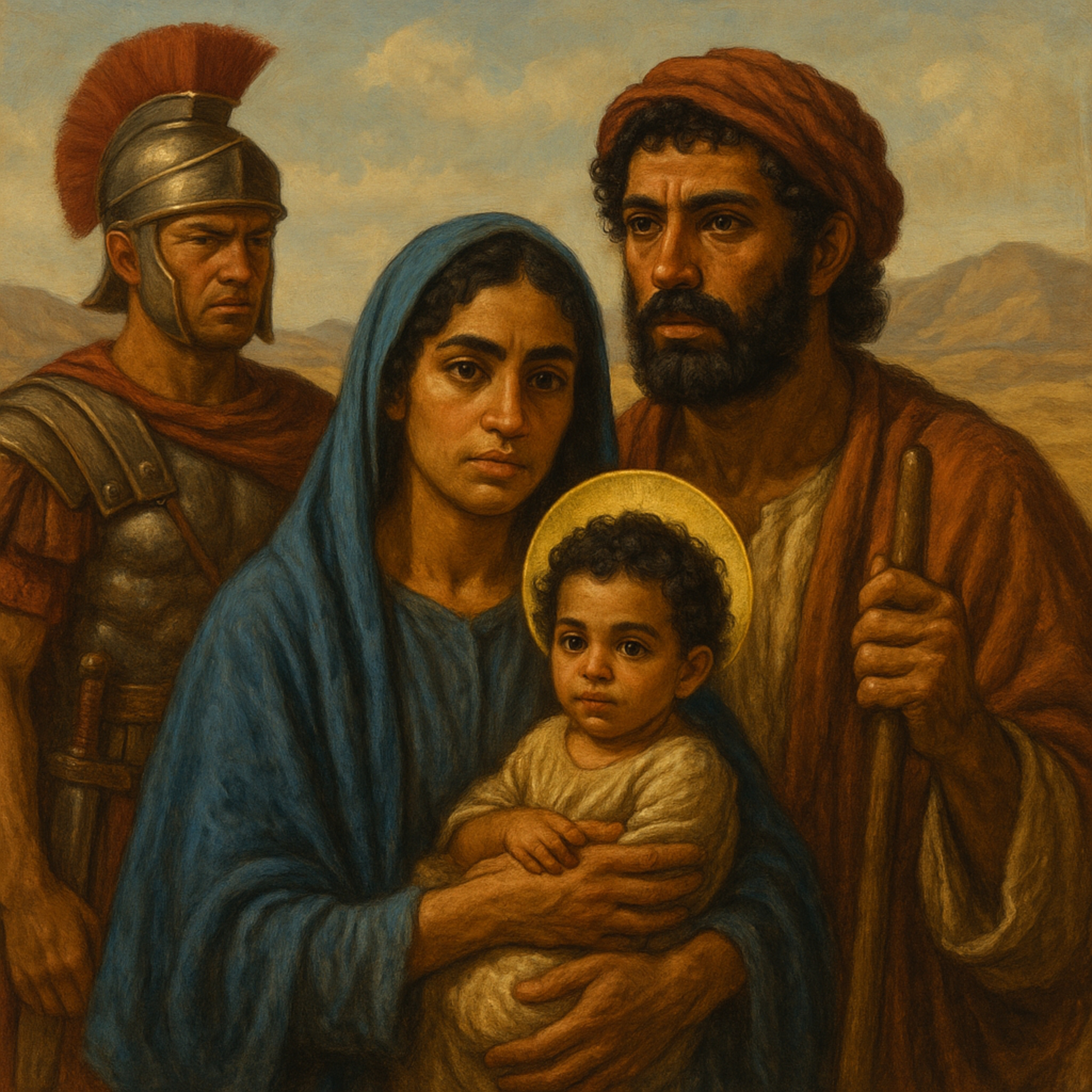
Welcome back. Today we’re taking on a Christmas claim that resurfaces every year: that Jesus, Mary, and Joseph were refugees, undocumented migrants, or ancient asylum-seekers. It’s emotionally appealing, politically useful, and completely incompatible with the world the Nativity took place in. To understand why, we have to put aside modern nation-states and step into Rome. Rome wasn’t a patchwork of countries. It was a unified imperial world, more like a continental-scale United States than anything else in antiquity. Judea and Egypt were not separate nations. They were Roman jurisdictions. Moving between them was like moving from one state to another, not crossing an international border. And that’s the heart of it: the Holy Family never left their own political system. They never crossed into foreign territory. They never became stateless. They never occupied any category resembling “undocumented.” They were lawful Roman subjects everywhere they went. Now, Rome did have borders — fierce ones. Caesar defended the external edges of the empire with levels of force modern governments wouldn’t dream of using. Unauthorized groups approaching Rome from outside were blocked, repelled, or crushed. In that sense, Caesar absolutely behaved like a modern head of state securing a national border. But none of that applied to people already inside the empire. Rome didn’t deport internal subjects for moving from one province to another. There was no immigration system for internal movement because internal movement didn’t require permission. So when Joseph took Mary and the infant Jesus to Egypt after receiving a divine warning, they weren’t entering a foreign country or seeking asylum. They weren’t applying for refuge. They weren’t presenting themselves to a host government. They were relocating inside the only political world they belonged to. If we want analogies, the closest modern parallels come from American internal displacement, not international refugee movements. Think of Dust Bowl families fleeing starvation and drought by heading to California. Think of the Great Migration, when millions of Black Americans fled racial terror in the South and rebuilt their lives in northern cities. Think of families uprooted by hurricanes or wildfires and moving across state lines. These were dramatic, sometimes desperate relocations. But they weren’t refugees under law. They were citizens moving inside a single national system. The Holy Family fits this pattern far better than the refugee framework we keep projecting onto them. Their story is about danger, intervention, and survival — but not about crossing a border into a foreign land. So why do we keep forcing the Nativity into modern immigration politics? Because the analogy is emotionally powerful. Casting Jesus as an undocumented child and Herod as the voice of border enforcement gives modern debates a moral clarity many people crave. But it rests on a misunderstanding of both worlds: Rome and our own. Rome...
0:00OK, so every December, you see it.
0:01It's almost like clockwork. This, this really powerful
0:05narrative starts making the rounds online, on the news
0:09everywhere. Oh.
0:10Absolutely, it's unavoidable. The argument that Jesus, Mary
0:14and Joseph, when they fled to Egypt, that they were basically
0:18refugees or, you know, undocumented migrants, asylum
0:22seekers, they use all these modern political terms.
0:24And it's almost never just a simple historical observation,
0:27is it? It's usually wielded as a kind
0:29of rhetorical hammer. Exactly.
0:30It gets sharpened into a direct accusation.
0:32Right. The implication is if you
0:35support modern immigration enforcement, if you believe in
0:37national borders or, you know, deportation procedures.