
The Catalyst · Northeast Iowa Community College
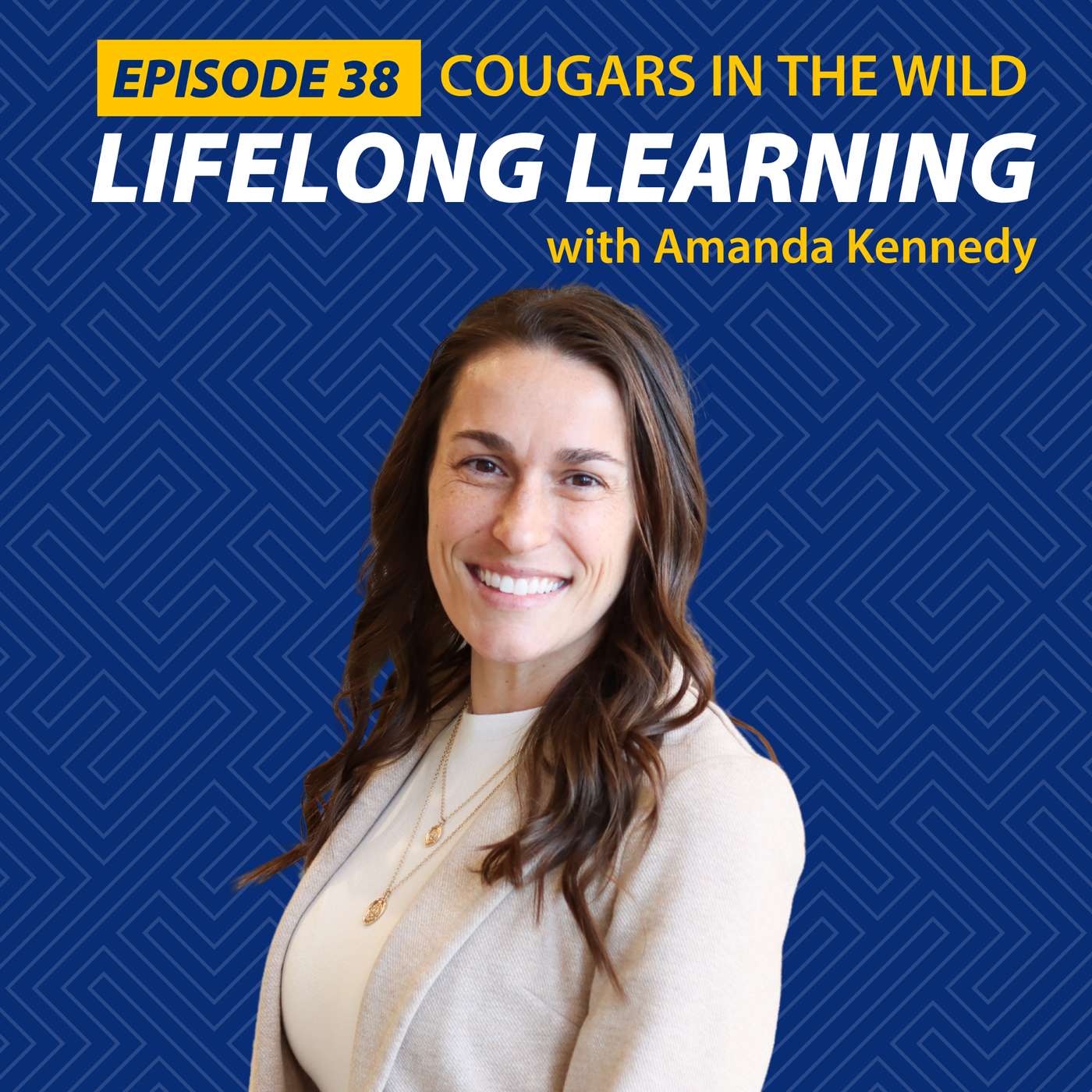
Can your education continue long after graduation? In this episode of The Catalyst, we talk with Northeast Iowa Community College (NICC) graduate Amanda Kennedy. Amanda earned her degree in Business Administration from NICC and later returned to participate in the college's Leadership Academy. Today, she uses those skills every day as a Team Leader at Origin Design. Tune in as we discuss: Real-World Career Growth: How a Business Administration degree builds flexible, real-world skills that apply to many different industries. Moving into Leadership: The way local leadership training bridges the gap between basic job skills and managing people. Balancing Work and Learning: Why continuous learning keeps you competitive in the local workforce, even if you have a busy, full-time job. Whether you are a current student, an adult learner or a local professional looking to climb the career ladder, this episode shows how community colleges and local businesses partner to build stronger leaders. Click here to watch a video of this episode. Follow us on social media: Facebook | Instagram | LinkedIn | YouTube Visit nicc.edu for more information and resources. Creators & Guests Amanda Kennedy - Guest Amy Lasack - Host Tessa Hill - Producer Ashley Konzen - Designer Travis Hunt - Producer
Amy Lasack: Welcome to The Catalyst, an exciting and insightful podcast produced by Northeast Iowa Community College. I'm your host, Lasack. Together, we'll explore the people, programs, and partnerships that make Northeast Iowa Community College unique. From student success stories to behind the scenes info about athletics, innovation and industry collaboration, each episode dives deeper into your community's college. Get ready for an inside look at the impact of community driven education at NICC. Well, everyone to the Catalyst. We have a fantastic episode again for you today. The one thing we talk a lot about at NICC is that learning doesn't end when you graduate, that learning really is a lifelong endeavor. Whether it's earning a degree, building your technical skills, stepping into leadership, or maybe even learning something completely new, we want NICC to be your lifelong partner in education. And so today, I'm excited to welcome NICC alum Amanda Kennedy to the podcast. Amanda graduated from NICC with a degree in business administration and has continued her learning journey through our Leadership Academy. And we're going talk a little bit about her career path, her leadership, lifelong learning, what it looks like when education continues beyond that first credential. So Amanda, welcome. Amanda Kennedy: Thank you, Amy. I'm excited to be here and share my journey today. Amy Lasack: Yeah, I'm excited to chat with you. So let's start at the beginning. Tell us a little bit about your journey. What brought you to NICC originally and what made you choose business administration as your area of concentration? Amanda Kennedy: I'm to go back twenty years here and completely age myself, but I had a little bit of an interesting start to my college journey. So my first year, was actually enrolled at University of Dubuque, And within the first six months of college, we had some major life events happen. We went, my boyfriend then at the time and I, we got engaged, bought a house, took on full time jobs, And this big plan that we had suddenly, the dynamic just shifted very quickly. And NICC was the other college I had evaluated at the time before attending UD. And so I finished my first year out there and transferred to NICC because it offered flexibility for how our life had changed at that time. I was one of the first students who, or the first wave of students, I should say, that entered into that full remote. So I was working full time while attending NICC and obtaining my education nights and weekends. And so it was attractive to me as an option because it offered me the flexibility to still pursue my education. I didn't have to give that up just because we had these major life changes that you set out on one path and it's not guaranteed that that's the path they're going to continue to take. So I was very, very thankful that NICC was there for me when my life did change and we had that pivot and I was able to obtain my degree in business from NICC. And why I chose that one, I kind of went back and forth, you know, in the early 2000s there. I was trying to seek out kind of the highest probability of employment at that time. I was looking at, okay, would it be real estate? Would it be accounting? And I settled on business because that I that kind of translates, you know, company or organization you work for, any industry, who doesn't need somebody with a business background? So I thought that would probably translate to the highest probability of employability for me. Amy Lasack: That's great and we hear that a lot from, some of our learners at NICC about the flexibility and how that really was a key opportunity for them to continue down a path, but also fit their life into it as well. Amanda Kennedy: Yeah, no, it really was a fit at that time for me. Amy Lasack: What stands out to you when you think back to your time at NIC as a student? Amanda Kennedy: So many different things. It was such a long time ago, but just the thing that stood out to me the most, professors, all of my instructors and professors, they were so kind, they were so understanding of me. They knew what I was trying to accomplish while working full time. They were empathetic to what I was working towards and very empowering and understanding if I'm submitting assignments at weird hours, late nights, or have questions. Everybody was so eager to help me out and help me reach those goals. While I while I was working full time. Amy Lasack: Love to hear that. And then so now you work at Origin Design. So tell us a little bit about the company, your role at Origin Design, and the path that got you there. Amanda Kennedy: So Origin Design, we are a 100% employee owned company. We're ESOP. So, we're in the AEC industry. It's a architecture, engineering, and construction industry and I started here just a little over eighteen years ago. What what drew me to Origin was couple different things. When I first interviewed, it was, it, you know, the people are really who drew me here in the culture. I really, I wanted to be a part of that. I saw opportunity. It was an entry level position that I started at but I saw opportunity for growth. And so I had those discussions and the interviews, is there potential for grow into another role? The answer was yes. And so I'm like, okay, it was a different industry. I went from a a short stint in banking to publishing to consulting with that business degree. So, it's very very mobile. And so, I I landed here. I I received the job offer and within the first year and a half, I received a promotion into the role that I that I did want to be in and for the next ten years, I was able to promote through a couple different levels in that role which was really cool to me because that was kind of the path or that's what I saw when I interviewed at at the company was a lot of lot of potential. Amy Lasack: Yeah, that's great. Sounds like it's a really good fit for you. Amanda Kennedy: It, I say it is, it was, it still is. So my role here currently is the project support team leader and I'm also our office manager. So I have, I kind of wear a couple of different hats here, which is really cool for me because no two days look the same for me. I I like variety. But so with the project support team lead, that's that's people management and leadership and you know, being accountable to to my team and then the company's leadership team in our organization. And then on the office management side, that's those super fun day to day kind of tasks, what kind of, if we have an issue with the facility that we lease or things like that, it's a lot of chasing down and follow ups. Amy Lasack: Putting out fires when you can. Amanda Kennedy: Yes, fire extinguishers over there. Amy Lasack: Yeah, so it sounds like your position has a nice mix of management, but then also the leadership component of it. So at some point, you decided to continue growing and going through that lifelong journey and participating in the Leadership Academy through NICC. What made you decide to blossom into leadership and really want to invest in that? Amanda Kennedy: So an opportunity came open. Our office manager of like thirty six years, she was retiring and they needed someone to fill that role and that project support team lead role. And I would be lying if I said it wasn't a little nerve wracking or scary. I had not led people before. I wasn't sure if I would be good at it. You kind of have those questions like, this is a really, really great opportunity, but there's just a little bit of that uncertainty, but I am a mom of four daughters. So while I'm leading tiny little humans in a different way. But so I took on that role and it quickly became my probably my favorite part of my career or my story. I am super passionate about growing and evolving people and their capabilities and those skills. It's and it's something that you always have to work on. So, leadership just doesn't stay stagnant. So in Leadership Academy, about a year and a half or so ago when I had joined the, I think it was the first level of it, it's about eight week program, half days, it was like eight to noon on Thursdays. I kind of jumped at that opportunity because even though I have been in a leadership position for several years at that point, like I said, it's not something that you just, you don't stop growing those skills. It's not like I'm a leader and this is how I lead the next thirty years. It's not in the same way. The challenges with the workforce or people leading, they're constantly shifting and changing in that space and and you kind of as a leader need to shift with it too. So it was interesting because I wasn't sure what to expect with Leadership Academy and it was wonderful. So again, even though I've been leading for several years, there were so many valuable takeaways. It was a great resource to me at that time to think back to, okay, I'm leading in this way, but am I thinking of this or, oh, I need to be taking this into account. It further enhanced my leadership skills for sure. I I do think it it really strengthened my leadership capabilities. I loved coming back to my team each week and going, guess what I learned? Guess what I learned? Let me share this with you. Let's talk about it. We talked about it in team meetings. Five generations in the workforce. I had four of them on my team. My small team of five people. There was four different generations within that team. And so we talked about that and motivation. And I had one going, yeah, this is what motivates me as you know, as a boomer and the other one's going, this is not, as a Zoomer, what motivates me and and that's great to recognize as a leader and then, like, disc assessment, we cover things like that. So, then, you're dealing with multiple generations but multiple types of personalities and how how you work together in that organizational space, how all that kind of melds and flows. You address things like accountability, people development, and then you you get in the nuts and bolts of things in Leadership Academy even like when a meeting should be an email because we Yeah. I'm like, well, that was a great one to cover. I'm like, yes, that's, you know, because we fall into that trap as leaders ourselves, have that quick meeting and does it really need to be a meeting? No. So it was just a lot of great content for me to be able to take back to my team and my organization and share out, but then we're influential as leaders. So then I shared it at our team leader meetings. Of us have attended Leadership Academy. We've been able to share that out. And so we're helping other leaders in our organizations grow those skills as well. Amy Lasack: That's great. And you know, one of the things we hear from people that have attended Leadership Academy in the past is not only the the learning about yourself and how you can lead, but being able to share those ideas with others within the Leadership Academy class and having those conversations. Heard a lot from people about how valuable that has been as well. Amanda Kennedy: Yeah, was it was really engaging. So I wasn't sure when I went in, you know, if it's presentation style or just what the structure of it would be. And I was pleasantly surprised because there was so much, it was literally round tables, but there was that peer to peer engagement at the tables and in the class itself. You do have to be prepared and engaged for every session. You can't just sit there. It's not presentation style. It's not just absorbing or learning on the technical side there. It's having meaningful conversations on, yeah, this is a challenge that I'm facing at my workplace and your peers are helping you navigate and walk through that. And I also felt like it was a very safe space. You know, we have all different industries and organizations in our town represented And so, you know, ones that we we work with, you know, at Origin. And so it was kind of cool to see, okay, we're not the only one struggling with that challenge, but you know, I never felt like anything discussed in there left that room either. So it was just that safe space in the aspect where you could actually have meaningful conversations about, yeah, I am facing this challenge as a leader. Amy Lasack: But it Amanda Kennedy: wasn't the instructor solving a problem for you either. You know, they might ask questions and help navigate, but you have engagement from your peers to kind of help, hey, I dealt with this before. This is how I handled this. Amy Lasack: Yeah, sometimes that's just as valuable, right? Because sometimes as a leader you're sitting there and you're like, I feel like I'm the only one who's dealing with this exact issue right now, but being able to bounce ideas off of other people and hear that you're not alone can be very validating. Amanda Kennedy: Yeah, it it was. It was and it gave just unique or different perspectives of thinking where there was a couple times where my gosh, I didn't think of it from that perspective or from maybe the employee's lens looking at it that way and then there were several times where I felt like I provided value to somebody else where I kind of pitch in and offer my suggestions or how I navigated through it and I felt like they really took that to heart. So, it was really cool just to to experience that as a group together. Amy Lasack: Yeah, I love to hear that. It was a little give and take. You were able to provide for others, but also got a lot of it out of yourself. And I love to hear that you were able to implement some of the things that you were being taught right away, whether it was teaching other people or being able to bring some of those skills back and grow along with the class. Amanda Kennedy: Yeah, it's, you know, and it's not, as I, as you're talking here, I pulled it out today too, I have it. Like this binder from Leadership Academy, it sits on my shelf back there. I pull it open. I reference the content, all of my notes. Probably once a month, I still regularly look at it. It's great refresher or reminder because, you know, as leaders, we we come into our office each day and we wherever your workspace is, and we get into that day to day. And sometimes we just kinda need to pull our head up a little bit and, hey. Yeah. Remember, know, some of these really cool skills and capabilities that we grew, we need to just take that step back a little bit and remind ourselves of those. Amy Lasack: Yeah, so there might be somebody listening who maybe hasn't gotten to that point where they've invested in themselves to learn to continue to learn. They've been on the job for a while. You know, I hear a lot from people that are like, I'm just too busy to take a class. I'm just too busy. I gotta get to work. I got all this stuff to do. I don't have the time to do that. What would you say to that person? Amanda Kennedy: I don't wanna say that's wrong, but most people will say I'm about the busiest person you will find. Again, full time working mom, four kids. I sit on boards, I volunteer in organizations. I'm a super busy person. And so when the opportunity for Leadership Academy came up and I heard it was, okay, eight weeks, four hour, eight to noon, four hours. I didn't let that be a deterrent because for those four hours, for those eight weeks, that time investment is gonna pay off tenfold long term. I do recall the first session or two, I had my cell phone by me on the table and I cannot tell you how many times that thing buzzed during the day from my, whether it was a coworker or my work. So I did have to go back to the office that first time and I was like, listen, hey, I'm in Leadership Academy. This is a priority to me. I'm not going to be able to respond during this time. What it did was it allowed people who would maybe normally seek me out for an answer to seek out answers or find a solution from my teammates during that time, which further grows their skills. Amy Lasack: So Amanda Kennedy: there's a little lesson or a nugget in itself is that it's giving other opportunities to people to handle things that doesn't always have to be me. So it allowed me that time. That time was really important to me to invest in myself. So if there's a will, there's a way. You're able to make it work. I didn't graduate Leadership Academy at the end going, Oh my gosh, this was just so much. I didn't feel that at all. It was definitely worth the investment. It's worth the investment in yourself. Amy Lasack: And that's so great a byproduct was that your team was able to figure things out on their own, which makes your job easier in the long run because they already know that they can do things. Amanda Kennedy: Yeah, like a slight form of delegation, like unintentional delegation as a leader because sometimes we do, we wanna be responsive and take care of all of those things and we gotta get out of our own heads sometimes and it doesn't have to always be like that. Amy Lasack: Yeah. So, making making the time to invest in yourself sounds like it was well worth it. So, what's next for you? Any professional or personal goals that you're excited about? Amanda Kennedy: I want to continue to keep growing my leadership skills, continue with education, all different forms of it, whether it's, you know, it's the technical side, the non technical side. I'm just somebody who can't sit still. You see, notice, so I'm a little bit of a busy body, but I just believe that it's not like it's every year, but you should be growing yourself. You should be learning. For me personally, I guess, when I'm I'm in a leadership position and I'm responsible for people and so, there's always a capability or skill that I can grow that's going to help me be or help me evolve into a better leader and I like growing other people's skills. It's really neat to see somebody who, you know, maybe isn't as confident or you know, they can perform in their role and if you can grow their confidence skills, capabilities, and slowly over time grow like their comprehension or their capacity. You can work with them in a very intentional way to get them from A to B to Z. And sometimes they don't realize that full potential that they have. And I just think that's really cool to see that progression over time. So like, that's what I want to continue to do is keep growing people, keep growing my skills as a leader, help other people, mentor, strengthen my organization. I'm a tactical thinker by nature, but strategy is something I wanna focus on. How to be more of a strategic thinker and strategic leader. So any resources out there, I'll be seeking those out. One other way, I did want to quickly mention that NICC has these monthly webinar series that they launch. So, I do sign up. I get an Email each month. So, if there's an organization or company out there that does not get those Emails, it's a great resource because those are like micro learning sessions. So it's not a full on like a leadership academy. But I think NICC is great at putting resources out there. It's like a thirty minute webinar that is recorded. So if you have to miss due to a meeting, you get an email. If you signed up for it, you'll get an email with the link you can watch later. But it's like a micro learning session on hot topics. Maybe it's navigating a difficult conversation, emotional intelligence and leadership. They do a really great job at NICC picking those topics that are relevant to all industries and putting that series out there. So it's another form of education that I enjoy. Amy Lasack: That's great and thanks for the plug and those are no cost. So yeah, definitely attend those. Attend those and sign up for those and if you don't already follow us on Facebook and LinkedIn that that'll be your way to to know when they're coming up because we try to make people aware of those as much as possible. Amanda Kennedy: Yeah, you're great at giving advanced notice on those. I always get the Email and then I sign up for it. It adds it to your calendar. It'll let you know the day of. Like I said, it's, you know, we're busy and so probably one in every other I actually get to watch live while it's happening, but then there's a meeting or something comes up at the office, but you get the link within the day and then I can watch it on my own time if I had to miss it. Amy Lasack: Yeah and I believe we keep them out on our YouTube channel too so if you wanted to go back and look at some maybe that you've missed, people can do that too. Yeah. So this is fantastic, I'm so excited to hear your journey and how it's not ending after Leadership Academy that you're gonna continue to grow and move towards, I don't know if there's ever an end to a leadership journey, it's just constantly growing. So that's fantastic to hear. So we have a little segment on our podcast where we just kind of quick fire, give you some statements and you let us know if they're fact or fiction based off of your experience. Okay? Okay. Alright. So the first one is business administration is only useful if you plan on starting your own company. Is that fact or fiction? Amanda Kennedy: Fiction. Amy Lasack: Hopefully, have been listening and can tell that that totally is fiction. Right? Yeah. How about noncredit training programs like the Leadership Academy can directly accelerate your upward mobility in the workplace, fact or fiction? Amanda Kennedy: Fact. Amy Lasack: Yeah definitely sounds like you have felt like it has made you grow as a leader and be able to bring some really helpful skill sets to the workplace. Amanda Kennedy: Absolutely. Amy Lasack: How about a degree in business administration gives you flexible transferable skills that apply to many industries? Amanda Kennedy: Fact. Amy Lasack: Yeah you've jumped you jumped from a couple different industries from the time you graduated Amanda Kennedy: so yeah I've experienced that too Dan Amy Lasack: yeah and hopefully people have been listening already know the answer to this one too but you are done with college once you receive your initial degree or diploma fact or fiction? Amanda Kennedy: Keep Amy Lasack: learning, right? How about, local employers actively look to hire and promote NICC graduates because of their hands on preparation? Do you feel like that's fact or fiction? Amanda Kennedy: That's a fact. Amy Lasack: Yeah, we hear we hear a lot of great things. So very grateful for our partners, employers in the area. Transitioning from a team member to a team leader requires a completely different set of communication skills. Is that fact or fiction? Amanda Kennedy: It's a little tricky. I'm going with fact because it does. Amy Lasack: Great. Yeah. A little bit of tricky one in there. Amanda Kennedy: It was like, was it a trick question? I'm not sure. Amy Lasack: All right. Last one. You have to step away from your full time job if you want to complete a professional leadership development program. Is that fact or fiction? Amanda Kennedy: Fiction. Amy Lasack: Fiction, you're I really appreciated what you said earlier about it's good to dedicate that time to yourself and be able to really learn during that time, but you didn't have to leave your job or anything like that. Amanda Kennedy: No, no, it wasn't as big as a lift as you think it may be, and you'll be thankful at the end of it that you did it, you're walking away with a lot of great skills and tools in your toolbox to enhance your leadership, so absolutely worth it. Amy Lasack: Well, Amanda, I want to thank you so much for chatting with us today. It's always fun to talk to NICC grads and see where they've gone with their journey since they've graduated with us. You haven't gone very far. You keep coming back for Amanda Kennedy: our learning. Amy Lasack: So thank you. I appreciate you sharing your story and talking with us and being here today on The Catalyst, so thank you. Amanda Kennedy: Well, you so much for having me. It's been wonderful. Amy Lasack: And if anybody listening wants to learn a little bit more about what you can enjoy at NICC and continue your learning, you can go to our website, www.nicc.edu. Or if you want to learn a little bit more about Origin Design, where Amanda is currently working, you can go to their website, origindesign.com. I think one of the biggest takeaways from today's conversation is that education really isn't just one chapter. It's an ongoing story. And whether you're learning earning a degree, sharpening your technical skills, or stepping into leadership, there's always an opportunity to keep growing. So thank you all for listening to today's episode of The Catalyst. Be sure to check out those opportunities at those websites, and we will catch you next time. Thanks for joining us on this episode of The Catalyst. If you enjoyed the conversation, make sure to follow or subscribe on your favorite podcast platform so you never miss an episode. Want to learn more about NICC and the many ways we support our students, partners, and community? Visit nicc.edu for more resources and upcoming opportunities. This podcast is produced by Northeast Iowa Community College and hosted by me, Amy Lasack, with executive producer Tessa Hill, producer Travis Hunt, and graphic designer Ashley Konzen.