
Systemic Error Podcast · Paulo Santos
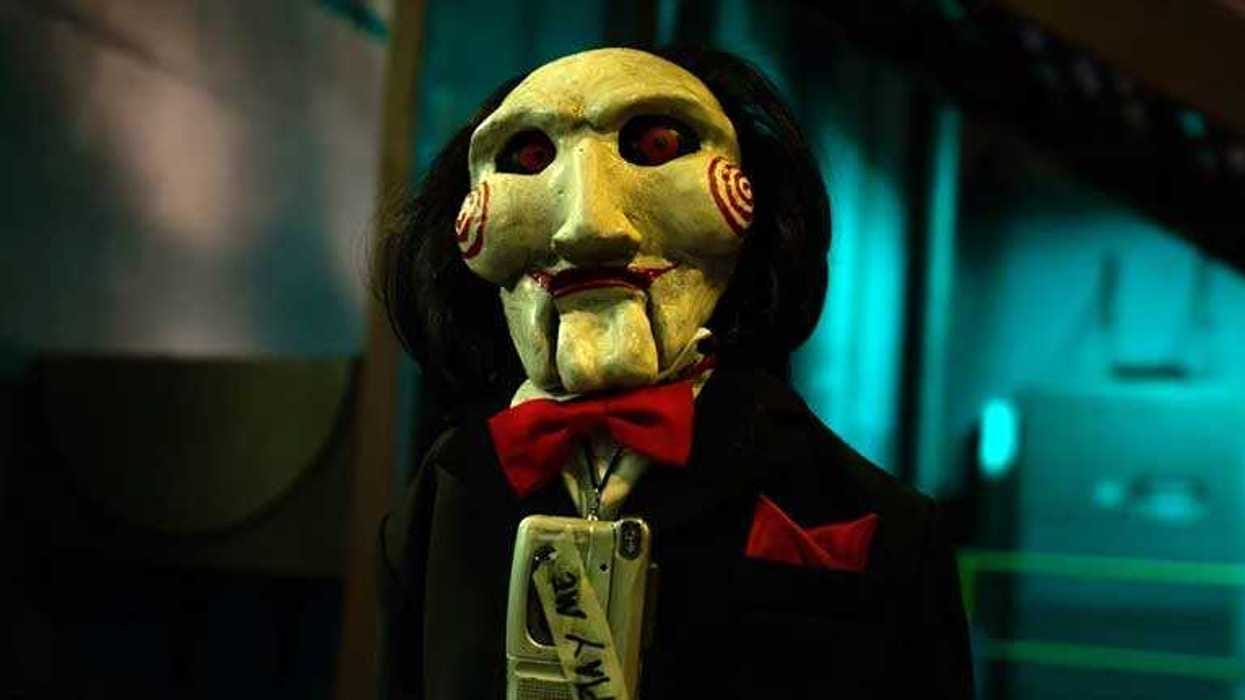
What happened AlterNet reports that director Kevin Greutert believes studios and financiers avoid explicit Trump-era political stories because they fear alienating “half of the American body politic.” He said that concern killed The Endorsement, a proposed horror film about a small-town journalist threatened by a politically motivated serial killer after persuading her newspaper to endorse Hillary Clinton in 2016. Greutert also said a planned version of Saw XI involving two mayoral candidates and an election-themed trap was abandoned when “a different approach was selected,” though he did not say political pressure caused that decision. He contrasted those experiences with Saw VI, whose attack on health-insurance power reached theaters in 2009 partly, he suggested, because producers had not anticipated how politically charged healthcare reform would become. In the interview, Greutert condemned the killing attributed to Luigi Mangione and rejected political violence. He also argued that horror can expose abusive power through stories of captivity, exploitation and helplessness, even when filmmakers avoid naming contemporary politicians directly. The veto belongs to capital The decisive actors here are not moviegoers imagined as two equally sized, permanently offended camps. They are studio executives, producers and financiers who control which scripts receive money, distribution and an audience. According to Greutert, those gatekeepers rejected The Endorsement because explicit political content might repel part of the market. That is not public censorship, and the interview does not establish government coercion behind the decision. It is private capital exercising cultural power through risk avoidance. The distinction matters. “Hollywood is shy” turns an institutional choice into a personality trait, as though an industry became bashful. Executives made—or declined to make—specific investments. Their caution protects revenue and access; its consequence is a narrower political imagination on screen. Neutrality for sale The demand not to “offend half” sounds like fairness only if every political subject is treated as an interchangeable consumer preference. A story about intimidation following a newspaper endorsement is not merely partisan branding. It concerns whether threats can punish political speech. Yet the financing logic Greutert describes converts that conflict into market segmentation. The aggressor, the target and the institution capable of protecting expression disappear into a spreadsheet labeled “controversy.” This is how commercial neutrality launders power: the powerful retain their capacity to intimidate, while artists are told that naming the conflict would itself be divisive. Ambiguity can produce excellent art. Greutert points to Invasion of the Body Snatchers and The Twilight Zone as works that used genre to approach politics indirectly. But creative indirection and compulsory evasiveness are not the same thing. One expands...
0:00SPEAKER_01You're listening to Systemic Error.
0:04SPEAKER_01The failure was designed.
0:19SPEAKER_00What happened?
0:20SPEAKER_00Alternet reports that director Kevin Grudit leaves studios
0:23SPEAKER_00and financiers avoid explicit Trump parapolitical stories
0:27SPEAKER_00because they fear alienating half of the American body politic.
0:30SPEAKER_00He said the concern tilled the endorsement,
0:32SPEAKER_00a proposed horror film Groutet also said a planned version
0:35SPEAKER_00of SOAR 411 involving two Merrill candidates and
0:49SPEAKER_00and an election-themed trap was abandoned when a different approach was selected,
0:53SPEAKER_00though he did not say political pressure caused the decision.
0:56SPEAKER_00He contrasted those experiences with Sarviye,
0:59SPEAKER_00whose attack on health insurance power reached theaters in 2009 partly,
1:03SPEAKER_00he suggested,
1:04SPEAKER_00because producers had not anticipated how politically charged health care reform