
Success & Happiness · Colin Durrant
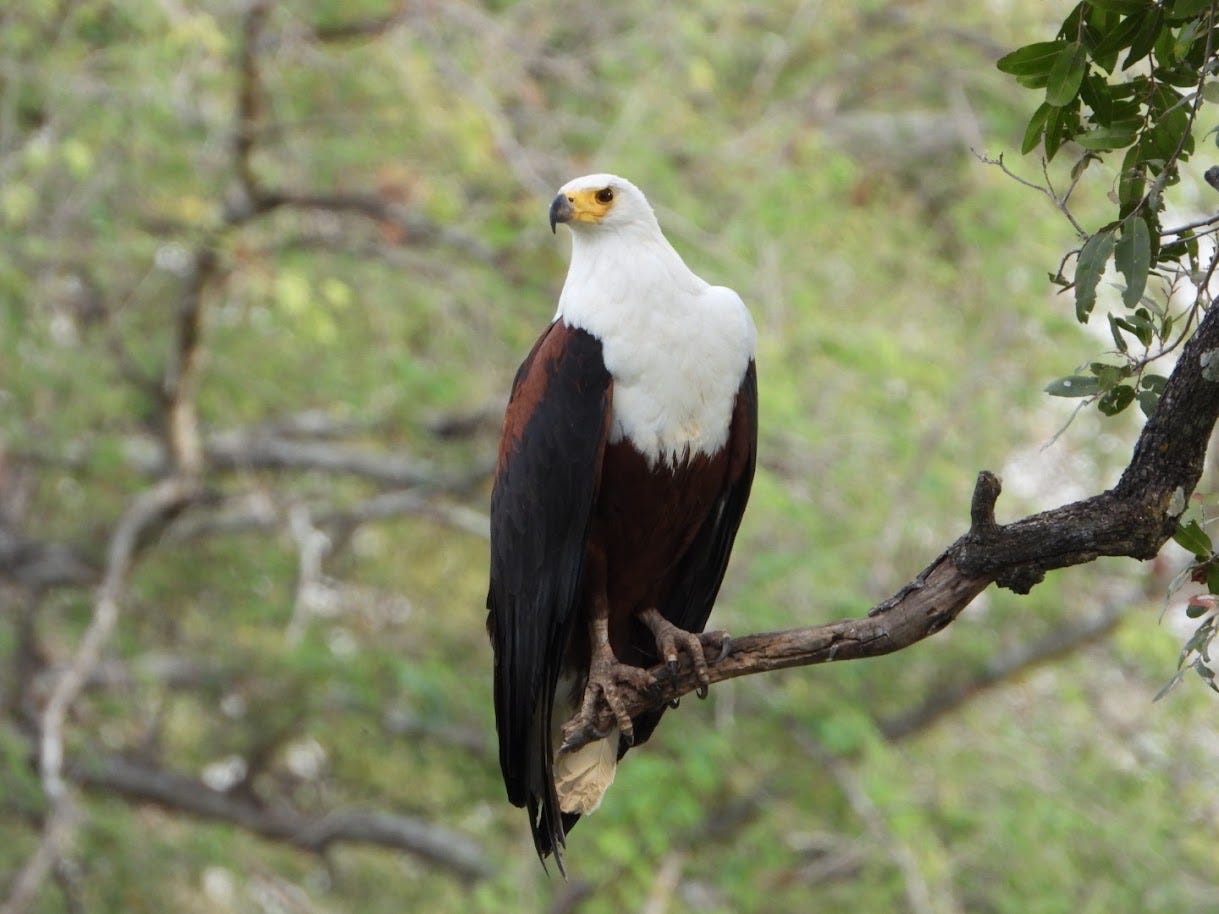
There’s a stretch of riverine forest in South Luangwa where the ebony trees are older than anyone can tell you. Their trunks are black and split with age, and if you stand under one long enough you start to hear how much is living inside it. Vervet monkeys crash through the upper branches. A fish eagle calls over the river, and somewhere downstream another answers it. Lower down, where the roots break the surface, there are hollows that house owls, bats, snakes, whatever has learned the tree will keep it safe. It took hundreds of years to build that. It takes one man and an axe an afternoon to take it down. Usually it isn’t cruelty. A family needs a field, and the forest is what’s standing where the field isn’t yet. Or evening comes and the pot needs to boil, and in a village with no power line for a hundred miles, a tree is the only fuel there is. So the axe goes in, and by nightfall there’s cleared ground, or a stack of firewood, where a hundred species had a home that morning. Maize or cassava will grow on the field next season. The fire will cook the evening meal and warm whoever sits beside it. Nobody doing it means harm. They’re feeding and warming their children the only way the ground and the forest in front of them allow. But the tree they took down was never just a tree. It was its own ecosystem, a whole country of lives stacked inside bark and branch and hollow. The monkeys lose the branch they slept in. The owls lose the hollow. Whatever fed on what the tree fed, in a chain nobody can fully trace, loses its place in the chain. One cut, and an entire small world goes quiet at once. And it doesn’t stop at the tree line. What’s happening under one ebony in South Luangwa is happening right now in the Amazon, in the Congo basin, in a hundred places none of us will ever walk through. A count published in the journal Nature put a number on it a decade ago: more than fifteen billion trees cut down worldwide every year, barely a third of them ever replanted. The latest satellite monitoring puts a single recent year’s loss at over twenty five million hectares, an area bigger than the whole of the United Kingdom, stripped from the earth’s surface in twelve months. Nobody sees it as one event, because it never happens all at once, in one place, where it could be filmed and grieved. It happens one tree, one family, one season at a time, and the sum of it reshapes the air the whole planet breathes. The local wound and the global one are the same wound. We’ve just never stood far back enough to see that. It isn’t only fields and firewood, either. Industry takes trees by the million, for reasons that feel just as ordinary from the inside, timber for houses, pulp for paper, cleared ground for factories and the roads built to reach them. None of it feels like destruction while it’s happening. It feels like building. It has always been this efficient, once we had the tools for it. A little over a hundred and fifty years ago, loggers in California...
0:01SPEAKER_00There's a stretch of riverine forest in South Luanga,
0:04SPEAKER_00where the ebony trees are older than anyone can tell you.
0:08SPEAKER_00Their trunks are black and split with age,
0:11SPEAKER_00and if you stand under one long enough,
0:13SPEAKER_00you start to hear how much is living inside it.
0:17SPEAKER_00Vervid monkeys crash through the upper branches,
0:19SPEAKER_00a fish eagle calls over the river, and somewhere downstream another answers it.
0:27SPEAKER_00Lower down, where the roots break the surface, there are hollows that house owls, bats, snakes.
0:33SPEAKER_00Whatever has learnt the tree will keep it safe.
0:37SPEAKER_00It took hundreds of years to build that.
0:40SPEAKER_00It takes one man and an axe, an afternoon, to take it down.
0:46SPEAKER_00Usually it isn't cruelty.
0:48SPEAKER_00A family needs a field and a forest is what's standing where the field isn't yet.
0:54SPEAKER_00Or evening comes and the pot needs to boil.
0:58SPEAKER_00And in a village with no power line for hundreds of miles, a tree is the only fuel there is.