
Success & Happiness · Colin Durrant
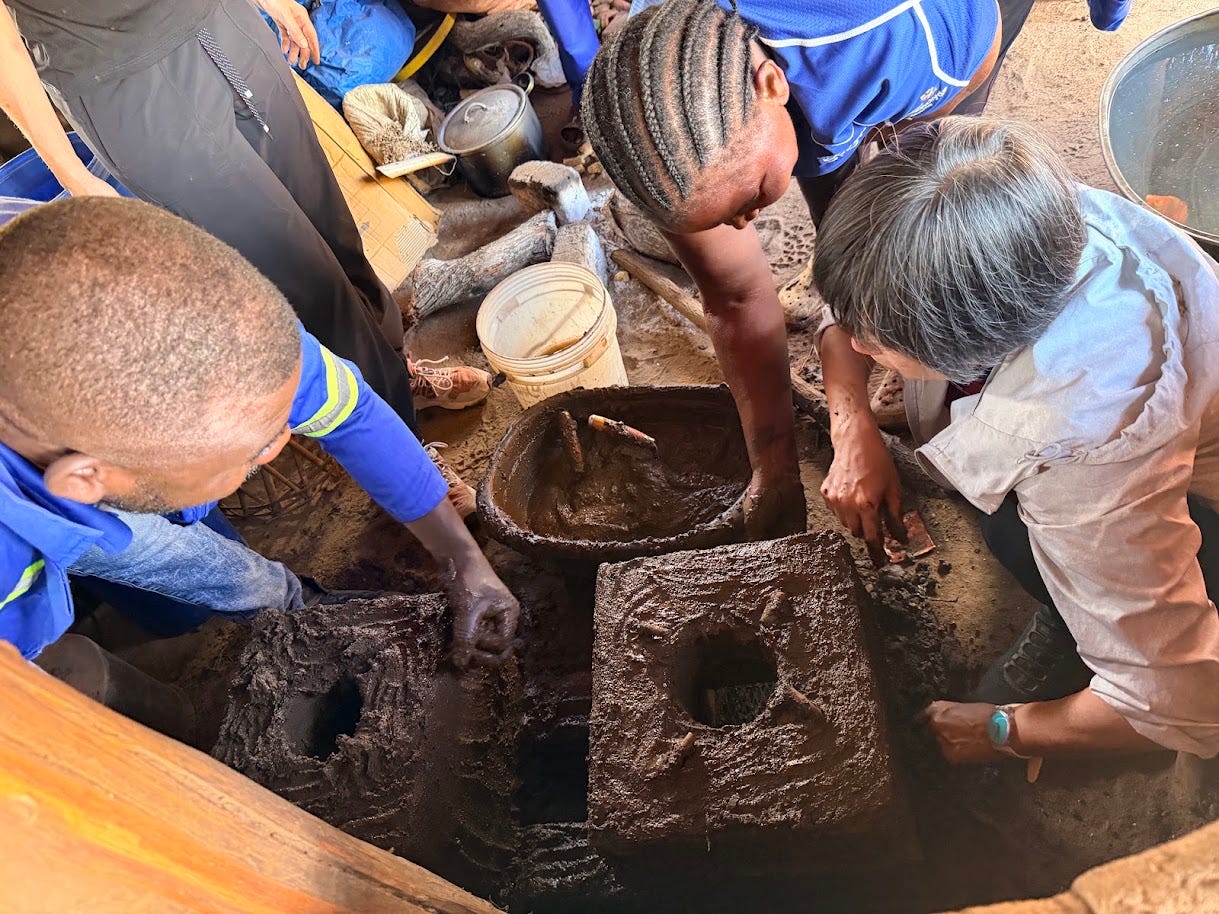
I have never been able to organise myself. Bills wait. Plans fall through my fingers before they become real. But when it came to getting on a plane with no route home and no idea what would happen once we landed, in a village in the Luangwa Valley we’d never seen, that was the easiest decision I’ve ever made. I know why now, though I didn’t then. For years I had been rehearsing disaster, bracing for the worst case scenario so it couldn’t catch me off guard. All that bracing did was build the very thing I feared, over and over, out of the fear itself. Somewhere in there, quietly, I started doing the opposite. I stopped rehearsing the crash landing and started acting as though everything would work out the way it was supposed to. I didn’t know if that was true. I only knew which version of myself I wanted to travel as. Before that shift, I carried something I don’t often say out loud. For years, more than I want to count, some part of me wanted to stop existing altogether. I’m not going to dress that up. It was there, and then, slowly, it wasn’t. We flew there for five weeks. I hadn’t taken two weeks off in years, let alone five. Whatever met us there, I decided in advance to meet it without flinching. And it held. I am a different person in Zambia. More present. More myself, if that makes sense, than I am anywhere else. One day we went deep into the villages to build eco stoves, simple things, mud and bits of metal, meant to save families from the smoke and the wood that is disappearing. Luciano was with us, showing us where to dig, how to pack the mud. I wasn’t guarded that morning, hands full of mud, nothing to prove or protect. Somewhere in the middle of that work, he started telling me about his brothers and sisters, most of them gone now, his father too, in ways that still didn’t sit right with him. Not natural. Not accidents. The only explanation that made any sense to him was dark witchcraft. Nothing else fits. He told me afterward that he doesn’t talk about this. Not to anyone. I think what I carried into that morning is what let him hand it to me. Not pity. Just space, and openness. By then, a group of thirty women were already coming to the centre to learn to read and write English. We used the classes, if I’m honest, as something close to a trial, and started trying to help with their wellbeing alongside the literacy lessons. We didn’t promise them anything for it. No money, no food, no jobs. Just an attempt to teach them something that might shift their mindset, and with it, their wellbeing. We spoke to them the way Luciano had spoken to me, plainly, about our own struggles, not performing openness but practicing it. And the door swung back the same way it had with him. Thirty women, and twenty-nine of them told us what they had lost. Husbands, children, years, safety, lack of food. Only one wasn’t ready yet, and no one asked her to be. Milika was one of the twenty-nine. She’s sixty-three. My husband died in 1995. I raised seven...
0:01SPEAKER_00I've never been able to organise myself.
0:03SPEAKER_00Bells wait.
0:05SPEAKER_00Plans through for my fingers before they become real.
0:08SPEAKER_00But when it came to getting on a plane with no route home
0:11SPEAKER_00and no idea what would happen once we landed,
0:14SPEAKER_00in the village in the Luanga Valley we'd never seen,
0:18SPEAKER_00that was the easiest decision I'd ever made.
0:21SPEAKER_00I'll now know why, though I didn't then.
0:24SPEAKER_00For years I'd been rehearsing disaster,
0:27SPEAKER_00bracing for the worst-case scenario, so it couldn't catch me off guard.
0:32SPEAKER_00All that bracing did was build the very thing I feared over and over out of the fear itself.
0:39SPEAKER_00Somewhere in there, quietly, I started to do the opposite.
0:44SPEAKER_00I stopped rehearsing the crash landing and started acting as
0:47SPEAKER_00though everything would work out just the way it was supposed to.
0:52SPEAKER_00I didn't know if that was true.