
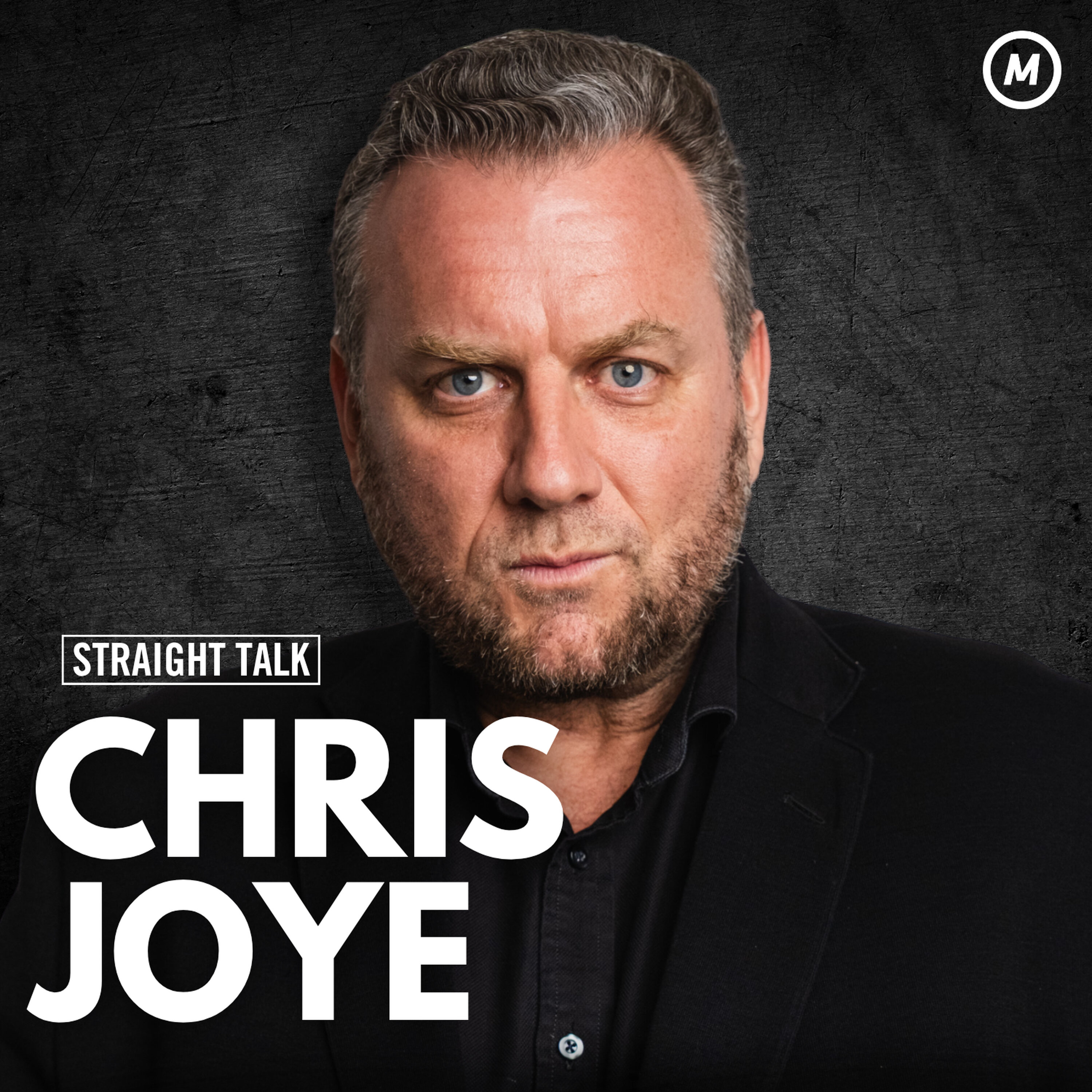
Straight Talk with Mark Bouris · Mentored.com.au
In this episode of Straight Talk, I sit down with economist Chris Joye for round five, a frank conversation about government spending, immigration, productivity and Australia’s economic future. Chris argues that Australia’s challenges run deeper than events in the Middle East. He examineswhat he describes as $660 billion in additional government debt since 2022, the pressure population growth is placing on housing and infrastructure, and an expanding public service alongside declining private sector productivity. He also questions the Reserve Bank’s “narrow path” strategy, whether political influence has shaped its approach to inflation, and the cost to Australian households. I then ask Chris what needs to change: how to rein in spending, lift productivity and get Australia’s economy back on track. Join my exclusive Mentored community: https://mentored.com.au Subscribe to the Mentored newsletter here: https://the-mentored-platform-pty-ltd.myklpages.com/l/WWJGc5 Executive Producer: Samuel Morgan Head of Production: Jonah Mclachlan
0:00Speaker 1Welcome to Straight Talk, Chris. Good to have you back, mate.
0:02Speaker 2It's good to be here, buddy.
0:04Speaker 1What a weird time it is. Is this structural change?
0:08Speaker 1Are we seeing structural change?
0:09Speaker 2Yeah, you bet. Like higher for longer rates, higher inflation,
0:14Speaker 2the battle between communities and politicians, you know, profligate spending
0:21Speaker 2and … Failures? Yeah. We're seeing, you know, huge increases
0:25Speaker 2in insolvencies. And that's the beginning, like huge. We've got
0:29Speaker 2record insolvencies in Australia and businesses are going to go bust.
0:35Speaker 2They are going bust. We're seeing, if you think about Sydney,
0:38Speaker 2house prices falling at an 18% annual rate right now.
0:42Speaker 2Our forecasts currently have the peak to trough fall in
0:45Speaker 2Sydney prices at 17%. But here's the rub, mate, as
0:48Speaker 2you would know, that's the 5 million person city average
0:52Speaker 2within the city on our numbers. Yeah. individual suburbs will