
Stories of a Faithful God: Deep Dive Bible Stories · Dave Whittingham
Jesus’ authority isn’t just a doctrine to admire — it’s the difference between fear and trust, death and life, exclusion and welcome. In this episode, we see that the same Jesus who teaches with authority also heals with compassion, commands creation, confronts evil, and forgives sin. Across these stories, the question keeps getting sharper: if Jesus has authority over sickness, storms, demons, and death, what kind of king is he — and what does that mean for the way we respond to him? The answer is both stunning and deeply personal. Jesus has the authority to heal what’s broken, forgive what’s sinful, and calm what’s out of control. He is not the kind of ruler who crushes the weak; he is the kind who draws near, touches the unclean, welcomes outsiders, and gives life where there was none.
0:00Speaker 0Good day. I'm Dave Whittingham. Welcome to stories of a faithful god. What's your experience with people in authority? Has it been largely positive?
0:12Speaker 0Mostly negative? When someone gets a position of authority, when they're going to have real power over things in your life, whether it's at work or in your family or in government or at a school, does that excite you? Does it terrify you somewhere in between? One obvious reply is, well, it depends on who the person is. You might be super excited that this particular person's been given authority.
0:38Speaker 0You're excited about all the good things they can do with their new power. A different person in the same position, though, could be terrifying. They could use that power to break and hurt and destroy. So who do you most trust to have power? The Bible claims astounding authority in Jesus.
1:02Speaker 0In fact, at the end of Matthew's gospel, we read that Jesus has authority over everything and everyone in heaven and on earth. And so we need to ask, a, does he actually have that authority? Does he have the right to rule over us? And, b, if he does have that authority, what will he do with it? Is it good for him to have that power or terrifying?
1:29Speaker 0Is he someone we can trust? Those are the questions we'll be answering as I present to you our next episode of stories of a faithful god. At the end of our last episode, the crowds around Jesus were amazed. They were astounded. Not because he'd just performed an astounding miracle.
2:14Speaker 0He'd just finished a long sermon to his disciples, and the crowds were listening in. They weren't amazed by the content of his preaching, even if we're amazed at Jesus' wisdom and clarity. No. They were amazed by how he taught, the fact that he taught with authority. He didn't refer to any greater authorities.
2:36Speaker 0He didn't rely on what other rabbis had said. He barely even quoted the Old Testament. Instead, as he completely reframed the entire Old Testament and the way God's people should live, the only authority he relied on was himself. Now that fits with everything Matthew's told us so far in his gospel about Jesus being God with us, the declaration from God that Jesus is his son, the miracles he's been performing and which prompted the crowd to come and check him out. And yet, for the people on the ground, teaching like this is astonishing, and it raises the question, does he actually have authority to teach like that?
3:21Speaker 0And if so, what's he gonna do with that authority? We don't really know if the crowds are excited or skeptical or angry or whatever. They do keep watching him, though, to see what happens. They follow him back down the mountain. As soon as he's back, a man with a skin disease comes and kneels in front of him.
3:44Speaker 0The translations usually call it leprosy, but the word can mean all sorts of skin diseases. What's significant, though, is what having a skin disease meant in the Jewish culture. Basically, it meant being shut out from God's temple and God's people. The Old Testament law used lots of symbols to point to a spiritual reality. One of those symbols was the idea of being ritually unclean.
4:13Speaker 0Skin disease made you ritually unclean, meaning you were banned from the temple until you became clean again, usually by ritual washing. In cases of disease, though, you had to live outside towns and cities until you were clean. It didn't mean that the sick person was more sinful than other people. Rather, it was a physical symbol or a sign to illustrate the problem of sin, that God and his people mustn't be contaminated by sin. Sin needs to be shut out.
4:48Speaker 0The man in front of Jesus asks him a remarkable question. In Matthew eight verse two, he asks, Lord, if you are willing, you can make me clean. It's remarkable for a couple of reasons. First, the man doesn't say if you are able, but Lord, if you are willing, you can make me clean. He actually assumes that Jesus can fix this problem of his uncleanness.
5:16Speaker 0The question isn't can he fix the man? It's is he happy to use his authority to fix the man? It's especially remarkable because what he's claiming of Jesus is even greater authority than the priests in the temple. It's the priests who look at skin disease and announce if someone is clean or unclean. But in a sense, they're just observers.
5:42Speaker 0They look at what's there, and they make a judgment call. They're not doctors. They can't fix anyone. This man believes that Jesus can fix his problem, not just the problem of being sick, but the problem of being cut off from God and his people. So is Jesus willing?
6:04Speaker 0Is he happy to use his authority to help this man? So many people in authority wouldn't. They might look down on him or feel he's not worth their time. In that religious world, they might tell him to not come near them so they don't become unclean with him. The life of this man hangs in the balance.
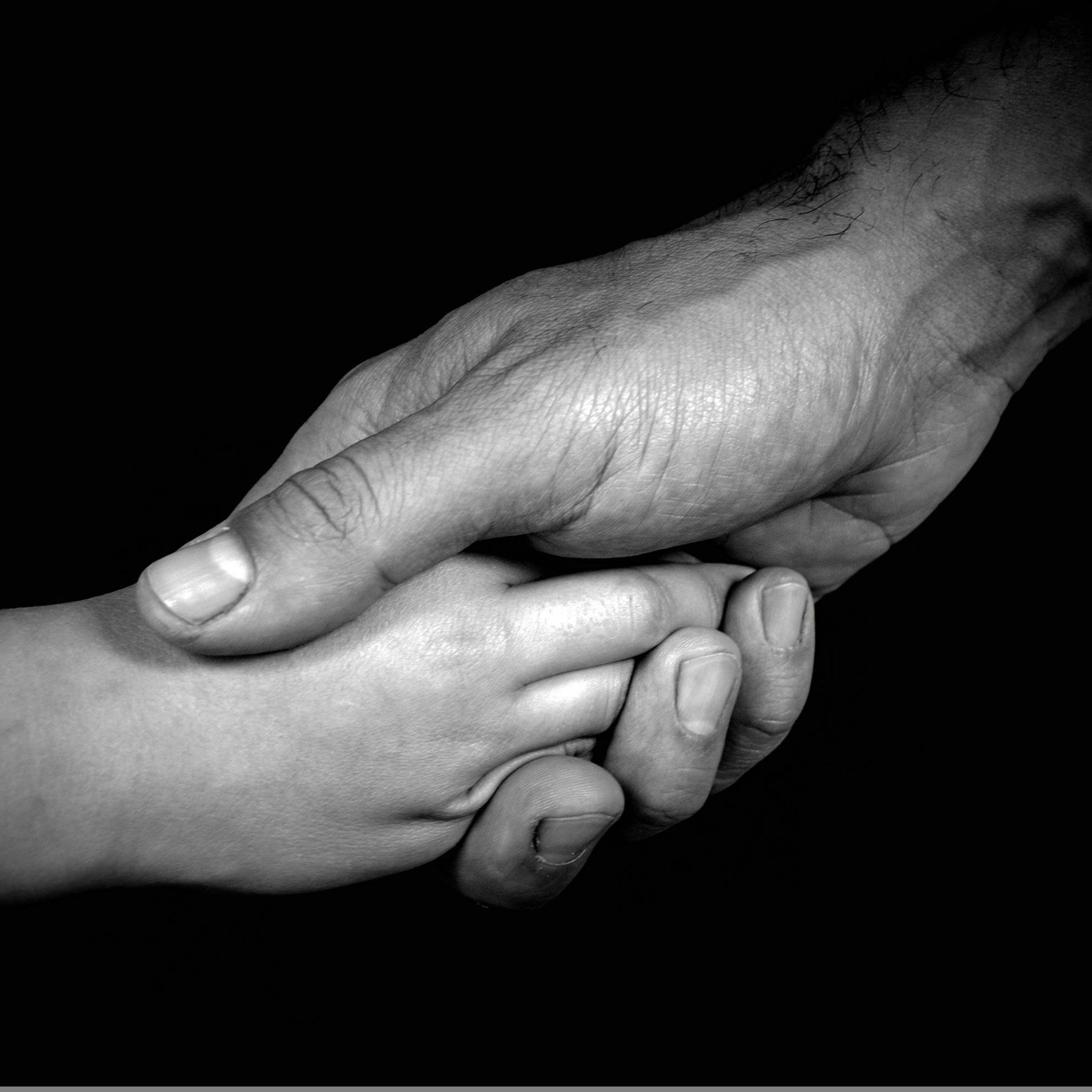
6:24Speaker 0The question of Jesus' character hangs in the balance. And then Jesus does something no one else there would be willing to do. He reaches out and touches the man. Normally, you don't do that because uncleanness passes from one person to another. If you touch someone unclean, you become unclean.
More Stories of a Faithful God: Deep Dive Bible Stories episodes →