
Spiritual Infinity · "Spiritual Infinity: Where stories of spiritual awakening inspire your own transformative journey, hosted by Zenzi Sewaah."
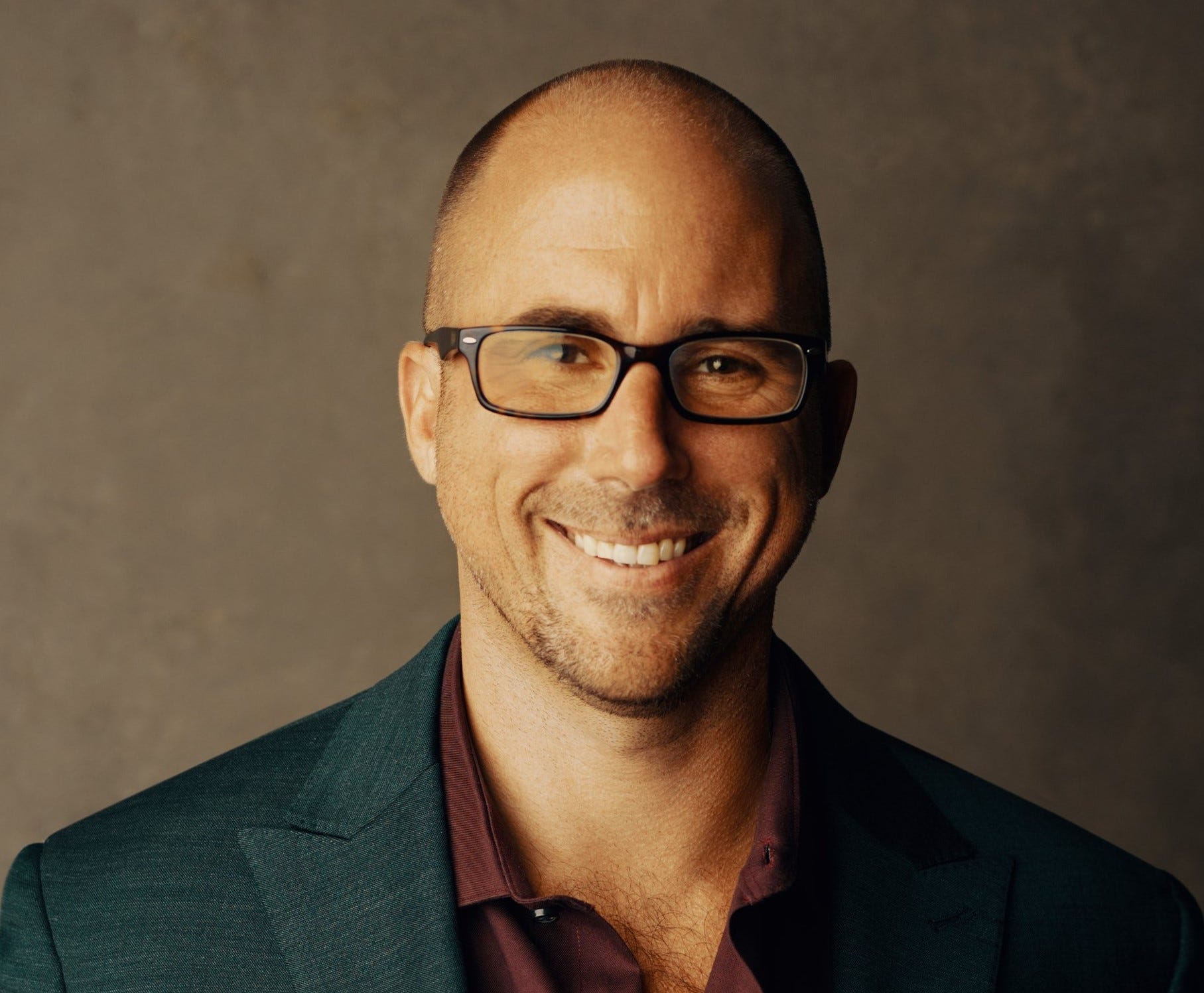
What happens when generations of men are taught to suppress their emotions, hide their pain and believe that asking for help is a sign of weakness? In this thought-provoking episode of Spiritual Infinity, I welcome Dr. Tyler Evans, a physician specializing in adult infectious diseases and addiction medicine, to explore the deeper causes of men’s mental health challenges, substance use, emotional isolation and suicide. Our conversation forms part of my continuing series on men’s trauma and emotional well-being, examining not only the suffering experienced by men but also the social conditioning that can prevent them from speaking openly about it. Dr. Evans brings a particularly valuable perspective. His experience spans clinical medicine, public health, vulnerable communities and healthcare systems. Rather than viewing men’s mental health as an isolated medical problem, he encourages us to examine how childhood experiences, cultural expectations, poverty, relationships and access to care interact throughout a person’s life. Where the Silence Begins We begin by exploring the messages boys receive from childhood. Expressions such as man up, toughen up and boys don’t cry may appear harmless, but Dr. Evans explains how repeated emotional restriction can influence the way boys understand and respond to distress. He discusses adverse childhood experiences, commonly known as ACEs, and how unresolved emotional difficulties may sometimes emerge through anger, behavioral problems, difficulties at school or withdrawal rather than through openly expressed sadness. We also consider the importance of looking beyond a child’s behavior to understand what may be happening emotionally. Dr. Evans raises concerns about situations in which distress may be overlooked or interpreted too narrowly through a medical lens. The conversation is not about dismissing legitimate diagnoses or treatment. It is about recognizing that children need to be understood as whole human beings, with emotional, family and social experiences that deserve attention. A central question emerges: Are we teaching boys how to become emotionally healthy adults, or simply teaching them how to conceal their suffering? A Crisis That Crosses Cultures Dr. Evans explains that restrictive expectations of masculinity are not confined to one race, nationality or community. Drawing on his work internationally, including in sub-Saharan Africa, he describes similar patterns across different cultural settings. Although the details vary, boys and men may repeatedly encounter expectations that discourage vulnerability and emotional expression. We discuss the serious differences between men’s and women’s experiences of suicide, including the higher rates of suicide deaths among men in many populations. Dr. Evans also highlights the particular vulnerabilities of young people whose sexual orientation or gender identity is rejected or stigmatized. These experiences remind us that emotional suffering cannot be...
0:03SPEAKER_01Good afternoon everyone and welcome to this episode of Spiritual Infinity and
0:07SPEAKER_01as you know I'm doing a series on men's mental health,
0:11SPEAKER_01men's trauma because unfortunately men's suicidal rate and addiction is on
0:19SPEAKER_01the increase and that's not good and we need to find out why,
0:24SPEAKER_01we need to find out how we can help our men to talk
0:27SPEAKER_01Because they've been brought up most likely in many families to not cry,
0:32SPEAKER_01not express their feelings.
0:34SPEAKER_01And maybe in relationship they're supposed to be the man
0:38SPEAKER_01and they're not doing what they're supposed to do.
0:40SPEAKER_01And we need to ask why.
0:42SPEAKER_01We need to have these conversations and not judge.
0:45SPEAKER_01So my guest today is Tyler Evans.
0:49SPEAKER_01He's a doctor.
0:49SPEAKER_01He's a doctor of addiction medicine, plus other things, which he's going to talk about.
0:55SPEAKER_01But as I said, it is about men's trauma.