
Spiritual Infinity · "Spiritual Infinity: Where stories of spiritual awakening inspire your own transformative journey, hosted by Zenzi Sewaah."
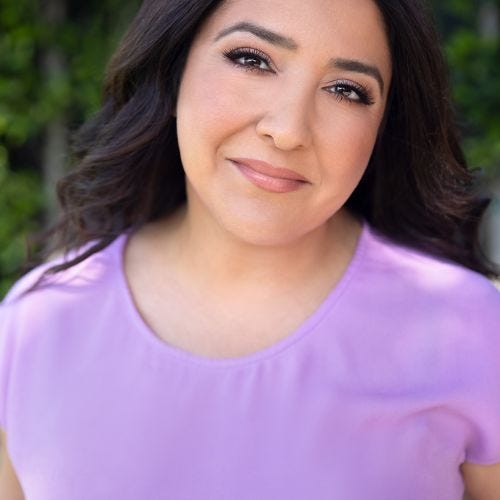
For generations, boys have been taught to be strong, independent and resilient. They have been told not to cry, not to complain and, too often, not to reveal vulnerability. But what happens when those boys become men and encounter divorce, loneliness, financial pressure, fatherhood, rejection, grief or a life that simply does not unfold as expected? In this episode of Spiritual Infinity, I speak with Dr Teyhou Smyth, a clinical counselor with around 15 years’ experience in mental health, whose work includes relationships and attachment, addiction, clinical supervision and extensive work with male clients. transcript_2026-09-29T20_17_19.… Our conversation examines men’s mental health not simply as a male problem, but as a human problem—one that families, partners and communities all have a part in addressing. Dr Smyth explains that she once saw predominantly women in her private practice. Today, the balance has shifted and she works primarily with men. Through her clinical work, including years spent working in addiction settings and facilitating male support groups, she began noticing something repeatedly: men who appeared very different on the surface were often carrying remarkably similar experiences of loneliness, isolation and disconnection. transcript_2026-09-29T20_17_19.… One of the most fascinating parts of our conversation is Dr Smyth’s distinction between the challenges facing different generations of men. Young men are trying to understand themselves in a world transformed by dating apps, pornography, social media, changing relationship expectations and shifting definitions of masculinity. Dr Smyth sees many struggling with identity, social anxiety, relationships and a lack of meaningful mentorship. Then there are men in the middle years. Some have married and divorced. Some are negotiating co-parenting, beginning relationships again or dealing with financial pressures. Some feel that the life they were told to build has disappeared beneath them. And because many were raised to derive identity from being the provider, husband or father, the loss or disruption of those roles can leave an enormous emotional vacuum. Older men face another transition. Many grew up in an era in which emotional difficulties were rarely discussed openly. The message was often simply: get on with it. But surviving something does not necessarily mean we have healed from it. Unresolved patterns can pass quietly from one generation to another—not because parents deliberately intend to harm their children, but because we often parent from what we ourselves were taught. This is why we must look again at how we raise our boys. If a little girl cries, we may comfort her. When a little boy cries, how quickly do we tell him to toughen up? If we repeatedly teach boys that vulnerability is weakness, we cannot be surprised when adult men struggle to articulate fear, sadness, loneliness or emotional pain. Then, when relationships require emotional intimacy, we ask those...
0:02SPEAKER_00Good afternoon, everyone, and hello, and hello today to my Spiritual Infinity podcast.
0:09SPEAKER_00And today,
0:11SPEAKER_00we have somebody who's from America,
0:12SPEAKER_00but she's in London at the moment, so we're carrying the same time, which is good.
0:17SPEAKER_00It's Dr. Tehu Smythe, and she's a clinical counsellor, amongst other things.
0:23SPEAKER_00She has other titles.
0:24SPEAKER_00But as you know, today we're talking about men's mental health.
0:28SPEAKER_00It's a subject that's That's really resonating with me
0:33SPEAKER_00and making me feel uncomfortable that men's suicide rates are increasing
0:39SPEAKER_00and they are the highest abuses of substances.
0:45SPEAKER_00And that's not good.
0:48SPEAKER_00And there must be a reason for everything.
0:50SPEAKER_00We don't do things for the fun of it.
0:52SPEAKER_00We don't commit suicide for the fun of it.
0:55SPEAKER_00We don't take substances for the fun of it.