
Sound Connections · Amplitude Ventures
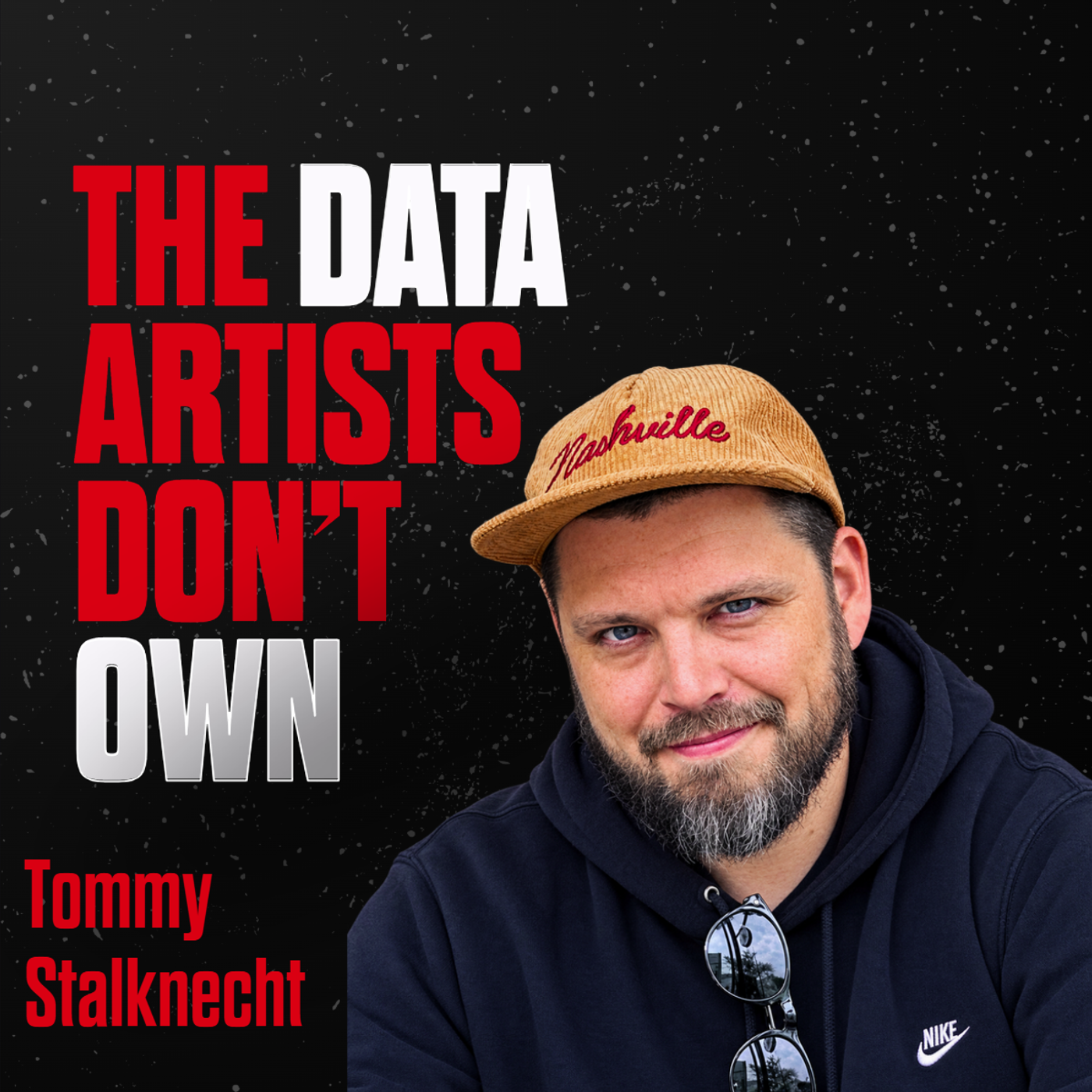
Artists can have millions of listeners, ticket buyers, and fans, yet still have limited visibility into who those people are. In this episode of Sound Connections, Jakob Wredstrøm speaks with Tommy Stalknecht, founder and CEO of Single Music, about the infrastructure connecting music, e-commerce, chart reporting, fan communities, and direct-to-fan experiences. Tommy shares how Single started by solving a specific reporting problem between Shopify and the music industry, then expanded into a broader B2B platform supporting digital music, video, communities, and commerce for artists, labels, and merchandise companies. Tommy also discusses the realities of the superfan economy, the balance between fan engagement and monetization, privacy and consent, and how communities can support everything from fan relationships to decisions about where an artist should tour. A practical conversation about music commerce, infrastructure, data ownership, and building technology that stays behind the artist rather than competing for the fan’s attention. Produced by Amplitude Ventures AS.
speaker-0: The reason why they became a fan of your became a fan of you in the first place wasn't because of your t shirt designs, it was because of the music around that the t shirt represents to them in terms of being a fan of your art. So the like the lines that are being blurred between where say content or access to the artist and then commerce are, that's kind of what we're talking about in terms of like falling down. speaker-1: This podcast is produced by Amplitude Ventures, your partner in early stage startups. Today on Sound Connections, Tommy Stocknecht, founder of Single Music, joins us to unpack the super fan economy, why artists know surprisingly little about their customers, how first-party data can strengthen fan relationships, and how direct-to-fan commerce could reshape the music business. Hey Tommy, welcome to the podcast. Okay, we'll we'll have a conversation today. ⁓ but first ⁓ we need to set the scene. So Tommy, for the people who don't know you, who are you and what do you do? speaker-0: Yeah, thank you for having me. ⁓ yeah, Tommy Stalnek. I'm the founder and CEO of Single Music. The shortest answer is that we're the music app for Shopify. What that means in practice, though, is ⁓ we are one of the main things that we do is we're the pipeline between Shopify and various chart partners around the globe, like ⁓ Illuminate for Billboard, OCC, ARIA, ⁓ and some other ones that are on the way. But at the core of it is it's anything that shapy doesn't offer to music, we try to fill in those gaps to make sure that it works for music. For artists, labels, and merch companies. speaker-1: So obviously you've you've ⁓ done significant work ⁓ and is definitely the leading ⁓ player in that specific space. ⁓ but for the people who still don't understand exactly what all that means, like what practically is it that you do and help with in in that context? speaker-0: Yeah, for sure. So if you go to an artist's storefront online, like at their website, and you were to buy ⁓ a vinyl or a CD or something like that, or a digital copy, we'll also handle that part of it too. But ⁓ if you were to buy a physical copy of an album, there is a forty-three percent chance we are the reporter for that to luminate to count on the billboard charts. So if they were selling physical formats through their storefronts and they were not reporting it, that's millions of units that they would otherwise. ⁓ not have counted or they would have to self report, which can be very cumbersome to do so. speaker-1: Mm-hmm. And and what's the importance of that work? Like why is it important what you do? speaker-0: Well, there's that comes into the why are thing why is Luminate important, why are the charts important, that kind of stuff. And so that gets into kind of two main factors. So Billboard itself is obviously a driver for ⁓ I mean it shows a successful record and a lot of teams derive like their their budgets and things like that and like the way that you're able to get onto specific tours and stuff like that. That there is a definite value in the billboard charts. And then Luminate itself, because they are selling their services to people that need to extract kind of analytics and data across the entire industry. Being able to see what volumes and things are being sold is a a service that they're able to provide to people that are trying to value catalogs or to labels and things like that to see what trends are working or what's not. So we kind of act as the middleman on that side of things. There's other pieces of what we do. We kind of have two parts that we look at our business as ⁓ kind of broken into one is this enterprise. I mean, we do a significant scale or a significant portion of that reporting, but that's one part of our business. And then the other half of it we call fan activation. So it's the how do we drive more traffic into the e-commerce experience. So that way you can sell more records, sell more t-shirts, that kind of stuff using content and communities and all that. So that's kind of our mental splits internally is between those two things. speaker-1: Hmm. So this is a especially the reporting thing is is a very specific ⁓ so try to s explain to me how you got into this. speaker-0: Very B to B. Yeah, definitely. So the short version was I was working at a company. So my job before I started this one was a digital agency that was handling websites, stores, fan clubs, that kind of stuff for I'm based in Nashville. So a fair amount of legacy country artists. So by the time I was done there, I was overseeing about like five hundred, I think, artists' websites. And when I was there, they were moving from a proprietary system to Shopify. And this was before people knew what Shopify was, and I heard My the team that I was working with was having struggles getting their sound scan to report, sound scan reporting. So that was what it was called at the time when it was owned by Nielsen. And so when I overheard that, I was sounds like a data problem. We can't be the only ones that are having this. So put up a splash page that just said we're building sound scan reporting for Shopify. And we had ⁓ a lot of inbound requests from some some names you would know, ⁓ major labels, that kind thing. And so we kind of knew that there was a market there for it. And what I also realized is that. When so in twenty fifteen already I would go down the line of the Hot One Hundred and just kind of when my wife was watching like the Bachelorette and stuff and I would just mark down, be like, okay, where is ⁓ who is the artist, like with the position, who's the artist, what platform is their storefront built on and who built it? And already in twenty fifteen, seventy-five percent of the hot one hundred was on Shopify and nobody had built a music app yet. So the I enlisted the help of my college roommate, best friend Taylor O'Connor. ⁓ so he is my co-founder and He did the back end engineering. I did the front end engineering. And so we launched it in 2018, January of 2018. ⁓ and that was our first product was being able to sell digital albums directly through a storefront. That's where the name single came from. You could sell individual tracks ⁓ at the time. And then ⁓ we few weeks later added in the ability to report physical units through that too, because we saw that the the interest in us building those automations was there. And so that's kind of just what led it on the path, was just seeing that. ⁓ seeing the the whole the Shopify had and then starting there. speaker-1: So ⁓ did did you did you inherently understand there was a business opportunity here? Like, you know, one thing is that okay, there is a lot of assets using Shopify, but there's no sort of layer. But how did you know that you can make money on this? Was that through the agency work? speaker-0: Do agency work. I mean, if when you're looking at the market of the artists that are already kind of using it, then you're kind of saying, okay, if we see that these artists are on there and we figure out the value proposition correctly, then we know that there's a gap here of these companies needing the tool so they can better serve their customer, which is the artist. So it's it's a B2B product for sure, ⁓ at least at the beginning. And so the that core concept of Okay, we see that there's these fifteen companies they're running on Shopify. Many of them have submitted an inbound lead for we need this service ⁓ to exist. So putting two and two together, that was the impetus of saying, Okay, yeah, there's probably something here and just let's just give it a shot. speaker-1: Excuse my ignorance, ⁓ it might be because I'm I'm from the Nordics. But where did you say you posted this sort of whiblitting this? Splash, you said? speaker-0: splash page. Yeah, just put up a a web page that had that on there and then sent out some cold emails to the other merch companies. Cause the difference being was like since I worked for a merch company or like I worked in in conjunction with one that I knew the other ones that existed. So I just sent e cold emails to them and said hey I'm leaving set company and then I'm gonna go start this thing and we're gonna like I don't even know if we had a name for it yet but we're gonna call it single. I think it's at that that point. And ⁓ yeah so there was a just sent sent that out and said, hey if you're interested go just join this list so a waiting list or whatever and we got a bunch of entries speaker-1: But again, so so when you when you sent this out, you were already leaving the company. Like how did you know that this is, you know, a big enough opportunity to leave my safe job and start a company? Because the the request was came afterwards, right? speaker-0: Yeah, I mean I quit for two years before we actually launched it. ⁓ the I don't know if I'd ever like ⁓ my mi my mentality around just being freelance and doing my own thing is a little bit different than I guess. So my risk tolerance is quite high. So I just quit my job in twenty sixteen. In February of twenty sixteen we launched publicly in twenty eighteen. So in between that gap, I just freelance building artist websites and Actually, so there was a company at the time that doesn't exist anymore, but I got really lucky because it probably wouldn't exist anymore. But the idea was they would do Zoom calls. So this is before I worked at an agency, I ⁓ doing like account management and eventually look leading the product development on that side. I was in I worked at an Apple store. So I worked like fixing iPhones that parlayed into this job. And then that job for the two years in between when we were trying to we were building ⁓ the initial version of single. There was a company called Sixty, which they did like webcam like this. They just did Zoom based ⁓ tech support for Squarespace and Shopify stores. So they would pay you by the minute to like go in. So I would literally just code in front of people and they're like, Well, I want it to look like this. And I was like, Okay. So I just do front end development in front of them while they were like critiquing in real time. So we're just having conversation. So it was great. And then they would just pay me by the minute. And then I actually made some ⁓ okay money doing that. ⁓ That kind of didn't end up panning out. And I think that they would have had a tough time in the long run with things like Fiverr and stuff. But the fact that it was like a live you're on the phone with the person was a perfect hybrid of here's like a genius bar appointment and here's an online thing and and completely webcam based. And then so like leading into pandemic and stuff, I was very Zoom tolerant and things like that before it. speaker-1: ⁓ that okay, that's that's really interesting. So you launched this in 2018 and there's sort of an underpressure in the market and people say we want this. How quickly could you actually deploy this? And this made sense? ⁓ because when you say you do reporting to to illuminate, like you obviously need to reach some sort of scale before you can sell those services and reporting. speaker-0: Yeah, well at the time it was with Nielsen and so there I went to that team and said, Hey, there's and kind of explained both sides of the marketplace. So I went to Nielsen and said, You've got however many at the time, different independent merch companies that are selling on behalf of artists and ⁓ they all have kind of disjointed reporting and they're ⁓ one person on the team every Friday was the one that would go and create CSVs and turn them into pipe files and then send them over. So I was selling to the merge companies their time back because you're saying, hey, that Jim that's from the warehouse that's doing all of this every Friday for eight hours, you're gonna get his entire time back and it's gonna be automated. And then on the Nielsen side and ⁓ subsequently Luminate, we was basically saying, Hey, we having a centralized place is that if if there are issues with a particular rule or if we need to add in checks or things like that. based on that, then you only have to change it in one place. And then it gives kind of a a a level of independence in between the two. I was like this independent arbiter that's like sitting in between these things. And so it's added to like ups and downs in terms of just different things and artists doing funny things with our systems. And I think we've come to a good place with it. But like for the most part, it's mostly just been ⁓ yeah. Us trying to fill that gap and then act as this kind of ⁓ a one stop shop to make it a little bit easier to do this stuff. speaker-1: Hm. So, you know, there's I I spent a lot of time trying to understand where are the opportunities in music tech. And one of the things that I consistently see, which is sort of these very smart, I would almost call them niche, ⁓ middleware companies or infrastructure companies, intersectional companies. So s why is this such an attractive model in general, in your your opinion? speaker-0: I mean, I think that if you're solving a very specific problem, then from the business perspective is that it gives us ⁓ a a good position to say, okay, this is our vendor that does this particular thing. And then we kind of expand upon that. And we can get into the other things that single has started to do, but I mean, started to do it's six years on to adding video and stuff because we did the the live streams during the pandemic or whatever, but we'll get into all that. But the your point is is like, You're solving a really core business problem that's saying, okay, this is a thing that has to be done, then all the other stuff kind of becomes marketing on top of something that is a core business for you. And so we just take it very seriously to be able to do those things at scale and ⁓ gain the trust of our our customers and users to say that okay, like if something happens, then we've done the best of our ability to make sure that everything that we can get to count will count, but also within have to maintain the trust that We're not doing anything nefarious to try to help any one artist over the other. Most like in the same vein of where that would be we've consider ourselves partners on the Illuminate side of things or they're they're a great team. We like them and we don't want to do anything that would justif ⁓ that would ⁓ harm that the trust on that side of things. But on the other side of it too is that if we're reporting for the two albums that are vying for whatever position that week, we don't want to be seen as providing any sort of favoritism to one over the other either. So we're kind of in this position of Switzerland to where I'm I'm okay if people get mad at me just so long as everybody thinks that we did it fairly. speaker-1: Yeah. So you explained that you had a different model as well where you're sort of ⁓ help marketing and and selling this. ⁓ so I guess more top of funnel, or like how does your ⁓ exposure part of your business wor ⁓ work? speaker-0: Well, I mean, the challenge in direct to consumer to begin with is how do you get people into the storefront. And that's not necessarily something that w ⁓ single solves because the top of funnel is gonna be social channels and things like that. The the bigger piece that we see all right, so it was tw twenty twenty. We had ⁓ a gentleman that was working with us at the time and he ⁓ was taking meetings with other companies that were doing live streaming and he came to me and said, Hey, this is something that we could probably do. And so, ⁓ All credit ⁓ on that side. And so the we built out a prototype three days, had a a show that weekend, and then started offering live streaming on top of Shopify. ⁓ much like a lot of the companies. Like kind of the big thing was when I saw that there was 50 different companies that all spun up at the same time to do live streaming around the pandemic, then I was like, okay, then the the technology around it is commoditized. The difference was is that like we didn't raise any capital to do that because technology was commoditized. Like I just knew that whenever this thing ended that it was not gonna do well for the people that raised a bunch of capital to do it. So anyway, point is is we started on that side and then added in these services to be able to say, look, if you buy you can buy access to a piece of digital content, ⁓ you can buy a t shirt or a physical product to give you access to the same piece of content. So effectively bundling, what generated a lot of revenue for artists, ⁓ And then we eventually added in things like okay, if it's a pre-recorded live stream versus a live stream, if it's a piece of on like on demand content, so then you you basically turn it into T Vod rentals. So the idea that's kind of the idea. So okay, let's evolve that technology so it'll do more things. So at that point, single had the ability to sell digital music directly to a fan, directly through an artist storefront, and then we had the ability to do digital video directly to a fan through an artist storefront. And so what we started going down the progression and We'll continue and I don't wanna ⁓ have a a super long winded answer, but the added in audio, add it in video, and then we just continue to start layering on okay, how do you access those things? And that's kind of the phase that we're in speaker-1: So so to some degree also like the reporting you started with, you built a new category in that reporting as well? Like like because you know, w how do you do with with competitors that are sort of doing the same thing and and you still need to deliver this data? Is that you one piece of the consolidated data or like how does that sort of dynamic work? speaker-0: I mean, there's a lot of competitors. I just think that the a lot of our c competition ⁓ comp is technically competing with Shopify, not with single. And so the challenge that you have at that point is you have to figure out how to compete with a two hundred dollar two hundred billion dollar e commerce platform. And then we fill in to say, Okay, well yeah, it's a they've got all the things that you need for fulfillment and At an end like a really high s big scale, these they have all of that stuff. That's why everybody integrates with them for the commerce portion of it. And then you just say, okay, fine, we'll exist behind it. So for us, we get to focus on very specific things, which is what does Shopify not do natively and what can we do better, even if they do do it natively? And then the but from ⁓ the overarching side of things is that they never have to leave the same website. Or web store or what their current tech stack is in order to achieve that. They're basically just having like they can install single to augment and bring those extra technologies into it. speaker-1: Yeah one of the things we talked about before we were recording was ⁓ how the industry is moving on this. And and you mentioned something that I found quite interesting, which is the consolidation of these platforms and workflows. Try to explain what you see in the market right now. speaker-0: Well, more and more the artists the the labels are buying more of the merge companies and so they're consolidating more of the ⁓ operations portion of the commerce side of things. So less doing things like 360 deals and more saying, okay, well, we have a merge company that can provide you with better deals and stuff like that. So it's it's a little bit different, but and better for the artists, but and more freedom on the merge companies, but they have a s a skin in the game when it comes to the actual like vendor for that side. So a lot of what the labels are looking at doing and This is not knowledge that is hidden. It's public. You can go and see in their ⁓ filings and the things that they say publicly that direct to consumer is becoming more and more important to them. The challenge then becomes how do you ⁓ take direct to consumer and and really have that be your core pillar rather than it being an afterthought? So a lot of one and the simplest way to think about that is that they're starting to have less and less separation between like a website and a web store. They're just saying, okay, the web store is the website. Because what is a website for an artist? It's tour listings and then your most recent release and a link to your store. And so the challenge in that scenario is you're basically saying, Okay, we're gonna put a funnel everybody to the tour side of things and then hope that they click on the store link because they suddenly have the urge to buy something where sh funneling everybody into a quote unquote store, which is like Shopify's just s like any other ⁓ website building platform. You just build you could build a like singles website doesn't sell anything and it's built on Shopify because it's one the most performant website platforms that exists. And obviously we have an integration there. But point is is that you don't have to have these separate things because there's also tons of data that shows that ⁓ traffic to an artist's website can be an order of magnitude more than the traffic to the storefront. So that way they're landing on the site to see tour dates and then they just leave. So my mantra or what trying to explain and and is starting to be ⁓ more championed internally at the labels is okay make everybody exit through the gift shop. When they land on the website, the website is the store and so they have to go through a row of merchandise or they go through a row of records before they get to the tour dates. And then that leads into the things that we're trying to do around okay, how do we drive more traffic to that storefront through activations like live streams and fan clubs, communities, that kind of stuff. speaker-1: Hmm. Well it sounds very logical when you say it. my question is why why has this not been the stand up before? Like there's there's a lot of brilliant companies out there that are creating these very separate standalone ⁓ fan monetization opportunities. ⁓ some work better than others. But you know, what you're describing is, you know, usual one on one app sell something. ⁓ but why has that been prevalent in in music in general before now? speaker-0: ⁓ I think it comes down to can who controls some of the like we're in a very our our business is weird because I don't mean me, I mean like the industry as a whole, because the rights to the domain, the website might be different to the rights to the merchandise might be different to the rights to something else. And so for a long time you've had these operational inefficiencies like, okay, management wants to have a us a website here and they don't want to have the merch company have control over the website, which is it's all the same. At the end of the day. And so you have the way that I try to explain it ⁓ is that a lot of egos get in the way of things being able to be simplified. And so you they don't want to they want to have this piece here. We we've had this longstanding portion of the business that does the web development. And so we have like a web division. And so that person doesn't see the reason why they would do the consolidation. But at the same time, is that the point of the consolidation is so you can generate more revenue, which benefits everybody. And they're not saying that your engineers can't build stuff on top of Shopify. I like so that's the that kind of thing. So the like fortunately though, the from the outside looking in the powers that be at a lot of these places are starting to say, no, that doesn't make any sense. A, it's a cost saving measure. The it doesn't make a lot of sense why you would have like WordPress sites don't cost you that much, but if you're still already going to be paying for the other thing, then you're just adding in additional cost by and bifurcating your data for w worse outcomes. Which doesn't make any sense. speaker-1: Hm. Well, yeah, ⁓ you know, that there's a very big story behind the sort of consolidation and performance being a public listed company, which a lot of the majors are they need to financially perform, they need to make money, spend less money. but also there's sort of the internal dynamics between the power of independence or larger independence and and the majors. So I I guess all of this plays in together. ⁓ do do you know if there's like There is a significant example of the East and how they've done it that sort of inspires this movement. ⁓ let's say Korea or other markets there where, you know, the fan engagement has been much more prevalent. And I can also imagine the data there has maybe been more advanced. speaker-0: ⁓ yes and no. I mean the on on the east, our our data from the comes from the eastern markets is different because we don't report our main markets or Western markets. So to be clear on that side of things. So our main territories are US, Canada, France, Ireland, UK, Australia, and Italy. And we have plans for additional European territories. And then I would love to move into Japan and ⁓ Korea at some point in the future. But anyway, so coming from a a lack of data. side of things. So but what I can say that is starting to move to our side of the the world is more things like smart media and the I well it's I I'm using the actual technical term as derived by illuminate. As of next month, you will have a new physical format of that is chart eligible in the United States. And so things like ⁓ which is largely driven out of K pop and those K pop the businesses that started over ⁓ overseas are are moving over here where you can have a A physical copy of the record that is consumed digitally. So you're scanning something, you're consuming it on your phone, but if you don't have that physical thing, it's kind of like when you have a video game and you download it onto your your thing, but if you don't put it in, then it's not gonna do anything. So that's kind of like the main challenge right now. So there's kind of shifting that stuff in. So that's one of the bigger ones that I see. And then obviously there's the physical side of just traditional media like CDs and vinyl and stuff like that. And there's funny anecdotes where in the past we used to have on our support pages. Hey, here's rules and things you had to do, and they were all linked out to the K-pop communities. So anytime that we would say, Hey, look, just be aware there's a rule change that's coming in that's this and this and this, then all of a sudden you would look up and it would our name and my name for whatever reason. We're like K-pop blogs being like ⁓ the guys that report on Shopify are saying that these are the new rules, so these are the ways that we're gonna have to do it, ETS Army or whatever. So the a lot of the things when it comes to extreme fandom, when it comes to pumping up your artists on the charts. A ⁓ I got a lot of that does come from ⁓ those markets and the new formats, largely in the physical side of things, are being born out of those markets too. And you'll start seeing more of that come into play really starting next month. speaker-1: So so you you must be seeing a lot of ⁓ transactions and understanding of of fandom. ⁓ you know the the super fan economy is something that's been, you know, ⁓ widely news term term wise the last four or five years. do you think it's really that powerful as, you know, people made it up to be? the super fan economy? speaker-0: I mean, it's like any any business. It's not the super fan thing is just the way that the music business has marketed the idea of your eighty twenty rule to where it's twenty percent of your fans making eighty percent of your revenue. Every one that's that goes to brands, that goes to anything else. You're just gonna always have your super consumer, if you will. It's just for us it's a f it's a fan as opposed to the the bad term of calling it a consumer. So yeah, I mean it's definitely there. The the other side of it though is And that and we're we've got some focuses of things that we're trying to do to make these the communities we run communities for the so artists can use our software to run communities inside of their storefronts too. ⁓ and to your previous thing we were talking about just to to call it back when the the idea of the having those things separated because they want to have the independence and access to it too, a lot more artist teams are getting access to at least just like the core theming side of Shopify. So that way they don't need to have access to the commerce portion necessarily. So they can't interfere with their merch team that's like trying to run that specific thing. But if they want to go in and like change the website around and stuff like that too, they still have that. So there is collaboration that can be done on that side. And so the other collaborating factor is for we run communities for people like ⁓ Nickelback and local natives and my morning jacket like we've got a whole list of people. But those communities in those storefronts, those are just embedded right in there and management goes in or help manager or the artist will go in and post themselves and that kind of thing too. So it's that traffic driving ⁓ onto that side as well. So it's kind of like everything trying to coalesce and then in those communities have it be more like fan to fan interaction rather than always having to be derived from the artists themselves. speaker-1: So so do you do you believe people are spending more than previously? Like is this becoming a more prevalent and more sort of lucrative part of the music industry than it has been in the past? speaker-0: spending more because everything costs more, but I don't think that that's necessarily the indicative of of them ⁓ necessarily wanting to have to spend more. I think it's the I think it's a bad idea to const to focus solely on the fan being like a a wallet or a piggy bank, right? So the because the there's the reason why they became a fan of your ⁓ became a fan of you in the first place wasn't because of your t-shirt designs. It was because of the music around that the t shirt represents to them in terms of being a fan of your art. So the like the lines that are being blurred between where say content or ⁓ access to the artist and then commerce that's kind of what we're talking about in terms of like falling down. So it's not ⁓ I think it's a like a bad connotation to be like super fan is always around the ones that are gonna be consuming or spending the most money because a lot of people can't necessarily afford it, but that doesn't mean that they're any less of a fan than somebody else. So you giving you need to be able to play both sides of the fact that ⁓ look, you have to have a career, you have to be able to make money so you can do things, so you can tour and stuff like that. But that doesn't mean that every single one of your fans has to be somebody that's willing to drop like two grand or something like that. speaker-1: Hmm. So so how how do you what's your reflections about monetization of fans in general? Like is it is it sometimes and oftentimes a cash grab or is it really too to have something they can interact with and appreciate? speaker-0: Sometimes it could be a gas grab, but sometimes it's not. I mean, part of one of the things that we try to tell teams is like, so here's the progression that I tend to see in through an artist's career if they're starting out and they have like no money and they have and they're trying to build out their fans. The first thing is like you're not gonna be able to beat the discoverability of a social network. I mean, that's kind of the entire purpose of them. They are great top of funnel. That's where all of the audience is, but the Purpose of them should be you take them from here to move them to somewhere else that you can kind of have more ownership in terms of that relationship because the goal of every one of those companies is to disintermediate you from your fan. I mean, look at Meta's meta has done it th like how many times I count that Meta has done that to drive their ads platform. So it th that's the piece of where I just like, I just don't trust anything that even is trying to ⁓ said like if it's free on there, then it's kind of becomes can be bad. But anyway, the ⁓ when you're a smaller artist, you have more time versus a big artist, right? So smaller artists, they can afford to do things like every week with we as a band are gonna do a podcast and we're just gonna like shoot the shit. And you guys can join and it's gonna be three bucks a month or five bucks a month or something like that. So it's pretty low, but you're just being able to support it and you know that it's going straight to us four like broke dudes. So we can get a divan and kind of go. So that's like where you see the monthly stuff is there. And then as the artist gets a little bit more successful, they have less time. And so you will see things like the community that they had previously start to flounder because they have to spend more of their time in a lot more different places, which is unfortunate because then the people that were like the first supporters, they're not getting ⁓ as much as they used to. And so they end up getting resentful or can get resentful around it as Two. So that's the valley of death, or like a lot of times we'll just die. So what I tend to tell people is move it to free. Just have it be an archive on that side of things. And so it's free inside of this. You own it. So it's free in terms of your fans. And it's basically like joining your mailing list. You just have some stuff behind a login. And that can be your give, you're telling, hey, we're about to drop this music video tomorrow, and you're going to see it here. Like it doesn't have to be things that you're having to generate like new content for. It can just be the things that you're otherwise gonna do anyway. And then you kind of go through that valley. And then over time, you can have that be a place where you're just using that as data collection for you're now in like let's go to the medium medium height here. So you're using that for data collection to inform things like touring and stuff like that, because you've had a legacy and you've been around for a while. And then you get to like the end stage, which is you pay 60 bucks for the year. We get a sweatshirt and you get meet and greet tickets. So it's like every person's arc effectively follows similar like the similar model. And some of them break out of that, of obviously, not everybody's the same. But I've seen it enough that it that seems to be like the standard arc of every one of these things. speaker-1: And how how big of a difference does it make? ⁓ let's say in the path of his journey where it matters the most, ⁓ y you tell me I don't know. ⁓ I'm I'm gonna assume the latest part. ⁓ how much does it make financially? Is it just the sort of the the luxury margins that makes all of this make sense or how big of a pie is this? speaker-0: Well, there's that's there's so much to unpack in just that one question because then it turns into okay, if we're if it's a free community and we're putting stuff in there, then what was the purpose of having the free community in the first place? It was to figure out a it's like cultivate the fandom around the artist. So it's cultivate the community around the artist. But then the other side of it is okay, now we know that of the people that have signed up for the fan club that a lot of them are in Tulsa, Oklahoma. And so now we know that if we're gonna have a show, we should probably go to Tulsa. So then w how do you quantify the usage of data to be able to sell tickets and then you had a better tour date because you knew that your fans were in a particular place? Was that the tour was that the fan clubs part of it? Or was that just you using the data that was in it and then that was the the tickets? The revenue came from somewhere else. Versus if you're saying, Okay, you've got a VIP thing that's like 60 bucks a year or something like that. Obviously that's very quantifiable to say, okay, we know that we have a thousand members that are spending 50 bucks a a year on it. So you know exactly how much money you're making. And so it's that like kind of a way the way I look at it is that it's all kind of feeding the same beast. We sell three things as a business. We sell tickets, t-shirts, and records. That's like the whole industry. And so everything that's like around it, fan clubs, all that kind of stuff. It's just ancillary efforts to try to drive those three things. speaker-1: Hmm. That makes sense. So it's sort of ⁓ an important part of the puzzle. It's sort of a flywheel to some degree, so it can make revenue other places as well. speaker-0: I mean that's ⁓ that the entire business is propagated based off of selling black t shirts, tickets, and records, but record consumption is now streaming. And so the that's where all of it is. And then you break that down. I said this a hundred times, and like the ⁓ if you with th those three pillars, one of them is the vast majority of the consumption is based off of streaming, so you have no idea who your fans are on streaming because it's but you've been disremediated by Spotify and Apple. Don't know what's tickets. Obviously, Ticketmaster isn't and it's not giving you any data on that side of things. And the last one was merchandise. 80% of your merchandise is sold as a show, which is totally anonymous. And then so 20% of your stuff is online. So across our entire industry, for all the three main pillars of things that you sell, you have for what ⁓ a brand or a business would call the L T to determine the lifetime value of your customer, you have six point six percent of the data required to determine the L T B of your customer, which in any other business would be crazy. speaker-1: Try to break it down for me because that's sounds like some really interesting statistics. speaker-0: Well, I mean, and obviously that's a very simplistic ⁓ math because these things are weighted entirely differently from each other. But you don't get data from streaming. So you have three pillars, so it's each one third. You don't get any data from streaming, you don't get any data from tickets. Eighty percent of your merchandise is sold at shows. And so and all of that is anonymous. So the only data that's first party that you're collecting is either the mailing list that you get, but if you're talking about like the actual like expense expenditure. It's the only like true data that you have on a first party side of things is your e comm data. So in the basics math, you're talking twenty percent of one third. speaker-1: Hmm. Yeah. That's not what speaker-0: No, we don't have anything. And so there's I think that there's a ton of opportunity still left in that one pillar to help with versus trying to like boil the ocean of trying to figure out the problems across the whole thing. So our focus is like, okay, in this one pillar, what can we do to make a difference? speaker-1: Sort of to make a commentary about that whole data ownership and data tracking in general, do you see any changes in the industry where at large and at scale there would be access to more of those percentages? speaker-0: Well, I think it's a challenge that people don't tend to understand of who the actual data processor is. So legally, you're determining, okay, who's the data processor? Who's the one that actually owns that information? And so the me being subscribed to Spotify, I'm Spotify's customer. I'm not like the artist that I'll go and listen to on Spotify. I'm not, even though that's what I'm the reason why I'm paying Spotify is so I can go listen to Bonobo or somebody like that, then that's a a whole thing. But I'm not but Robo's customer, technically, even though that's what I'm consuming. So he doesn't know that it's my email address. He doesn't know how much time. He doesn't know how much I've spent. And Spotify can't really share that data because that would be sharing data with a third party that technically isn't the customer in the first place, which in many ways is illegal. So the I think the challenge that people want to have some of that data, not realizing that in a lot of ways those not that those companies would probably do it in the first place. But the the point is then in many tim many ways they can't. speaker-1: Hmm. And and will there be a future where where they can't? speaker-0: That is for you to talk to the government. I have no idea. So, I mean that that comes down to like regulations and things like that, because it's all about data privacy laws. speaker-1: Hmm. That's really interesting and and you know, ⁓ obviously this is what a lot of people talk about in industry about getting ⁓ the first party data or funning as much as possible to some sort of capture so you can have this data. ⁓ but what you're also addressing is like it's it's probably fairly limited how much we can get over time. speaker-0: Well, no, the reason why you want to drive them off of those third parties is so you can get first party data. Third y it's third party to you, it's first party to them. Yeah. The biggest first party data collector in the world is Meta. So that's the point. Like the you're trying to drive them from being a third party to you to being a first party to you off of somebody else's who's got the first party data. speaker-1: Yeah, and the biggest issue with that ⁓ inherently is friction, right? Because if we move from one platform to the other, that has friction and and especially if you have segregated data. ⁓ and and it so in in some sense, your mission is to decrease that friction, ⁓ I would assume. speaker-0: Yeah, exactly. So like make it to where when you're dri so a good example would be ⁓ Childish Gambita with Gilga Radio. So what they would do was the on Instagram and stuff, they would just put up a piece of video that's like, we're live on Gilga dot com and then when you would hit to Gilga that they you had to like enter your in your email address and that's where the radio station was. So the used the top of funnel and the notification system that is Instagram and everything that said, Hey, ⁓ I think it was probably this is either Gilga Childish Cambino, but probably said Charles Cambino is live, but it was just a splash video on the the live that just said, hey, we're on Gilga.com. So it's driving traffic over there to then collect first party data to see, okay, this is who came over to ⁓ watch the that stream to listen to the radio station. So you're using those. top of funnel platforms as a way to advertise or to market the thing that you're trying to drive off so you can get them to an owned channel. speaker-1: But you know, if you collect, let's say, an email or some other sort of fingerprints, it's obviously a lot less quality than what Meta and Google would have. Like they can measure a lot more things, your interactions, your interest, and so they they paint a picture of the audience much more detailed than one would go but do from such a campaign. Like what what's your what's your speaker-0: But the way that you would utilize that is through advertising. Because there's no if you were to say, okay, we're gonna take a broad set of data, you can't say, okay, I'm gonna take artist A, artist B, and I'm gonna market artist A to artist B without the consent. And so the way that because they're not they can't take the data, they can't say, Okay, artist B, here's the mailing list of artist A. That's not how their business model works. Their business model is we'll sit in between them and we know that fans of artist A also are fans of Artist B. And so when the the fan of or is looking at Artist B's profile, they're seeing the advertisement from Artist A because Artist A paid to be put on that channel. So their entire business model is predicated on the fact that yes, they can see larger demographics around that kind of stuff too, but you're still going to have to pay to have access to it. speaker-1: But but the quality that that let's say you would be gathering would still be, you know, subparts of that quality of data. So how how do you navigate a space where, you know, the the the top of funnel or sort of moving away from those platforms into your own funnel ⁓ can get to the quality or something closer to what they would have? speaker-0: I I can't go into the specifics of what Single has. I mean, I don't the the I mean, we're we're in thousands of storefronts. And so obviously we can see a higher level than a lot of people can see. ⁓ and notice trends and all that kind of stuff too. But we don't have an advertising platform because that's just not what our product is. So the our I like our main thing is okay, you hey your community is in here. Here's the things that you can do with it. I mean, eventually you could use like you you can do data enrichments and stuff like that too, but that just becomes like another legal potential hurdle. So that and that's because you're basically saying, okay, we're gonna take data from here and we're gonna put it here because we know that we collected it here. So there's I mean, there's definitely ways to get a lot of really good data around those ones, especially when you're looking at like a you have a 30,000 foot view across those artists. The question is is then how do you pre provide that in such a way that is both legal and also beneficial to the artists that you have? To the whole roster. speaker-1: Yeah, which is the difficult part, right? Especially the legal aspect. And, you know, ⁓ regulation has hit hard on on on tracking and consent and cook case like the last many years to make it sort of more privacy. Do you also see that in in the way that you intact? Yeah. speaker-0: I mean, everything that we have is opt-in because they're joining things, they're signing up for stuff, they're buying stuff, all that. And when they're buying stuff, they have check marks and things like that too. Cause again, the the nice part for us is that we sit behind the layer that is Shopify itself. So like the account systems, all that kind of stuff is all still native. Shopify, and that goes back to the earlier point of we don't have to build everything 'cause we can just leverage one of the best e-commerce with not second only to Amazon in terms of volume, I believe, but the in in an e-commerce platform. speaker-1: Mm. speaker-0: So the point is is like foc we try to focus on here's the specific things that we can help with that are not just gonna be like illegal when it comes to hey, here take this and here's somebody else's stuff so you can try to like sell ⁓ your records more. That's just not like part of what we'll do. speaker-1: That's interesting. ⁓ how do you become a company that's significant enough to to make sense to do this journey? Like obviously now you're a leader in the space and and you've built it to to something significant. But when do you reach a point where you feel like okay, this is truly like the the fullest extent of which I can build a company? speaker-0: I mean, we're I don't think that we're there yet either by any means. But the ⁓ I think there's a lot of room to grow even for us, ⁓ on stuff. The there's a lot of opportunity in like so the overarching mutture that we have internally is like if an artist can sell a direct, they should be able to do it through their storefront and through a place that they own and control under their brand. And so that's kind of okay, what what are the things that we can build? So that's why we started building on the community stuff. I mean, we effectively just looked at it and said, why would you have a separate Substack or Patreon and stuff? But if we can build a product that's ⁓ at least comparatively good enough, ⁓ that as good as those ones when it comes but on an individual like artist basis, then it doesn't make a ton of sense why you would do that. So we're always on the lookout. Sometimes that has not worked out in our favor. I mean, we had had NFT products during the Web Three era and that was a nice dent on our bottom line, but the but we We're like, okay, if we're gonna we the short story was like we did the Kings of the Leon like standard release and then they did an NFT one. I was like, well, what is this? Like we gotta stay ahead of it just in case. And so we joined like a a private beta with Shopify to be able to do NFT things on top of the on top of the the Shopify ecosystem. And then that wound up not going well for anyone really on that one, and obviously tanked in like the music industry broadly. So we've definitely taken bets to just say, okay, hey, here's the things. But what we've now kind of leaned into is more saying, okay, yes, if it is like what are the things that you can sell, you could sell online, text, image, audio, video, that kind of stuff. And then how do we take that and create a better experience both on the fan side of things, but just done ⁓ inside of the artist ecosystem so they can maintain like the ownership and branding and stuff like that. Cause I I don't really care if a fan knows about single. speaker-1: And and that's the interesting part and I and I love that about your model is you don't care if the assist ⁓ the fan knows about single. speaker-0: Not my fans. I got a they got a dumb app name that we started with and we just ended up keeping it. And so when I first started the company, people thought I was I was in a wee work and I just had our logo on the wall and it was just me in it when I was still freelancing 'cause they like we'll pay to have your sticker on the wall and so people just thought I was some lonely guy that ⁓ was making a dating app 'cause it was called single. So it's like we don't take ourselves all that seriously. speaker-1: That's amazing. I was also wondering about the name when I was sort of freeding up in the company. ⁓ speaker-0: could sell single tracks. That's what the name came from. That makes sense. But then we and we recently got rid of the ability to sell single tracks on the system because from like day one to now it was like zero point zero four percent of every any of all sales was a single track. Okay. speaker-1: Well you had a hypothesis to begin with at least. speaker-0: Well, it was like if we're gonna offer digital music on the store, then we gotta do something a little bit different. So it was we have like thirty second pre it's basically like, okay, let's take everything that iTunes does and do it inside of the stores. And we still do that. We just got rid of the ability to like buy an individual track. Cause it also the economics don't make any sense if you're selling an individual song because you have payment processor taking thirty cents on it and then your percentage and then single you would end up walking away with like forty cents on a dollar song. So it made no sense to do it. speaker-1: No, no, that makes sense. So, ⁓ what is the future of models like yours? Like middleware, ⁓ if you can call it that? Like is that where there's a lot of still great opportunities to be had in the music industry? speaker-0: I mean, maybe there's ⁓ software development's obviously significantly improved or gotten faster considering that you have ⁓ models that can help you ⁓ on that side of things, cloud code, codecs, all that kind of stuff. So I mean we're defin I think everybody's accelerating in terms of their development side. It's easy to build a bunch of crap to where you're just making prototypes that aren't doing anything. I think the biggest the chow the it always comes down to the same thing. Like you just have to figure out a problem that is actually s that somebody has and solve for it that's not just Vanity. So there's like like at it that's at its core, single sees itself as a basically as a B2B SaaS product. It's a B2B to C company effectively. We were selling our software to merch companies or labels or whatever, who then in turn can build experiences that they can then sell to their customer, which is the fan. And so we just have to make sure that the B in that line, the other physics that we're trying to work with is is being ⁓ super serve based in terms of like what it is that they want, the tr where they see things going and ⁓ what they need. And so that has enabled us to power kind of a breadth of different things using the same system. ⁓ so yeah, there's definitely opportunity there. We just tried to take the things that we otherwise like you could do as a one off as on the as a developer or something like that and turn it into like a repeatable thing. So it's easier for us to to do it. multiple times and then support it in the long run. speaker-1: Makes sense. Tell me it's been super informative and educational to understand this. ⁓ before we sort of wrap up the interview, I I would like to understand what is your motivation behind this? Like why do you pursue being a founder? Like I imagine it's not always been super easy. speaker-0: You're like you're in too deep at some point. No. The no, it's fun. I I genuinely enjoy it. I'm a tinkerer, so I really like to to do the work. It's really fun to to come up with concepts and have the ideas. And I see ⁓ like the way that my brain works is I just can like see all these disparate pieces that I want to try to be able to to come together. So I like to see, like to play with the stuff too. Motivationally, I think the There's the personal motivations in terms of why you do stuff. Everyone who wants to be successful at this point when I was you when I started the company, I was like 25 is when I quit. And I was we want to be rich and do this kind of stuff. Now I've got kids and one of my kids is special needs. So, like my motivations in terms of stuff is like, make sure the kids are all right and that kind of stuff to you. And you want to be successful still, obviously. So there's like that part of it. From a professional standpoint, it's really cool to build stuff. I really enjoy that side of it. I want to be able to like show that I built a company that was not just vaporware that I had a purpose to it and did things for people that were useful and beneficial and helped other people as well too. And my the way that my personality is driven is that I'm an outgoing person of like I'm happy to talk to anybody, but I don't necessarily need the credit for any of the things. So I would r rather the artist be the one it's their fans, it's their audience. They're the ones that are doing it without their fans and their audience. we don't make a dime anyway. And so why would I try to f force your fans over to download my app or move into some particular place but if you already have a perfectly good spot that you like the design of, it's your artist or whatever, then we can come in and and you can use us to to do more with it. So it's just ⁓ mentally, ⁓ I like to be able to to say that we did it. We did it like ethically, if you will, and then ⁓ try to stay out of the way. speaker-1: Hmm. Somebody's been a pleasure. Thank you so much for joining the podcast. ⁓ I learned speaker-0: No, thank you for having me.