
Sound Connections · Amplitude Ventures
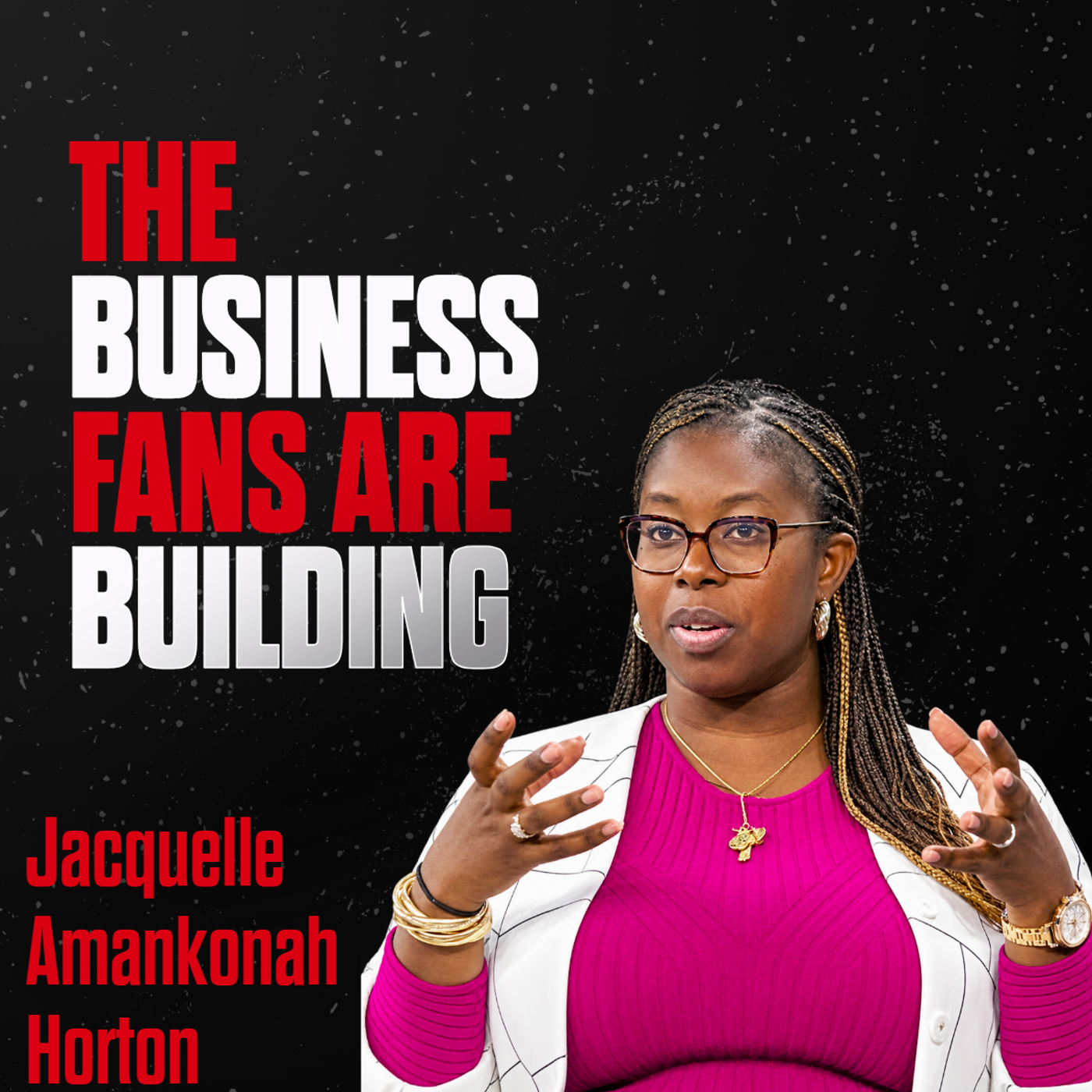
What happens when superfans stop being treated as the end of the music experience and become part of building it? Jacquelle Amankonah Horton, founder of Fave, returns to Sound Connections to explore how fandom has evolved since our first conversation. Drawing on her background at YouTube and Google and years spent building tools around creators and fans, Jacquelle explains why the next opportunity in music may sit beyond traditional artist-to-fan relationships. We explore how fan-to-fan communities create their own products, events, experiences, and economies, why conventional merchandise can miss what fans actually want, and how artist teams can identify and support the people already shaping their communities. Jacquelle also shares how Fave is evolving from a place for superfans to connect into infrastructure that helps fans bring ideas to life, while giving artists new insights and potential revenue opportunities without requiring them to constantly create more content. It’s a closer look at fandom as culture, community, and an emerging layer of the creator economy. Listen in and join the conversation. [Link in bio] Produced by Amplitude Ventures AS. #SoundConnections #Fave #Superfans #MusicIndustry #MusicTech #FanEngagement #CreatorEconomy #MusicBusiness
speaker-0: fandom market to them is how do you get more out of fans? How you get them to buy more? How do you get them to maybe show up more and spend more of that disposable income that they're willing to? Right. And creating additional experiences is great. But there will always be the secondary market of what the culture is actually doing and what they are aiming to push through. That is the nature of the entertainment business. And so the more that we can understand that that is its own opportunity, I think the more that we can tap into that opportunity, fuel that opportunity and really let that grow. speaker-1: This podcast is produced by Amplitude Ventures, your partner in early stage startups. Today on Sound Connections, Jaquel Amonkona Horton, founder of Fave, joins us to unpack the real economics of fandom, what super fans actually want beyond merch, how fan communities create value, and how fan-to-fan communities could become the next major layer of the music economy. Chikelle, here we are again. Welcome. Here we are. Hello. Good. Since we talked together about Fave, about your journey. ⁓ and I'm very excited to talk about Phantom. Very talk, excited to talk about, you know, time has passed. How is the fandom market doing? How is Fave doing? How are you doing? ⁓ but let's set the scene for the listeners who didn't listen to the first episode. Chikel, you're an amazing founder. ⁓ also a very ⁓ established ⁓ leader in your field and work with giant companies like Google. ⁓ so maybe just for the sake of summing up your career and sort of where we talked last time, for the people who don't know you, Shekel, could just briefly walk us through what Fave is and also your career path. So we sort of set the scene of today's talk. Cool. Again, thank you for having me speaker-0: So like thank you for having me. So good to to see you and ⁓ excited to dive in. So happy to do so. I'm ⁓ the founder of Fave and Fave is speaker-1: I'm Jekyll and they're to empower superfans with whatever they want to do, what they want to create, what they want to build, and give them the tools and the resources to do so, while at the same time allowing the artist teams to be able to learn from that, ⁓ earn from that and be able to build their own without having to to do much more than allowing their fans really lean in on what they're aiming at. So speaker-0: their own businesses without having to to do. So speaker-1: That I would say has been bred absolutely from my my past experiences and my career. ⁓ and obviously over the years just from deeply engaging with the fans themselves and understanding who they are, what they actually want. And that has been the evolution of the company. But to back up, I would say you know, my career star in entertainment coming off of the back of speaker-0: Say Yeah. Yeah. I would say started and speaker-1: Diving into that even in my major in school from an early age, I knew that I wanted to be in the industry. And so it was a matter of what the path was. And that was more of where my exploration was. Was it being a director? Was it being a producer? You know, who is behind this camera that I am so fascinated by. And so that brought me ⁓ first a couple internships at some late university for a little bit, then went to BET. speaker-0: Or a ⁓ Tables. speaker-1: I started building mobile apps when I was early days when apps were a new thing. and that I would say brought me so much clarity and and understanding about why I liked the entertainment industry. And it was being able to create new things from technology. Basically, that transformation of somebody said they wanted a certain experience to happen and we can use technology. speaker-0: New things like so specific. Be so happening to experience that did not speaker-1: Literally make that. wasn't possible before, happen. And that journey got me addicted to, you know, applying my my my perspective ⁓ around culture, around what was needed, around what would be cool from my seat through technology as a fan. And so that came from ⁓ you know different different features that were ⁓ shown there. speaker-0: Just See, right. ⁓ And while I was there had speaker-1: the you know thought of maybe TV wouldn't be the next thing. Maybe it would be online video thing that's happening right now and that was YouTube. And so I went over to YouTube. For me that was a speaker-0: Yeah. This To you two big decision to transition. speaker-1: But it obviously one that I do not regret at all. It was incredible journey being at YouTube, ⁓ and continuing on at Google. As I reflected, years have gone ⁓ by and now the creator economy is you know the most normal thing at this point. And back then it was you know hitting the pavement trying to teach and educate people that speaker-0: I mean as as the Back was we're speaker-1: One, being a creator is something like now we have a new program where you can make money from posting your videos here. You know, people to trial that speaker-0: Can we get some with us to see if that makes sense? speaker-1: clearly does. And I think, you know, watching that economy and that cohort of creators grow and become millions millions of people. And similarly being able to enable exactly what through technology ⁓ was such a joy f for for me. ⁓ and so ⁓ that journey was incredible. And then I would say during that, because that knack of like speaker-0: Yeah. speaker-1: you know, tech as an enabler was so important for me at that time. I went kind of all in on the tech that I thought was enabling a lot of different experiences that weren't possible before. I mean, I was building there around tw 2014, 2015, there was this thing called artificial intelligence that the people in the ⁓ you know, research labs were focused on and speaker-0: This was speaker-1: started working deeper with that tech and so moved directly to work on that team at Google. ⁓ at that point it was under search assistance. That was kind of where a lot of the people who were able to experiment with AI could be. And so moved there in 20 stayed for many years and started building Google's, you know, flagship of a flagship AI products that were there. ⁓ this was the kind of home screen of the Google app. ⁓ speaker-0: And a eighteen. speaker-1: The early days of the Google Assistant when we were, you know ⁓ speaker-0: celebrating so much just to make us right. ⁓ it was amazing to us then. speaker-1: have like it understand the and in the sentence. Amazing. And so similarly to watch that evolve from the, you know, if then statement and the user has this, do this, right? And watch that y evolve so deeply ⁓ in the way that it has, ⁓ you know, r has really given me a sense of what is possible from this of a ⁓ speaker-0: Spreadsheets of if those are sending us right. Seed a way. speaker-1: Right. ⁓ just being there again to watch what has evolved there. So as I approach Fave, I have mindset that, you know, been, you know, back in 2020 when I started talking about and my idea for Fave a bit more publicly and focusing on super fans and I promise they're important and they're gonna be the future, you know, that has been you know, corroborated plenty of times and they're focused. speaker-0: That same this has This Yeah. speaker-1: Superfans over the past few years. And so for us, we've evolved from what was starting out as us experimenting with the huge opportunity that we saw in focusing on superfans, enabling them. And as opposed to my past, where I was focused on creator tools, I wanted to see what would happen if you give fans tools to connect with each other, to build things together, to immerse in the way that they want to, what would happen? And that took the form of community in the early days, ⁓ to kind of bring them into one spot and have them hang out. And over the years, as we've evolved, it became much more interesting to understand what they actually wanted to do. Like what were they talking about? What were they trying to ideate? ⁓ you know, what were they focused on? And I think that the next version of of of speaker-0: In those communities. Like Yeah. Feed. speaker-1: And where we are now really focuses on enabling exactly those experiences. The speaker-0: And putting it The opportunities speaker-1: in their hands, right? ⁓ and for many that has not been the way that the industry has looked and seemed. It's been very top down and then fans ⁓ are entertained and they are the end and that's it. Great. They got entertainment. For me, that's that's the beginning, right? They're the ones creating the whole world. And ⁓ again to fuel that has been incredible. Okay. So thank you so much for for walking through that and speaker-0: the undertainment and that's it. It's the the seed. speaker-1: I I've been quite in awe of your journey and and your story and and what you're building. ⁓ but for the people you know, for the topic I want to talk about today, which is fandom and fave, ⁓ let's set the scene a tiny bit. So fandom obviously was ⁓ you know, a very big focus of the music industry and still are today. Yeah. ⁓ but especially two or three years ago where like that was like the the big, big push. Obviously, AI happened, ⁓ Since then, of course, you know, it was also back then when you became one of the leading experts in it, but but the at least the public ⁓ focus on it has happened and that sort of have taken a lead in in the public conversation where fandom is still, of course, key. But now when when when it's no like longer the biggest hype word, I just want to understand what does fandom mean to you practically when it comes to the music industry? Like what is what is What is the actual opportunity? What is the actual revenue? What is left off the table if you don't activate it? Can you just dissect that for me? What does that mean for the music industry? Yeah, I think such a great way to put it. What does fandom mean practically? Because what is on the other side of black box, a a gray area for a lot of people, yet at the same time, it's often all they feel that they focus on. They aren't sure what necessarily to do with it. speaker-0: So for me I see your hands. speaker-1: Your fans as the people who you are able to touch with your art and your creativity. And because of that, they have a deep connection and the desire to deeply immerse with the world that you have created for them. Right. And I think speaker-0: Obviously ⁓ is speaker-1: A consumer is kind of where it starts and begins for a lot of people. They buy things, they show up at things, they cry a little bit and they you know, a lot and they are loud and then you try to get get rid of them. But thank God they streamed, right? But I think that they are fans are you are a fan, like a lot of people are fans, and it is the desire to continue to spend time in something that's bringing them a lot of joy. speaker-0: Once we understand. speaker-1: I think it makes the practical reality of how to engage with your fans much more palpable than again the mystery world that people have had it in kind of coming and going as a buzzword, but then what actually what actually right? And so once you understand that, then you can start to have people spend as much time as possible in this thing that they're getting a lot of value from that they find belonging in. And for us, what that has looked like has evolved beyond speaker-0: Much more So I think Okay, how do we speaker-1: the kind of just the digital space very well done. ⁓ and while there's you know that's spaces for people to hang out online and talk. ⁓ that's really shown up for us most recently as in real life and events and wanting to kind of go beyond what they're getting at the concert, go beyond what they're getting as the stream, go beyond what they're getting with and speaker-0: There's a lot of improvements I see. There's there's Even the exclusives. speaker-1: additional experiences that an artist puts out because what can't be speaker-0: ⁓ speaker-1: replaced at all is the community that comes from another person kind of seeing you and recognizing you, being able to talk to you about that, you know, third party, the thing that you actually really enjoy, and being able to be in a place where you can only just and be in especially in a in a way that you usually aren't able to be in other places, often at work and, you know, in other even with family. speaker-0: Able to You can just be in a speaker-1: You aren't able to kind of be your your full fan self often. And we've really seen that be key ⁓ thing as well. So giving them the ability to be able to extend their experience beyond the core, I think is really where we see fans aiming to spend their time practically right now. I would say the other thing that we've enabled and it has come as ⁓ speaker-0: to or Very We also I would say I this speaker-1: Has been a result of this is just kind of understanding what the ideas of fans actually are. See if there is a way that you can partner with them, if you can fuel them, enable them to actually make those things happen because they become extensions of what you're trying to do, right? I think a lot of people think it might be a replacement of or chaotic or or or something there, but we have seen time and time again, and you know, many of our clients have as well. speaker-0: R two. Or speaker-1: that it actually is extremely additive to and something that they would not have thought of or done otherwise. So ⁓ how to differentiate between patronage, fans that just wants to support an artist and then actual fandom with commercial traction where there's a commercial need to purchase something. speaker-0: Yeah, I I see it in maybe the difference between somebody who wants to donate to a cause because they generally care about it or they care about the you know, the person or the issue and somebody who would want to like participate in in helping push it along or volunteer at an event or you know, s are following its journey to to see it go through. There's like a kind of pass by effect of somebody like being willing to see something happen or want to support a journey, right? And that is a type of fandom for sure. And then there's like, you are giving me so much and so you're helping me understand who I am by consuming your art that I want more, I want more, I want more. And I think that fact is where the shift really is, where it's like, I think this is cool. I'd love to support it versus This is becoming a part of me. And I really would like to have this be something I enjoy more. And so once you start seeing the line to your point of like when it starts to become a commercial activity beyond just like, this is really awesome. I think we what we hear from fans is, you know, often their disposable income that they have is their they desire to spend it on fandom and they don't have enough to spend on fandom, right? ⁓ as in not they don't have enough money to spend, they don't have enough things to buy that they would otherwise if there was, you know, more items, more SKUs, more going around in the world of fandom. And I think that that's a fact that a lot of people don't really recognize, right? That like, gosh, if there were more of these things, I'd be there, right? ⁓ and ⁓ that shouldn't be confused with, well, why aren't you buying up all of my merch? Why aren't you doing this? And I think that. plays into what we also see about the types of things that people actually want. not everything that fans want is actually what is sold to them. And often, you know, that that mis that mismatch doesn't get reconciled because what fans actually want isn't really asked of them or it's, you know, seen as like it's okay. I I I'm not ⁓ you know, doing anything for f for that side. And I think what you really have the opportunity to do, especially commercially. is to embrace what those additional experiences could be, what those additional events could be alongside your official tour, what those additional products could be that often fans are making themselves already and you aren't really tapped into it, right? As as the artist team or as the label behind them or as the merch team creating, you know, there's a whole underground world there. But as soon as you recognize their why. Again, it makes a lot of things much easier to go, you know, downstream toward that alignment. So I think it's ⁓ you know, becomes very clear. speaker-1: Yeah, you know, not to be too collared anything. Like I've never understood the concept of you know, I I might be stepping in someone's toes now. Like merchandise, for example. Like I understand I understand that it has its part, but as far as I'm concerned from a consumer behavior, and I might just be tiny bit blind blind or binist, like there must be something better. ⁓ and obviously there is. ⁓ So what what in your world are better? What do you define as a better fan experience or an extra thing they can purchase and buy and interact with? speaker-0: Yeah, that's great. And a a great question that I wish a lot of people would ask, right? Because I think merch definitely has a place. It merch has a specific place of I was there and I got the thing. Right. And it's the it's the trophy, it's the proof point, it's the they only sold this there, or I was at that city, or this was my date and my tour stop. or this is what I want to represent. But, you know, what's been super illuminating from fans is that Often the more explicit the merch is, like the face on the shirt, you know, the, you know, album cover right there. It serves a purpose to show I got it, but to wear on a day-to-day basis, it's you know, really the better is really gearing more toward something more subtle, something more ⁓ comfortable, something more ⁓ casual, more if you know you know. And like Only if you're a really a fan do you get that this slogan, this tagline actually means the thing that was the inside joke of there, right? Like we've had some of our fan creators c create super practical things to your point. A clear concert bag that they know everybody's gonna need in the show. And it will have a a word on there that is if you are a fan, you completely get why that word is there. To anybody else, there would be no association with that is it's you know, sunflower or know s something else, but it's it's so obvious to the people who are in that fandom that they'll say, Where did you get that? I want that thing. Right. ⁓ or f we have people creating fans because it's a hot day and they're gonna be standing in line. And it has again the feeling of like, gosh, I'm with my I'm I'm I'm I'm holding something that helps other people who are seeing this thing understand me a little bit better because they get the they get the insight job. They get what being a part of this community actually means for me. So we are very much trending, you know, away from the like, let's just have the, you know, the artist name slapped on on the shirt and and much more around the what are the values that this artist represents? You know, what is the world and the visuals and the symbols, right? And the inside jokes and all only, you know, what what are those things and how do we actually have those be able to be represented through fashion. ⁓ and it's beautiful to watch fans articulate that themselves because they know what they want and they say that. I know we know what we want. And so if we just have the green light in the room to actually create that among each other, they can sell to each other. They can create and sell to each other. And that's where, you know, our our tools have have enabled that. So that's that's one I would say. Then the second is the experiences to your point that Being able to have everyday merchandise to walk around in is one thing, but to be able to, you know, finally go to a place where you feel seen and you can immerse and you can have a conversation with somebody who you literally walk in a room, you don't know anybody, and you instantly feel like you're with your best five best friends when you walk into a conversation. You've walked into a networking event before. And it's super awkward to try to join a a a circle of People, even though you know you're generally like-minded, right? But when you see, you know, fans walk into these experiences that they've built around the world, they see just from the setup that they're in their space. And I'm sure before they can even open their mouths, somebody comes up to them to say, Where did you get that? Or are you the one that was at the thing? Or is this your first concert? Come with us. You know, you're gonna say it's amazing. and so the reason I recognize the impact of that is is frankly hearing from the fans. about how the fact that, you know, they went to a show by themselves and the fact that they met somebody at one of our fan events and they stayed friends with them for years after that is, you know, why they stayed in the fandom, why it was worth it for them to continue to be in a community where they knew that they had people. And so to talk about it being beneficial to the artist, I mean it absolutely has dividends beyond just, you know, one of these events. So those these experiences are speaker-1: are are pertinent to fandom. I think an interesting point, ⁓ which which you very naturally talk about is is community. I think in when I when I work a lot with startups, I think the the general notion that startups believe in and and pursue is this sort of individual transactional engagement. So and I just might provide something digitally or physically and then an individual wants to acquire that. What what you're touching upon is is more community. It's more sort of the interconnectivity, the the common understanding. and do you think that is the key to monetizing fandom is that you are able to true well, a community occurs either it's, you know, helped along the way or it happens organically. And then you build a world around the community that then it like try to try to sort of explain that a tiny bit. speaker-0: Yeah, I mean I've I've seen a lot of ⁓ worlds and diff I've seen a lot of different ways that people have approached the conversation of how to monetize my art and how to monetize my my fandom and how to monetize my time as a creative, right? I think from the days when I work deeply with with creators to the days now where I work deeply with fans and creators, I find the most efficient thing is to let the artist be an artist and have them create art in what naturally flows through them and have the community be what helps build out that world, help fuel that, and extend what the artist has already created. There is a lot of pressure right now for artists to and you know a lot of a lot of people, right? To you know get on social media and post this men as much as you can. Obviously, teams are going to encourage that because eyeballs are part of the algorithm. And, you know, again, trust me, I'm, you know, seen the impact of that. And there is a place for that. Consistency was always the thing that we would advise. But what's being completely ignored is that you don't again just end at, okay, they watched it, their job is done. That they are just starting to take, you know, the one line that you said in this one thing, and they want to go deep there. And the time that they can immerse in that with somebody else who they can go deep with. It doesn't have to be a conversation directly with the artist. It doesn't have to be ⁓ let's, you know, have a FaceTime or let me, you know, have enough money to get a meet and greet experience. It's instead, yes, this world that they have created that is fueled by the community. And from the beginning, we've, you know, been talking about specifically fan to fan, because community can also be a word that You know how we use it in past with artists, you know, build your community, right? Of course, show show your community. There's a space for that. But the way that that community grows does not solely have to be artist-to-fan interactions, fan to fan, letting, you know, one member of the community do something that helps the rest of the community feel a part of that world, whether it's through a product, whether it's through an event. Whether it's through a digital experience, whether it's through a conference, we've seen such incredible things, ⁓ you know, very effectively allows for that fan to want to be a part of that world. And to your point, when it converts into commercial understanding, it raises the boats on the artist side without them having to do anything, the merch that they are selling, the show tickets that they're they're selling, the experiences that they're selling. Fans want to buy those things more because they have the community. And then the opportunity that is, you know, that you know, we're ushering in and to be captured, which I think is the real one for the future is the economy that the community itself breeds, right? The exchanges, the trades, the purchases that fans are making already among each other, right, through their creations, through their resale, through their ⁓ ticket exchanges, everything. I think is very powerful because it's ⁓ you know, for fans, by fans, and a lot of fans want to support fellow fans just as much as they want to support the artist. And that is ⁓ something that ⁓ people who are in communities kind of get that and feel that. ⁓ but those who are trying to breed community, you know, ⁓ often forget through the pressure of, ⁓ gosh, I gotta, I gotta show up, I gotta make this right. ⁓ but yeah, when you re when you realize that your people are here to support you and you can effectively, you know, stand on their shoulders because they they really got you and they can lift you up. You can really let them do their thing in a way that you wouldn't be able to do yourself ⁓ while again focusing on your art and what you're actually, you know, really good at. speaker-1: So you have this community that might create opportunities for monetization or productization, whatever. It is the main responsibility of the artist and their team to recognize those movements and and sort of ⁓ address the under pressure, or is it to create moments where these ⁓ community movements are happening? Can you can you Walk me through how that works, how that in the action is. speaker-0: Mm-hmm. I think this is a question that a lot of people try to ask themselves do both or do the latter and are confused which one is the, you know, best use of their time. I think it's a little bit of both, but I would very much ⁓ anchor on the former actually is to recognize what the community actually wants to do and help those come to life rather than feeling like it is up to you. to create the experiences yourself for them to hang out. Here's why. ⁓ You know, and this has come from trying both, trying to create hero experiences, trying to create, you know, templatized things, trying to see if there is a formula for how best to cultivate a fandom, you know, knowing from the onset there likely wouldn't be and really testing that out. It is really about being able to understand the who, the what, the why, the when, and the how of your own fandom, right? Who are the players that are actually having influence within the community? You wouldn't a lot of artists don't really recognize that there is and they find like, ⁓ they're actually really influencing how people are showing up to the event. ⁓ they themselves through an event on my birthday and a thousand people showed. Right. This is what's actually going on. And if you're a smaller artist and this this isn't, you know, these numbers aren't what it is, or it's you and your cousin still trying to get the the music out there and you're posting every day and your f followership is still growing, there is still somebody in your community, big or small, that you could identify as an advocate, as an ambassador who can help share the story across the world, make people understand what the ideals of the community really are. And create that world and and fuel it a little bit more. And from that, right, we see a very natural spark of creativity. Often fans do not have another place to exert it, right? It's like, ⁓ in my day today, I'm a dental assistant. And you know, where me immersing in my fandom is really where I can come up with cool ideas. They often have the you know, backpack that they would like to create, but just need a a a little bit of funding to be able to produce on a more on a bigger scale than the few that they were able to create for the people who saw it in line when they're at the show. Right. And that's often how we see businesses from fans develop is like I just had a lot of demand for the small things I was trying to do as a fan to participate in my own way. ⁓ I just, you know, I I had a lot of people wanting them and I'm trying to figure it out. But what's missing from that ⁓ ideal s nature of like just embracing your fans and what they actually want is infrastructure, is the communication between the two worlds, is the understanding of like where to even start. Like who are these who's? How do I reach out to them? Is it weird if I get in touch with them? Who who can get right? Like the mechanics behind actually making that real is a tough process, right? It sounds great. Great, makes sense, but it's really hard to actually do. And so this is why we recognize over time, like that's really where it's at. It's not about trying to invent new things all the time for your fans to immerse in. It's figuring out what they already want to do and letting them do that. But we needed a way for a ⁓ fan and a group of fans and a, you know, hundreds of fans, thousands of fans to be able to effectively communicate what their ideas are. to the artist team to make sure that they're good with it, right? To get that kind of permission, to get that green light. Oftentimes fans don't really know if they can do something, if they're allowed to do something, or it incorporates IP in a way that they recognize may be in the gray area or may not be allowed, but they want to do it anyway. And so they have to decide whether it's a risk for them or whether they just don't do it and nobody gets the benefit. And if it's that second one, right? They lose out. The fans lose out, the artist lose loses out on all of the people who wanted to not only engage there but ⁓ elongate their relationship and the fandom because they had such an emotional experience around it. Right. And if they do do it, it is a, you know, a constant like, ⁓ gosh, I don't know at any point if this is going to be taken down. And we see either it it going or it not going. And you know, people getting in businesses that were very, you know, thriving for them and somebody comes and and and stops it when you and you talk to them and it's like, ⁓ well, just because it's not supposed to be up there, there is an image of allow for that to happen, right? ⁓ so that the world that they are again elongating for you can can last. ⁓ so so I'd say that's one side of it. And then you have the the people in the industry that are, you know, super for it. There's managers who are there who are encouraging their fans to sell among each other. To create their own worlds, to create their own experiences. And those fandoms are beautifully thriving, right? And those communities are, they're gonna be there for decades and decades and decades and decades because of this, right? Even with no more music out. And that's the, you know, the formula and the trade-off that you really have to see. Do you really want to keep feeding, feeding, feeding everything? Or do you want to let them have a bite, let them immerse, really chew on that bite while you like. really stay in your zone and get in your own genius artist to come back to us with even more. Right. so I'm all I'm all I'm all for the the the former side and and really let them let them thrive. speaker-1: So how does Fave help ⁓ creators identify what to monetize? speaker-0: Yeah. and so we see we define creators both as fan creators and the creators that the fans love. And I'll I'll I'll help. I'll I'll answer both of those. So for the artist teams that we work with, ⁓ there's typically a moment that they have coming up that they feel that they, you know, need to have something for fans to immerse in beyond what they're already doing. Whether it's a an album, a tour, ⁓ an anniversary. and oftentimes teams know that, gosh, I'm only doing this show in this one city, but I know my fans around the world will want to engage in this with us. How do we approach this? Right. And it starts with something as as vague as that and can turn, you know, very quickly into let's have the fans throw events around the world on the same day and the, you know. And and you know, that's one instance of something like that coming up. Or there are often times where teams do not have something coming up and they maybe don't even have the engagement of the artist, right? and they know that there is a community out there that just wants more, you know, has a ton of ideas, they're they're going crazy, but they don't have much, you know, and often these teams are their priorities are set by. what's in the current release cycle. That's where the resources are. So what we can also do is help teams who are off-cycle keep up the community in the meantime so that there is insights coming back into the world for them to learn from and use in their own strategies to then much better land on what fans want for the next campaign. And that's been a beautiful experience to help people de risk And get the questions away from what is is actually there. And then there's also the ability for them to earn outside of their own thing, again, from what the fans are are doing. And that's the model that we're really excited about bringing. It's something that I've been, ⁓ I would say maybe talking about for for quite some time and and and readying and now have been able to work and incubate directly with the you know teams at the biggest music companies in the world. the biggest entertainment companies in the world to really get that right and have it be a tool set that makes it very clear for artists teams to know who is who, what they are actually doing, who has the influence, who can be trusted, and what they are proposing to do that is in alignment with what ⁓ their goals are. Right. And that's been the art of it. ⁓ and so That's how the relationship has has worked well with with artist teams. I would say for fans, it's ⁓ and fan creators, it's it's a it's another kind of ⁓ beautiful relationship with them because we are in the business of hearing what their desires are, hearing what their wildest dreams are, hearing what their biggest goals are themselves and making it happen, often a couple of days later or a few days later. And they go from like, ⁓ I'm trying to even say this idea to like, what do you mean I'm standing right in the middle of of this happening? Right. And so, that's been great, just from ⁓ you know, being able to take so many people from the point of like, I didn't, it's truly a an identity thing. I didn't realize that I could in fact be somebody who could have something that means so much to me, be ⁓ you know, something that I can contribute to this meaningfully. And what really gets them is that they can make an experience for other fans because they know that it's a place that they've been, you know, wanting to have for some time or a conversation that they've been wanting to immerse in, but nobody around them in their spaces, you know, can do that with them. So to create that space is extremely empowering for the creators and the hosts that we work with. and of course, by nature of what happens at these events, by nature of what happens within these experiences, these fans have a very emotional ⁓ attachment and an emotional experience with each other. That it's, I mean, ⁓ I I mean I I I can't even well represent the level of depth of appreciation that fans have for being able to do this. And and I would say what really makes that go round is that. Even though the artist team can, of course, you know, set up their preferences, share, you know, what they want to see happen, the dynamic that we witness most is that it really comes from the fans and it is in this format and through this professionalism. But yeah, I think what really makes this go round really well is that ⁓ artist teams are are getting the benefit of letting their fans do their thing. They're getting thanked by the by the fans for saying, thank you for, you know, for having Fave help us do this. Like help thank you for allowing us to do this. And that has been beautiful to see beyond all the, you know, their, their, their numbers rising. It's just, you know, they oftentimes artists know in their gut that this is something that they've been wanting to do, but not sure exactly how to do it. And ⁓ us being able to be that executor partner for them. To make this real, I think is is is really cool, and be the execution partner alongside fans for them to get all of their kind of concerns. Is this okay? You know, you know, would this work ⁓ out the way and just let them let them go? So we truly are the glue between super fans with an incredible like story and idea that they want to see happen, which there are plenty of them, right? ⁓ bursting out the seams with crazy demand from other fans and they just need a little bit of infrastructure to make sure that it's it's it's all good to do. And the artist teams that can learn a ton of insights that are super clear, get out a lot of the risk that they ⁓ are very used to taking to when when they, you know, ⁓ especially as opposed to other businesses that I've been able to witness that can tap right into their audiences. Music is you know, by nature, keeping that mystique as a part of the strategy. And so how else are you able to really understand and tap into your fans besides the kind of technology that we've we've been able to bring there? So our intelligence products is probably something that we're, you know, really excited to bring out more beyond the the conversations that we've had to really fuel artists with that understanding of who's doing what, how and and and really why it it goes into that depth. speaker-1: So Shikel, rounding up the interview today, I I want to understand where you see the fandom market. Like is it actually growing? Is it actually, you know, worth the the hype and focus that was really present two and three years ago? And I and I know it's still a big part of it, but but is is this something that where there is a big opportunity and people still haven't grasped it yet? Like what is the status? speaker-0: Yeah, I I mean I've I've seen it ⁓ like this and I I think I continue to see the market ⁓ in in two different ways. There's companies who are really emphasizing enabling artist teams with capturing the like capturing the people, getting their email addresses, ⁓ making sure that they are ⁓ equipped with you know new exclusives and enabling the artist team to communicate as effectively as possible with their fans, right? Outside of the algorithm, and I think that market has grown. And ⁓ I think a lot of the companies there are doing great. And it stays within what is an important area of artist to fan communication, right? Artist to fan enablement, artist to fan rewards. I think that's great. And then there's another category that is around community and fans interacting with each other. I think this has also grown a ton, right? A lot of the partners that we work with in the past, a lot of platforms have reached numbers that are into the tens of millions for just one community of fans interacting there. And I think this is a space where, again, just like your standard social networks, your Instagrams, et cetera, fans are hanging out there. And then I think there is an opportunity of fans interacting and exchanging and having their own. tr I will say transactions, even though that is a word that ⁓ often is taken too lightly, but their own transactions with fellow fans. And when fans are able to interact with each other, this opportunity to exchange in commerce, as in fans are buying from fellow fans items that are the same price as official merch or more, right? There's you know, these like amazing letterman jackets that were just at this last event that are typically $200 plus. They were on sale for $150, sold out at the event. Well, I can't get more. And, you know, these kinds of things are not understood by, you know, many people who are trying to define the fandom market. Right. The fandom market to them is how do you get more out of fans? How you get them to buy more? How do you get them to maybe show up more and spend more of that disposable income that they're willing to? Right. And creating additional experiences is great, but there will always be the secondary market of what the culture is actually doing and what they are aiming to push through. That is the nature of the entertainment business. And so the more that we can understand that that is its own opportunity, I think the more that we can tap into that opportunity, fuel that opportunity, and really let that grow. So I I see, I see them as different areas. All of this is, I would say what people are calling the fandom market. But I think, you know, even the stats that we've seen from this, you know, growing to the the previous quote of the you four billion dollar opportunity, this has, you know, grown significantly from that because that is really just doubling the amount of streaming that they have when you start to think about them including their own product lines, their own. experiences, their own events rivaling the average order value and the average pricing of what is happening in these premium experiences. I think you you really have something to ⁓ to look at in those numbers and that market is significantly larger. ⁓ so we're super grateful to be able to have a relationship this close with many of the fan influencers who are moving in these spaces and cannot wait to continue to work with more of them and enable more of them. But right now our focus is really primarily on that third is working with the fans who in their own right are developing the communities that then can teach and fuel and course correct often, you know, teams who ⁓ know that this is important to them, but just as you're illuminating may not have known how to define it, not sure if it's something that they can even focus on. And even if they did, really not sure how ⁓ and have or or have the mechanism or time to actually do that at the scale of their audience or even as it grows. So it's being able to use technology to help make this a very easy process for them that now is minutes and your fan if your fandom is enabled to do their thing in a way that you feel comfortable with. ⁓ I think is absolutely the next, you know, surchange of the opportunity and the volume that we see coming in ⁓ for for entertainment and and its economy. It speaker-1: It's so interesting to to follow your journey and ⁓ I think for me, still the music industry has so many ways to monetize, we're still not doing optimally. And it's just it's a slow process. It's step by step. ⁓ but companies like Urp Yours ⁓ are taking these steps in order to monetize it. And we know that, you know, the East has done this quite well ⁓ the last ten, fifteen years and and the West is slowly catching up. But what I hope is when my children come of age and if they want to interact with music, there's actually more possibilities than the were the last couple of decades to to actually monetize the art and the into action because it is already so hard doing this. ⁓ but but if we can't re understand how to monetize people who are willing to spend for the value that we bring, th then it's gonna be even harder. So so thank you so much for helping address that. ⁓ where do you believe the future will take fave these next couple of years? Like what what is the actual potential you're driving towards? speaker-0: If Mm-hmm. Yeah. And I appreciate you you saying that because again, you know, coming from the creator world and seeing so many stories from creators and artists that really come down to I just want to do this for the rest of my life and I just need to find a way. How? Can you help me how? that has been the driving force of so much of what you know what I've built. And so It always comes back to just how do you let them just create the art that we all want in the first place? Right. ⁓ and so I would say the future of Fave is really in that, in the same respect that I've always had for creators, is the respect that I am giving and fueling over to fans because they are also creators in their own right, creating the next version of the creator economy that allows the people who are creating. w you know, what we have called derivative works, right? ⁓ but creating a new version, a new taste, a new look, a new POV on a world that already exists and a world that we already love. And allowing that to actually happen, other people to be able to immerse in it and have it be taken away from the ⁓ I would say the typical or the previous stance of what that looked like of scary or ⁓ you know, ⁓ copyright or taking music. I think, you know, right now a lot of tools are really focused on trying to how do I put this as ⁓ you know, careful with the words, but you know, really trying to allow fans to like remix things and fans to you know, take the core art of what the artist has done. But there has there hasn't been any fan that I've talked to in in reality who has said, all I want to do is, you know, remix the art of my artist. It's it's it's really I want to put my own take on this in a new type of experience that isn't necessarily the same medium that I listen to it in. It's I want to create A you know chapter book around this song. Or I want to, you know, ⁓ create a line of home goods, ⁓ you know, based on the the lyrics and the values that were in that album. Or I want to ⁓ invite people to an experience that deep dives on the actual meaning behind you know, verse number three in this ⁓ song, and I think. Those types of things are obviously, you know, much different than what we are actually used to consuming in the masses in in music, but are instead the kinds of again very emotional provoking things that ⁓ allow people to find their people, to have that sense of belonging, to feel the the love and the energy that as humans we are trying to get in the first place. And to have the opportunity to make that happen and have artists winning at the same time because they're earning from this activity that fans are doing, they get a revenue, you know, stream from that. ⁓ they can also pour back into their fans and have them really kind of take on their world and share things with them to extend what they're doing. I think it really brings people to what they're best at. while having the community who deeply appreciates it and wants again kind of nothing more than to spend as much time as they can with this thing, to do so in a way that isn't stepping on, ⁓ you know, tipping around and and stepping on toes. And everybody can ⁓ immerse in entertainment in the way that I think it was meant to. So for me, it's, you know, I know we're in we're in a now world where a lot of people are focused on the current ways, the current struggles, the current frustrations, and the a lot of the confusion of like, even what is life? Like what what are we what are we doing here right now? ⁓ how and how do I survive and how do I make this work for me? That I I would really encourage people to really say, what am I the best at? What do I do in flow that is so me? And how do I Allow myself and set up my environment to only do that. And this is possible through faith both by artists for allowing them to again create art and have their community be what holds them up and brings them that net new income that they didn't have before, right? And allow them to sustain and keep it going no matter when and what they put out. and the community themselves to be somebody who, you know. they can see themselves becoming an entrepreneur through fandom. They can see their own visions and journey and what they're spending a lot of their mental free time you know, enjoying in life to be a bigger part of what they are is able to sustain them day to day. And so I absolutely see this, you know, evolving far beyond what was, again, a place for fans to hang out and and are and, you know, meet each other. To a place to enable the future of somebody's life through their fandom and allow artist teams to learn deeply about what these communities want, to have their core world ⁓ be able to be supported through that and not kind of muddled through that. ⁓ so yes, we can't wait to to help people kind of, I would say, find what they. what they really want to focus on and really do through thro through our work with Faith and help them demystify the world of fandom. speaker-1: Jaquella, thank you so much for being on. It's been a pleasure. ⁓ and I'm I'm looking so much forward to follow your journey ⁓ and that of fate. speaker-0: Thank you so much. It was a great chat. And speaker-1: And ⁓ we'll talk soon.