
Shalom Macon: Messianic Jewish Teachings · Shalom Macon - Messianic Jewish Teaching
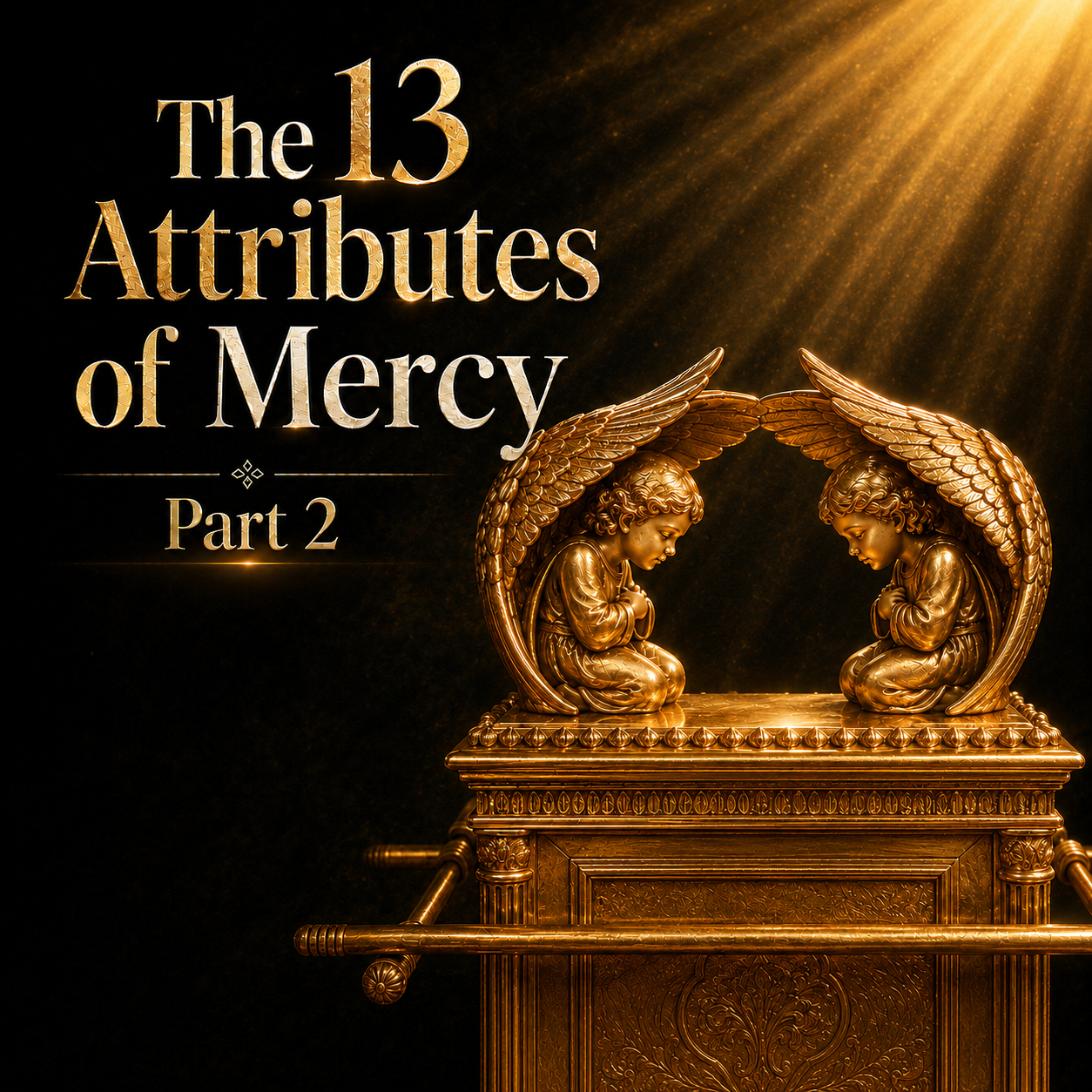
What if mercy means more than forgiving someone who hurt you? In Part 2 of our study through the 13 Attributes of Mercy from Tomer Devorah, we explore the final six attributes—and discover that biblical mercy reaches far deeper than simply overlooking an offense. What does it mean to suppress another person’s sin instead of publicizing it? Can we truly forgive someone if we still feel compelled to tell others what they did? What happens when someone who harmed us finally suffers the consequences of their actions? And how should we treat people who have fallen short when they are still descendants of Abraham, Isaac, and Jacob? Drawing from Micah 7, the teachings of Yeshua, Zacchaeus, Cornelius, the prodigal son, and the cherubim over the mercy seat, this teaching challenges us to see people beyond their worst moments. Perhaps the deepest level of mercy is learning to look at someone again—not as the person they became, but as the innocent child they once were. Can we show mercy to others before we learn to show it to ourselves? Watch Part 2 of “The 13 Attributes of Mercy” and discover how Hashem calls us to forgive, restore, protect dignity, and remember the good. Join Shalom Macon Live! at 11am EST every Saturday (#Shabbat) for uplifting Worship Music and Teachings If you get value from our work, please consider Supporting Shalom Macon: -- Ways to Support Shalom Macon -- Our Website | https://www.shalomacon.org/give Tithe.ly | https://tithe.ly/give?c=329563 PayPal | [email protected] Text "GIVE" to (706) 739-5990 God provides for the work of Shalom Macon through the giving of those who benefit from that work and in turn, give generously to allow it to continue. Whether you are an in-person or virtual member, your support is vital to sharing the message. We thank you for joining us, Shabbat Shalom!
0:00So imagine someone has hurt you so deeply that you cannot find anything good about them or any way to forgive them.
0:09Every time you think about them, all you can think about is the evil and harm they did to you.
0:16You have replayed their offenses continuously in your mind, and that person has truly become the worst person in the world to you.
0:27Now I want you to stop and imagine them as a little child.
0:37And now I want you to look at our children.
0:42Before that person knew how to lie, before they learned to manipulate and betray, before they had accumulated all the sins, failures, wounds, and mistakes that formed them into the person they became.
0:57They were once little children, just like these. Looking back at you, could you hate that child?
1:08Could you rejoice if something terrible happened to them?
1:12Could you humiliate that child or say that they are beyond redemption, as the 13 attributes teach us? When we can no longer find any good in the person someone has become, remember that they were once innocent little children, just like the ones behind me.
1:36Hashem does not look at us according to the worst things we have ever done. He remembers the days of old, the days of our youth when we were pure and blameless.
1:47What if the deepest level of mercy means learning to look at people again not as the person that they have become or even the person they could become, but as the pure, innocent babe they were before the world wounded them.
2:10Okay, Dr. David said he's teaching the kids this morning, and he said, we're into our portion God Kitetse. And he said that there's 70 something mitzvah to go over. So he was like, you need to go really long today, Derek. All right, so I'm going to go ahead and preface it with that. No, Good morning, Shabbat Shalom. And last week we began studying the 13 attributes of mercy from the book Tomer Devorah, which I forgot to bring today, but it's found in Micah 718 through 20, which we're going to look at right here now, which states, who Hashem is like you, he bears sin and removes iniquity to the remnant of his inheritance. He does not maintain his anger forever, for he desires kindness. After Teshuvah, he will have mercy on us. He suppresses our sins. May you cast all their sins into the depths of the sea. Give truth to Jacob, kindness to Abraham, as you have sworn to our forefathers from the days of old.
3:12So last week we covered attributes one through seven, and the summary of those attributes were the first, endure the offense. Second, bear the consequences.
3:24Third, repair what was damaged. Four, remember that the offender is family.
3:30Five, release your anger. Six, remember their goodness, and seventh, restore them when they repent.